
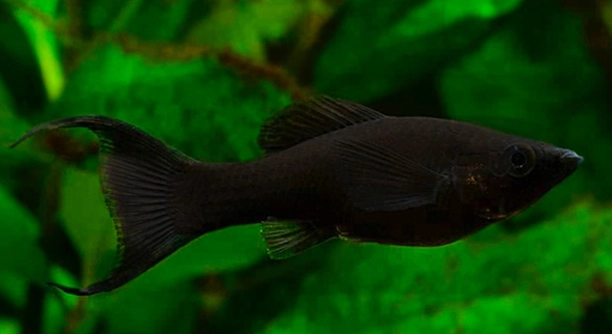
Black molly fry are small, delicate fish that can change in appearance depending on their environment. Many owners notice that in the morning, their usually dark fry appear pale and less vibrant than during the day.
The primary reason black molly fry look pale in the morning is due to their natural color adaptation to low light conditions. Darkness reduces pigment visibility, and fry may also experience temporary stress or slower metabolism overnight, causing a lighter appearance.
Observing these changes helps in understanding the fry’s behavior and health, and ensures their environment supports consistent growth and well-being.
Why Black Molly Fry Change Color Overnight
Black molly fry often appear much paler in the early morning due to their natural adaptation to darkness. During the night, these small fish reduce pigment visibility as a response to low light levels. This is a protective mechanism that helps them avoid predators in their natural habitats. In an aquarium setting, even without predators, fry still follow this instinct. Temperature changes can also affect their color. Cooler water in the early hours may slow metabolism slightly, which can temporarily lighten their appearance. Additionally, fry are sensitive to environmental stressors such as sudden light exposure or water movement. Providing a consistent, calm environment helps reduce sudden color changes. Observing them throughout the day shows that as the light increases, their pigmentation returns to normal. Proper care, including stable water conditions and balanced feeding, supports their natural coloration. Over time, fry gradually develop their full black coloring as they grow.
Even minor fluctuations in light and temperature can influence fry coloration, making mornings appear paler than later in the day.
Maintaining steady feeding times and gentle lighting helps fry adjust naturally. Overexposure to light or irregular schedules can stress them, slowing pigment recovery. Watching their patterns and making small environmental adjustments ensures healthy growth.
Factors Affecting Fry Color
Light intensity directly impacts black molly fry pigmentation. Fry kept in dim or fluctuating lighting may show paler hues.
Water quality plays a major role in color stability. High ammonia, nitrates, or sudden pH changes can stress fry, causing temporary fading. Fry need stable temperatures and clean water to maintain normal coloration. Overfeeding or inadequate nutrition may also contribute to paleness, as pigment development relies on certain nutrients. Fry are highly sensitive during early growth stages, so even small disturbances can be noticeable. Observing water conditions and ensuring regular maintenance supports consistent coloration. Additionally, social interactions among fry can influence stress levels, which in turn affects how dark they appear. Young fry may display uneven pigmentation until they fully mature, but careful monitoring helps them develop properly. Attention to lighting, water quality, and feeding ensures fry maintain their natural, healthy black coloration as they grow into adult mollies.
Morning Light and Fry Behavior
Black molly fry naturally react to changes in light, appearing paler in the morning. Their pigment cells contract in low light, making colors less visible. Over the course of the day, increased light exposure allows pigments to expand, restoring their typical darker appearance.
Fry are very sensitive to their environment. In the early hours, low light combined with cooler water slows their metabolism slightly. This contributes to the temporary paleness observed. Sudden changes in brightness, such as turning on aquarium lights too quickly, can startle them and cause additional color fading. Consistent lighting schedules and gradual transitions help fry adjust naturally. Observing how they respond to light can indicate whether their environment is stable and suitable for growth.
Behavioral patterns also play a role. Fry may remain near surfaces or shaded areas in the morning, limiting light exposure. This behavior, combined with pigment contraction, makes them appear lighter. As they become active, swim more, and move into well-lit areas, their coloration returns. Regular observation allows tracking of healthy development and ensures they are not experiencing undue stress.
Nutrition and Color Development
Proper nutrition is essential for black molly fry to develop and maintain their color. Diets rich in carotenoids and proteins support pigment formation and overall growth.
Young fry need frequent, small feedings to supply consistent energy and nutrients. Live foods, such as brine shrimp or micro-worms, encourage active feeding and promote pigmentation. High-quality fry flakes or powdered foods also provide essential vitamins and minerals. Overfeeding should be avoided, as leftover food can degrade water quality, indirectly affecting coloration. Balanced nutrition ensures fry grow strong and develop their natural black hue. Monitoring feeding behavior helps identify deficiencies or stress, which may manifest as paleness or uneven color patterns.
In addition to nutrients, timing and consistency matter. Fry fed at regular intervals develop more evenly and show stable pigmentation throughout the day. Alternating food types supports growth and enhances natural coloration, while irregular feeding can cause temporary fading. Observing fry daily allows adjustments to diet and feeding frequency, ensuring each fry has the best conditions to thrive. Nutrition and environment work together to support healthy, dark coloration in black molly fry.
Stress and Fry Color
Stress can cause black molly fry to appear paler in the morning. Changes in water conditions, sudden movements, or overcrowding trigger pigment contraction. Fry under stress may hide or stay motionless, further reducing visible coloration.
Even small disruptions, like cleaning the tank or rearranging decorations, can affect fry temporarily. Maintaining a stable, calm environment minimizes stress and helps their natural color return quickly.
Temperature Effects
Water temperature influences fry metabolism and coloration. Cooler mornings may slow their metabolic activity, making pigments less visible. Stable, appropriate temperatures encourage normal activity and help maintain dark coloration. Sudden temperature swings can increase stress and prolong paleness, so monitoring water consistently is essential.
Lighting Consistency
Consistent lighting supports healthy pigment expression in fry. Gradual transitions between dark and light periods prevent sudden stress-related fading. Regular light schedules allow fry to adjust naturally and display their normal black coloration without prolonged pale periods.
FAQ
Why do black molly fry look pale only in the morning?
Black molly fry appear paler in the morning due to natural pigment contraction in low light. Overnight, when the aquarium is darker and temperatures are slightly cooler, their metabolism slows. This temporary change is normal and not usually a sign of illness. As light increases and they become more active, pigments expand, restoring their natural black coloration.
Is it harmful if my fry stay pale for a few hours?
No, brief paleness is generally harmless. Fry may remain lighter-colored for a few hours after lights turn on or during cool mornings. The key is that they return to their typical color as the day progresses. Persistent fading or other symptoms, like lethargy or clamped fins, would require closer observation and possible water quality checks.
Can lighting affect fry coloration?
Yes, lighting plays a significant role. Fry react to changes in light intensity, which directly impacts pigment visibility. Sudden bright light or inconsistent lighting schedules can stress fry and make them appear paler for longer periods. Using a gradual light schedule, such as turning lights on slowly in the morning, helps maintain consistent coloration.
Does water quality influence fry color?
Absolutely. Poor water quality increases stress, which can cause temporary paleness. High ammonia, nitrites, or unstable pH levels affect fry health and reduce pigment expression. Regular water testing, partial water changes, and stable conditions ensure fry remain healthy and maintain dark, vibrant coloration.
Can temperature fluctuations cause paleness?
Yes, temperature changes affect fry metabolism. Cooler temperatures slow activity and pigment development, making fry look lighter. Maintaining a stable temperature appropriate for black molly fry, usually around 24–28°C (75–82°F), helps them keep their natural coloration and supports proper growth.
Does stress from other fish affect fry color?
Yes, fry exposed to aggressive tank mates or overcrowding may stay pale due to stress. Stress triggers pigment contraction and changes in behavior. Providing a calm, spacious environment with hiding spots allows fry to feel secure, helping them regain and maintain their dark coloration naturally.
Can diet influence pigmentation?
Diet is important for fry coloration. Nutrients like carotenoids, proteins, and vitamins support pigment development. Feeding a mix of live foods, high-quality flakes, and powdered fry food ensures proper growth and darker coloration. Overfeeding or inconsistent feeding schedules can indirectly affect pigment expression.
When should I be concerned about paleness?
Paleness becomes a concern if it is prolonged, accompanied by lethargy, loss of appetite, or abnormal swimming. These signs may indicate illness, stress, or poor water quality. Regular monitoring of tank conditions, temperature, and diet can prevent issues. Early intervention helps fry stay healthy and maintain normal color.
How can I help fry regain color faster?
Maintaining consistent light schedules, stable water conditions, and proper nutrition supports pigment recovery. Avoid sudden changes in lighting or temperature and minimize stress from tank activities. Gentle care and observation allow fry to gradually return to their natural black coloration.
Are some fry naturally lighter than others?
Yes, individual variation exists. Even healthy black molly fry may show slightly lighter shades in the morning or as they grow. Genetics, development stage, and environmental factors all contribute. Observing overall behavior and growth is more important than small differences in morning coloration.
Can gradual lighting changes prevent morning paleness?
Yes, gradually increasing light in the morning helps fry adjust and reduces sudden pigment contraction. Using timers or dimmers simulates a natural sunrise effect, minimizing stress and supporting consistent color development.
Does overcrowding worsen paleness?
Yes, overcrowding increases competition for food and hiding spots, causing stress that affects color. Ensuring adequate space and providing shelters helps fry feel secure, reduces stress, and maintains their natural black pigmentation.
Can water additives improve fry coloration?
Certain safe additives, like vitamins or carotenoid supplements, can enhance pigmentation. They should complement a balanced diet, not replace it. Overuse of additives is unnecessary and may harm water quality, which would negatively affect fry health and color.
Is morning paleness temporary for all black molly fry?
In most cases, yes. Morning paleness is a normal response to low light and cooler temperatures. It typically resolves within a few hours as the environment warms and light increases. Persistent or severe fading should be investigated for underlying health or environmental issues.
Do older fry retain their color better?
Yes, as fry mature, their pigment cells develop fully, and they maintain darker coloration more consistently. Young fry are more sensitive to environmental factors, so paleness is more noticeable in early growth stages. Consistent care supports long-term color stability.
Can hiding spots affect fry coloration?
Yes, hiding spots allow fry to feel secure, reducing stress and supporting healthy pigment expression. Fry that remain exposed in open areas may appear paler if they are constantly stressed by perceived threats or disturbances.
How often should I monitor fry for color changes?
Daily observation is ideal. Morning checks help track natural paleness and overall health. Monitoring behavior, feeding patterns, and color changes ensures early detection of any issues. Consistency in observation supports stable growth and proper pigmentation.
Does water hardness impact fry color?
Yes, extreme water hardness or sudden changes can stress fry and reduce visible pigmentation. Maintaining moderate hardness and stable mineral levels promotes health and helps fry maintain consistent black coloration.
Can morning paleness indicate illness?
Not always. Morning paleness is usually normal, but if accompanied by sluggish movement, clamped fins, or other symptoms, it may indicate illness. Prompt water testing, diet review, and careful observation help identify and address potential health concerns.
Do fry need exposure to natural sunlight for proper coloration?
Natural sunlight is not necessary. Artificial lighting with consistent schedules is sufficient to support pigment development. Direct sunlight can cause overheating or algae growth, so controlled aquarium lighting is preferable for stable coloration and overall fry health.
Final Thoughts
Black molly fry are delicate and highly responsive to their environment. Their appearance in the morning can often seem concerning, especially when they look paler than usual. This paleness is usually a natural response to low light, cooler temperatures, and temporary changes in metabolism overnight. Fry reduce the visibility of their pigments in darkness, a protective adaptation that dates back to their wild instincts. Over time, as the aquarium lights come on and the fry become active, their natural black coloration returns. Observing this daily pattern helps understand normal behavior and prevents unnecessary worry. It is important to remember that minor color fluctuations in the morning are common and not always a sign of stress or poor health. Watching the fry throughout the day provides a better sense of their true coloration and overall well-being.
Maintaining stable environmental conditions is key to supporting healthy pigmentation and growth in black molly fry. Consistent lighting schedules prevent sudden stress and allow pigments to expand naturally when exposed to light. Water quality plays a significant role as well; ammonia, nitrites, or sudden pH changes can contribute to prolonged paleness and affect fry health. Temperature stability is equally important, as cooler water can slow metabolism and make fry appear lighter. Providing appropriate hiding spaces, monitoring social interactions, and avoiding overcrowding reduces stress, which in turn helps maintain normal coloration. Diet also supports pigmentation. Frequent feedings of high-quality fry foods, live foods, or powdered options rich in proteins and carotenoids allow fry to develop properly and maintain their natural black hue. Nutrition and environment together influence not only the appearance but also the long-term growth and survival of the fry.
Being attentive to these factors ensures fry grow in a healthy, secure environment while displaying consistent coloration throughout the day. Temporary morning paleness is normal, but regular observation allows for early detection of potential issues such as stress, poor water quality, or nutritional deficiencies. Adjustments in lighting, temperature, or diet can quickly resolve minor concerns, supporting a more stable and vibrant environment for the fry. Over time, as fry mature, their pigmentation becomes more robust, and morning paleness becomes less noticeable. Consistent care, patience, and careful monitoring allow black molly fry to develop strong coloration and thrive in the aquarium. Understanding their natural responses to light, temperature, and stress helps create conditions that support both health and appearance, ensuring these small fish remain active, vibrant, and resilient as they grow.

Hello,
If you enjoy the content that we create, please consider saying a "Thank You!" by leaving a tip.
Every little bit helps us continue crafting quality advice that supports the health, happiness, and well-being of pets around the world, for pets of all shapes, sizes, and species.
We really appreciate the kindness and support that you show us!