
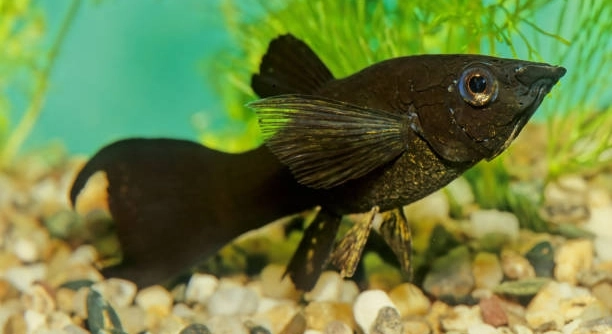
Keeping Black Mollies can be very rewarding, but sometimes their tank setup can affect their health and happiness. Overcrowding is a common problem that can cause stress and impact their behavior and growth over time.
A Black Molly tank is considered too crowded when fish density exceeds recommended limits. Overcrowding leads to increased aggression, poor water quality, stunted growth, and a higher risk of disease, making proper tank management essential for their wellbeing.
Recognizing the signs of overcrowding helps you maintain a balanced and healthy environment. These insights will guide you in creating a comfortable home for your Black Mollies.
Reduced Swimming Space
When a Black Molly tank becomes overcrowded, the most obvious effect is reduced swimming space. Fish need room to move freely, explore, and exercise. In a cramped tank, they may bump into each other constantly or swim in circles, which can increase stress levels. Limited space also prevents proper territorial behavior, and dominant fish may become aggressive toward smaller or weaker ones. Over time, this stress can affect their immune systems, making them more prone to illness. Aquatic plants and decorations, while necessary for hiding spots and stimulation, take up space, so adding too many fish leaves even less room for natural movement. Observing how your Mollies swim and interact gives insight into whether the tank is too crowded. Creating open areas in the tank allows for more natural behavior and healthier growth.
Reduced swimming space directly affects your Mollies’ physical and mental wellbeing, so keeping numbers in check is crucial.
Giving them proper space supports healthier swimming patterns and lowers stress, making your tank a more balanced environment for all the fish.
Increased Aggression
Overcrowding often leads to increased aggression among Black Mollies. When too many fish share a tank, they compete for resources like food, hiding spots, and attention. Minor nips or chasing can quickly escalate into harmful behavior, causing injuries or even death. Stress from constant interactions also affects growth and coloration, making fish look dull or weak.
Aggressive behavior becomes more noticeable when dominant Mollies control the prime areas of the tank, forcing others into corners or near the surface.
Consistent aggression is not only harmful physically but also emotionally stressful for the fish. Aggression disrupts feeding patterns, as timid fish may eat less or be bullied during meals. Over time, this imbalance can weaken the entire population in the tank. Signs such as torn fins, constant chasing, or isolated fish indicate that the tank may be overpopulated. Monitoring fish interactions and adjusting numbers can restore harmony. Adding more hiding spots or separating aggressive individuals temporarily can help, but long-term solutions involve reducing crowding to maintain healthy, peaceful behavior in the tank.
Poor Water Quality
Overcrowded tanks often suffer from poor water quality. More fish produce more waste, which increases ammonia and nitrate levels. This can harm your Black Mollies, making them prone to disease and stress. Regular monitoring is essential to keep water conditions safe and stable.
High waste levels overwhelm filtration systems. Even a strong filter may struggle to keep ammonia, nitrites, and nitrates at safe levels. Excess nutrients can also lead to algae blooms, clouding the water and reducing oxygen. Poor water quality irritates fish gills, disrupts respiration, and can stunt growth. Mollies may show signs like gasping at the surface, lethargy, or unusual swimming patterns. Regular partial water changes and careful monitoring of fish numbers are crucial to maintaining a healthy environment. Using a water test kit helps you track chemical levels, ensuring a balanced habitat for your fish.
Maintaining clean water also involves removing uneaten food and debris promptly. Overcrowding makes this task more critical, as waste accumulates faster and can destabilize the tank quickly. Proper maintenance ensures your Black Mollies remain active, healthy, and less prone to stress-related illnesses.
Stunted Growth
Overcrowded tanks can lead to stunted growth in Black Mollies. When fish are packed too closely, competition for food intensifies, and some may not get enough nutrition. Limited space and stress also slow their natural development.
Stress and overcrowding affect hormone levels, which can reduce growth rates in Mollies. Fish may appear smaller than they should for their age, with thinner bodies and shorter fins. High-density conditions limit swimming and exercise, further impacting muscle development. Juvenile Mollies are particularly vulnerable, as they require more space and consistent nutrition to reach full size. Poor water quality from excess waste compounds the problem, as harmful chemicals interfere with metabolic processes. Stunted growth is often gradual, so it may not be obvious until fish fail to reach expected size benchmarks. Regular observation of growth patterns and adjusting tank population are key to preventing long-term health issues.
Providing adequate space and proper feeding routines helps Mollies grow properly. A tank that balances fish numbers, water quality, and nutrition ensures each Molly develops healthily and thrives in its environment.
Frequent Illness
Overcrowding increases the risk of frequent illness in Black Mollies. Close quarters make it easier for bacteria and parasites to spread. Stress from limited space also weakens their immune systems, leaving them more vulnerable to infections and disease.
Even minor injuries can become serious in crowded tanks. Constant chasing or nipping can open wounds, providing entry points for pathogens. Stress hormones reduce immune response, making recovery slower. Maintaining proper population density and good water quality is essential to prevent frequent health issues in Mollies.
Fin Damage
Fins often show the first signs of stress in crowded tanks. Torn or ragged fins indicate that fish are bumping into each other or being nipped by tank mates.
Frequent fin damage not only looks unhealthy but can lead to infections. Stress from overcrowding makes healing slower, and damaged fins can affect swimming efficiency, further increasing stress and vulnerability. Monitoring interactions and separating aggressive individuals temporarily helps, but reducing crowding is the most reliable solution to prevent ongoing fin damage.
Erratic Swimming
Crowded conditions cause erratic swimming in Black Mollies. Fish may dart, circle, or swim frantically as they compete for space or escape aggression.
Erratic swimming is a clear stress signal. It disrupts feeding, increases energy use, and can worsen injuries or fin damage in tight spaces. Reducing tank population and creating open areas improves swimming patterns and lowers stress.
How many Black Mollies can I keep in one tank?
The ideal number of Black Mollies depends on tank size. A general rule is one inch of fish per gallon of water, though larger tanks allow more flexibility. Overcrowding increases stress, aggression, and disease risk. Always consider adult size when planning your tank population.
What are the first signs my tank is too crowded?
Early signs include frequent chasing, hiding, or torn fins. You may notice fish swimming erratically or gasping at the surface. Reduced appetite, dull coloration, and stunted growth are also indicators. Observing behavior daily helps you catch problems before they become serious.
Can overcrowding affect water quality quickly?
Yes. More fish produce more waste, which increases ammonia, nitrite, and nitrate levels. Even a strong filter may struggle to maintain balance. Overcrowded tanks require more frequent water changes and regular testing to prevent illness and stress.
Is aggression normal in Black Mollies?
Some aggression is natural, but consistent chasing, nipping, or territorial disputes are signs of overcrowding. Stress worsens aggressive behavior. Providing enough space, hiding spots, and reducing the number of fish helps restore a calmer environment.
How can I reduce stress in a crowded tank?
Stress can be minimized by adding decorations for hiding, maintaining proper water quality, and feeding regularly. Avoid sudden changes in lighting or temperature. Separating aggressive fish temporarily may also help. Long-term solutions focus on reducing population density.
Will stunted growth reverse if I reduce tank population?
Partially. Younger fish may catch up if they receive proper nutrition and have space to swim. Adults may not fully recover, but overall health and activity will improve. Proper tank management ensures future growth for juveniles and prevents further stunting.
How often should I clean an overcrowded tank?
Water changes should occur at least once a week, sometimes more depending on population and filtration. Remove uneaten food and debris regularly. Cleaning is critical to prevent toxic buildup and keep fish healthy. Monitoring chemical levels with a test kit is recommended.
Can overcrowding cause disease outbreaks?
Yes. Crowded conditions spread bacteria and parasites quickly. Stress reduces immune response, making infections more likely. Watch for white spots, frayed fins, or unusual behavior. Immediate action, including quarantine of sick fish and water treatment, may be necessary to prevent widespread illness.
Are certain tank decorations better for crowded tanks?
Yes. Open swimming space is more important than excessive decorations. Rocks, plants, and hiding spots should be arranged to create zones for fish to escape or rest. Avoid overcrowding the tank further with decorations that reduce movement space.
How do I know if I need a larger tank?
If fish consistently bump into each other, hide, or display aggression, your tank may be too small. Signs like erratic swimming, stunted growth, and poor water quality also indicate a need for more space. Expanding tank size improves health and reduces stress.
Can diet help reduce stress in crowded tanks?
Proper feeding supports health but cannot fully compensate for overcrowding. High-quality food and regular feeding prevent competition-related stress. Ensuring each fish gets enough nutrition helps reduce fighting and supports immune function, but tank size remains the most important factor.
What long-term effects can overcrowding have?
Chronic overcrowding can stunt growth, weaken immunity, reduce lifespan, and increase aggression. Fish may remain stressed even after conditions improve, affecting reproduction and overall vitality. Preventing overcrowding from the start is the most effective way to ensure healthy, thriving Black Mollies.
Is it safe to mix Black Mollies with other species in a crowded tank?
Mixing species increases stress risk. Mollies may compete with other fish for space or food. Aggression and disease can spread faster in mixed, crowded environments. Compatibility and tank size must be considered carefully to maintain harmony.
How can I monitor overcrowding effectively?
Regular observation is key. Track behavior, fin condition, swimming patterns, and growth. Use water test kits to monitor chemical levels. Keeping a journal of feeding, behavior, and water quality can help identify early signs of overcrowding before serious problems occur.
Maintaining a healthy Black Molly tank requires careful attention to space, water quality, and fish behavior. Overcrowding is a common problem that can affect every aspect of their wellbeing. When a tank has too many fish, swimming space is limited, and stress levels rise. Fish may display aggression, chase each other, or hide more often than usual. Stress also weakens their immune system, making them more susceptible to disease. Even small signs like torn fins, dull coloration, or reduced appetite can indicate that the tank population is too high. Recognizing these signals early allows you to take steps to prevent more serious problems, such as illness or stunted growth. By ensuring that each fish has enough room, you provide a healthier and more natural environment where they can swim freely, eat properly, and grow at a normal rate.
Water quality is another crucial factor affected by overcrowding. More fish produce more waste, which increases ammonia, nitrites, and nitrates in the tank. Even the most efficient filter can struggle to keep up with excessive waste, leading to poor water conditions. Poor water quality not only stresses the fish but also encourages algae growth and makes the tank look less clean. Regular water changes and careful monitoring are essential to prevent these issues. Using a water test kit helps keep track of chemical levels, ensuring the tank remains safe for your Black Mollies. Additionally, removing uneaten food and debris prevents toxins from building up, which is especially important in crowded tanks. Proper tank maintenance supports healthier, more active fish and reduces the risk of frequent illness. It also improves the overall environment, making the tank more enjoyable to watch and maintain.
Reducing overcrowding is the most effective way to improve the health and happiness of your Black Mollies. This may involve moving some fish to a larger tank, limiting the number of fish you keep, or ensuring juveniles have enough space to grow. Proper decoration placement and creating open swimming areas can help, but they cannot replace the benefits of adequate tank size. Feeding routines, stress reduction, and careful observation are also important, but they work best when fish have room to thrive. When you manage your tank responsibly, you create an environment that supports normal behavior, healthy growth, and long-term wellbeing. Prioritizing space, water quality, and balanced population ensures that your Black Mollies live in a comfortable, stable, and stress-free habitat.

Hello,
If you enjoy the content that we create, please consider saying a "Thank You!" by leaving a tip.
Every little bit helps us continue crafting quality advice that supports the health, happiness, and well-being of pets around the world, for pets of all shapes, sizes, and species.
We really appreciate the kindness and support that you show us!