
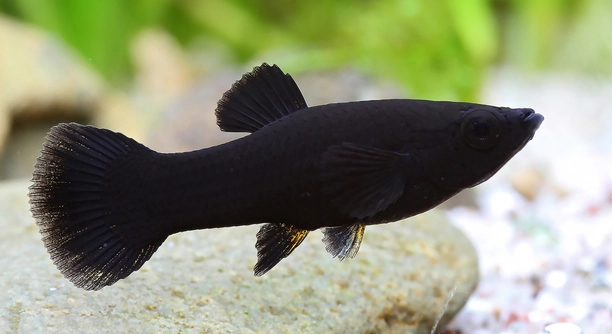
Do you ever find yourself keeping your Black Molly in a tank but noticing small changes in water quality? Slight ammonia spikes can happen even in well-maintained aquariums and can raise concerns for fish owners.
Black Molly fish can tolerate minor ammonia increases for short periods, but prolonged exposure can harm their gills, stress their immune system, and reduce overall health. Immediate water changes and careful monitoring are essential for maintaining safe conditions.
Knowing how to manage ammonia levels effectively can protect your fish and keep your aquarium healthy and balanced. This information will help you maintain a safer environment for your Black Molly.
Understanding Ammonia in Your Aquarium
Ammonia naturally appears in fish tanks from leftover food, fish waste, and decaying plants. Even small amounts can irritate a Black Molly’s gills and make them less active. Regular testing is important to catch these spikes early. Filtration and partial water changes help reduce ammonia quickly. Many hobbyists underestimate how fast ammonia can build up, especially in new tanks or tanks with a lot of fish. Black Mollies are hardy, but constant exposure to elevated ammonia can weaken their immune systems, leaving them vulnerable to infections. Watching for signs like gasping at the surface or clamped fins can alert you before serious damage occurs. Maintaining stable water parameters with a properly cycled tank gives your Mollies a better chance to thrive. Adding live plants and avoiding overfeeding also helps keep ammonia levels manageable, creating a calmer environment for the fish and supporting overall tank health.
Testing water regularly gives you a clearer picture of tank conditions and prevents surprises.
Keeping ammonia in check involves using filters, performing regular water changes, and monitoring fish behavior to maintain a stable, healthy environment.
Signs Your Black Molly is Stressed
Stress in Black Mollies often shows through changes in behavior. They may swim less actively, hide more, or display duller colors. Stress can also reduce appetite, making them more vulnerable to illness. Spotting these early signs can prevent serious problems.
Continuous ammonia spikes, even if small, can slowly affect a Molly’s health. Over time, stressed fish may show weakened fins, slower growth, or become more prone to disease. If ammonia levels remain slightly elevated, the fish’s immune system works harder to compensate, leaving less energy for growth and reproduction. Sudden changes in water temperature or pH combined with ammonia exposure increase stress further. Observing your Mollies daily helps you notice subtle changes in their swimming patterns, color, or interaction with other fish. Using a reliable water test kit and maintaining a cleaning schedule can prevent long-term harm. Adjusting feeding routines, avoiding overcrowding, and ensuring proper filtration also reduces stress. By acting quickly and consistently, you can help Black Mollies stay healthy and maintain their natural behaviors even in challenging water conditions.
Managing Slight Ammonia Spikes
Even small ammonia increases require immediate attention. Partial water changes are the fastest way to lower levels. Use a reliable test kit to monitor the water daily. Adjust feeding to prevent leftover food from adding to the problem.
Frequent testing and regular water changes are key to keeping Black Mollies safe. In a tank with minor ammonia spikes, performing a 25 to 30 percent water change can quickly reduce the chemical concentration. Avoid overfeeding, as excess food decays and adds more ammonia. Proper filtration is essential to remove waste effectively. Using activated carbon or ammonia-neutralizing products can provide temporary relief, but they should not replace regular maintenance.
Maintaining a stable environment means monitoring all water parameters, not just ammonia. Temperature, pH, and nitrate levels interact with ammonia to influence fish health. Keeping a tank well-aerated ensures oxygen reaches the fish, which helps them cope with minor stress. Consistent care reduces sudden spikes, allowing Black Mollies to stay active and healthy while minimizing long-term damage.
Preventing Future Ammonia Issues
Proper tank cycling prevents ammonia buildup before it becomes a problem. Introducing beneficial bacteria helps break down waste. Feed only what fish can consume in a few minutes.
Regular maintenance is crucial for long-term tank stability. Cleaning filters, removing uneaten food, and vacuuming substrate prevents waste accumulation. Adding live plants also helps absorb excess nutrients. Cycling new tanks fully before adding Black Mollies ensures ammonia remains low. Monitor fish behavior and water chemistry to catch any early warning signs. Overcrowding accelerates waste production, so maintain an appropriate number of fish. Even hardy Mollies benefit from consistent water care and a well-balanced environment.
Creating a routine maintenance schedule is the most effective way to prevent ammonia spikes. Testing water at least twice a week, performing small but regular water changes, and cleaning filters as needed keeps conditions stable. Introducing biofilters or beneficial bacteria boosters strengthens the tank’s natural ability to handle waste. Avoid sudden changes in diet or adding too many fish at once. Combining these strategies allows your Black Mollies to thrive while minimizing the risk of stress or illness caused by minor chemical fluctuations.
Using Water Conditioners
Water conditioners can neutralize ammonia temporarily, making the tank safer for Black Mollies. They are especially useful during emergency situations or sudden spikes. Always follow the product instructions carefully to avoid overdosing.
Conditioners do not replace regular maintenance. Frequent water changes and monitoring remain essential. Relying solely on chemicals can mask underlying problems that need long-term solutions.
Monitoring Fish Health
Observe your Black Mollies daily for any unusual behavior. Changes in swimming, appetite, or coloration often indicate water quality issues. Early detection helps prevent serious health problems.
Adjusting Feeding Habits
Overfeeding increases ammonia production. Feed only what your Mollies can finish in a few minutes. Reduce portions gradually if ammonia spikes occur.
FAQ
Can Black Mollies survive short-term ammonia spikes?
Yes, Black Mollies can tolerate minor ammonia increases for short periods, but prolonged exposure can stress their system and damage gills. Quick action, such as partial water changes and improving filtration, can help protect their health. Observation is key, as stress signs appear early.
How often should I test my tank water?
Testing at least twice a week is recommended, especially if you notice fish behavior changes or have a newly cycled tank. Daily testing may be necessary during spikes or if ammonia levels are unstable. This helps prevent unnoticed long-term harm.
What water parameters should I monitor alongside ammonia?
In addition to ammonia, check nitrite, nitrate, pH, and temperature. Ammonia’s effect can worsen with improper pH or temperature levels. Nitrate buildup also contributes to stress. Maintaining stable conditions supports a healthy environment for Black Mollies.
Are water conditioners safe for long-term use?
Water conditioners can temporarily neutralize ammonia but should not replace regular maintenance. Long-term use masks problems rather than fixing them. Combining conditioners with water changes, proper feeding, and filtration is the safest approach.
How do I know if ammonia is stressing my fish?
Signs include gasping at the surface, clamped fins, lethargy, loss of appetite, and dull coloration. Early detection allows for corrective action before permanent damage occurs. Daily observation is essential.
Is partial water changing enough to manage ammonia?
Partial water changes are effective for lowering ammonia quickly but must be combined with proper filtration and reduced feeding. Regular maintenance prevents frequent spikes and keeps the tank safe for Black Mollies.
Can overfeeding increase ammonia spikes?
Yes, leftover food decomposes and releases ammonia. Feed only what your fish can eat in a few minutes, and remove uneaten food promptly. Proper feeding routines are essential for long-term water quality.
Do live plants help control ammonia?
Live plants absorb ammonia and other nutrients, reducing spikes naturally. Fast-growing plants are particularly effective. They also provide shelter and improve oxygen levels, creating a more balanced environment for Black Mollies.
How does tank size affect ammonia levels?
Smaller tanks accumulate waste faster, making ammonia spikes more likely. Maintaining proper stocking levels, combined with filtration and regular cleaning, is critical. Larger tanks buffer small fluctuations better, but monitoring is still important.
Can beneficial bacteria help stabilize ammonia?
Yes, beneficial bacteria break down ammonia into less harmful substances. Adding biofilters or bacterial supplements during tank setup or after cleaning helps maintain balance and supports long-term health for Black Mollies.
How quickly should I act during an ammonia spike?
Immediate action is necessary. Perform a partial water change, test levels, and adjust feeding. Ignoring even minor spikes can stress the fish, reducing immunity and making them vulnerable to disease.
What long-term strategies prevent ammonia problems?
Cycle tanks fully before adding fish, maintain consistent cleaning schedules, monitor water parameters, avoid overfeeding, and keep appropriate fish numbers. Combining these practices ensures a stable, safe environment for Black Mollies.
Can stress from ammonia affect breeding?
Yes, stressed Black Mollies may reduce or stop breeding. High ammonia levels interfere with hormonal balance and energy levels. Maintaining stable water conditions helps support reproduction and overall vitality.
Is it safe to mix Black Mollies with other species during ammonia issues?
Mixing species increases waste production and complicates water management. During ammonia spikes, it’s best to reduce stress by monitoring all fish closely and keeping stocking levels appropriate.
Do ammonia-neutralizing products harm fish if overused?
Overuse can lead to chemical imbalances, mask real water issues, and stress fish further. Always follow instructions and combine products with water changes and proper maintenance for safe, effective results.
How long does it take for ammonia to return to safe levels?
With partial water changes, good filtration, and careful feeding, minor spikes can normalize within hours to a day. Continuous monitoring ensures levels remain safe and prevents repeated stress events.
Are Black Mollies more tolerant to ammonia than other fish?
They are moderately hardy, but tolerance does not mean immunity. Even minor, repeated spikes can harm them. Treat all ammonia issues seriously to ensure health and longevity.
Can sudden temperature changes worsen ammonia effects?
Yes, rapid temperature shifts can stress fish and amplify ammonia toxicity. Keep temperature stable to help Black Mollies cope with minor spikes and maintain overall tank health.
Is quarantine necessary if ammonia rises in the main tank?
Quarantine is not always required but may help protect sensitive or newly added fish. Addressing ammonia in the main tank is generally the priority, as quick action benefits all inhabitants.
What daily habits reduce ammonia risk?
Regular observation, controlled feeding, partial water changes, and cleaning filters consistently prevent spikes. Keeping a simple checklist ensures the tank stays balanced and Black Mollies remain healthy over time.
This FAQ covers common concerns about ammonia in Black Molly tanks, offering practical guidance to maintain water quality and support fish health.
Black Mollies are hardy fish, but even slight ammonia spikes can affect their health if not addressed. Regular monitoring of water quality is essential to prevent problems from developing. Using a reliable test kit helps detect ammonia early, allowing you to take immediate action. Small water changes can quickly reduce ammonia levels, giving your fish a safer environment to swim and feed. Observing your Mollies’ behavior daily also provides clues about the water conditions, as changes in activity, appetite, or coloration often indicate stress from ammonia or other imbalances. Combining these steps ensures a stable and supportive habitat.
Maintaining a consistent maintenance routine is one of the most effective ways to manage ammonia. Avoid overfeeding, as leftover food decomposes and releases ammonia into the water. Proper filtration is essential, and cleaning or replacing filter media as needed keeps the system working efficiently. Live plants can help absorb nutrients and lower ammonia naturally while improving oxygen levels. Beneficial bacteria in the tank or biofilters also break down ammonia, supporting long-term stability. By following a structured care routine, you minimize the risk of spikes and create an environment where Black Mollies can thrive without unnecessary stress.
Even with minor ammonia increases, prompt attention and careful management can prevent long-term damage. Using water conditioners provides temporary relief, but regular water changes and consistent monitoring remain the best solutions. Keeping tank parameters stable, including pH, temperature, and nitrate levels, further protects your fish from stress. Avoid overcrowding, as it increases waste and makes controlling ammonia more difficult. By maintaining a clean, balanced, and carefully monitored environment, your Black Mollies can remain healthy, active, and vibrant. Understanding how ammonia affects their well-being helps you take steps to prevent issues before they become serious, ensuring your tank stays a safe home for your fish.

Hello,
If you enjoy the content that we create, please consider saying a "Thank You!" by leaving a tip.
Every little bit helps us continue crafting quality advice that supports the health, happiness, and well-being of pets around the world, for pets of all shapes, sizes, and species.
We really appreciate the kindness and support that you show us!