
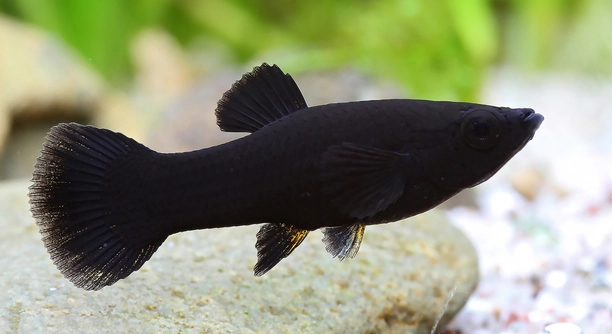
Black Mollies are popular aquarium fish known for their lively swimming patterns and striking black color. Observing them in a tank can be calming, but sometimes they display unusual behaviors that catch the eye of any attentive fish keeper.
Black Mollies occasionally swim backwards due to environmental stress, changes in water chemistry, or health-related issues. This behavior is often a response to discomfort, irritation, or the need to navigate tight spaces, rather than a standard swimming pattern.
Understanding why this happens can improve care and tank conditions, ensuring Black Mollies remain healthy and active in their aquatic environment.
Common Causes of Backward Swimming
Many Black Mollies swim backward occasionally, and it is usually linked to environmental conditions in the tank. Poor water quality, sudden temperature changes, or low oxygen levels can make them uncomfortable, prompting this unusual behavior. I noticed that when my own fish experienced these conditions, they would swim backward more frequently. Overcrowding is another factor that affects their movement. If the tank has too many fish, Mollies may feel confined and navigate in reverse to find more space. Stress from incompatible tank mates can also contribute, as aggressive or larger fish create tension. Monitoring water parameters and maintaining a balanced population can help reduce these episodes. Feeding habits may also play a role. Overfeeding or irregular feeding schedules sometimes disrupt their natural swimming patterns. Observing your tank carefully and making gradual adjustments often improves their behavior, allowing them to swim naturally and more confidently.
Environmental stressors, dietary issues, and tank overcrowding are key factors influencing backward swimming in Black Mollies. Adjustments can correct these behaviors.
Keeping the tank clean, controlling temperature, and ensuring sufficient space allows Black Mollies to move freely. Watching their reactions to changes provides insight into maintaining their well-being. Proper feeding schedules and gentle observation help prevent repeated backward swimming episodes. Consistent care ensures a calmer, healthier environment, which supports natural swimming patterns.
Health Considerations
Backward swimming can sometimes indicate underlying health problems. Parasites, infections, or swim bladder issues may affect a Molly’s balance and swimming ability. Observing other signs like loss of appetite, lethargy, or unusual coloration is important. Early detection of these conditions can prevent severe complications. Regular water testing and routine tank maintenance reduce the likelihood of disease. If health problems are suspected, isolating the affected fish and consulting a veterinarian or experienced aquarist is recommended. Certain medications and adjustments to water conditions can address specific ailments effectively. My own experience showed that prompt attention to minor health issues often prevents them from becoming more serious.
Health issues in Black Mollies can manifest as backward swimming, especially when paired with other unusual behaviors. Proper care and observation are essential for timely intervention.
Addressing health concerns requires careful monitoring and consistent tank management. Regularly checking water quality, maintaining proper temperature, and observing fish behavior allows for early detection of illness. Treating minor infections quickly prevents them from worsening and helps maintain overall tank health. Additionally, providing a balanced diet strengthens the fish’s immune system, making them less prone to stress-related behaviors. Isolation of sick individuals reduces the risk of spreading disease to other tank mates. Maintaining a clean, stable environment ensures Black Mollies swim naturally and remain active. This proactive approach minimizes backward swimming caused by health problems and contributes to the long-term well-being of the aquarium ecosystem.
Water Quality and Tank Conditions
Poor water quality can trigger backward swimming in Black Mollies. High levels of ammonia, nitrites, or nitrates create stress, affecting their balance. Sudden temperature fluctuations also make them uncomfortable. Regular testing and maintaining stable conditions help them swim naturally.
Maintaining water quality requires consistent monitoring and proper filtration. I realized that even small changes in pH or temperature caused my Mollies to behave oddly. Keeping ammonia and nitrite levels at zero, and nitrates low, is essential. Aeration also matters; low oxygen makes fish swim backward to adjust. Frequent partial water changes prevent harmful buildup and improve their comfort. A stable, clean environment encourages healthy, natural movement and reduces stress-related behaviors.
Tank setup and space significantly impact swimming patterns. Overcrowding or insufficient hiding spots can make Mollies feel trapped, prompting backward movement. Providing plants and open areas allows exploration. Consistent feeding and gentle interaction reduce stress, improving their swimming behavior and overall well-being.
Feeding Habits and Nutrition
Overfeeding or irregular feeding schedules can influence swimming patterns. Black Mollies may swim backward when searching for food or reacting to sudden excess food. Balanced meals at regular intervals support normal behavior and prevent stress-related movements.
Nutrition plays a crucial role in maintaining health and stability. I noticed that when my Mollies received varied, high-quality food, backward swimming decreased. Flake food supplemented with live or frozen options ensures proper nutrient intake. Avoiding overfeeding prevents water pollution, which can also trigger unusual swimming. Feeding smaller amounts multiple times daily aligns with natural foraging behavior. Consistency in diet, combined with proper tank maintenance, keeps Black Mollies healthy and active, reducing stress-induced backward swimming and promoting overall vitality in the aquarium.
Tank Mates and Social Dynamics
Aggressive or overly active tank mates can cause Black Mollies to swim backward as a stress response. Territorial behaviors from other fish may push them into tight spaces or force them to retreat. Observing interactions helps identify potential stress triggers in the aquarium.
Peaceful tank mates and adequate space reduce backward swimming. My Mollies settled quickly once I separated aggressive species and added plants for hiding. Monitoring social interactions ensures a calmer environment. Creating zones in the tank lets fish establish territory without conflict, improving natural swimming patterns and reducing stress-related behaviors.
Swim Bladder and Physical Health
Swim bladder problems are a common reason for backward or erratic swimming in Black Mollies. This organ controls buoyancy, and issues can result from poor diet, infection, or genetic factors. Observing other symptoms like floating, sinking, or tilting helps identify this condition early.
Observation and Adjustment
Regularly watching your fish allows you to spot subtle changes in behavior. Minor adjustments in water, feeding, or tank setup can prevent backward swimming before it becomes persistent.
FAQ
Why do Black Mollies sometimes swim backwards?
Black Mollies swim backward mainly due to environmental stress, health issues, or tank dynamics. Poor water quality, low oxygen levels, or sudden temperature changes can make them uncomfortable. Swim bladder problems, infections, or parasites may also affect their balance, causing backward or erratic swimming. Observing behavior alongside water conditions helps identify the cause.
Is backward swimming a sign of illness?
Not always, but it can indicate a health issue. Swim bladder disorders, parasites, or bacterial infections can disrupt normal swimming. Other symptoms to watch include lethargy, loss of appetite, floating upside down, or unusual coloration. Early detection and isolation of affected fish can prevent worsening problems. Proper medication and care often resolve minor illnesses.
Can water quality affect swimming behavior?
Yes. Ammonia, nitrite, and nitrate buildup stresses fish, sometimes causing backward swimming. Low oxygen or unstable pH levels also contribute. Regular water testing, partial water changes, and a functional filtration system help maintain stability. Adding aeration or plants can improve oxygenation and reduce stress in the tank.
Do tank mates influence this behavior?
Aggressive or overly active fish may stress Black Mollies, forcing them to swim backward to avoid conflict. Overcrowding limits movement, while compatible tank mates and sufficient hiding spaces reduce tension. Observing interactions and providing territories ensures a calmer environment and promotes natural swimming patterns.
Can diet affect backward swimming?
Yes. Overfeeding, irregular feeding schedules, or poor-quality food can contribute to abnormal movement. A balanced diet of flakes, frozen, or live foods ensures proper nutrition. Feeding smaller amounts multiple times daily supports natural foraging behavior, reduces stress, and prevents water pollution that might indirectly affect swimming behavior.
How can I prevent backward swimming?
Maintaining clean water, proper temperature, balanced nutrition, and compatible tank mates reduces stress-induced backward swimming. Regular monitoring of fish behavior and tank conditions allows early adjustments. Providing hiding spots and open areas for exploration helps Black Mollies move freely and confidently.
When should I consult a veterinarian?
If backward swimming is persistent, paired with other symptoms like lethargy, weight loss, or discoloration, consulting a veterinarian or experienced aquarist is recommended. Professional guidance ensures correct diagnosis and treatment, especially for infections, parasites, or swim bladder issues. Early intervention improves recovery and overall health.
Does tank size matter?
Absolutely. Overcrowding can limit swimming space and increase stress. A spacious tank with areas for hiding and exploration encourages natural behavior. I noticed my own Mollies swam more confidently when I upgraded to a larger tank with plants and decorations, giving them more control over their environment.
Are there temporary fixes for backward swimming?
Partial water changes, aeration, and adjusting tank mates can reduce stress-related backward swimming. Observing fish after changes helps identify which factors influence behavior. Consistency in care and monitoring prevents recurring issues, creating a stable environment for healthy movement.
Is backward swimming common in other fish?
It can occur in various species when stressed, ill, or confined. Black Mollies are particularly sensitive to environmental changes, making them more likely to display this behavior. Observing overall tank health and responding quickly ensures all fish maintain normal swimming patterns.
How long does it take for behavior to return to normal?
Once the cause is addressed, behavior often improves within days to weeks. Health issues, water adjustments, and reduced stress all contribute to recovery. Consistent monitoring and maintenance prevent recurring backward swimming and support long-term well-being.
Can adding plants or decorations help?
Yes. Plants and hiding spots give Mollies safe areas to explore and retreat, reducing stress. I found that after adding floating and tall plants, backward swimming decreased, and fish displayed calmer, natural movements. Structured tank zones help fish establish territory without conflict.
What role does observation play?
Regularly watching your fish helps catch early signs of stress or illness. Noting changes in swimming patterns, feeding behavior, or social interactions allows prompt action. I learned that small adjustments to water, diet, or tank setup can prevent backward swimming before it becomes persistent, keeping the fish healthy.
Are there behavioral reasons for swimming backward?
Sometimes backward swimming is simply a reaction to navigating tight spaces or sudden obstacles. While often linked to stress or health, occasional backward movement may be a temporary adjustment as they explore or respond to their environment. Tracking frequency helps distinguish normal behavior from concerning patterns.
Does temperature fluctuation matter?
Yes. Sudden changes in water temperature can make Black Mollies uncomfortable, affecting buoyancy and swimming. Gradual adjustments and stable tank temperatures are essential. My experience shows that maintaining a consistent range improves confidence and reduces erratic movements like backward swimming.
Can backward swimming be ignored?
Occasional backward swimming may not be harmful, but persistent behavior should not be ignored. Continuous observation helps identify environmental, dietary, or health issues early. Timely intervention prevents long-term problems, ensuring Black Mollies remain active, healthy, and comfortable in their habitat.
Final Thoughts
Black Mollies are sensitive and lively fish, and observing their behavior can reveal a lot about their health and environment. Backward swimming is unusual but not always alarming. Often, it is a signal that something in the tank is not ideal for them, whether it is water quality, temperature, diet, or interactions with other fish. Paying attention to small details, like how often they swim backward or under what circumstances, can help identify the underlying cause. I found that even minor changes in water chemistry or tank setup made a noticeable difference in their movement patterns. By keeping a consistent routine and monitoring their behavior, it is easier to maintain a healthy environment where Black Mollies can swim naturally and confidently.
Maintaining proper tank conditions is crucial for preventing backward swimming. Clean water, stable temperature, adequate oxygen, and appropriate space all contribute to a stress-free environment. Overcrowding and aggressive tank mates can increase tension, forcing fish to adjust their movement. Providing hiding spots and open swimming areas allows them to explore without feeling threatened. Nutrition also plays an important role. Feeding balanced meals at regular intervals ensures fish have the energy they need and reduces stress caused by hunger or poor diet. I learned that observing both the fish and the tank carefully can prevent most issues before they become serious. Regular water testing, partial water changes, and careful monitoring of social interactions create a stable, supportive environment that encourages natural swimming and reduces instances of backward movement.
Health is another key factor to consider when addressing backward swimming. Swim bladder problems, parasites, or infections can all affect a fish’s ability to swim properly. Detecting these issues early and taking appropriate measures can prevent long-term complications. Isolating affected fish, consulting experienced aquarists or veterinarians, and providing suitable treatment ensures a faster recovery. Even if backward swimming occurs occasionally without other symptoms, paying attention to patterns helps distinguish normal behavior from signs of stress or illness. Ultimately, Black Mollies thrive when their environment is well-maintained, feeding is consistent, and their overall health is monitored closely. A proactive approach ensures they remain active, comfortable, and display natural swimming behaviors, making aquarium care more rewarding and the fish more resilient.

Hello,
If you enjoy the content that we create, please consider saying a "Thank You!" by leaving a tip.
Every little bit helps us continue crafting quality advice that supports the health, happiness, and well-being of pets around the world, for pets of all shapes, sizes, and species.
We really appreciate the kindness and support that you show us!