
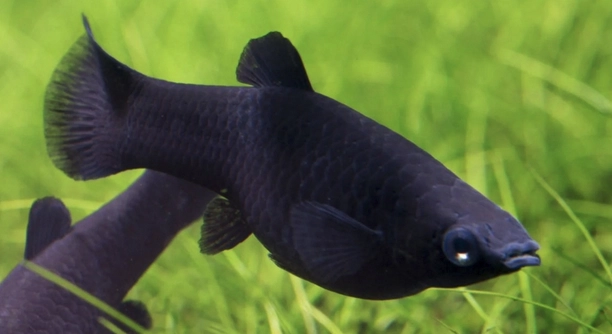
Black Mollies are popular aquarium fish, admired for their lively personalities and striking colors. Observing them swim upside down can be alarming, especially when you are used to seeing them glide gracefully through the water.
Swimming upside down in Black Mollies is most commonly caused by swim bladder issues, water quality problems, or sudden environmental changes. Maintaining proper water parameters, a balanced diet, and avoiding stressors are essential for preventing and correcting this behavior.
Recognizing the reasons behind this unusual swimming can help you restore your fish’s health and maintain a peaceful aquarium environment.
Common Causes of Upside-Down Swimming
Seeing a Black Molly swim upside down is usually linked to a problem with its swim bladder, an organ that helps control buoyancy. Overfeeding can cause the swim bladder to become compressed, leading to difficulty maintaining balance. Water quality also plays a significant role. High ammonia, nitrite, or nitrate levels can stress fish and affect their internal organs, including the swim bladder. Sudden changes in temperature or pH can similarly disrupt their equilibrium. Sometimes, infections or parasites may affect the digestive tract or swim bladder, causing abnormal swimming. Even diet can contribute; feeding foods that expand in water, like dried flakes without soaking, may increase the risk. Observing your fish carefully and noting any changes in behavior can help identify the underlying cause before it worsens. Addressing these issues promptly ensures a healthier, calmer tank environment. Proper filtration, regular water testing, and maintaining a stable feeding schedule are key preventive steps.
Upside-down swimming is rarely permanent if addressed quickly. Correcting water conditions and diet often resolves the issue within days.
Monitoring tank conditions daily and adjusting feeding habits can prevent recurring problems. A consistent care routine keeps your Mollies healthy.
Water Quality and Diet
Maintaining clean water is critical. Frequent partial water changes, proper filtration, and avoiding overcrowding reduce stress on Black Mollies, helping them swim normally.
A balanced diet prevents digestive issues that can affect buoyancy. Providing high-quality foods, soaking dry flakes, and avoiding overfeeding are essential. Vegetable matter like blanched spinach or peas supports digestion. Feeding small portions multiple times a day rather than one large meal helps prevent swim bladder compression. Observing your Mollies’ eating patterns can alert you to potential issues before swimming problems appear. Water parameters like pH between 7.0 and 8.0, stable temperature around 75–80°F, and low ammonia levels are particularly important. Fish with proper nutrition and a stable environment exhibit less stress and maintain better buoyancy. If a fish continues to swim upside down despite care adjustments, consulting a veterinarian experienced in aquatic health is advised. Proactive attention to diet and tank maintenance ensures your Mollies remain active, balanced, and vibrant over time.
Stress and Environmental Factors
Stress can significantly affect Black Mollies, causing upside-down swimming. Sudden loud noises, overcrowding, or aggressive tank mates may trigger erratic behavior. Consistent care and a calm environment are vital to prevent this.
Black Mollies are sensitive to changes in their environment. Rapid temperature fluctuations, inconsistent lighting, or sudden pH shifts can disrupt their balance and lead to unusual swimming patterns. Stress weakens the immune system, making them more susceptible to swim bladder issues or infections. Even small adjustments, like rearranging tank decorations too frequently, may create temporary disorientation. Observing your Mollies’ interactions and minimizing disturbances helps maintain stability. Providing hiding spots and adequate swimming space reduces tension and encourages normal behavior. Regular monitoring ensures issues are caught early, allowing simple corrections before serious problems develop.
Introducing new fish or altering the tank setup without gradual acclimation can also trigger stress. Slow adjustments, quarantine for new arrivals, and maintaining stable water parameters help Mollies adapt comfortably and maintain healthy swimming patterns.
Infection and Disease
Bacterial or parasitic infections can impair a Black Molly’s swim bladder, resulting in upside-down swimming. Early detection is crucial to prevent severe complications.
Common infections, such as bacterial dropsy or internal parasites, can directly affect the swim bladder or digestive system. Signs include bloating, lethargy, loss of appetite, and abnormal swimming. Treating infections promptly with appropriate medications is necessary to restore health. Isolation of affected fish prevents spreading pathogens to other tank mates. Maintaining strict tank hygiene, avoiding contaminated food, and monitoring water parameters can reduce the likelihood of infections. Observing for early warning signs allows intervention before the problem escalates.
Preventing disease relies on consistent care. Quarantining new fish, cleaning tanks regularly, and maintaining proper diet and water conditions strengthen immunity. Immediate treatment of minor issues ensures Mollies recover quickly.
Overfeeding and Digestive Issues
Overfeeding Black Mollies can cause bloating and swim bladder problems. Feeding small portions and avoiding excessive treats helps maintain normal buoyancy.
Uneaten food can decay in the tank, affecting water quality. Controlling feeding amounts reduces digestive stress and prevents upside-down swimming.
Temperature Fluctuations
Rapid changes in water temperature can disorient Mollies and impact their swim bladder. Keeping a stable temperature between 75–80°F ensures proper buoyancy and overall health.
Tank Size and Space
A cramped tank limits swimming and increases stress, contributing to upside-down swimming. Providing adequate space and hiding spots promotes natural movement.
Observation and Early Intervention
Careful observation of your Mollies’ behavior allows early detection of issues. Acting quickly helps correct minor problems before they become serious.
FAQ
Why is my Black Molly swimming upside down suddenly?
Sudden upside-down swimming is often linked to swim bladder issues, water quality problems, or stress. Check water parameters for ammonia, nitrites, and nitrates. Observe temperature stability and feeding habits. Sudden changes in diet or tank environment can temporarily disrupt balance, so gradual adjustments are important.
Can overfeeding cause my Molly to swim upside down?
Yes, overfeeding is a common cause. Excess food can lead to bloating, compressing the swim bladder. Feeding small, frequent portions and soaking dry flakes before feeding can prevent digestive issues and maintain proper buoyancy. Avoid giving high-fat or low-quality foods that expand rapidly in water.
Could water quality be affecting my Black Molly?
Absolutely. High ammonia or nitrate levels, sudden pH changes, and inconsistent filtration can stress fish and interfere with swim bladder function. Regular water changes, testing, and proper filtration help maintain a stable environment, keeping your Mollies balanced and healthy.
Do temperature changes impact swimming behavior?
Yes, Black Mollies are sensitive to temperature fluctuations. Rapid drops or spikes can disorient them and affect buoyancy. Maintaining a stable temperature between 75–80°F with a reliable heater and thermometer helps prevent upside-down swimming and supports overall health.
Are infections responsible for upside-down swimming?
Bacterial infections, internal parasites, and other illnesses can affect the swim bladder or digestive system. Signs include bloating, lethargy, and loss of appetite. Prompt treatment, isolation of affected fish, and tank hygiene are essential to stop the spread and restore normal swimming.
How can I prevent this behavior in the future?
Consistent care is key. Feed small portions, monitor water quality, maintain stable temperatures, and avoid overcrowding. Regular observation of behavior allows early intervention. Quarantining new fish and cleaning the tank properly reduce stress and risk of infection, supporting long-term health and buoyancy.
Is this condition permanent?
Upside-down swimming is usually reversible if addressed quickly. Correcting water parameters, feeding habits, and stress factors often resolves the issue. Persistent symptoms may indicate a more serious infection or swim bladder damage, in which case veterinary advice is recommended.
Can stress from tank mates cause my Molly to swim upside down?
Yes, aggressive or overly active tank mates can create stress, disrupting balance. Providing hiding spots, sufficient space, and compatible companions reduces tension and helps Mollies swim normally. Monitoring interactions and adjusting the environment is crucial for a stable tank community.
Should I isolate my fish if it swims upside down?
Isolation is helpful if the fish shows severe symptoms or if infection is suspected. A separate quarantine tank allows targeted treatment and prevents the spread of potential pathogens. Ensure the quarantine tank has stable water conditions and minimal stressors.
What immediate actions can I take to help my Molly?
Stop overfeeding, check water quality, stabilize temperature, and observe for infection signs. Providing peas or easily digestible food can relieve minor digestive issues. Adjust tank environment gradually, offering hiding spots and calm conditions. Early attention increases the chance of full recovery and normal swimming behavior.
How long does it take for a Molly to recover?
Recovery time varies depending on the cause. Minor swim bladder or digestive issues may improve within a few days. Stress-related swimming can normalize quickly with environmental adjustments. Infection-related problems may take longer and require proper medication and consistent care to restore health fully.
Are there foods that can worsen swim bladder problems?
Dry flakes that expand too much, high-fat foods, or low-quality pellets can aggravate the swim bladder. Vegetables like blanched peas, zucchini, or spinach support digestion and reduce bloating, helping the fish regain normal buoyancy. Rotate foods for balanced nutrition.
Can tank size influence upside-down swimming?
Yes, a small or overcrowded tank restricts movement and increases stress, contributing to abnormal swimming. Providing at least 20 gallons for a small group of Mollies with open swimming areas and hiding spots promotes proper exercise and balance.
Is it normal for Mollies to occasionally float upside down?
Occasional brief flips or tilts can happen due to minor water currents or exploration. However, consistent upside-down swimming indicates an underlying problem that requires attention to prevent long-term health issues. Monitoring patterns helps distinguish normal behavior from signs of illness.
Can stress from frequent tank rearrangement affect swimming?
Yes, frequent changes in decorations, plants, or lighting can temporarily disorient Mollies. Gradual adjustments and stable placement of tank features help maintain their comfort and reduce risk of swim bladder disruption.
Should I consult a veterinarian for persistent issues?
If swimming problems continue despite proper care, or if other symptoms like bloating, lethargy, or loss of appetite appear, consulting a vet experienced in aquatic health is advised. Early professional guidance can prevent complications and ensure recovery.
Does age affect swim bladder issues in Mollies?
Older fish may be more prone to swim bladder disorders due to organ degeneration or chronic stress. Younger fish can also be affected by overfeeding or infections. Maintaining consistent care throughout their lifespan helps minimize risks.
Can sudden light changes impact my Mollies’ swimming?
Yes, abrupt light changes can startle fish, causing temporary upside-down swimming. Gradual lighting transitions or using timers helps maintain stability and reduces stress-related swimming disruptions.
Are there home remedies for swim bladder issues?
For mild cases caused by overfeeding or constipation, feeding peas or lightly cooked vegetables can help. Adjusting feeding routines, water quality, and tank environment often resolves minor problems. Persistent or severe cases require professional treatment.
How do I know if the swim bladder is permanently damaged?
Persistent upside-down swimming despite proper care, medication, and environmental adjustments may indicate permanent damage. In such cases, supportive care can improve comfort, but full recovery might not be possible. Continuous observation ensures the fish remains healthy as possible.
Can water hardness affect Mollies’ buoyancy?
Yes, extreme water hardness or sudden changes in hardness can stress fish and contribute to swim bladder problems. Maintaining moderate hardness levels with gradual adjustments supports overall health and normal swimming behavior.
How often should I test water to prevent problems?
Regular water testing, at least once a week for ammonia, nitrites, nitrates, pH, and temperature, helps prevent conditions that lead to upside-down swimming. Early detection allows timely corrections before issues affect health or behavior.
What signs indicate recovery from upside-down swimming?
Restored normal swimming, active movement, consistent appetite, and absence of bloating are strong indicators. Continued observation ensures sustained health and confirms that the underlying problem has been resolved.
Can stress from overcrowding be the main factor?
Overcrowding reduces swimming space and increases aggression, leading to stress-induced buoyancy problems. Providing sufficient tank space, compatible companions, and hiding areas minimizes stress and helps maintain proper swimming.
Are there medications safe for swim bladder issues?
Medications for bacterial infections or parasites may be necessary, but only under guidance. Using the correct treatment prevents complications and supports recovery. Avoid overmedicating, as this can further stress fish or disrupt tank balance.
How do I differentiate between swim bladder issues and infection?
Swim bladder problems usually show bloating or floating issues without other symptoms. Infection often includes lethargy, loss of appetite, discoloration, or visible sores. Close observation and knowledge of behavior patterns help identify the correct cause.
Is it normal for Mollies to rest upside down occasionally?
Occasional resting at unusual angles can happen briefly, but persistent upside-down swimming signals an underlying problem. Consistent abnormal positions require investigation into diet, water quality, stress, or disease.
Can adding aquarium plants help reduce stress?
Yes, live plants provide hiding spots and reduce stress by creating a comfortable environment. They also help maintain water quality by absorbing excess nutrients, indirectly supporting normal swimming behavior.
How long should I quarantine new fish to prevent infections?
A minimum of two weeks in a separate tank is recommended. Observing for signs of disease and maintaining stable water conditions ensures new arrivals do not introduce pathogens to the main tank.
Do all Black Mollies react the same way to stress?
Individual temperament varies. Some may become lethargic, while others display upside-down swimming or darting behavior. Understanding each fish’s patterns helps identify stress factors early and adjust care accordingly.
Are certain foods better for preventing swim bladder issues?
High-quality flakes, pellets, and occasional blanched vegetables like peas or spinach support digestion and buoyancy. Avoid foods that expand excessively in water or are difficult to digest. Rotating food types ensures balanced nutrition and reduces risk.
How can I make small adjustments in the tank without stressing Mollies?
Move decorations gradually, introduce new tank mates slowly, and maintain consistent lighting and temperature. Minimizing sudden changes keeps Mollies comfortable and reduces the chance of abnormal swimming.
What is the role of tank filtration in preventing upside-down swimming?
Proper filtration maintains clean water, removes toxins, and stabilizes environmental conditions. Consistent filtration reduces stress, supports organ function, and helps prevent swim bladder problems caused by poor water quality.
Can swimming patterns indicate early signs of illness?
Yes, abnormal swimming like floating, tilting, or upside-down movement often signals stress, infection, or digestive issues. Early observation allows quick intervention to prevent escalation.
Do younger Mollies recover faster than older ones?
Generally, younger fish have a stronger resilience and faster recovery. Older fish may take longer due to weaker immunity or pre-existing conditions, requiring consistent care and observation for full recovery.
Can adding salt to the water help with swim bladder problems?
Mild aquarium salt may support minor swim bladder or stress-related issues by improving gill function and reducing osmotic stress. Use cautiously and follow recommended dosages for Mollies to avoid harm.
Are swim bladder issues common in Black Mollies?
Yes, they are relatively common due to diet, stress, or environmental sensitivity. Preventive care, proper feeding, and stable conditions reduce the likelihood of recurring problems.
How important is consistency in feeding schedules?
Very important. Irregular feeding can lead to digestive issues and swim bladder stress. Feeding small, frequent portions supports normal digestion and helps maintain balanced buoyancy.
Can introducing new tank mates gradually prevent upside-down swimming?
Yes, slow introduction reduces stress and allows Mollies to adapt. Sudden interactions with unfamiliar fish can trigger fear or aggression, which may lead to buoyancy problems or erratic swimming.
What role does observation play in maintaining healthy Mollies?
Regular observation helps identify early signs of stress, disease, or environmental problems. Timely intervention ensures minor issues do not escalate, supporting consistent health and normal swimming behavior.
Is it necessary to adjust the tank environment seasonally?
Adjustments should be minimal. Seasonal changes in room temperature or lighting may affect water stability. Monitoring and maintaining consistent conditions prevent stress and swimming disruptions.
Can swim bladder issues be completely prevented?
While not entirely preventable, careful feeding, stable water conditions, proper tank size, and minimal stress significantly reduce the risk. Early detection and quick corrective actions improve long-term health outcomes.
How do I track improvements in swimming behavior?
Observe and note swimming patterns, activity levels, appetite, and interaction with tank mates daily. Gradual improvement in normal movement and buoyancy indicates recovery and effectiveness of care measures.
Is it safe to keep a Molly with swim bladder problems in a community tank?
Yes, if the fish is not contagious and stress is minimized. Avoid aggressive tank mates, provide hiding spaces, and monitor interactions to prevent further complications.
Can swim bladder issues recur after recovery?
Yes, recurrence is possible if underlying causes like diet, water quality, or stress are not addressed. Consistent preventive care reduces the likelihood of repeated episodes.
Are there signs that indicate permanent swim bladder damage?
Persistent upside-down swimming, lack of improvement with proper care, and chronic bloating suggest potential permanent damage. Supportive care can improve comfort, but full recovery may not be achievable.
Does tank lighting affect swimming behavior?
Gradual and consistent lighting helps maintain normal circadian rhythms and reduces stress-induced swimming problems. Sudden changes or overly bright light may temporarily disorient Mollies.
Can frequent handling or tank maintenance cause stress?
Yes, excessive handling or disruptive maintenance can increase stress, temporarily affecting swimming. Performing tasks calmly and minimizing disturbances helps maintain stability.
How do I differentiate between mild and serious swim bladder issues?
Mild issues may resolve with diet or minor environment adjustments. Serious cases involve persistent upside-down swimming, bloating, lethargy, or loss of appetite, requiring medical attention or more intensive care.
Is there a link between water hardness and swim bladder health?
Extreme hardness or sudden changes in hardness can stress Mollies and affect buoyancy. Maintaining moderate, stable hardness supports organ function and swimming stability.
How long should I monitor a fish after treatment?
Continue observation for at least a week after symptoms improve. Ensuring normal behavior and appetite confirms recovery and helps catch potential relapses early.
Can I use probiotics to support digestive health in Mollies?
Yes, probiotics can aid digestion and reduce the risk of constipation-related swim bladder problems. Use products specifically formulated for fish and follow recommended guidelines.
Are live foods beneficial for swim bladder issues?
Live foods can provide balanced nutrition and improve digestion. Feeding sparingly and choosing appropriate options helps avoid overfeeding and supports normal buoyancy.
Can tank placement affect swimming behavior?
Yes, tanks placed near high-traffic areas or vibrations may stress fish. A calm, stable location reduces erratic swimming and helps maintain normal buoyancy.
Is upside-down swimming more common in some Mollies than others?
Individual variation exists. Some Mollies are more sensitive to environmental changes or diet, making them more prone to swim bladder issues. Consistent care helps all fish remain healthy.
How do I maintain long-term prevention?
Stable water conditions, proper diet, regular monitoring, gradual environmental changes, and attention to stress factors are essential. Combining these practices reduces risk and promotes consistent health and normal swimming patterns.
Can minor swim bladder issues resolve without intervention?
Sometimes mild cases correct themselves with time if stressors are minimal and feeding is adjusted. However, proactive observation and care speed recovery and prevent escalation.
What is the most important factor in preventing upside-down swimming?
Consistency in care, including feeding, water quality, temperature, and stress reduction, is the key factor. Regular observation ensures any issues are addressed before serious effects occur.
Are certain water additives harmful to Mollies with swim bladder issues?
Some medications, conditioners, or treatments can worsen stress or disrupt buoyancy. Always follow guidelines, use approved products, and avoid over-treatment.
Can swim bladder issues affect reproduction?
Severe or chronic issues may reduce activity and energy, impacting mating behaviors. Maintaining health and stable conditions helps ensure normal reproductive functions.
How do I know if my adjustments are working?
Improved swimming posture, active movement, normal appetite, and interaction with tank mates indicate successful interventions. Continuous monitoring confirms recovery progress.
Can a change in tank mates help a stressed Molly?
Yes, replacing aggressive or incompatible fish with calmer companions reduces stress and supports normal swimming. Gradual introduction and observation are essential.
Is feeding frozen or live foods better than flakes for swim bladder health?
Frozen or live foods may improve digestion, but overfeeding must be avoided. Flakes work well if portioned correctly. Variety ensures balanced nutrition and reduces bloating risks.
How do I know when to stop intervention?
Once normal swimming, appetite, and activity are consistently restored, intensive interventions can be reduced. Regular monitoring ensures the fish remains healthy without constant adjustments.
Are there any signs of permanent distress to watch for?
Persistent upside-down swimming, chronic bloating, or low activity despite proper care may indicate permanent damage. Supportive care can maintain comfort and quality of life.
Can water circulation affect swim bladder issues?
Strong or uneven currents can temporarily disorient Mollies, especially if they are already stressed or recovering. Gentle, consistent flow supports normal swimming and reduces strain on the swim bladder.
Is a consistent lighting schedule important?
Yes, maintaining a predictable light-dark cycle helps reduce stress and supports normal behavior. Sudden or erratic lighting changes can contribute to temporary upside-down swimming.
How do I identify minor swim bladder problems early?
Look for slight tilting, irregular swimming patterns, reduced activity, or mild bloating. Early detection allows adjustments in diet, water quality, or environment to prevent escalation.
Can swim bladder issues cause long-term health problems?
If unresolved, chronic swim bladder issues can lead to stress, weakened immunity, and susceptibility to infections. Prompt care minimizes long-term effects and supports overall health.
Do all Black Mollies respond the same way to treatment?
Responses vary by age, temperament, and underlying causes. Monitoring individual progress ensures interventions are effective and tailored to each fish’s needs.
Can tank enrichment help prevent swimming problems?
Yes, providing hiding spots, open swimming areas, and stable décor reduces stress and supports natural behavior, minimizing swim bladder disturbances.
Is observation more important than medication for mild cases?
Often, yes. Correcting diet, water quality, and stress factors can resolve minor issues without medication. Medication is reserved for infection or persistent problems.
Can swimming patterns indicate overall health?
Absolutely. Normal swimming reflects proper buoyancy, energy levels, and organ function. Changes in patterns often signal stress, illness, or digestive problems.
Are juvenile Mollies more prone to swim bladder problems?
Juveniles can be sensitive to overfeeding, diet changes, or rapid growth, making them susceptible. Careful feeding and stable conditions reduce risks.
How do I prevent recurrence after recovery?
Maintain consistent feeding, monitor water quality, avoid sudden environmental changes, and reduce stress factors. Regular observation ensures any early signs are addressed promptly.
Is it safe to mix Mollies with other species during recovery?
Yes, if tank mates are calm and compatible. Avoid aggressive or overly active species that may stress recovering fish. Monitor interactions closely.
Can using a quarantine tank improve recovery outcomes?
Isolation allows focused care, reduces stress, and prevents disease spread. Proper water quality and minimal disturbances improve chances of a full recovery.
How important is tank cleanliness in preventing issues?
Very important. Clean water reduces toxins, stress, and risk of infection. Regular maintenance supports swim bladder health and overall fish wellbeing.
Are there any behavioral signs that indicate improvement?
Swimming upright, exploring the tank, normal feeding, and active interaction with companions are clear signs that your Mollies are recovering.
Can diet alone fix upside-down swimming?
For minor digestive-related cases, adjusting diet can resolve the issue. However, swim bladder problems caused by infection, stress, or environmental factors require additional interventions.
Do Mollies need rest periods to recover from swim bladder stress?
Yes, providing quiet areas with minimal disturbance allows recovery. Hiding spots and gentle currents help fish regain energy and stabilize swimming.
How can I track progress effectively?
Note swimming behavior, appetite, activity, and response to environment
Black Mollies are sensitive fish, and observing them swim upside down can be concerning. This behavior is often a sign that something in their environment, diet, or health is off balance. Maintaining a clean and stable tank is essential, as water quality directly affects buoyancy and overall wellbeing. Regular testing for ammonia, nitrites, nitrates, pH, and temperature helps ensure that conditions remain optimal. Small fluctuations can stress fish, making them more prone to swim bladder problems and abnormal swimming patterns. Consistent care is key, including proper filtration, appropriate tank size, and adequate swimming space. Overcrowding or aggressive tank mates can also increase stress levels, so arranging a compatible and calm community contributes significantly to preventing upside-down swimming. By keeping a steady routine and monitoring behavior daily, you create an environment that allows Black Mollies to thrive and maintain normal swimming patterns.
Diet plays a crucial role in supporting swim bladder health and preventing digestive issues. Overfeeding or feeding inappropriate foods can lead to bloating, constipation, and swim bladder compression. Providing high-quality flakes or pellets in small portions multiple times a day helps prevent these problems. Adding vegetables like blanched peas or zucchini improves digestion and reduces stress on the swim bladder. Soaking dry foods before feeding prevents rapid expansion in the stomach, which can cause temporary buoyancy issues. Observing feeding habits and making adjustments based on how your fish respond helps maintain balanced nutrition and prevents recurring problems. A varied diet, paired with proper feeding practices, strengthens their digestive system and supports healthy growth. It also reduces the risk of secondary issues like infections that may further affect swimming ability. Thoughtful attention to diet ensures Mollies remain active, healthy, and upright in the water.
Addressing upside-down swimming requires observation, patience, and timely intervention. Minor issues caused by diet or environmental factors can often be corrected quickly through small adjustments. More serious conditions, such as bacterial infections, parasites, or chronic swim bladder damage, may require isolation, medication, or professional guidance. Early detection is critical, as persistent problems can affect energy, appetite, and overall health. By monitoring your Mollies’ behavior, maintaining stable water conditions, providing a balanced diet, and minimizing stress, you can often prevent serious complications. Creating a supportive tank environment, with hiding spots and gentle water flow, helps fish recover and maintain stability. With consistent care and attention, most Black Mollies can regain normal swimming behavior and continue to thrive in their aquarium. Focusing on preventive measures and prompt responses to signs of stress or illness ensures the long-term wellbeing of your fish, giving them a healthy, balanced, and comfortable life in the tank.

Hello,
If you enjoy the content that we create, please consider saying a "Thank You!" by leaving a tip.
Every little bit helps us continue crafting quality advice that supports the health, happiness, and well-being of pets around the world, for pets of all shapes, sizes, and species.
We really appreciate the kindness and support that you show us!