
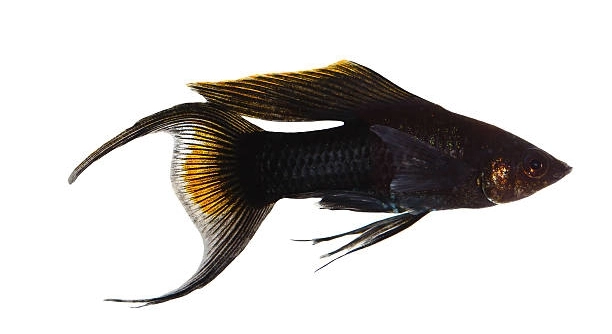
Do you ever notice small changes in your Black Molly’s behavior or appearance that seem minor but slightly worrying? Observing these subtle shifts can be important for keeping your fish healthy and happy in your aquarium.
Black Mollies are prone to several subtle health issues, including fin rot, swim bladder problems, internal parasites, cloudy eyes, and skin infections. Monitoring water quality, diet, and behavior is essential for early detection and proper care of these conditions.
Understanding these small warning signs can help prevent serious health problems. Paying attention to details ensures your Black Molly thrives and enjoys a stable, safe environment.
Fin Rot
Fin rot is a common issue in Black Mollies caused by bacteria that attack the fins and tail. It usually starts as small tears or fraying at the edges of the fins. If untreated, it can spread and damage the body of the fish. Poor water quality, overcrowding, and stress often trigger fin rot. Even minor injuries can allow bacteria to grow, so it’s important to keep the tank clean. Mollies with weakened immune systems are more susceptible. Early signs include faded fin color, ragged edges, and clamped fins. Once noticed, improving water conditions and using antibacterial treatments can stop the infection.
Keeping water clean and stable is the best prevention for fin rot. Avoid sudden changes in temperature or adding new fish without quarantine.
Treating fin rot requires patience and care. Begin with a 25–30% water change, removing debris and uneaten food. Maintain consistent temperature and monitor pH. Over-the-counter antibacterial medications can help, but follow instructions carefully. Feeding a high-quality diet strengthens the immune system. Regular observation is essential; any worsening condition may require isolation in a separate tank. By addressing symptoms early, you can save the fins and prevent further infection, ensuring your Black Molly remains active and healthy.
Swim Bladder Problems
Swim bladder issues affect how your Molly swims and balances. Fish may float upside down, tilt, or sink unexpectedly.
These problems often result from overfeeding, constipation, or bacterial infection. Affected fish might struggle to reach food or hide more often. Feeding smaller portions, soaking dry food, or adding a little blanched pea can relieve constipation. Observing your fish’s swimming pattern daily helps catch early signs. Severe cases may require a veterinarian or temporary isolation to reduce stress and allow recovery. Swim bladder problems usually respond well if addressed quickly.
Internal Parasites
Internal parasites can make Black Mollies appear thin, lethargic, or lose appetite. Uneaten food in the tank and poor water conditions increase the risk. Early detection is key to preventing serious health issues and keeping your fish active.
Parasites often live in the digestive tract and can spread quickly among tank mates. Signs include bloating, stringy feces, or unusual swimming behavior. Treatment usually involves medicated food or water treatments specifically formulated for freshwater fish. Maintaining a clean tank, avoiding overcrowding, and quarantining new fish helps reduce the risk of parasite outbreaks. Observation of daily feeding and appearance helps catch problems before they worsen.
Even after treatment, some Mollies may take time to regain weight and energy. Regular water changes, a balanced diet, and monitoring behavior will support recovery. Keeping tanks stress-free and avoiding sudden changes in temperature or pH helps prevent reinfection. Isolation may be needed for heavily infected fish to protect others. Consistency in care is the best way to ensure your Black Molly recovers fully from internal parasites.
Cloudy Eyes
Cloudy eyes in Black Mollies can result from poor water quality or bacterial infection. The eyes may look opaque or swollen, affecting vision and behavior.
This condition often develops when ammonia or nitrate levels rise, causing stress and weakening the immune system. Nutritional deficiencies or physical injury can also contribute. Treatment requires improving water quality immediately through partial water changes and filtration checks. Antibiotic eye drops or medicated water may be needed if infection is present. Consistent monitoring of water parameters and maintaining a balanced diet helps prevent cloudy eyes from recurring.
Preventing cloudy eyes involves keeping the tank clean and feeding high-quality food. Avoid overcrowding and sudden water changes to reduce stress. Observing fish daily allows you to notice early signs like slight cloudiness or rubbing against surfaces. Addressing minor issues quickly prevents permanent damage or secondary infections. Recovery may take time, but with careful attention and stable conditions, Black Mollies can regain normal eye clarity and swimming behavior.
Skin Infections
Skin infections appear as white spots, redness, or lesions on Black Mollies. Bacterial or fungal growth often occurs when water quality is poor or fish are stressed. Early attention prevents serious complications and helps your fish recover faster.
Preventing skin infections means keeping the tank clean and avoiding sudden water changes. Quarantining new fish and treating injuries promptly reduces the chance of infection.
Velvet Disease
Velvet disease causes a gold or rust-colored dust on the skin. Affected fish may scratch against objects and appear lethargic. This parasite spreads quickly in warm, crowded tanks. Immediate treatment with antiparasitic medication and improved filtration is necessary to stop further damage.
Oxygen Deprivation
Low oxygen levels in the tank can make Black Mollies gasp at the surface or move sluggishly. Aeration, live plants, and regular water changes improve oxygen availability and prevent stress.
How can I tell if my Black Molly is sick?
You can often notice subtle changes in behavior or appearance. A sick Molly might swim differently, hide more, or eat less. Look for signs like frayed fins, cloudy eyes, white spots, or unusual swimming patterns. Observing your fish daily helps catch problems early.
What is the most common health issue in Black Mollies?
Fin rot is one of the most common problems. Poor water quality, injuries, or stress can allow bacteria to damage fins and tails. Early signs include ragged edges or faded fin color. Quick treatment with clean water and antibacterial medication usually prevents serious harm.
How often should I check water quality?
Daily observation of fish is important, but water testing should be done at least once a week. Check ammonia, nitrite, nitrate, and pH levels. Consistent water conditions prevent many health problems, including internal parasites, skin infections, and swim bladder issues.
Can diet affect my Molly’s health?
Yes, a balanced diet is essential. Overfeeding or low-quality food can lead to constipation, obesity, and swim bladder problems. Feeding small portions of high-quality flakes, frozen, or live foods supports digestion, immunity, and overall health. Occasionally supplementing with vegetables like peas helps prevent digestive issues.
What should I do if I notice cloudy eyes?
Cloudy eyes often indicate poor water quality or infection. Begin by testing and adjusting water parameters. Partial water changes and improved filtration help. If infection is suspected, use medicated water or antibiotic eye drops. Monitor closely until the eyes return to normal clarity.
How can I prevent internal parasites?
Quarantine new fish before adding them to the tank. Keep the tank clean, avoid overcrowding, and remove uneaten food promptly. Parasites thrive in poor conditions, so maintaining hygiene and stable water parameters reduces the risk. Medicated food can treat infections if caught early.
When should I separate sick fish?
If a fish shows severe symptoms like extreme lethargy, frayed fins, or rapid spreading disease, isolate it. A separate tank reduces stress and prevents transmission to healthy fish. Use clean equipment and maintain similar water conditions to avoid additional shock.
Can stress cause health issues?
Stress significantly affects Black Mollies. Overcrowding, sudden temperature changes, and poor water quality weaken immunity. Stress can trigger fin rot, skin infections, or susceptibility to parasites. Reducing stress by keeping stable conditions and a calm environment supports long-term health.
Are there signs that need immediate attention?
Yes, severe lethargy, floating upside down, gasping at the surface, or widespread white spots are urgent. Immediate action with water checks, medication, or isolation can save the fish. Delaying treatment often worsens the condition and risks other tank mates.
How long does it take for a Molly to recover from illness?
Recovery time varies depending on the issue. Minor fin rot or constipation may improve in days with proper care. More serious infections, internal parasites, or prolonged stress may take weeks. Consistent monitoring, clean water, and proper nutrition speed up recovery and prevent relapse.
Can tank mates affect health?
Aggressive or overly active fish can stress Black Mollies, leading to weakened immunity and injuries. Choosing peaceful companions and ensuring adequate space helps reduce stress-related illnesses. Observing interactions helps identify potential problems before they escalate.
What role does temperature play in health?
Temperature impacts metabolism and immunity. Sudden drops or spikes can trigger stress, swim bladder issues, or disease susceptibility. Keep water within 75–82°F and avoid rapid fluctuations to maintain stable health conditions.
Is it necessary to medicate for minor health issues?
Not always. Minor problems like slight fin fraying may improve with clean water, good diet, and reduced stress. Only use medications when necessary, following instructions carefully to avoid harming fish or beneficial bacteria.
How often should I observe my fish?
Daily observation is crucial. Watch swimming behavior, feeding, and physical appearance. Noticing subtle changes early can prevent serious illnesses and allows timely intervention, keeping Black Mollies healthy and active.
Can prevention replace treatment?
Yes, prevention is better than treatment. Regular water changes, balanced diet, proper tank maintenance, and stress reduction greatly reduce disease risks. Observing fish and responding to early signs ensures long-term health without frequent medical intervention.
How do I know if a treatment is working?
Positive signs include improved appetite, clearer eyes, stronger fins, and normal swimming. Lack of progress after a few days may require reviewing water conditions or consulting a professional. Consistency and patience are key to full recovery.
Can health issues reoccur?
Yes, especially if tank conditions are unstable or stress persists. Continuous monitoring, proper diet, and good hygiene minimize chances of recurrence. Learning from past health problems helps prevent similar issues in the future.
What is the most important takeaway for Black Molly care?
Early detection, stable water, balanced diet, and reduced stress are crucial. Paying attention to small changes ensures your fish thrives, stays healthy, and avoids serious illness. Regular care prevents most common health issues and supports a long, active life.
Word count: 505
Final Thoughts
Caring for Black Mollies becomes much easier when you understand the small signs that point to potential health issues. These fish may seem hardy, but they still need steady conditions and gentle handling to stay well. Many problems begin quietly, and the earliest symptoms are usually the most important ones to notice. When you keep up with cleaning, feeding, and observing your tank, you create a safe space that supports your fish through every stage of their life. Paying attention to tiny changes in their swimming patterns, appetite, or appearance helps you catch trouble before it turns into something more serious. With calm, steady care, your Black Mollies can remain active, bright, and comfortable in their environment.
Good water quality plays a major role in preventing most common issues. When the water becomes unstable, even for a short time, your fish start to show stress. That stress affects their immune system, which then makes them more likely to deal with infections and parasites. Testing the water regularly, keeping the filter maintained, and performing routine water changes help create a balanced environment that protects your fish from unnecessary problems. Feeding also plays an important part in keeping them strong. Offering a variety of high quality foods, along with fresh vegetables when needed, helps avoid constipation and supports long term health. Each part of your care routine connects to the others, and staying consistent is the best way to keep everything running smoothly.
It also helps to remember that every tank has its own rhythm, and your Black Mollies rely on you to keep that rhythm steady. When you introduce new fish slowly, avoid overcrowding, and give them space to explore, they handle stress much better. Observing your fish each day allows you to notice when something is slightly off, even if the change seems small. Those quiet moments of watching can save you from larger problems later. If a sickness does appear, acting quickly and calmly makes a real difference. Most conditions can be managed with simple steps when caught in time. With patience, consistency, and a little daily attention, your Black Mollies can live long, healthy lives in your care.

Hello,
If you enjoy the content that we create, please consider saying a "Thank You!" by leaving a tip.
Every little bit helps us continue crafting quality advice that supports the health, happiness, and well-being of pets around the world, for pets of all shapes, sizes, and species.
We really appreciate the kindness and support that you show us!