
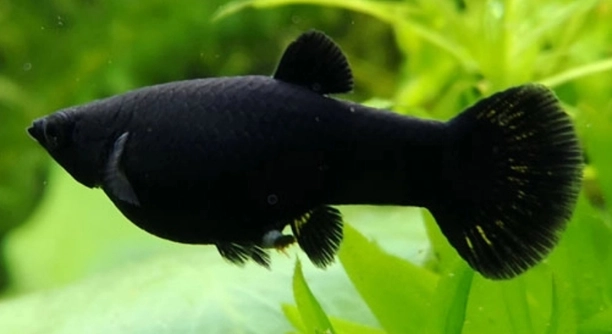
Keeping Black Mollies in a home aquarium can be a rewarding experience, but many beginners unintentionally create harmful conditions. Even small oversights in their tank setup can affect their health, behavior, and lifespan significantly over time.
Common mistakes in Black Molly tanks include improper water parameters, overcrowding, insufficient filtration, lack of hiding spaces, inconsistent feeding, poor tank cycling, and inadequate maintenance routines. Each of these factors can cause stress, disease, or premature death in the fish.
Recognizing these pitfalls early helps ensure your Black Mollies thrive and remain healthy in a safe, balanced environment. Proper care can make a noticeable difference in their daily wellbeing.
Overcrowding the Tank
Overcrowding is a common mistake in Black Molly care. These fish need space to swim freely and establish territories. A tank that is too small or filled with too many fish increases stress levels, reduces oxygen availability, and makes it difficult to maintain water quality. High stress can suppress their immune systems, leaving them prone to infections and stunted growth. Additionally, aggression can increase when space is limited, causing injury or constant chasing among the fish. For optimal health, aim for at least 10 gallons per adult Molly, and avoid mixing too many species that have different activity levels or social needs. Regularly monitor fish numbers, and remove or rehome excess individuals before the tank becomes chaotic. Ensuring proper spacing promotes natural behavior, reduces disease risk, and supports a peaceful, balanced environment where Black Mollies can thrive over time. Tank maintenance and observation are key to managing population effectively.
Overcrowding reduces water quality and stresses the fish, directly affecting their health and lifespan. Proper space is essential.
Maintaining a spacious tank encourages swimming, social interaction, and normal feeding behaviors. Fish are more active, less aggressive, and show vibrant colors when they are not cramped. Overcrowded tanks often lead to rapid waste accumulation, forcing more frequent water changes and making it harder to maintain stable parameters. It also increases the risk of disease spreading quickly among individuals. By controlling fish density, you create a balanced ecosystem that supports filtration and oxygen levels, reduces stress-related illnesses, and promotes a longer, healthier life for each Black Molly. Observing their interactions helps identify potential issues before they escalate, making daily care more manageable and effective.
Improper Water Parameters
Water parameters directly influence Black Mollies’ health and vitality. These fish thrive in slightly alkaline water with stable temperatures. Sudden changes in pH, hardness, or temperature can shock them, causing stress or illness.
Incorrect water conditions weaken immune systems, making fish more susceptible to disease. Monitoring is critical.
Maintaining stable parameters ensures that Mollies remain active and healthy. Ideal temperature ranges between 75-82°F, with pH around 7.5-8. Regular testing of water hardness and ammonia, nitrite, and nitrate levels helps prevent toxic buildup. Inconsistent water changes or ignoring filtration can lead to poor water quality, resulting in sluggishness, faded colors, or fin deterioration. Using a reliable thermometer and water testing kit allows you to detect subtle changes early and adjust accordingly. Consistency in temperature and chemistry is vital, as Black Mollies are sensitive to fluctuations. Gradual adjustments, when necessary, are safer than sudden shifts, supporting their immune system and natural behavior. Properly managed water keeps the tank environment stable, healthy, and supportive of long-term fish welfare.
Insufficient Filtration
A weak or poorly maintained filter cannot keep the tank clean, allowing harmful toxins to build up. This directly affects Black Mollies, causing stress, disease, and slower growth. Regular maintenance and choosing an appropriate filter are essential for a healthy aquarium environment.
Filtration removes waste, excess food, and harmful chemicals from the water. Without proper filtration, ammonia and nitrite levels can rise quickly, leading to gill damage, lethargy, and even death. Black Mollies produce a moderate amount of waste, so a filter rated for at least the tank’s volume is necessary. Mechanical, chemical, and biological filtration all play a role in maintaining clear, safe water. Cleaning or replacing filter media on schedule ensures efficiency and prevents blockages that reduce water flow.
Filters also help circulate water, distributing heat and oxygen evenly. Stagnant areas can form in tanks with inadequate filtration, promoting algae growth and bacterial hotspots. Strong water flow encourages natural swimming behavior and prevents debris accumulation. Choosing a filter that balances quiet operation with effective cleaning keeps the tank environment stable. Monitoring water parameters regularly ensures the filtration system is functioning properly, protecting fish from long-term stress and health issues.
Lack of Hiding Spaces
Black Mollies need areas to retreat when stressed or during molting periods. Without hiding spots, fish can become anxious, affecting their feeding and behavior. Plants, caves, or decorations provide comfort and reduce conflicts in the tank.
Providing hiding spaces improves fish confidence and reduces aggression. Black Mollies naturally seek shelter to feel secure, especially in community tanks. Without cover, timid individuals may hide poorly or stop eating altogether, impacting their health. Proper placement of plants and décor also prevents overcrowding and allows free swimming areas.
Hiding spaces contribute to a natural, stable environment. Live plants improve water quality and oxygenation while offering refuge. Rocks, driftwood, or aquarium decorations create diverse areas that fish can explore. This encourages natural behaviors, reduces stress-induced diseases, and promotes overall wellbeing. Fish feel more secure when they can choose when and where to retreat, leading to calmer, more active behavior. Balancing open swimming areas with adequate cover ensures a healthy, harmonious tank.
Inconsistent Feeding
Feeding Black Mollies irregularly or in improper amounts affects their health. Overfeeding causes poor water quality, while underfeeding can stunt growth and weaken the immune system. A consistent feeding schedule with measured portions is essential for their wellbeing.
Using high-quality flake or pellet food, supplemented with occasional vegetables, ensures balanced nutrition. Black Mollies benefit from small meals twice daily to prevent overeating and maintain water clarity.
Poor Tank Cycling
Starting a tank without proper cycling exposes Black Mollies to harmful ammonia and nitrite spikes. These toxins can damage gills, stress the fish, and lead to disease. Fully cycling a tank before introducing fish creates a safe, stable environment for long-term health.
Ignoring Water Changes
Neglecting regular water changes allows waste and toxins to accumulate. Even minor buildups affect fish health, growth, and activity levels, making routine maintenance crucial.
FAQ
What is the ideal tank size for Black Mollies?
A minimum of 20 gallons is recommended for a small group of Black Mollies. Each adult needs space to swim freely, avoid stress, and establish personal territory. Larger tanks are always better, especially if you plan to keep multiple fish or mix species. Proper spacing reduces aggression and maintains stable water conditions.
How often should I change the water?
Regular water changes are crucial for healthy Mollies. A 25-30% water change every week helps remove toxins, replenish minerals, and maintain stable water parameters. Smaller or less frequent changes can lead to ammonia buildup, cloudy water, and stressed fish. Using a siphon ensures debris is removed from the substrate without disturbing the tank too much.
What water parameters are best?
Black Mollies thrive in slightly alkaline water with a pH between 7.5 and 8.0. Temperature should stay around 75-82°F. Water hardness should be moderate to hard. Sudden changes in pH, temperature, or hardness can stress fish, weaken their immune systems, and make them more susceptible to disease. Regular testing is important.
What foods are suitable for Black Mollies?
A balanced diet is key for healthy Mollies. High-quality flake or pellet food forms the base, supplemented with blanched vegetables like zucchini or spinach. Occasionally offering live or frozen foods, such as brine shrimp or daphnia, provides protein and stimulates natural foraging behavior. Avoid overfeeding to maintain water quality.
Can Black Mollies live with other fish?
Yes, but careful selection is important. They do best with peaceful, similarly sized species. Avoid aggressive or overly territorial fish. Overcrowding or mixing incompatible species can stress Mollies, lead to injury, or reduce their lifespan. Monitor interactions regularly to ensure harmony in the tank.
How do I know if my Black Mollies are stressed?
Signs of stress include clamped fins, faded colors, reduced activity, or loss of appetite. Stress often results from poor water quality, overcrowding, improper feeding, or lack of hiding spaces. Addressing the root cause promptly prevents disease and helps fish regain normal behavior and vibrant coloration.
Why is filtration important for Black Mollies?
Effective filtration removes waste, maintains oxygen levels, and keeps water clear. Poor filtration leads to toxin buildup, unhealthy water conditions, and stress. Choose a filter appropriate for the tank size, and maintain it regularly. A combination of mechanical, biological, and chemical filtration ensures a stable environment.
What decorations or plants are best?
Live plants and decorations provide hiding spaces and reduce stress. Driftwood, rocks, and caves create natural retreats, while live plants improve oxygenation and water quality. Avoid overcrowding the tank with décor; balance open swimming areas with sheltered spots to support natural behavior.
How do I prevent diseases?
Preventing illness starts with a clean, well-maintained tank and proper nutrition. Quarantine new fish before introduction, avoid overfeeding, and maintain stable water parameters. Observing fish daily helps catch early signs of disease, allowing for timely intervention and treatment.
Can Black Mollies tolerate brackish water?
Yes, they can tolerate mildly brackish water. Adding a small amount of aquarium salt can help mimic their natural habitat and improve overall health. Gradually adjust salinity to avoid stress, and monitor water parameters carefully when using salt.
How many times a day should I feed them?
Feeding twice a day is generally sufficient. Small portions prevent overfeeding, which can pollute the water, and ensure all fish get enough nutrition. Remove uneaten food promptly to maintain water quality and prevent harmful bacterial growth.
Is it necessary to provide hiding spots?
Yes, hiding spots are essential for reducing stress. Black Mollies use them to feel secure, especially in community tanks. Plants, caves, and decorations create safe retreats that improve activity, feeding behavior, and overall health. Balance cover with open swimming areas for optimal wellbeing.
How do I acclimate new Black Mollies?
Float the bag in the tank for 15-20 minutes to match temperatures. Gradually add small amounts of tank water to the bag over 30-45 minutes before release. This reduces stress and prevents shock from sudden changes in water parameters. Always observe fish closely after introduction.
What is the best lighting for Black Mollies?
Moderate lighting works best. Too much light can stress fish and encourage algae growth, while too little affects plant health. A consistent day-night cycle supports natural behavior and feeding patterns. Adjust intensity and duration based on tank size and plant requirements.
How can I tell the difference between male and female Mollies?
Males are generally smaller with more colorful fins and a pointed anal fin called a gonopodium. Females are larger, have rounder bellies, and a triangular anal fin. Accurate identification helps manage breeding and population in the tank effectively.
How often should I clean the substrate?
Cleaning the substrate during water changes removes uneaten food and debris that can degrade water quality. Use a siphon to gently vacuum gravel or sand without disturbing the fish. Regular substrate maintenance prevents toxin buildup and supports overall tank health.
What temperature fluctuations are safe?
Keep temperatures stable between 75-82°F. Avoid sudden changes, which can stress fish and trigger illness. Use a reliable heater and thermometer to maintain consistent conditions. Gradual adjustments are safe, but sudden drops or spikes should be prevented at all costs.
Can Black Mollies live in a planted tank?
Yes, planted tanks are ideal. Live plants provide oxygen, hiding spaces, and natural filtration. They enhance water quality, reduce stress, and encourage natural behavior. Select hardy plants that tolerate the same temperature and water parameters as Mollies. Avoid overcrowding with dense foliage.
What signs indicate water quality problems?
Cloudy water, algae overgrowth, strong odors, and stressed fish indicate poor water quality. Regular testing for ammonia, nitrites, nitrates, and pH helps detect issues early. Prompt water changes, filter maintenance, and monitoring prevent long-term damage to Black Mollies.
How often should I test water parameters?
Test at least once a week to ensure stability. More frequent checks may be needed for new tanks, heavily stocked aquariums, or if fish show signs of stress. Keeping records helps track trends and prevent sudden fluctuations that harm the fish.
What is the lifespan of a Black Molly?
With proper care, Black Mollies typically live 3-5 years. Lifespan depends on water quality, nutrition, tank size, and stress levels. Maintaining consistent care and addressing common tank mistakes supports longer, healthier lives. Observing their behavior and appearance helps ensure ongoing wellbeing.
Can I breed Black Mollies at home?
Yes, they are livebearers and can breed easily in home aquariums. Provide adequate space, hiding spots for fry, and stable water conditions. Monitor adults to prevent them from eating the young, and ensure proper nutrition for both parents and fry.
How do I stop aggressive behavior?
Aggression often stems from overcrowding or lack of hiding spaces. Reduce the number of fish, provide more cover, and monitor social interactions. Separating particularly aggressive individuals can also restore balance and reduce stress for all tank inhabitants.
What equipment is essential for a Black Molly tank?
A proper filter, heater, thermometer, water testing kit, and lighting are essential. Decorations, plants, and substrate improve comfort and water quality. Maintaining this equipment ensures a stable environment, reducing stress and supporting long-term health.
How long should I acclimate new fish?
Acclimate for 30-45 minutes using gradual water introduction. Floating the bag and adding small amounts of tank water reduces shock. Proper acclimation prevents stress, supports immune function, and helps new Black Mollies adjust to their environment smoothly.
Can Black Mollies tolerate different water hardness levels?
They prefer moderate to hard water. Soft water can stress the fish, while extreme hardness may affect behavior and growth. Testing and adjusting water hardness ensures the tank matches their natural preferences. Stable conditions promote health, reproduction, and vibrant coloration.
How do I prevent fin damage?
Avoid sharp decorations, overcrowding, and aggressive tankmates. Maintaining good water quality and proper nutrition supports fin health. Regular observation allows early intervention if fins show signs of tearing or rot. Clean water and calm conditions reduce the risk of injury or disease.
Are Black Mollies sensitive to pH changes?
Yes, sudden pH shifts can cause stress and illness. Maintain slightly alkaline conditions between 7.5-8.0. Gradual adjustments are safer than abrupt changes, ensuring stable, healthy conditions that support growth, color, and overall wellbeing.
What should I do if a fish gets sick?
Isolate affected fish in a quarantine tank, test water parameters, and provide proper treatment. Early detection and intervention prevent disease spread and reduce stress for other tank inhabitants. Monitor recovery carefully and maintain optimal conditions.
How can I improve water circulation?
Proper filter placement, gentle water flow, and aeration enhance circulation. This distributes heat and oxygen evenly, prevents stagnant areas, and encourages natural swimming behavior. Good circulation supports filtration efficiency and overall tank health.
Is it necessary to use a heater?
Yes, a heater maintains stable temperatures between 75-82°F. Temperature fluctuations stress Black Mollies and weaken immunity. Using a reliable heater and thermometer ensures consistent conditions for healthy growth and active behavior.
What is the best substrate for Black Mollies?
Fine gravel or sand is ideal. It allows natural foraging, supports plant roots, and prevents debris buildup. Avoid sharp substrates that could injure fins. Regular cleaning maintains water quality and promotes a safe, comfortable environment.
Can Black Mollies adapt to new tanks quickly?
They adapt slowly if introduced without proper acclimation. Gradual water mixing, stable parameters, and stress reduction techniques help them adjust. Observation during the first days ensures they eat, swim normally, and settle safely into the new environment.
How do I maintain long-term tank stability?
Consistent water changes, monitoring parameters, proper feeding, and adequate filtration maintain stability. Balanced stocking, hiding spots, and plant coverage support health. Routine observation and maintenance prevent common mistakes, ensuring Black Mollies thrive for years.
Are live plants necessary for Black Mollies?
Not strictly, but live plants improve water quality, oxygenation, and provide hiding spaces. They enhance natural behavior, reduce stress, and make the tank more balanced. Artificial plants can be used but lack the water-quality benefits of live vegetation.
How can I prevent overfeeding?
Feed small portions twice daily and remove uneaten food after a few minutes. Overfeeding pollutes water, encourages algae growth, and can harm fish. Observing appetite and adjusting quantities helps maintain healthy, clean conditions.
What is the best way to introduce new fish?
Float the bag for temperature equalization and gradually add tank water. Release the fish gently after 30-45 minutes. Observe closely for stress, aggression, or illness to ensure a smooth transition and healthy integration.
How do I keep my Black Mollies active?
Provide open swimming space, proper water conditions, hiding spots, and balanced nutrition. Regular activity indicates good health, low stress, and a well-maintained environment. Monitor behavior daily to maintain engagement and vitality.
Can Black Mollies live in brackish conditions long-term?
Yes, mild brackish water supports health and coloration. Adjust salinity gradually, monitor fish behavior, and maintain water parameters. Extreme or sudden changes should be avoided to prevent stress or illness.
How do I know if my tank is balanced?
Stable water parameters, healthy fish, minimal algae growth, and clear water indicate balance. Proper filtration, adequate space, regular maintenance, and hiding spaces all contribute to a harmonious, healthy environment. Monitoring behavior confirms the tank supports wellbeing.
What should I do during a power outage?
Keep the tank covered to retain heat, avoid feeding, and manually aerate if necessary. Monitor temperature and oxygen levels, and resume normal maintenance once power returns. Stability is crucial to prevent stress during outages.
How often should I check fish behavior?
Daily observation is best. Healthy Mollies swim actively, eat well, and display vibrant colors. Early detection of unusual behavior, stress, or illness allows prompt action and prevents problems from worsening.
Are Black Mollies sensitive to lighting changes?
Yes, sudden changes can stress fish. Maintain a consistent light cycle with moderate intensity. Gradual adjustments prevent behavioral changes, improve plant health, and support normal activity and feeding patterns.
How do I manage algae growth?
Control lighting duration, avoid overfeeding, and maintain water quality. Introduce algae-eating species if appropriate, and clean decorations and glass regularly. Balanced tank care prevents excessive algae buildup while keeping the environment healthy.
Can Black Mollies tolerate community tanks?
Yes, with peaceful species of similar size. Avoid aggressive or territorial fish. Adequate space, hiding spots, and monitoring interactions reduce stress and prevent injuries, creating a calm and healthy community.
How long should I quarantine new fish?
Two to four weeks is recommended to observe for disease or parasites. Quarantine prevents introduction of pathogens, protects existing fish, and ensures new individuals adjust safely before entering the main tank.
What signs indicate poor nutrition?
Slow growth, faded color, lethargy, or fin deterioration signal dietary issues. Adjust feeding, provide varied foods, and ensure balanced nutrition to support health, immune function, and active behavior.
How do I prevent fin rot?
Maintain clean water, avoid aggressive tankmates, and provide proper nutrition. Observe fish regularly for early signs. Prompt action, such as water changes and treatment, prevents the condition from worsening and protects overall health.
Are Black Mollies sensitive to chlorine?
Yes, untreated tap water containing chlorine or chloramine is harmful. Always use a water conditioner to neutralize chemicals before adding water to the tank, protecting gills, skin, and overall wellbeing.
How do I maintain long-term fish health?
Regular feeding, water changes, filtration maintenance, stable parameters, and monitoring behavior ensure longevity. Providing hiding spots, balanced nutrition, and proper tank conditions prevents stress, disease, and promotes vibrant, active fish.
Can I mix male and female Mollies safely?
Yes, but monitor breeding behavior. Females may become stressed if harassed by multiple males. Providing hiding spots and space helps reduce aggression and supports healthy reproduction.
What equipment is optional but helpful?
Air pumps, water conditioners, plant fertilizers, and secondary filters improve water quality, oxygenation, and plant growth. These additions enhance stability and support a thriving environment for Black Mollies.
How can I tell if water quality is declining?
Cloudiness, foul odors, algae overgrowth, and fish stress indicate deterioration. Test parameters regularly and perform water changes promptly to prevent long-term issues and maintain a healthy tank environment.
Is it necessary to use a thermometer?
Yes, consistent temperature is crucial. Thermometers ensure water remains in the optimal 75-82°F range. Sudden drops or spikes can stress fish and reduce immunity, making a thermometer essential for monitoring.
What are the signs of successful acclimation?
Active swimming, regular feeding, and vibrant coloration indicate the fish have adjusted well to their new environment. Stress signs, lethargy, or hiding suggest the need for continued observation.
How do I support fry survival in a community tank?
Provide dense plants or breeding traps, maintain water quality, and separate adults if possible. Adequate hiding spaces reduce predation, allowing more fry to survive and grow.
How do I prevent overbreeding?
Separate males and females or limit their numbers. Too many fry can overcrowd the tank, reduce water quality, and stress adults. Monitoring population ensures balance and health.
Can I use artificial plants instead of live plants?
Yes, but they lack oxygenation and water-quality benefits. Artificial plants provide hiding spaces and decoration but do not contribute to filtration or nutrient absorption like live plants.
How do I avoid ammonia spikes?
Cycle the tank properly before adding fish, perform regular water changes, avoid overfeeding, and maintain filtration. Monitoring ammonia, nitrites, and nitrates prevents toxicity and supports healthy Mollies.
What behavior indicates boredom or stress?
Lethargy, hiding constantly, fin clamping, and loss of appetite suggest the tank is unengaging or stressful. Adjust decorations, swimming space, and water parameters to improve wellbeing.
How often should I clean the filter?
Monthly cleaning maintains efficiency without disturbing beneficial bacteria. Rinse filter media in tank water rather than tap water to preserve microbial populations essential for biological filtration.
Are Black Mollies compatible with saltwater species?
No, they are freshwater or mildly brackish fish. Mixing with saltwater species is harmful and incompatible with their environmental needs. Maintaining correct salinity prevents stress and health issues.
How do I reduce fin damage from tankmates?
Avoid aggressive fish, provide hiding spaces, and monitor interactions. Proper spacing and calm tankmates reduce chasing and nipping, preventing injury and promoting healthy fins.
Can Black Mollies live in low-light tanks?
Yes, but plants may struggle. Fish tolerate moderate lighting, but live plants need sufficient light for growth. Balancing lighting ensures both fish and plants thrive.
What is the best way to acclimate fry?
Introduce them slowly to tank water, provide hiding spaces, and feed finely crushed food. Gradual acclimation reduces stress and improves survival rates.
How do I maintain proper oxygen levels?
Use filtration, aeration, and live plants. Good circulation and avoiding overcrowding ensure adequate oxygen for all fish. Observing activity and behavior helps detect low oxygen early.
What is the best way to introduce new decorations?
Rinse thoroughly and place slowly to avoid shocking fish. Gradually adding items prevents stress and maintains territory balance.
How do I prevent algae overgrowth?
Maintain consistent lighting, avoid overfeeding, and perform regular water changes. Introduce algae-eating species if appropriate. Proper tank balance reduces excessive algae naturally.
Can Black Mollies live with goldfish?
No, goldfish produce more waste and prefer cooler water. Mixing species with different requirements can stress Mollies and degrade water quality.
How do I manage rapid population growth?
Separate fry, control breeding, and monitor tank space. Prevent overcrowding to maintain water quality, reduce stress, and ensure adult health.
Are Black Mollies sensitive to noise or vibrations?
Yes, excessive noise or vibrations can stress them. Place the tank in a calm area, away from constant disturbances. Stress impacts behavior, feeding, and immunity.
What signs indicate a well-maintained tank?
Clear water, active fish, vibrant coloration, minimal algae, and stable parameters indicate proper care. Consistent maintenance keeps the tank healthy and balanced.
How do I encourage natural behavior?
Provide open swimming space, hiding spots, balanced diet, and stable water. Observing fish daily helps adjust conditions to promote active, healthy behavior.
Can Black Mollies live with shrimp or snails?
Yes
Final Thoughts
Caring for Black Mollies requires attention to detail, patience, and consistency. Their health depends on a balanced environment where water quality, space, and nutrition are carefully maintained. Small oversights, such as overcrowding, inconsistent feeding, or improper water parameters, can have a significant impact over time. By understanding their needs and observing their behavior regularly, you can prevent stress and illness, giving your fish the best chance to thrive. Each component of the tank, from filtration to hiding spaces, plays an important role in creating a stable and safe habitat. Maintaining this balance ensures that the fish remain active, display vibrant colors, and exhibit natural behaviors, which are all signs of a healthy aquarium.
Regular maintenance is essential to keep the tank environment stable and suitable for Black Mollies. Water changes, substrate cleaning, and filter upkeep cannot be overlooked, as these tasks prevent the accumulation of harmful toxins and support long-term health. Feeding should be consistent and measured to avoid overfeeding, which can degrade water quality and cause digestive issues. Additionally, providing live plants, decorations, or caves adds comfort and reduces stress, offering fish a sense of security. Monitoring water parameters, including temperature, pH, and hardness, helps maintain conditions that match their natural preferences. These steps, while simple, are critical to avoiding common mistakes that can shorten the lifespan of the fish or diminish their overall wellbeing.
Ultimately, keeping Black Mollies healthy is a matter of combining proper planning, routine care, and attentive observation. Every tank setup has its own challenges, but understanding the common mistakes and taking preventive measures ensures a safer, more comfortable environment. Paying attention to fish behavior, providing adequate space, and maintaining water quality supports their natural tendencies and promotes a longer life. While there is some effort involved, the reward is a lively, thriving aquarium where Black Mollies display their full potential. Consistency, care, and awareness make all the difference in supporting their health and happiness over the years.

Hello,
If you enjoy the content that we create, please consider saying a "Thank You!" by leaving a tip.
Every little bit helps us continue crafting quality advice that supports the health, happiness, and well-being of pets around the world, for pets of all shapes, sizes, and species.
We really appreciate the kindness and support that you show us!