
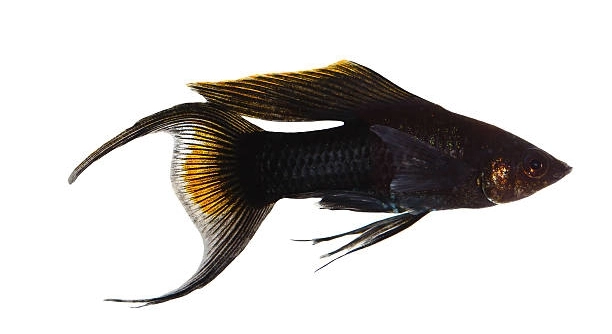
Black Mollies are popular freshwater fish admired for their striking appearance and peaceful nature. Many aquarists enjoy keeping them in home tanks, but temperature control often becomes a concern, especially in cooler rooms. Their adaptability is widely appreciated.
Black Mollies can survive in slightly cooler environments, but prolonged exposure to cold temperatures can stress them, slow metabolism, and increase susceptibility to disease. Optimal water temperatures between 72°F and 78°F support their growth, activity, and overall health in captivity.
Maintaining proper tank conditions ensures Black Mollies remain active and vibrant. Understanding how cold impacts their wellbeing can help aquarists create a stable and comfortable environment.
Understanding Black Mollies’ Temperature Needs
Black Mollies are tropical fish that thrive in warmer water, typically between 72°F and 78°F. Temperatures below this range can slow their metabolism and reduce activity levels. In colder rooms, water can drop gradually, which may lead to stress and weaken their immune systems. Stress in fish often manifests as faded coloration, less movement, and reduced appetite. Cold water also affects their digestion, making it harder for them to process food efficiently. Maintaining a consistent temperature is crucial to their health. Using a reliable aquarium heater and thermometer helps monitor and control the environment. Additionally, avoiding sudden temperature changes is important, as rapid shifts can shock Black Mollies and make them more prone to illness. Insulating the tank or relocating it away from drafty areas can prevent the water from cooling too much. A stable, warm environment ensures these fish remain active, healthy, and display their natural vibrant colors.
Keeping water temperature steady is more effective than reacting to changes after they occur. Consistency is key.
Proper temperature management not only supports physical health but also encourages natural behaviors in Black Mollies. When the water remains warm, they swim actively, interact with tank mates, and maintain their bright coloration. Cold stress can make them lethargic and reduce their immune response, increasing the risk of disease. Monitoring temperature daily allows timely adjustments and keeps the aquarium environment predictable. Using a heater with a thermostat ensures the water stays within a safe range. Placement of the tank also matters; avoid locations near windows or air conditioning vents that can cool the water. A combination of equipment, strategic placement, and regular observation provides the best conditions for Black Mollies to flourish. Investing attention into these details allows you to enjoy lively, healthy fish while preventing issues related to colder conditions.
Tips for Cold Room Management
Room temperature affects the aquarium more than many people realize. Small adjustments can make a big difference.
Heaters, insulation, and monitoring are essential when keeping Black Mollies in cooler spaces. Using a reliable thermometer and heater ensures water stays within safe limits. Positioning the tank away from drafts, doors, or air vents reduces temperature fluctuations. Adding floating plants or covers can help retain heat. Regularly checking the tank’s temperature at different times of day helps detect unexpected drops. Avoid placing the tank directly on cold floors, as this can lower the water temperature from below. A consistent environment not only protects the fish but also reduces stress-related behaviors. By combining these strategies, even rooms that tend to be cooler can support the health and vitality of Black Mollies. Maintaining this balance ensures your fish remain energetic, vibrant, and healthy.
Adjusting Diet in Cooler Conditions
Cold water slows Black Mollies’ metabolism, so feeding smaller, more frequent meals helps prevent digestive issues. Overfeeding can cause uneaten food to decay and affect water quality, stressing the fish further.
Reducing food portions during cooler periods ensures that fish can properly digest each meal. High-protein foods may be harder for them to process in lower temperatures, so incorporating easily digestible flakes or pellets is recommended. Observing their behavior and appetite allows timely adjustments. Uneaten food should be removed promptly to avoid ammonia spikes. Providing a balanced diet while accounting for temperature changes supports their immune system and keeps them energetic. Consistent feeding practices help maintain overall health even in cooler rooms.
Supplementing with occasional frozen or live foods can offer nutrients without overloading their system. Careful monitoring ensures they receive enough sustenance without compromising water quality. Adjusting diet gradually is safer than abrupt changes, reducing stress.
Monitoring Health Closely
Cold stress can weaken Black Mollies’ immune systems, making regular observation essential. Watch for lethargy, color fading, or abnormal swimming patterns.
Routine health checks are vital in cooler environments. Observing fish daily allows early detection of illness or stress-related changes. Check fins, gills, and overall body condition for signs of disease. Keeping water parameters stable, including temperature, pH, and ammonia levels, minimizes additional stress. Any sudden behavioral changes should prompt immediate adjustments to tank conditions or feeding routines. Stress indicators like hiding, reduced movement, or loss of appetite often precede illness. By monitoring closely, you can intervene quickly, ensuring fish remain healthy and active.
Combining visual checks with proper maintenance routines, such as cleaning filters and performing partial water changes, reinforces overall wellbeing. A proactive approach helps Black Mollies thrive despite cooler room temperatures.
Using Aquarium Heaters Effectively
A reliable heater keeps water temperature stable for Black Mollies in cooler rooms. Set it to maintain a range between 72°F and 78°F. Avoid sudden temperature changes, as they can stress the fish.
Position the heater where water circulation spreads heat evenly. Test the water with a thermometer to ensure accuracy.
Insulating the Tank
Insulation helps reduce heat loss and keeps the environment consistent. Using foam panels or blankets around the tank walls can make a noticeable difference. This is especially useful in rooms that are naturally cold or drafty. Proper insulation supports the heater’s efficiency.
Avoiding Sudden Temperature Fluctuations
Rapid drops or spikes in water temperature can shock Black Mollies. Gradual adjustments are safer when modifying conditions or moving the tank. Maintaining consistent warmth prevents stress, supports metabolism, and helps fish stay active.
FAQ
Can Black Mollies survive in slightly cooler water?
Black Mollies can tolerate slightly cooler water for short periods, but prolonged exposure slows their metabolism and increases stress. Water consistently below 70°F can lead to lethargy, reduced appetite, and weakened immunity. Providing a stable, warm environment is essential to keep them healthy and active.
What is the minimum temperature Black Mollies can handle?
The minimum safe temperature is around 68°F, but this is not ideal for long-term health. Temperatures lower than this can cause health problems, including slower digestion, stunted growth, and higher susceptibility to disease. Consistent warmth within the 72°F–78°F range is recommended.
How do I know if my Black Mollies are stressed from the cold?
Signs of cold stress include faded coloration, lethargy, reduced swimming, hiding, and loss of appetite. Fish may also stay near the heater or warmer areas of the tank. Observing behavior daily helps detect early stress and allows for quick corrective measures.
Can I use a regular room heater to warm the tank?
Room heaters are not effective for aquarium water. A dedicated aquarium heater with a thermostat ensures precise temperature control. Using the wrong type of heater risks overheating or uneven heating, which can harm your fish.
How often should I check the water temperature?
Daily monitoring is best, especially in cooler rooms. Using a reliable thermometer, check the water at different times of day to ensure it stays within the ideal range. Small fluctuations are normal, but rapid changes should be addressed immediately.
Will adding plants help maintain warmth?
Plants themselves don’t generate heat, but they can reduce heat loss by partially covering the water surface. Floating plants and dense foliage can act as natural insulation while also providing hiding spots, making the environment less stressful for Black Mollies.
What should I do if my tank gets too cold?
Increase the heater’s setting gradually and consider insulating the tank with foam or blankets. Avoid sudden changes in temperature, as rapid warming can shock the fish. Regularly monitor temperature until it stabilizes within the safe range.
Do Black Mollies eat less in cold water?
Yes, lower temperatures slow their metabolism, reducing appetite. Feed smaller amounts more frequently to avoid overfeeding and water quality issues. Focus on easily digestible flakes or pellets during cooler periods.
Can cold water affect breeding?
Yes, cold conditions can inhibit breeding behavior. Black Mollies are less likely to spawn in water below 72°F. Maintaining optimal temperature encourages normal reproductive activity and keeps fry healthy.
Is it safe to move the tank to a warmer room?
Yes, relocating can help maintain proper temperature, but do it gradually. Avoid sudden water temperature changes during transport. Once moved, monitor conditions closely to ensure the tank reaches a stable environment suitable for Black Mollies.
How do I prevent temperature drops at night?
Insulate the tank and ensure the heater is functioning correctly. Nighttime cooling can be significant in colder rooms, so covering the tank or using a heater with consistent output prevents stress. Monitoring overnight temperatures occasionally is recommended.
Are Black Mollies more prone to disease in cold rooms?
Cold water weakens their immune system, making them more susceptible to fungal and bacterial infections. Maintaining consistent warmth and monitoring water quality reduces risks and helps prevent illness.
Can I combine insulation and a heater for better results?
Yes, using both ensures a more stable temperature. Insulation reduces heat loss, while the heater maintains the correct warmth. This combination is especially useful in rooms that are naturally cool or drafty.
How do I maintain water quality in cooler rooms?
Regular water changes, proper filtration, and removing uneaten food are essential. Cooler water slows metabolism, so waste can accumulate more quickly if not monitored. Keeping conditions clean supports Black Mollies’ health and reduces stress.
Are there signs my Black Mollies are thriving despite cooler conditions?
Active swimming, vibrant colors, consistent appetite, and interaction with tank mates indicate health. Even in slightly cooler rooms, proper care, temperature control, and diet adjustments help fish remain lively and robust.
This FAQ covers the most common concerns about keeping Black Mollies in cold rooms. Following these practices ensures their wellbeing, reduces stress, and maintains their natural behavior. Consistency in temperature, diet, and monitoring is key to their long-term health.
Word count: 502
Black Mollies are beautiful, lively fish that add color and movement to any aquarium. Keeping them healthy in cooler rooms requires careful attention to temperature and general tank conditions. While they can tolerate brief periods of cooler water, prolonged exposure can stress them, slow their metabolism, and increase susceptibility to disease. Monitoring water temperature regularly is essential, especially in rooms that naturally stay cool or experience drafts. Using a reliable heater with a thermostat is the most effective way to maintain the ideal range between 72°F and 78°F. Consistent warmth helps Black Mollies stay active, maintain their bright coloration, and support their overall immune system. Even small drops in temperature can affect their behavior, so it is important to avoid sudden changes and create a stable environment for them to thrive.
Diet and feeding also play a crucial role in supporting Black Mollies in colder conditions. Lower temperatures slow their metabolism, which reduces their appetite and the rate at which they process food. Offering smaller, more frequent meals of easily digestible flakes or pellets can prevent overfeeding and maintain water quality. Occasional frozen or live foods can supplement their diet without overwhelming their digestive system. Observing how they respond to feeding allows for adjustments and ensures they receive proper nutrition despite slower digestion. Clean water and regular maintenance, including partial water changes and filter checks, further support their health. Reducing stress by providing hiding spots, gentle water flow, and a consistent routine also contributes to their wellbeing.
Maintaining a healthy environment for Black Mollies in cooler rooms requires attention, planning, and consistency. Insulating the tank, monitoring temperature daily, and providing proper diet and care all work together to create conditions where the fish can thrive. Close observation helps identify signs of stress early, allowing prompt action to prevent illness or behavioral issues. Even in less-than-ideal temperatures, combining careful temperature control with attentive feeding and proper maintenance ensures Black Mollies remain active, vibrant, and healthy. With patience and diligence, it is possible to create a stable, comfortable habitat that supports their natural behavior and long-term wellbeing, making cooler rooms manageable while still keeping these fish lively and colorful.
Word count: 406

Hello,
If you enjoy the content that we create, please consider saying a "Thank You!" by leaving a tip.
Every little bit helps us continue crafting quality advice that supports the health, happiness, and well-being of pets around the world, for pets of all shapes, sizes, and species.
We really appreciate the kindness and support that you show us!