
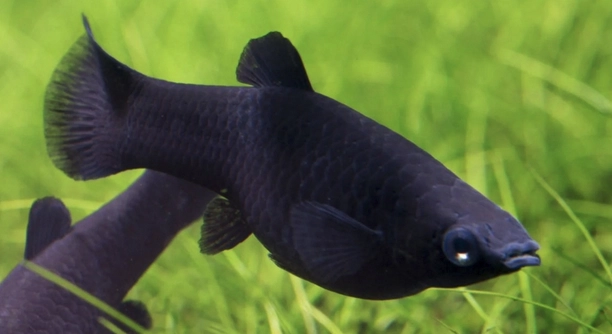
Black Mollies are small, active fish that brighten any aquarium with their movement and color. Many aquarists notice that these fish often gather at the water’s surface, creating a lively and sometimes puzzling display. Understanding their behavior can help maintain a healthy tank.
Black Molly fry tend to group at the surface primarily for survival and feeding. The surface provides higher oxygen levels, easier access to food, and a safer environment from potential predators, supporting growth and early development in young fry.
Observing these fry at the surface may seem simple, yet it reveals important aspects of their health and environment. Learning the reasons behind this behavior can improve care for both fry and adult mollies.
Understanding Fry Behavior
Young Black Mollies instinctively gather near the surface because it provides warmth, oxygen, and easy access to food. In a typical aquarium, water near the top is slightly warmer due to lighting and surface agitation. This temperature difference helps fry metabolize nutrients efficiently, promoting healthy growth. The surface also contains floating food particles, such as micro-worms or powdered flakes, which are easier for fry to reach than sinking food. Additionally, being near the surface reduces exposure to hiding predators or aggressive tank mates. Grouping together offers safety in numbers, making it less likely for any single fry to be singled out. Observing these patterns allows caretakers to adjust feeding practices, maintain proper water conditions, and ensure fry thrive. Regular monitoring of water temperature, oxygen levels, and food distribution can significantly reduce stress for young mollies. This behavior is a natural adaptation that reflects their needs for survival and comfort during early life stages.
Fry stay at the surface because it provides better oxygen and warmth. This habit improves their feeding efficiency and survival rate in tanks.
Surface grouping is also influenced by social behavior. Fry sense the presence of others and cluster together, which gives them security. The surface allows easier navigation and quick response to sudden changes, such as water movement or feeding time. Tank setup plays a role too; areas with calm water and floating plants encourage fry to stay near the top. Light intensity can attract them, as brighter zones signal warmth and food presence. Consistent observation helps identify whether this behavior is healthy or a sign of stress, such as poor water quality or insufficient oxygen. Understanding these factors makes managing fry growth straightforward. By adjusting lighting, aeration, and feeding methods, caretakers can ensure a stable environment that supports natural behaviors, helping Black Mollies grow strong and active without unnecessary risk.
Environmental Factors That Affect Fry
Water quality and oxygen levels directly impact fry positioning. Poor circulation or low oxygen forces them to surface frequently to breathe.
Temperature, pH, and cleanliness influence where fry gather. Warm, clean water with moderate flow encourages surface activity, while cold or stagnant water pushes fry toward more oxygenated zones. Maintaining a stable environment minimizes stress and promotes healthy growth. Adequate filtration ensures waste is removed without creating strong currents that could exhaust the fry. Surface plants provide shade and cover, balancing light and protection. Feeding schedules also affect surface clustering; regular, small meals keep fry actively exploring the top layer. Observing fry behavior alongside environmental checks helps identify problems early. Adjusting oxygenation with an air stone or slightly increasing water movement can improve water quality. Tank size matters too; overcrowding increases competition and can force fry into less ideal positions. Attentive care creates conditions where fry naturally group near the surface without risking health, giving them the best chance to thrive in the early stages of life.
Feeding Habits of Black Molly Fry
Fry gather at the surface to access floating food easily. Tiny particles like powdered flakes or infusoria are easier for them to eat at the top, supporting healthy growth and energy for daily activity.
Surface feeding allows fry to compete fairly for food without being crowded by larger tank mates. Since sinking food may be too deep for small fry, floating meals give them a consistent source of nutrition. Regular small feedings help maintain their growth rate and reduce stress. Observing how they cluster during feeding can indicate whether they are getting enough nutrients or if adjustments in portion size or frequency are needed to keep them thriving.
Feeding behavior also ties into their social tendencies. Fry will often follow each other toward food, creating small groups that move together across the surface. This helps reduce competition among individuals and ensures more fry access the food. Over time, they learn patterns and timing, naturally clustering near the top when feeding is expected. Proper feeding strategies, including the right type of food and careful monitoring, encourage healthy development and reduce risk of undernourishment, allowing fry to grow strong and active without unnecessary stress.
Oxygen and Water Flow
Fry stay near the surface because oxygen levels are higher at the top. Gentle water movement also supports this behavior, keeping them comfortable and active.
Surface water provides better oxygenation, which is vital for young Black Mollies. Strong currents can overwhelm fry, so moderate flow is ideal. Fry rely on this oxygen-rich zone to maintain energy and health, and clustering there reduces their risk of stress from low oxygen. Temperature, dissolved gases, and water movement all interact to create the conditions that fry prefer, influencing how often they remain near the top and how actively they swim.
Maintaining proper oxygenation involves balancing tank aeration, filtration, and surface agitation. Air stones or sponge filters can gently increase oxygen without producing harsh currents. Tank plants also play a role, releasing oxygen during the day and providing shelter. Monitoring water parameters like ammonia, nitrite, and pH ensures the environment stays healthy. Fry respond quickly to changes in oxygen or water flow, and clustering at the surface is an indicator of both comfort and potential stress. Consistent observation and adjustments allow fry to remain active, healthy, and growing efficiently.
Predation and Safety
Fry often stay near the surface to avoid potential threats from larger fish. Grouping together increases their chances of survival and provides a safer environment during early development.
Being near the top allows fry to react quickly to sudden movements or disturbances. This instinctive behavior helps them evade predators and reduces stress, supporting overall health and growth.
Light and Temperature
Fry are attracted to warmer areas created by aquarium lighting. Surface water is slightly warmer, helping their metabolism and activity levels. Proper light distribution encourages consistent feeding and healthy development.
Social Interaction
Clustering at the surface is partly social. Fry follow each other, forming small groups that provide security and reduce competition for resources.
Monitoring Health
Observing surface activity can indicate fry well-being. Excessive gasping or lethargy may signal low oxygen, poor water quality, or illness, prompting immediate attention.
FAQ
Why do Black Molly fry gather at the surface more than adult fish?
Fry are smaller and more vulnerable than adults, making safety and oxygen availability top priorities. Surface water generally contains higher oxygen levels and more accessible food. Grouping at the top also allows fry to avoid aggressive adult fish, giving them space to feed and grow without constant stress.
Is it normal for fry to stay at the surface all day?
Yes, it is normal as long as they are active and feeding. Continuous surface activity often reflects a combination of food availability, higher oxygen, and warmer water. However, if fry appear lethargic or gasp excessively at the surface, it may indicate low oxygen, high ammonia levels, or water quality issues requiring immediate attention.
How often should I feed Black Molly fry at the surface?
Fry require frequent, small meals throughout the day. Two to four times daily is ideal, depending on the number of fry and tank size. Floating foods like powdered flakes or infusoria are easiest for them to reach at the surface. Avoid overfeeding, as leftover food can deteriorate water quality and stress fry.
Can surface clustering indicate a health problem?
Sometimes. While surface activity is normal, excessive gasping, erratic swimming, or lethargy may signal oxygen deficiency, poor water quality, or disease. Regular water testing and proper filtration help prevent health issues. Promptly removing uneaten food and performing partial water changes support healthy surface behavior.
Do fry need special tank setups to stay healthy at the surface?
Yes. Gentle water flow, floating plants, and moderate lighting create a comfortable environment. Warm, oxygen-rich surface water supports metabolism and feeding. Avoid strong currents, as fry can tire quickly. Small groups of fry benefit from spaces to hide while still having access to food near the top.
How does oxygenation affect fry behavior at the surface?
Oxygen-rich water is essential for fry survival. Higher oxygen levels at the surface encourage them to stay at the top, improving energy levels and activity. Low oxygen may cause fry to gasp, cluster tightly, or appear lethargic. Aeration through sponge filters or air stones helps maintain proper oxygenation.
Will surface activity decrease as fry grow?
Yes. As fry mature into juveniles and adults, they explore more of the tank and become less dependent on surface water. Adult Black Mollies are stronger swimmers, can compete for food at various levels, and have fewer predators, allowing them to distribute more evenly throughout the aquarium.
Can feeding at the surface improve fry survival rates?
Absolutely. Floating foods are easy for fry to locate and consume, reducing competition and ensuring more consistent nutrition. Healthy, well-fed fry are more active, grow faster, and develop stronger immune systems, all of which increase survival rates during early life stages.
Are there any signs that surface behavior is abnormal?
Yes. Constant frantic swimming, excessive gasping, or isolation from the group may indicate stress, poor water quality, or insufficient oxygen. Monitoring these signs allows timely interventions, such as adjusting aeration, improving filtration, or performing water changes, to restore a safe environment for fry.
Does water temperature influence surface clustering?
Yes, warmer water near the surface boosts metabolism and feeding activity, encouraging fry to remain near the top. Cooler water or uneven temperatures can push fry into other areas of the tank, reduce activity, or make them more vulnerable to stress and disease.
Can surface plants affect fry behavior?
Yes. Floating plants provide shade, slight protection, and resting areas while still allowing fry to access food at the surface. They create a comfortable microenvironment, reduce stress, and can improve oxygen levels during daylight hours, supporting healthy growth and natural behaviors.
What is the best way to monitor fry while they are at the surface?
Observe their swimming patterns, feeding response, and breathing rate regularly. Check water temperature, oxygen levels, and cleanliness. Small changes in clustering or activity often indicate subtle environmental or health issues that can be corrected quickly to maintain a healthy tank.
How long do fry typically stay near the surface during early development?
Fry usually remain near the surface for the first few weeks, gradually exploring more of the tank as they grow stronger. The duration varies based on water quality, food availability, oxygen levels, and tank setup. Careful monitoring ensures they transition safely into juvenile stages.
Does overcrowding affect surface behavior?
Yes. High fry density increases competition for food and oxygen, leading to stress and uneven growth. Providing enough space, proper filtration, and frequent, small feedings helps maintain normal surface activity and reduces risks associated with overcrowding.
Are there specific foods that encourage surface feeding?
Yes. Powdered flakes, crushed high-quality flakes, and live infusoria are ideal for surface feeding. These foods float and are easy for small fry to access, supporting proper nutrition and healthy growth without causing water quality issues if provided in moderation.
How often should I check water quality for fry at the surface?
Daily observation of fry behavior and weekly testing of ammonia, nitrite, nitrate, and pH is recommended. Any signs of stress, gasping, or lethargy at the surface should trigger immediate testing and corrective measures, including water changes or adjustments to aeration and filtration.
Can fry be trained to feed at the surface?
Yes. Regular feeding schedules and consistent placement of floating foods teach fry to recognize the surface as a food source. Over time, they associate specific areas and times with feeding, promoting predictable surface activity and healthier growth patterns.
Do all Black Molly fry exhibit surface clustering equally?
No. Individual fry may show variation due to size, health, and competitive behavior. Some may stay slightly lower, especially if larger fry dominate surface access. Careful observation ensures that all fry receive adequate food and oxygen, preventing weaker individuals from being stressed or undernourished.
How does tank lighting affect fry surface behavior?
Moderate, consistent lighting encourages fry to remain near the surface, as it signals warmth and food availability. Extremely bright or uneven lighting can cause stress, making fry hide or cluster unnaturally. Balanced lighting supports healthy activity, feeding, and growth without forcing fry into unsafe positions.
Can surface clustering predict fry growth and health?
Yes. Healthy fry exhibit active swimming, regular feeding, and moderate clustering at the surface. Abnormal clustering, lethargy, or erratic movements may indicate underlying health or environmental issues, allowing caretakers to intervene early to maintain optimal growth and survival rates.
What adjustments help fry if surface activity seems abnormal?
Improve oxygenation with gentle aeration, check and stabilize water parameters, reduce overcrowding, and ensure proper feeding. Adding floating plants or creating calmer surface areas can also support fry, helping them regain natural, healthy behavior and reducing stress.
Is it necessary to separate fry from adult Black Mollies?
While not always required, separating fry can prevent competition and accidental predation. Fry tanks or breeding boxes allow controlled feeding and reduce stress, ensuring fry have consistent access to surface food and safer conditions during early development stages.
Can water changes influence fry surface behavior?
Yes. Regular partial water changes maintain oxygen levels and remove waste, supporting healthy surface activity. Abrupt or excessive changes may stress fry, so gradual adjustments while observing behavior help maintain comfort and prevent disruption of feeding and clustering patterns.
How important is observation for fry that cluster at the surface?
Observation is critical. It provides insight into feeding efficiency, oxygen levels, and overall health. Changes in behavior often signal environmental or health concerns, allowing timely interventions that prevent illness, promote growth, and ensure fry develop into strong, active adults.
Are there environmental enhancements that encourage healthy surface behavior?
Yes. Floating plants, gentle filtration, consistent lighting, and moderate aeration create favorable surface conditions. These elements reduce stress, provide food access, and support oxygen levels, helping fry cluster naturally while maintaining growth and activity.
Does the number of fry in a tank affect surface clustering?
Yes. More fry increase competition for food and oxygen, which can lead to overcrowding at the surface. Proper tank sizing, frequent feedings, and monitoring ensure all fry can access food and oxygen, preventing stress and promoting even growth across the group.
Can surface clustering behavior help identify tank issues early?
Absolutely. Sudden changes in how fry cluster, gasp, or move at the surface often indicate low oxygen, high toxins, or temperature fluctuations. Observing this behavior regularly allows caretakers to act quickly and maintain a healthy environment for fry.
Do fry ever leave the surface voluntarily?
Yes. As they grow, fry become stronger swimmers and explore other tank areas. Surface clustering decreases naturally as they gain confidence, mobility, and ability to access food and oxygen throughout the tank without relying solely on the top layer.
Is surface clustering more prominent in certain tank setups?
Yes. Shallow tanks, tanks with floating plants, and tanks with gentle water flow tend to encourage fry to stay near the surface. Tanks with uneven temperature, strong currents, or poor oxygenation may force fry to behave differently, clustering in safer or more oxygen-rich zones.
How does water quality interact with surface behavior?
Clean water with proper oxygen and minimal toxins encourages fry to remain active at the surface. Poor water quality can cause lethargy, gasping, or erratic swimming. Regular testing, filtration, and partial water changes support natural, healthy surface activity.
Can surface clustering indicate proper feeding is occurring?
Yes. When fry gather at the surface during feeding times and actively consume food, it shows they are receiving adequate nutrition. Weak or inactive fry that fail to reach the surface may need adjustments in food type, portion, or feeding frequency.
Are there seasonal or temperature effects on surface behavior?
Yes. Fry are more active near the surface in warmer water, which enhances metabolism and feeding. Cooler water slows activity, reduces surface clustering, and may require slight adjustments in tank temperature to maintain optimal behavior and growth.
Do tank mates affect fry surface clustering?
Yes. Aggressive or larger tank mates can push fry away from the surface, increasing stress and limiting food access. Separating fry or ensuring peaceful tankmates allows natural surface clustering, reducing competition and promoting healthier growth and development.
Is there a difference between fry of different ages in surface behavior?
Yes. Newly hatched fry cluster more tightly at the surface, while slightly older fry explore more of the tank. Younger fry rely on surface warmth, oxygen, and easy food access, while older fry gradually develop independence and swim throughout the aquarium.
Can adjusting feeding times influence surface behavior?
Yes. Consistent feeding schedules train fry to associate the surface with food. Predictable feeding times encourage regular surface activity, ensuring fry access nutrition while promoting natural clustering behavior and reducing stress from irregular feeding patterns.
Does tank size impact fry clustering at the surface?
Yes. Smaller tanks may lead to tighter clustering due to limited space, while larger tanks allow fry to spread while still accessing surface food. Proper tank size ensures balanced oxygen distribution, reduces stress, and allows fry to exhibit natural surface behavior without overcrowding.
How long should fry stay in a controlled surface environment?
Typically, during the first few weeks after hatching. As fry grow and become stronger, they gradually explore mid-levels and lower parts of the tank. Maintaining controlled surface conditions during early development ensures safe growth and supports feeding efficiency.
Can surface clustering be used to gauge overall fry tank health?
Yes. Healthy, active surface clustering indicates proper oxygen, temperature, and nutrition. Changes in clustering patterns can reveal early signs of stress, overcrowding, or water quality issues, allowing timely adjustments to maintain a thriving environment.
Does lighting schedule influence fry surface behavior?
Yes. Consistent light encourages fry to remain active and cluster at the surface. Sudden changes or irregular lighting can stress fry, reducing feeding efficiency and overall activity. A stable schedule supports natural behaviors, growth, and feeding patterns.
Are there differences in surface behavior among Black Molly strains?
Minor differences may occur due to genetics or size variation, but the general behavior of clustering at the surface for oxygen, warmth, and feeding is consistent across strains. Tank conditions have a larger influence than strain differences.
Can surface clustering lead to overcrowding issues?
Yes. If too many fry cluster in a small area, competition for food and oxygen increases. Providing adequate space, proper feeding, and gentle aeration reduces overcrowding risks and promotes even growth and survival.
How can caretakers encourage balanced surface activity?
Ensure gentle aeration, proper feeding, floating plants, and consistent lighting. Observe fry behavior to identify overcrowding or stress, making small adjustments to maintain healthy surface activity while supporting growth.
Does surface clustering affect fry development speed?
Yes. Fry with consistent access to oxygen and food at the surface grow faster and develop stronger immune systems. Proper clustering supports healthy metabolism, feeding efficiency, and early developmental milestones, giving fry a solid start in life.
Can fry adapt if surface conditions change suddenly?
Yes, but sudden changes in temperature, oxygen, or water quality can stress fry. Gradual adjustments allow fry to adapt safely, maintaining normal feeding, swimming, and clustering behaviors without compromising growth or health.
Are there long-term benefits to understanding fry surface behavior?
Absolutely. Observing and supporting natural surface clustering ensures proper feeding, growth, and health. Understanding this behavior helps caretakers prevent stress, illness, and mortality, setting a strong foundation for adult Black Mollies.
Do fry ever compete aggressively at the surface?
Yes, especially when food is limited. Larger or faster fry may dominate floating food, causing smaller fry to struggle. Frequent small feedings and proper portion control reduce competition and allow equitable access for all fry, supporting even growth.
Can surface clustering indicate water contamination?
Yes. Excessive gasping, tight clustering, or erratic swimming may signal toxins or ammonia spikes. Monitoring water parameters and performing immediate corrections ensures a safe environment for fry to maintain normal surface behavior.
How important is observation compared to water testing for fry?
Both are essential. Observation reveals behavioral cues like surface clustering, feeding response, and swimming patterns, while testing confirms water quality. Combining both approaches provides a comprehensive understanding of fry health and environment.
Do fry surface behaviors change with tank maturity?
Yes. In a mature, stable tank, fry can spread out more, as oxygen, temperature, and food are evenly distributed. In newly set-up tanks, fry may cluster tightly at the surface due to uneven conditions, requiring closer monitoring and adjustment.
Are there specific feeding strategies to support surface clustering?
Yes. Small, frequent feedings with floating foods, combined with controlled light and gentle aeration, encourage fry to feed at the surface efficiently. This strategy reduces stress, supports growth, and promotes natural clustering behavior.
Can surface behavior indicate tank stressors like ammonia spikes?
Yes. Fry may gasp, cluster excessively, or show erratic swimming when water quality is compromised. Immediate testing and corrective actions prevent long-term harm and maintain a healthy surface environment.
How does fry size influence surface behavior?
Smaller fry tend to stay near the surface more than larger ones. They rely on higher oxygen and accessible food. As they grow, their swimming strength improves, and they explore mid-levels and lower tank areas while still feeding at the surface.
Can overcrowded fry tanks reduce surface feeding efficiency?
Yes. Too many fry at the surface lead to competition and uneven access to food. Adequate tank size, controlled feeding, and monitoring help ensure all fry can feed effectively while maintaining natural clustering.
Do fry ever use the surface for resting?
Yes. Surface clustering sometimes serves as a resting zone, especially under floating plants that provide shade. Fry remain near oxygen-rich water while conserving energy and staying safe from potential disturbances.
How often should caretakers adjust feeding based on surface behavior?
Observe daily during feeding times. If fry show excessive competition or fail to access food, adjust portion size, frequency, or type of floating food. These small changes maintain consistent growth and healthy surface activity.
Does surface behavior change as fry approach juvenile stages?
Yes. Older fry explore more tank areas and rely less on the surface for oxygen and food. They still feed at the top occasionally but gradually distribute themselves across mid-levels and lower zones as strength and confidence increase.
Can surface clustering help prevent disease?
Indirectly. Healthy clustering indicates adequate oxygen, food, and water quality. Maintaining these conditions reduces stress and susceptibility to disease, supporting overall fry health during early development.
Are there signs of overfeeding at the surface?
Yes. Fry may become sluggish, uneaten food accumulates, and water quality deteriorates. Small, frequent feedings and monitoring ensure fry consume food efficiently without creating harmful conditions in the tank.
Does tank cover affect fry surface behavior?
Yes. A partially covered tank reduces light glare and stress while maintaining warmth and oxygen. Fry remain comfortable at the surface, feeding and clustering naturally, without exposure to sudden disturbances.
Can surface clustering be encouraged through environmental design?
Yes. Floating plants, gentle water flow, proper lighting, and moderate aeration create favorable surface conditions. These measures support feeding, oxygenation, and security, allowing fry to cluster naturally without stress.
Do fry ever cluster at the surface due to social interaction alone?
Partially. While survival, feeding, and oxygen are primary factors, fry also follow each other, forming small groups. This social behavior reduces stress and promotes coordinated feeding, improving survival and growth outcomes.
How quickly can fry adjust to improved surface conditions?
Typically within hours to a day. When oxygen, food, and water quality improve, fry resume normal surface activity, feed actively, and spread evenly while clustering naturally, reflecting comfort and a healthy environment.
Are there common mistakes caretakers make regarding fry surface behavior?
Yes. Overcrowding, irregular feeding, poor oxygenation, and strong currents can stress fry or alter natural clustering. Monitoring behavior, maintaining water quality, and providing proper tank conditions prevent mistakes and support healthy surface activity.
How critical is consistent observation of surface behavior for long-term success?
Observation is essential. Monitoring clustering, feeding, and swimming provides insight into health, water quality, and development. Timely adjustments based on these cues ensure fry grow strong, active, and well-prepared for juvenile stages.
Can fry adapt if surface conditions are temporarily unfavorable?
Yes, but prolonged poor conditions lead to stress, slower growth, and higher mortality. Short-term changes are tolerated if caretakers quickly restore oxygen, temperature, and feeding conditions to maintain natural surface activity.
Do surface clustering patterns change with the type of floating food?
Yes. Some foods float better, remain at the top longer, or are easier for fry to consume. Selecting appropriate floating foods encourages consistent surface clustering, reduces competition, and supports balanced growth.
How can caretakers use surface behavior to improve tank management?
By observing clustering, feeding response, and activity, caretakers can adjust aeration, temperature, feeding, and tank layout. Surface behavior acts as an early indicator of environmental or health issues, guiding proactive interventions.
Does surface clustering ever indicate overstocking or space issues?
Yes. Tight clusters, excessive competition, or crowding at the surface may suggest too many fry in the tank. Increasing space,
Black Molly fry clustering at the surface is a natural and important behavior. It reflects their need for higher oxygen levels, easier access to food, and a safer environment away from potential threats. Observing this behavior provides useful insight into their health and comfort within the tank. Fry are small and vulnerable, and clustering at the top allows them to meet essential needs efficiently. The surface water is usually warmer and contains floating food, which makes feeding easier and reduces the risk of stress. This behavior is not random but an instinctive adaptation that improves survival during the early stages of life. Proper attention to their environment, including gentle water flow, floating plants, and consistent lighting, helps support this natural habit and ensures fry can thrive in a home aquarium.
Providing a suitable environment encourages healthy surface activity. Small, frequent feedings with floating food are ideal for fry, as sinking food can be difficult for them to reach. Maintaining good water quality, proper oxygenation, and moderate temperature ensures fry remain active and grow strong. Overcrowding or poor water conditions can cause stress, lethargy, or erratic swimming, which can compromise survival. Observing how fry interact at the surface helps caretakers adjust feeding practices, aeration, and tank setup to meet their needs. Floating plants not only offer shelter and shade but also help maintain oxygen levels during the day, creating a more comfortable microenvironment. Careful attention to these details prevents unnecessary problems and supports the natural behaviors that promote growth and overall health. Monitoring fry regularly allows early detection of issues such as insufficient oxygen or water contamination, giving caretakers the chance to correct problems before they affect development.
Understanding fry behavior at the surface goes beyond just observing where they swim. It provides insight into water quality, feeding efficiency, and overall tank management. Healthy fry demonstrate active, consistent surface clustering while feeding and swimming, indicating a balanced environment. As fry grow, they gradually explore mid-levels and lower areas of the tank, but the habits formed during early stages influence their long-term health and behavior. Maintaining stable conditions, providing adequate food, and observing their activity are essential to ensure survival and proper development. Caretakers who pay attention to these patterns can prevent many common issues, such as overcrowding, poor oxygenation, or nutritional deficiencies. Supporting natural surface behavior encourages strong growth, reduces stress, and helps fry transition smoothly into juvenile stages. By understanding and responding to these behaviors, it is possible to create a thriving environment where Black Molly fry grow into healthy, active adults.

Hello,
If you enjoy the content that we create, please consider saying a "Thank You!" by leaving a tip.
Every little bit helps us continue crafting quality advice that supports the health, happiness, and well-being of pets around the world, for pets of all shapes, sizes, and species.
We really appreciate the kindness and support that you show us!