
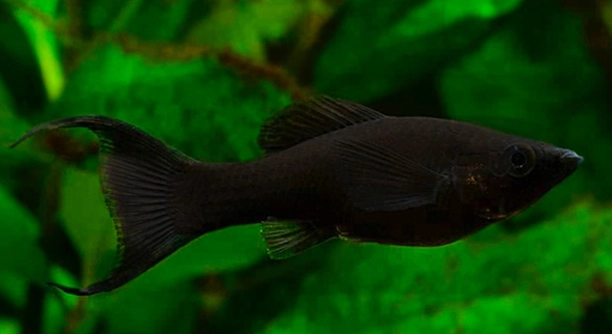
Are your Black Molly fish struggling to thrive despite careful tank maintenance? Many aquarists encounter subtle challenges that affect water flow and overall fish behavior. Understanding these issues can improve the well-being of your aquatic pets.
Tank flow problems in Black Molly aquariums commonly arise from improper pump placement, excessive or insufficient water current, clogged filters, or overcrowded tanks. These issues can stress fish, hinder swimming patterns, reduce oxygen circulation, and disrupt overall tank stability.
Addressing these flow problems early ensures healthier, more active fish and a balanced aquatic environment for your Molly community.
Low Water Circulation
Low water circulation can make a Black Molly tank feel stagnant. When the water does not move enough, oxygen levels drop, and debris tends to settle at the bottom. I noticed my fish spending more time at the surface, gasping lightly, which is a clear sign of poor oxygen circulation. A gentle current from a well-placed filter or powerhead can make a noticeable difference. Without proper flow, waste builds up faster, leading to cloudy water and stressed fish. Black Mollies thrive in steady water movement because it mimics their natural environment. They are active swimmers, and stagnant water can make them lethargic or prone to health issues. Regularly checking your tank’s current and adjusting your pump or filter ensures that water circulates evenly across the tank. This simple adjustment can prevent long-term health problems and help maintain water clarity, making your tank easier to clean and more pleasant to watch.
Low water circulation directly reduces oxygen availability and can increase stress levels, making Black Mollies more susceptible to disease and weaker overall.
Monitoring water flow involves observing fish behavior and filter efficiency. Small adjustments to flow speed and direction can improve oxygenation and prevent debris accumulation. Experimenting with pump placement helps balance areas of calm and movement, keeping your Mollies happy and healthy.
Overly Strong Currents
Strong currents can overwhelm Black Mollies, causing them to struggle to swim or hide frequently. I’ve seen my fish cling to decorations to avoid tiring themselves out. This stress can affect feeding habits and overall health.
Excessively fast water pushes Mollies into corners or against surfaces. It forces them to expend more energy than normal, which can reduce growth and make them more prone to illness. Strong currents can also displace lightweight plants or floating decorations, altering tank structure and hiding spots. It is important to find a balance between circulation and comfort. Adjusting filter output, adding flow deflectors, or repositioning pumps can help reduce intensity in areas where fish rest. Mollies prefer moderate currents that allow them to swim freely but also provide calm zones. Regular observation will help identify if your fish are struggling against the current or adapting well. A proper balance improves health, encourages natural behavior, and keeps the tank environment stable. By taking these steps, the Mollies can thrive in conditions similar to their natural habitat, which benefits both their energy levels and long-term well-being.
Uneven Flow
Uneven flow in a Black Molly tank creates areas of still water and strong currents. Fish may avoid certain sections, leading to stress and irregular swimming patterns. Observing where your Mollies spend most of their time can help identify flow imbalances quickly.
Uneven currents often occur when filters or pumps are poorly positioned. Water may circulate strongly near one end but remain almost stagnant in corners or behind decorations. This can cause debris buildup, algae growth, and low oxygen zones. I noticed my Mollies frequently gathering near one side, which signaled that the tank needed better distribution of water movement. Adjusting pump placement or adding flow diffusers can create a more balanced current, ensuring all areas receive consistent water movement. Proper flow prevents dead zones and helps maintain overall tank health.
Addressing uneven flow requires careful observation and small adjustments. Moving decorations, repositioning pumps, or using spray bars can even out the current. Ensuring uniform flow helps Mollies swim naturally, improves oxygenation, and reduces stress. Over time, the tank becomes easier to maintain, with clearer water and healthier, more active fish.
Blocked Filter Output
A blocked filter output reduces water movement and lowers oxygen levels. I’ve seen my Mollies gather near the surface when a filter is partially clogged, struggling to find comfortable swimming areas.
Debris, uneaten food, and plant matter can obstruct the filter’s output. When this happens, water circulation diminishes, and the tank may develop stagnant pockets. A blocked filter can lead to poor water quality, increased ammonia levels, and stress-related behaviors. Regular cleaning and checking of the filter intake and output ensure that water flows freely. Even minor blockages can affect tank dynamics, so inspecting weekly prevents problems before they affect the fish. Proper maintenance keeps the tank environment stable, with better oxygenation and healthier Mollies.
Filters not only remove waste but also create currents that mimic natural habitats. When output is blocked, Mollies expend extra energy swimming in weaker currents, which can reduce growth and activity. Ensuring the filter is unobstructed allows for smooth circulation, keeps oxygen levels adequate, and reduces the risk of illness. Over time, maintaining clear filter output promotes a balanced tank, supports natural fish behavior, and keeps the aquarium visually appealing and easier to manage.
Overcrowding
Overcrowding reduces effective water flow and increases stress among Black Mollies. I noticed my fish avoiding each other more often, and some spent excessive time hiding. Proper stocking levels help maintain smooth circulation and a calmer environment.
Too many fish in one tank can cause uneven currents and low oxygen in certain areas. Mollies compete for space, which increases aggression and stress. Maintaining appropriate numbers ensures that water moves freely, waste is diluted, and each fish has room to swim comfortably.
Poor Tank Layout
Decorations and plants can block water flow if placed incorrectly. I had tall plants clustered in one corner, creating dead spots where water barely moved. Adjusting placement allowed currents to circulate evenly and Mollies to swim freely without obstruction.
Weak Pump
A weak pump fails to maintain sufficient water movement, making the tank feel stagnant. Mollies appear lethargic and often linger near the output, struggling to swim naturally. Regularly checking pump strength and upgrading if needed ensures proper circulation and a healthier tank environment.
FAQ
Why do my Black Mollies avoid certain areas of the tank?
Black Mollies often avoid areas with poor water flow or low oxygen. I noticed mine gathering near the filter output while ignoring corners. Uneven currents, blocked filters, or overcrowding create zones that feel uncomfortable or unsafe for swimming. Adjusting water flow and tank layout usually encourages even distribution.
How can I tell if the current is too strong?
When currents are too strong, Mollies struggle to swim steadily or cling to decorations. I’ve seen them hiding more frequently or staying near calmer zones. Strong flow can tire them out, reduce appetite, and cause stress-related behaviors. Reducing pump output or using flow diffusers helps maintain comfort.
What causes uneven water flow in a Molly tank?
Uneven flow is usually caused by pump placement, tank decorations, or partial blockages in filters. I had dead spots behind dense plant clusters where debris collected. Evenly distributing decorations and adjusting pump direction ensures currents reach all parts of the tank.
Can filter maintenance improve water flow?
Yes, cleaning the filter regularly prevents blockages that reduce circulation. I check mine weekly for trapped debris and buildup. Even small obstructions affect oxygenation and create stagnant zones. A clear filter output keeps water moving smoothly and supports healthier fish.
Do overcrowded tanks affect Black Molly behavior?
Overcrowding increases stress and disrupts natural swimming patterns. My Mollies became more aggressive and avoided each other when too many were in the tank. Adequate space ensures water flows freely and fish have room to explore, reducing stress and promoting natural behavior.
Will plants and decorations impact tank flow?
Yes, plants and decorations can block currents or create still zones. I noticed a corner with tall plants where water barely moved. Adjusting placement allows even flow and prevents stagnant areas, helping Mollies swim comfortably and reducing waste buildup.
How often should I check pump strength and output?
I check mine at least once a week to ensure proper flow. Pumps can weaken over time or get partially blocked. Maintaining consistent circulation prevents oxygen depletion and keeps your Mollies active. Flow adjustments may be needed as tank conditions change.
What are signs that flow problems are affecting fish health?
Mollies that avoid certain areas, gasp at the surface, or appear lethargic may be experiencing flow issues. I noticed reduced feeding and constant hiding in affected fish. Proper flow reduces stress, supports oxygenation, and helps maintain overall health.
Is it better to have multiple small pumps or one large pump?
Using multiple smaller pumps allows for more even distribution and flexibility in adjusting currents. I experimented with one large pump and found dead zones. Smaller pumps or adjustable outputs create a balanced environment, preventing stagnant areas and supporting all fish.
Can flow issues affect water quality?
Yes, poor circulation leads to debris accumulation, uneven oxygen levels, and increased ammonia. I observed cloudy water when flow was uneven. Proper movement disperses waste, improves filtration efficiency, and maintains a healthier tank overall.
How can I safely adjust water flow without stressing Mollies?
Gradually reposition pumps, add flow deflectors, or reduce output slowly. I make small changes over days to prevent sudden disruptions. Mollies adapt better when currents shift gently, maintaining natural swimming patterns and reducing stress.
Are there specific tank setups that naturally improve flow?
Long, rectangular tanks with open swimming areas promote even circulation. I prefer spacing plants and decorations strategically, leaving central areas free. This setup allows currents to move across the entire tank and supports healthier, more active Black Mollies.
What should I do if flow problems persist?
Persistent flow issues may require upgrading pumps, redesigning tank layout, or reducing fish numbers. I found rearranging decorations and adding a stronger, adjustable pump solved most of my problems. Consistent observation and gradual adjustments keep Mollies thriving.
How does tank size affect flow issues?
Smaller tanks are more prone to stagnant zones, while larger tanks need stronger or multiple pumps for even circulation. I noticed that adding flow diffusers in larger tanks helps distribute water effectively and prevents areas where Mollies avoid swimming.
Can water flow affect breeding behavior?
Yes, Mollies prefer moderate currents for mating and fry survival. I observed that strong or uneven flow discouraged breeding activity. Providing calm zones within moderate currents supports natural reproductive behavior and fry development.
Does temperature interact with water flow issues?
Water movement affects temperature distribution. I found that stagnant areas were slightly warmer, which stressed some fish. Proper circulation ensures consistent temperature throughout the tank, supporting healthy metabolism and reducing stress in Black Mollies.
How do I know if Mollies are stressed from flow problems?
Signs include hiding, gasping, erratic swimming, or reduced feeding. I noticed my Mollies avoiding certain sections and staying near output. Stress reduces immunity, making them more prone to disease. Correcting flow helps restore normal behavior and overall health.
Are certain types of pumps better for Black Mollies?
Adjustable pumps with moderate flow output work best. I use pumps that allow direction and intensity changes. This helps create gentle currents, calm zones, and prevents stress, keeping Mollies comfortable while maintaining proper circulation throughout the tank.
Can flow issues cause algae growth?
Yes, stagnant areas promote algae accumulation. I saw algae thrive in corners with poor circulation. Improving flow reduces nutrient buildup, discourages algae growth, and supports a cleaner, healthier tank environment for Black Mollies.
How do I balance flow for both plants and fish?
Plants need some current but too much can uproot them, while Mollies need swimming space. I spaced plants and decorations strategically, leaving areas with moderate flow. Balancing flow ensures both plants thrive and fish remain active without stress.
What is the simplest way to test water circulation?
Drop a small piece of floating material or food and observe movement. I watch how it travels across the tank. Uneven paths indicate weak or blocked flow, helping me decide where to reposition pumps or add diffusers for better circulation.
Can flow problems affect filtration efficiency?
Yes, poor circulation reduces filter performance. I noticed debris accumulating in stagnant areas despite regular filter maintenance. Ensuring consistent flow across the tank allows filtration to remove waste effectively, keeping water clean and supporting healthy Black Mollies.
How often should I rearrange the tank to improve flow?
Major rearrangements are rarely needed, but small adjustments every few months help. I tweak decoration placement or pump direction based on Mollies’ behavior. Consistent monitoring ensures flow remains even as plants grow and fish activity changes.
Does substrate type influence water flow?
Yes, thick or uneven substrate can create dead zones. I noticed debris collecting in deep corners of sand substrate, slowing circulation. Using a smooth, even substrate and regular cleaning helps maintain consistent flow and reduces stress for Mollies.
What can I do to encourage Mollies to use all areas of the tank?
Improving flow and reducing obstacles helps. I adjusted pump output and spread plants evenly, which encouraged them to swim throughout the tank. Providing gentle currents, hiding spots, and open areas allows Mollies to explore naturally without feeling stressed.
Can water additives help with flow problems?
No, additives do not fix circulation issues. They can improve water quality temporarily but won’t move stagnant water. I focus on pump placement, filter output, and tank layout to address flow issues effectively and maintain healthy Mollies.
How long does it take for Mollies to adjust to improved flow?
Typically a few days to a week. I observed gradual increases in activity and normal feeding after adjusting currents. Mollies adapt quickly if changes are made gently, leading to healthier, more active fish and balanced tank conditions.
Are there signs that flow problems are affecting tank plants?
Yes, plants in stagnant areas may accumulate debris, develop algae, or grow unevenly. I repositioned plants and added gentle currents, which improved growth and reduced algae buildup. Proper water movement benefits both Mollies and aquatic vegetation.
Can water flow impact nutrient distribution?
Yes, poor circulation can leave nutrients trapped in certain areas. I noticed uneven plant growth until I adjusted currents. Balanced flow ensures nutrients are distributed evenly, supporting plant health and maintaining a stable environment for Mollies.
What is the best way to combine decorations and flow control?
Arrange plants and ornaments to leave open swimming paths. I use taller plants along the back and sides, with moderate spacing. Adjusting pump output around decorations prevents dead zones, providing both shelter and comfortable swimming areas for Mollies.
How do I prevent future flow problems?
Regular monitoring, filter cleaning, pump maintenance, and gradual adjustments keep flow consistent. I check Mollies’ behavior, oxygen levels, and tank layout periodically. Preventing stagnation and stress ensures long-term health for both fish and plants.
Are flow issues more common in certain tank shapes?
Yes, very short or narrow tanks often develop dead zones, while long rectangular tanks allow better circulation. I use flow diffusers or multiple pumps in smaller tanks to distribute water evenly, ensuring Mollies can swim comfortably throughout.
Do flow problems influence tank cleaning frequency?
Yes, stagnant zones collect more debris and waste, requiring extra cleaning. I noticed improved water clarity and reduced buildup after balancing flow. Maintaining circulation makes cleaning easier and helps sustain a healthy environment for Mollies.
Can flow issues cause unusual fish behavior?
Yes, behaviors like hovering near the surface, darting suddenly, or avoiding certain areas often indicate flow problems. I corrected currents, which restored normal swimming patterns. Proper flow reduces stress, encourages activity, and supports overall well-being.
How can I improve flow without adding new equipment?
Reposition pumps, remove obstructions, and adjust filter output. I also rearranged plants and decorations to guide water movement. Simple adjustments can significantly improve circulation without the need for additional devices, benefiting Mollies and tank maintenance.
Does tank size impact how I address flow issues?
Yes, larger tanks may need stronger pumps or multiple outputs, while smaller tanks require careful positioning. I observed that even minor adjustments in pump location improved circulation in both small and large setups, ensuring Mollies have consistent swimming conditions.
How often should I monitor Mollies for flow-related stress?
Daily observation is ideal. I check swimming patterns, feeding behavior, and hiding habits. Early detection of stress from flow problems allows for quick adjustments, maintaining a healthy, active, and balanced tank environment.
Can flow adjustments affect tank temperature stability?
Yes, stagnant areas may have slight temperature differences. I found that balancing currents improved temperature uniformity. Proper flow ensures consistent conditions, supporting healthy metabolism and reducing stress for Black Mollies.
Are there natural signs that indicate flow is optimal?
Mollies swim evenly across the tank, feed regularly, and rest comfortably without clinging to surfaces. I noticed calmer, more active fish after adjusting currents. Balanced flow promotes natural behavior, better health, and an overall stable aquarium environment.
How do I avoid overcompensating when fixing flow problems?
Make gradual changes, observe fish behavior, and adjust slowly. I increase or decrease pump output in small increments. Overcompensation can create strong currents or new dead zones, so careful monitoring ensures balanced flow and a comfortable environment for Mollies.
What is the easiest way to maintain consistent flow long-term?
Regular filter checks, pump maintenance, and observation of fish behavior are key. I make small adjustments when needed and keep decorations in balanced positions. Consistency prevents stagnation, supports healthy Mollies, and reduces long-term maintenance issues.
Can seasonal changes affect flow in my tank?
Yes, water temperature and evaporation can influence current patterns. I noticed slight differences in flow during warmer months. Adjusting pump output or repositioning equipment ensures steady circulation year-round, maintaining comfort for Black Mollies.
How important is water level for proper circulation?
Water level affects pump efficiency and flow distribution. I maintain consistent levels to prevent weak currents or excessive splashing. Proper height ensures even movement, supports oxygenation, and keeps Mollies active and comfortable.
Do substrate changes influence circulation long-term?
Yes, deeper or uneven substrate can slow water movement near the bottom. I noticed debris buildup in corners with thick sand. Leveling the substrate and cleaning regularly promotes smooth flow and prevents stress for Mollies.
Can adjusting lighting affect flow issues?
Indirectly, yes. Strong lighting may encourage algae growth in stagnant zones. I paired lighting adjustments with improved circulation to prevent algae buildup and maintain clean, healthy conditions for both Mollies and plants.
Is there a correlation between flow and fish coloration?
Yes, well-oxygenated water from proper flow supports vibrant coloration. I observed duller colors in Mollies near stagnant areas. Correcting currents improved their brightness and overall health, reflecting the benefits of balanced water movement.
How do I troubleshoot persistent dead zones?
Check pump placement, filter output, and tank layout. I repositioned decorations and added gentle diffusers, which eliminated stagnant pockets. Regular observation and small adjustments prevent long-term flow issues and ensure a balanced environment for Mollies.
Does water chemistry interact with flow problems?
Yes, stagnant areas may have uneven pH or ammonia levels. I noticed slight differences in readings near blocked zones. Improving circulation distributes chemicals evenly, supporting stable water parameters and healthier Black Mollies.
How can I combine aesthetics with proper flow?
Strategic placement of plants and decorations maintains currents while creating visually pleasing layouts. I used taller plants along the back, leaving open swimming paths. This approach balances flow, fish comfort, and tank appearance.
Are some Black Molly strains more sensitive to flow issues?
Yes, some hybrids or selectively bred Mollies may tolerate currents less effectively. I observed that certain fish preferred calmer zones, while others swam actively. Adjusting flow according to fish behavior ensures all strains remain healthy and stress-free.
Can improper flow affect feeding behavior?
Yes, fish may struggle to reach food or hide due to strong currents. I noticed reduced appetite in areas with fast flow. Moderate, evenly distributed currents help Mollies feed naturally and reduce stress during mealtimes.
What role does aeration play in relation to flow?
Aeration supports oxygenation but cannot replace proper flow. I use pumps to circulate water and keep oxygen evenly distributed. Together, aeration and circulation ensure Mollies remain healthy and active.
How do I maintain flow after adding new fish or decorations?
Observe fish behavior and monitor currents. I adjust pump output and reposition new decorations gradually. This helps prevent dead zones and ensures all Mollies adapt comfortably to the changes without stress.
Can flow problems influence breeding success?
Yes, calm zones with moderate currents encourage spawning. I noticed more active mating when currents were balanced. Strong or uneven flow can discourage breeding and fry survival. Proper circulation supports natural reproductive behavior.
How can I balance flow for multi-species tanks?
Adjust pump output to accommodate species preferences. I provide moderate currents and calm zones so Mollies and other fish coexist comfortably. Strategic placement of plants and decorations ensures proper circulation for all tank inhabitants.
What is the best way to test adjustments to flow?
Observe swimming patterns, feeding behavior, and oxygenation over several days. I watch Mollies explore previously avoided areas. Small, incremental changes allow you to achieve optimal flow without causing stress or disruption to the tank environment.
Does seasonal maintenance help prevent flow problems?
Yes, checking pumps, filters, and tank layout regularly, especially during seasonal changes, prevents stagnant areas. I perform minor adjustments and cleaning each season to maintain consistent water movement and keep Mollies healthy.
How can I prevent algae while improving flow?
Balanced currents reduce stagnant zones where algae thrive. I spread plants evenly, maintain filter output, and adjust pumps to circulate water effectively. Proper flow, combined with regular cleaning, keeps tanks clean and Mollies comfortable.
Can water additives mask flow problems?
No, additives improve chemistry but don’t create circulation. I focus on pump placement, filter output, and layout adjustments to solve flow-related issues directly, ensuring a stable and healthy environment for Mollies.
How do I maintain flow in tall tanks?
Use vertical circulation techniques, like multiple output points or spray bars. I adjusted pump direction to push water evenly from top to bottom, preventing dead zones and ensuring Mollies can swim comfortably at all levels.
Are floating plants helpful for managing flow?
Yes, they can diffuse strong currents and provide resting spots. I noticed Mollies using floating plants to pause in moderate flow areas, which reduces stress and creates calmer zones without compromising overall circulation.
How do I prevent future blockages affecting flow?
Regular filter maintenance, removing debris, and monitoring output prevent obstructions. I inspect pumps and filters weekly to maintain consistent circulation, keeping the tank healthy and Mollies active.
Can tank shape change the approach to flow management?
Yes, wider or irregular shapes may require diffusers or multiple pumps. I experimented with pump placement in different tanks to ensure even currents, avoiding stagnant areas while allowing Mollies to swim freely.
What is the easiest way to monitor Mollies for flow-related stress daily?
Watch swimming patterns, feeding, and resting behavior. I check for hiding, surface gasping, or erratic movement. Early detection of stress from flow issues allows for quick adjustments, keeping Mollies healthy and active.
Do new tanks need special flow adjustments?
Yes, new setups often have uneven currents. I adjust pumps and layout gradually, observing Mollies’ behavior to ensure proper circulation. Early attention prevents stress, supports oxygenation, and helps fish adapt comfortably to their environment.
Can water evaporation affect flow over time?
Yes, as water levels drop, pump efficiency and current distribution may change. I top off the tank regularly and monitor currents to maintain proper circulation, preventing stagnant zones and stress for Mollies.
Does water hardness influence flow issues?
Indirectly, yes. Hard water can leave mineral deposits on pumps and filters, reducing efficiency. I clean equipment regularly to ensure proper flow and consistent circulation for healthy Mollies.
How can I optimize flow without stressing fish?
Make small, gradual adjustments and observe behavior. I reposition pumps, adjust filter output, and rearrange decorations slowly. Mollies adapt better to gentle changes, maintaining natural swimming patterns and reducing stress while improving circulation.
Is it necessary to have flow sensors in a Molly tank?
Not usually. Observing fish behavior, water movement, and debris accumulation is enough. I monitor Mollies and make adjustments as needed. Sensors can help in large or complex setups but aren’t essential for most home tanks.
Can temperature fluctuations worsen flow problems?
Yes, uneven heating can create thermal pockets affecting circulation. I maintain stable temperatures with consistent flow to prevent stress and ensure even oxygen distribution, keeping Mollies healthy.
Do seasonal water changes influence flow?
Yes, they can temporarily alter water movement. I perform water changes slowly and monitor currents to maintain consistent circulation, reducing stress and helping Mollies adapt without disruption.
How do I combine natural and mechanical flow efficiently?
Arrange decorations and plants to guide water naturally while using pumps to maintain steady currents. I position pumps to complement natural movement, creating a balanced environment that supports Mollies and plants.
Are there visual signs that flow is balanced?
Mollies swim evenly
Maintaining proper water flow in a Black Molly tank is essential for the health and comfort of your fish. Poor circulation can cause stress, uneven swimming patterns, and oxygen deficiencies. I have noticed that even small adjustments to pump placement or filter output can make a big difference in how my Mollies behave. When water moves steadily throughout the tank, fish are more active, feed better, and display natural behaviors. Stagnant zones or overly strong currents create problems that may not be immediately obvious, but they can affect long-term health. Keeping an eye on the flow and making gradual changes prevents many issues before they become serious.
Flow problems not only affect fish behavior but also influence water quality. Dead zones can collect debris, uneaten food, and waste, which may lead to cloudy water and higher ammonia levels. I have observed that when flow is even and consistent, water remains clear, and the filtration system works more efficiently. Tank decorations, plants, and substrate all play a role in how water moves, so careful placement is important. Adjusting the tank layout to improve circulation can reduce the need for frequent cleaning while ensuring that oxygen reaches all areas. A well-circulated tank is not just better for Mollies; it also creates a healthier environment for live plants and prevents algae from thriving in stagnant spots.
Finding the right balance of flow takes observation and patience. Black Mollies respond differently depending on tank size, number of fish, and equipment used. I have found that small changes over time are more effective than sudden adjustments. Watching how fish interact with currents, where they spend time, and their overall activity helps identify problem areas. Pumps, filters, and diffusers should be regularly checked to maintain steady water movement. By paying attention to these factors, you can create a stable environment that supports natural behavior, reduces stress, and improves overall fish health. A properly maintained tank with balanced flow provides a pleasant, calm, and thriving home for Black Mollies.

Hello,
If you enjoy the content that we create, please consider saying a "Thank You!" by leaving a tip.
Every little bit helps us continue crafting quality advice that supports the health, happiness, and well-being of pets around the world, for pets of all shapes, sizes, and species.
We really appreciate the kindness and support that you show us!