
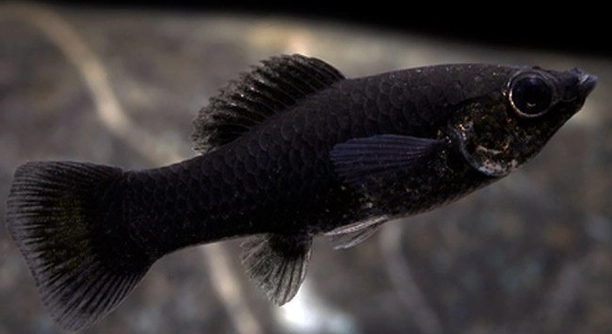
Do you ever find yourself admiring a Black Molly swimming gracefully in its tank? These small, lively fish often form strong bonds with their partners, creating a sense of companionship in the aquarium environment.
Black Mollies can survive alone after a partner dies, provided their tank conditions remain stable. Maintaining proper water quality, a balanced diet, and minimal stressors ensures their continued health and normal behavior despite the absence of a companion.
While they may seem sad initially, solitary Black Mollies can adapt over time. Observing their behavior and making small adjustments supports their well-being and comfort in the tank.
How Black Mollies React to Losing a Partner
Black Mollies are social fish, and losing a partner can change their behavior noticeably. Some may become more reserved, hiding in plants or near the tank’s bottom. Others may swim restlessly, searching the areas their partner once frequented. These reactions are natural and do not indicate illness. Maintaining a consistent routine is key. Feeding at regular times, keeping water temperature stable, and ensuring the tank is clean helps them adjust. You might notice subtle signs of stress, such as slight changes in coloration or slower swimming. Over time, most Black Mollies regain normal behavior. They may begin exploring the tank more and interacting with other tank mates if present. Even though they are alone, providing hiding spots and a well-structured environment reduces stress. Observing their daily habits will help you understand their adaptation pace and ensure they remain healthy and active throughout this adjustment period.
Over time, Black Mollies generally adjust to being alone without long-term issues.
Providing a balanced diet and a stimulating environment is essential. Adding decorations, plants, and gentle currents encourages exploration. Monitoring their behavior daily allows timely intervention if stress signs worsen.
Tips for Supporting a Solitary Black Molly
Keep interactions consistent and avoid sudden changes.
Black Mollies require careful attention after losing a partner to maintain health and activity levels. Start by monitoring water parameters, as fluctuations can increase stress. Ensure the tank is not overcrowded and provide adequate space for swimming. Introducing gentle currents or additional hiding spots can help simulate natural conditions and offer comfort. Feeding small, frequent meals of high-quality food keeps their energy stable and supports immune function. Avoid adding aggressive or highly active fish that may intimidate them. Over time, enrichment like live plants or smooth decorations encourages natural behaviors such as foraging and exploration. Keeping lights on a regular schedule and maintaining a calm environment reduces anxiety. Even without a partner, Black Mollies can thrive with proper care and attention, showing normal activity, coloration, and feeding habits. Observing subtle changes in behavior allows for adjustments, ensuring the fish remains comfortable and healthy. Creating a stable, stimulating environment is the most effective way to support a solitary Black Molly.
Signs of Stress in a Solitary Black Molly
Stress in Black Mollies often shows through changes in behavior or appearance. They may hide more than usual, swim erratically, or show faded colors. Appetite changes can also indicate stress, requiring closer observation and intervention to maintain their health.
Behavioral changes like frequent hiding, darting around the tank, or reduced swimming activity often appear after a partner dies. Some Black Mollies may become less social, avoiding interaction with other tank mates or ignoring feeding routines. Physical signs, such as clamped fins or loss of vibrant coloration, are also common. Stress can weaken their immune system, making them more susceptible to illness, so monitoring water quality and providing a stable environment is critical. Adding plants, gentle decorations, and a consistent feeding schedule helps reduce anxiety and supports recovery. With careful attention, most Black Mollies gradually regain their normal behavior.
Environmental factors play a significant role in stress management. Sudden temperature shifts, poor water quality, or loud vibrations can intensify stress responses. Maintaining a calm, predictable environment with adequate space and enrichment encourages natural behavior. Observing daily routines allows you to notice subtle improvements or setbacks, helping to adjust care promptly. Over time, the fish can become more confident and active, even without a partner. Regular care and attention to their needs are essential to keep a solitary Black Molly healthy and comfortable.
Adjusting Tank Conditions for Solitary Black Mollies
Tank conditions should be stable and predictable to minimize stress. Maintaining temperature, pH, and cleanliness consistently promotes comfort and reduces anxiety in a solitary Black Molly.
A well-maintained tank provides the necessary environment for a Black Molly to thrive alone. Temperature should remain within the species’ preferred range, and water quality should be checked regularly to prevent fluctuations in pH, ammonia, nitrites, or nitrates. Overcrowding or adding aggressive fish can increase stress, so consider tank mates carefully. Providing hiding spots, gentle currents, and varied decorations encourages exploration and natural behaviors. Regular feeding with high-quality, nutrient-rich food supports energy levels and immune health. A stable, enriched tank helps the fish feel secure, reducing stress-related behaviors and promoting long-term health.
Observing how a solitary Black Molly interacts with its environment offers valuable insight. Some may enjoy swimming in open areas, while others prefer staying near plants or decorations. Adjusting tank elements to suit their behavior can help them feel more comfortable. Consistent routines, gentle lighting, and minimal disturbances further support adaptation. Over time, these adjustments allow the fish to regain confidence, maintain healthy activity, and display vibrant coloration despite the absence of a partner. Prioritizing environmental stability is key to long-term well-being.
Feeding Considerations for a Solitary Black Molly
Feeding a solitary Black Molly requires consistency and balance. Provide high-quality flakes, pellets, or frozen foods in small portions multiple times a day to maintain energy and prevent overeating. Regular feeding supports both physical health and stress reduction.
Avoid sudden changes in diet. Introducing new foods gradually allows the fish to adjust without causing digestive upset or stress. Monitor feeding behavior to ensure the fish is eating normally. A consistent diet combined with proper water conditions helps maintain overall health and vibrant coloration.
Enrichment and Stimulation
Adding plants, decorations, and gentle currents keeps a solitary Black Molly active and engaged. These elements encourage natural behaviors like exploring, hiding, and swimming, which reduce boredom and stress, improving overall well-being.
Monitoring Health and Behavior
Regular observation is essential. Look for changes in swimming, coloration, or appetite, as these indicate potential stress or illness that requires attention.
Interaction and Social Alternatives
Although alone, Black Mollies can benefit from subtle interaction. Mirror placement or observing reflections may provide mild social stimulation, helping them remain active and engaged in the tank environment.
FAQ
Can a Black Molly live alone permanently?
Yes, a Black Molly can live alone permanently if the tank environment is stable and well-maintained. Consistent water quality, a proper diet, and an enriched environment with plants and decorations help them stay healthy and active without a partner.
How long does it take for a Black Molly to adjust after losing a partner?
Adjustment time varies between individual fish, but most Black Mollies begin showing normal behavior within a few weeks. Providing hiding spots, stable water conditions, and consistent feeding supports faster adaptation. Observation during this period is important to identify any prolonged stress signs.
Will a solitary Black Molly become depressed?
Black Mollies do not experience depression in the human sense, but they may show temporary behavioral changes such as hiding, reduced activity, or decreased appetite. These signs are usually temporary and improve with a stable environment and proper care.
Should I add a new partner immediately after one dies?
Adding a new partner immediately is not recommended. The surviving Molly may be stressed and less receptive to a newcomer. Allow at least a few weeks for adjustment, ensuring water parameters remain stable before introducing another fish.
How can I tell if my Black Molly is stressed?
Stress can be identified by faded coloration, clamped fins, erratic swimming, hiding, or reduced appetite. Monitoring these signs daily helps you address problems early by adjusting diet, tank setup, or environmental conditions.
Can tank decorations help a solitary Black Molly?
Yes, decorations provide hiding spots, simulate natural habitats, and encourage exploration. Plants, smooth rocks, and gentle currents can help reduce stress and maintain activity, mimicking the presence of companions in a subtle way.
Does a solitary Black Molly need more food?
Not necessarily. Feeding should remain consistent with the species’ normal dietary requirements. Overfeeding can cause water quality issues. Offering small, frequent portions ensures the fish receives adequate nutrition without harming the tank environment.
Is it normal for a solitary Molly to be shy or reserved?
Yes, it is normal for a solitary Black Molly to be more reserved initially. With time, consistent care, and environmental enrichment, most will regain confidence, swim more freely, and explore their tank as before.
Can mirrors or reflections help a lonely Black Molly?
A mirror placed briefly can provide mild stimulation by simulating movement of another fish, but it should not replace natural interaction. Limit mirror exposure to avoid stress or confusion, observing how the fish reacts.
What are the most important things to maintain for a solitary Black Molly?
Stable water parameters, a consistent feeding schedule, environmental enrichment, and regular observation are critical. Attention to these factors ensures physical health, reduces stress, and encourages natural behaviors, allowing a solitary Black Molly to thrive in the tank.
How do I know when my Black Molly has fully adapted to being alone?
Signs of adaptation include normal swimming patterns, bright coloration, regular appetite, and engagement with the environment. Once these behaviors return consistently, the fish is likely comfortable and adjusted to a solitary life.
Are there any risks in keeping a Black Molly alone long-term?
Long-term risks are minimal if care is consistent. Stress or illness can arise from poor water quality, inadequate diet, or lack of stimulation. Proper tank maintenance and enrichment are key to preventing these issues and supporting a healthy, solitary Black Molly.
Final Thoughts
A Black Molly can live alone after losing a partner without serious problems, provided its environment is carefully maintained. These fish are resilient and adaptable, and many can continue to thrive without a companion if basic needs are consistently met. Maintaining stable water parameters, including temperature, pH, and cleanliness, is essential. A sudden change in any of these factors can stress the fish, so consistent monitoring is important. Over time, a solitary Molly will often adjust to its new situation, returning to regular swimming patterns, feeding routines, and general activity. While it may take some weeks for the fish to fully settle, patience and consistent care are key to supporting its well-being.
Providing enrichment is important to keep a solitary Black Molly engaged and healthy. Adding live plants, smooth rocks, and gentle currents in the tank allows the fish to explore and hide as it naturally would in the wild. These additions can reduce stress and encourage natural behaviors like foraging and swimming through different areas of the tank. Feeding should be consistent and balanced, including high-quality flakes, pellets, or frozen food, offered in small portions several times a day. Avoid overfeeding, as excess food can quickly degrade water quality and create additional stress. Observing the fish daily helps identify subtle changes in behavior or coloration, which may indicate stress or health issues. Making small adjustments based on what is observed ensures the fish remains comfortable and active in its environment.
Even though a Black Molly is alone, it can live a long, healthy life with proper care. While it may initially act reserved or less active, this behavior typically improves as it becomes familiar with its surroundings. Social stimulation from tank mates is not always necessary if environmental conditions are ideal, and the fish receives consistent care. Caregivers should focus on stability, enrichment, and attentive observation to maintain the fish’s health. Solitary Black Mollies can develop routines, explore their tanks confidently, and display vibrant coloration over time. By understanding their behavior and responding to their needs, a fish kept alone can experience a high quality of life, demonstrating that companionship is helpful but not strictly necessary for their long-term well-being.

Hello,
If you enjoy the content that we create, please consider saying a "Thank You!" by leaving a tip.
Every little bit helps us continue crafting quality advice that supports the health, happiness, and well-being of pets around the world, for pets of all shapes, sizes, and species.
We really appreciate the kindness and support that you show us!