
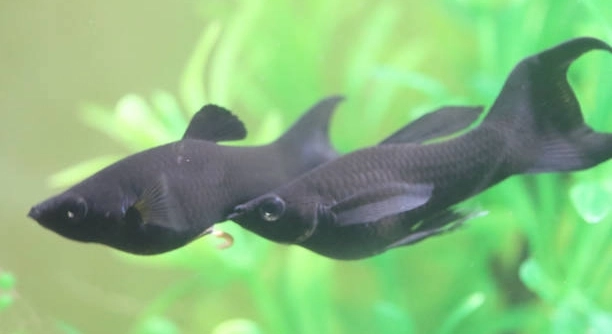
Black Molly Fry are delicate freshwater fish that can experience stress from changes in their environment or care routines. Recognizing early signs helps ensure their well-being and prevents potential health issues before they escalate.
Indicators of stress in Black Molly Fry include unusual swimming patterns, loss of appetite, faded coloration, clamped fins, excessive hiding, rapid gill movement, and increased aggression. Monitoring these behaviors provides a clear understanding of their health status and overall comfort.
Observing these subtle signs allows owners to take action quickly, supporting the fry’s growth and maintaining a stable, healthy aquarium environment.
Unusual Swimming Patterns
Black Molly Fry usually swim calmly in groups, exploring the tank and nibbling on food. When stress hits, their movement can become erratic. Some may dart quickly across the tank, while others may stay frozen in one spot for long periods. Repetitive swimming along the tank glass or crashing into decorations is another warning sign. These behaviors are often caused by sudden changes in water conditions, overcrowding, or incompatible tank mates. Over time, consistent erratic swimming can weaken their immune system, making them more vulnerable to disease. Observing these patterns closely can help you identify early stress before it leads to more serious problems. Adjusting water temperature, providing hiding spots, and ensuring a calm environment can significantly reduce this behavior. Regularly checking water parameters, such as pH and ammonia levels, is essential to prevent recurring stress. A tank that mimics their natural habitat promotes healthier swimming patterns.
Erratic swimming or prolonged inactivity is a clear indication that Black Molly Fry are experiencing stress and need attention.
Providing adequate space and calm surroundings helps the fry regain normal movement. Careful observation allows small interventions to prevent lasting harm.
Loss of Appetite
A stressed Black Molly Fry may refuse food, eat less, or show selective feeding habits. This reduction in appetite is a strong signal that the fish is under pressure.
When fry stop eating, it can lead to slower growth and weaker immunity. Changes in water quality, sudden temperature shifts, or aggressive tank mates often trigger this behavior. Fry may also hide more frequently to avoid perceived threats, further reducing feeding opportunities. Monitoring feeding times and noting changes in consumption can help detect stress early. Offering small portions of familiar foods and maintaining stable tank conditions encourages the fry to eat again. Adjusting lighting, temperature, and reducing disturbances around the aquarium can help restore appetite. In some cases, splitting fry into a separate, quiet tank can reduce competition and stress, allowing them to feed comfortably. Observing their eating habits daily ensures that any issues are addressed quickly, supporting healthy development and overall resilience against environmental pressures.
Faded Coloration
Stress often causes Black Molly Fry to lose their bright colors, appearing pale or dull compared to their usual vibrant tones. This change can be subtle at first but becomes more noticeable over time if the underlying stress persists.
Fading colors are typically linked to poor water conditions, insufficient nutrition, or chronic stress from overcrowding. When fry feel threatened or uncomfortable, their bodies divert energy from pigmentation toward survival, which is why colors dim. Maintaining clean water, feeding a balanced diet, and minimizing sudden environmental changes can help restore their natural hues. In some cases, prolonged stress can make color recovery slower, so addressing the cause quickly is important. Observing color patterns daily helps track their health and detect any underlying issues before they become severe.
Providing enriched environments, with plants and hiding spots, supports color recovery. Healthy fry with stable water and proper food usually regain vibrancy within weeks.
Clamped Fins
Clamped fins occur when Black Molly Fry hold their fins close to their bodies instead of spreading them naturally. This behavior signals discomfort or stress in the tank.
Clamped fins often result from poor water quality, parasites, or sudden environmental changes. Fry may also show reduced activity, staying near the tank bottom or hiding more than usual. This behavior limits swimming efficiency and can interfere with feeding. Regular water checks, gentle handling, and consistent temperatures can prevent clamping. Separating aggressive tank mates or providing more hiding spaces also helps. Persistent fin clamping requires careful observation to ensure it does not lead to infections or stunted growth. By addressing environmental stressors promptly, fry can gradually relax their fins and regain normal behavior.
Reducing stress factors and maintaining stable water conditions encourages healthier fins. Clamped fins usually improve once fry feel secure and comfortable in their environment.
Excessive Hiding
Black Molly Fry may spend long periods hiding when stressed. They often retreat behind plants, decorations, or corners of the tank, avoiding open areas where they feel exposed.
Excessive hiding reduces feeding and interaction with other fry. This behavior is usually caused by overcrowding, aggressive tank mates, or sudden environmental changes.
Rapid Gill Movement
Rapid gill movement is a common stress response in Black Molly Fry. It indicates difficulty breathing, often linked to poor water quality or low oxygen levels. Fry may appear restless, moving quickly near the surface to access more oxygen. Regular water testing and proper aeration help alleviate this stress.
Increased Aggression
Stress can trigger aggressive behavior in Black Molly Fry. They may nip fins or chase other fry more than usual, disrupting tank harmony.
Maintaining stable conditions and adequate space minimizes aggression and keeps fry calm.
What causes stress in Black Molly Fry?
Stress in Black Molly Fry usually comes from sudden changes in their environment. Poor water quality, improper temperature, overcrowding, or aggressive tank mates are common causes. Even small fluctuations in pH or ammonia levels can make fry feel unsafe. Fry are sensitive to new decorations, moving tank plants, or frequent handling, all of which can add to their stress. Maintaining consistent tank conditions and minimizing sudden disturbances helps reduce stress. Regular monitoring of water parameters, careful introduction of new fish, and providing adequate hiding spots create a stable environment where fry feel secure.
How can I tell if my fry are stressed?
Signs of stress in fry are often subtle at first. Look for changes in swimming patterns, loss of appetite, faded colors, or clamped fins. Fry may hide more than usual, show rapid gill movements, or display increased aggression toward each other. Observing these behaviors daily helps detect stress early. Paying attention to small changes, like staying near the surface or refusing food, gives you a chance to address issues before they impact growth or health. Keeping a log of behavior can make patterns easier to identify over time.
What steps can I take to reduce stress?
Maintaining clean, stable water conditions is the most important step. Regularly test for ammonia, nitrites, nitrates, and pH, and perform partial water changes when needed. Ensure the tank is not overcrowded and that fry have plenty of hiding spaces. Introduce new tank mates slowly and avoid sudden changes in lighting or temperature. Feeding a balanced diet in small, frequent portions reduces competition and supports healthy growth. Gentle handling and minimal disturbances during cleaning or observation also help. Creating a calm, predictable environment allows fry to feel safe and reduces visible signs of stress.
Can diet help with stress in Black Molly Fry?
Yes, nutrition plays a role in reducing stress. Providing high-quality fry food with a mix of proteins and essential nutrients supports growth and strengthens the immune system. Avoid overfeeding, which can lead to poor water quality and further stress. Offering small portions multiple times a day encourages feeding without overwhelming the tank. Supplementing with live or frozen foods, like baby brine shrimp or daphnia, can also stimulate natural behaviors and keep fry engaged. Proper nutrition combined with a stable environment allows fry to recover more quickly from stress and maintain vibrant colors and healthy activity levels.
Is tank setup important for stress prevention?
Absolutely. A well-planned tank setup reduces stress by providing areas for hiding, resting, and exploring. Plants, caves, and gentle water flow create a natural and safe habitat. Avoid overcrowding and ensure compatible tank mates are chosen carefully. Regular maintenance and stable lighting help maintain a predictable environment. Even small improvements, like adding floating plants for shade, can significantly reduce stress levels. Observing fry behavior and adjusting the layout gradually allows them to feel more secure. A thoughtfully arranged tank supports healthy development and reduces visible stress symptoms over time.
How quickly can fry recover from stress?
Recovery depends on the severity and duration of stress. Mild stress may be resolved within days if water quality is improved and fry are given a calm environment. Chronic or prolonged stress can take weeks to reverse and may require careful observation, dietary adjustments, and even temporary separation from aggressive tank mates. Early intervention is key. Consistent care, stable conditions, and proper nutrition increase the chances of fry returning to normal activity, vibrant coloration, and healthy growth. Recovery also relies on minimizing recurring stress factors to prevent long-term effects on development.
When should I seek help for stressed fry?
If fry show persistent signs of stress despite improving water conditions and adjusting their environment, further action may be necessary. Consulting experienced aquarists or a veterinarian specializing in fish can help identify less obvious issues like infections or parasites. Early advice prevents long-term damage and ensures fry health. Prompt intervention, combined with careful monitoring, supports recovery and long-term survival.
Black Molly Fry are small, delicate fish that require careful attention to thrive. Stress can have a big impact on their health and development, so recognizing early signs is essential. Common indicators like unusual swimming patterns, clamped fins, faded colors, hiding, loss of appetite, rapid gill movement, and aggression provide clear signals that something in their environment needs adjustment. Even small changes in water temperature, pH, or tank setup can cause fry to feel unsafe, making them more prone to illness and slower growth. Observing fry daily helps catch problems early before they become serious. Paying attention to their behavior and appearance gives owners a better understanding of what conditions make the fry comfortable and what might be causing stress.
Maintaining stable tank conditions is the most effective way to minimize stress. Regularly testing water for ammonia, nitrites, nitrates, and pH ensures that levels remain within safe ranges. Partial water changes, careful cleaning, and avoiding sudden changes in lighting or temperature help create a predictable environment for the fry. Providing hiding spots, plants, and enough space allows them to feel secure and reduces aggressive behavior among tank mates. Overcrowding or introducing new fish too quickly can trigger stress, so gradual adjustments are important. Feeding a balanced diet in small portions several times a day supports growth and strengthens the immune system, making fry more resilient to environmental stressors. By combining stable conditions, proper nutrition, and careful observation, fry are more likely to grow into healthy adult fish.
Stress in Black Molly Fry should never be ignored. Left unaddressed, it can lead to weakened immunity, disease, or even mortality. Early recognition and intervention are key to helping fry regain their natural behavior and coloration. Simple steps like monitoring water quality, providing hiding spaces, maintaining consistent feeding schedules, and minimizing disturbances can make a significant difference. Recovery may take time, but consistent care ensures that fry regain health and confidence in their environment. By understanding the signs of stress and taking proactive measures, owners can create a tank where Black Molly Fry are comfortable, active, and thriving. Supporting their health now will help ensure they grow strong and enjoy long, healthy lives in the aquarium.

Hello,
If you enjoy the content that we create, please consider saying a "Thank You!" by leaving a tip.
Every little bit helps us continue crafting quality advice that supports the health, happiness, and well-being of pets around the world, for pets of all shapes, sizes, and species.
We really appreciate the kindness and support that you show us!