
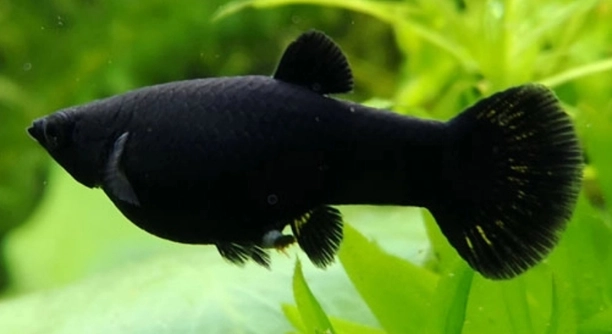
Are you considering adding Black Molly fish to your aquarium but want a setup that doesn’t require too much technology? Black Mollies are popular for their striking color and lively behavior, often drawing attention in small tanks.
Black Molly fish are well-suited for low-tech aquariums due to their adaptability and tolerance of varying water conditions. They thrive in environments with minimal filtration and moderate temperature fluctuations while requiring simple feeding routines and basic care.
Keeping Black Mollies in a low-tech setup can be rewarding, offering color and activity without complex equipment. Their care is manageable, making them a fitting choice for beginner-friendly aquariums.
Understanding Black Molly Behavior
Black Mollies are active, social fish that enjoy swimming in groups. In a low-tech setup, their behavior is easier to observe since they don’t require constant maintenance. They are generally peaceful, but males can show mild territorial tendencies. Providing hiding spots like plants or small decorations helps reduce stress and encourages natural behavior. They adapt well to moderate water conditions and can tolerate minor changes in pH and temperature, making them suitable for tanks without advanced equipment. Feeding is simple, as they accept flake food, frozen brine shrimp, and occasional vegetables. Overfeeding should be avoided to prevent water quality issues, but their hardiness allows them to cope better than more sensitive species. Watching a school of Black Mollies swim together adds life to a low-tech aquarium and helps beginners understand basic fish interactions. Their resilience makes them ideal for those who prefer minimal intervention while still enjoying lively fish behavior.
Their adaptability extends to water changes. Regular partial changes support health without demanding complicated setups.
Mollies also exhibit interesting breeding behavior. In a low-tech tank, live-bearing females can give birth to small fry with minimal disturbance. Providing plants helps fry survive, and the adults typically coexist peacefully with them. Observing their growth and social interactions can be rewarding and educational. Since they do not require strict water parameters, they are manageable for someone seeking low-maintenance care. Watching them thrive with simple care reinforces that even small adjustments in feeding, water, and environment can have noticeable effects on their health and activity levels. Their combination of hardiness, social behavior, and ease of care makes them an excellent option for aquarists who want vibrant, resilient fish without relying on advanced equipment or constant monitoring.
Tank Setup Essentials
Low-tech tanks benefit from simplicity. Gravel or sand substrates work well, and live plants provide both shelter and natural filtration.
Filtration should be basic but sufficient to maintain water quality. A sponge filter or gentle hang-on-back filter ensures circulation without stressing the fish. Heaters are optional, depending on ambient temperature, but Black Mollies tolerate a range of temperatures. Lighting should support plant growth if live plants are included, though it does not need to be intense. Decorations like rocks or driftwood give fish places to explore, reducing aggression and boredom. It’s important to avoid overcrowding, as even hardy fish like Black Mollies can suffer in cramped conditions. By keeping the setup simple, maintenance remains manageable while providing a healthy, stimulating environment for the fish.
Providing hiding spots and moderate plant coverage supports natural behavior and fry survival.
Choosing tank size is important for long-term health. A 20-gallon tank allows enough space for a small school of Black Mollies and their fry. Larger tanks provide more stability in water parameters, which is helpful in a low-tech setup. Live plants are highly beneficial; they reduce nitrates, offer cover, and give the tank a natural feel. Substrate choice affects both aesthetics and plant growth. Gravel is easier to clean, while sand can encourage plant rooting. Decorations should be arranged to create open swimming areas alongside shelters. Feeding schedules should remain consistent, avoiding overfeeding to maintain water quality. Regular partial water changes, even without complex equipment, support the fish’s immune system and overall health. With careful planning, a simple setup can sustain healthy, active Black Mollies that thrive with minimal technological intervention.
Feeding and Nutrition
Black Mollies thrive on a varied diet. Flake foods, frozen brine shrimp, and small vegetable pieces keep them healthy. Avoid overfeeding to maintain water quality and prevent bloating, especially in smaller low-tech tanks.
Regular feeding supports vibrant coloration and active behavior. Mollies appreciate small portions two to three times daily. Live or frozen foods like daphnia and bloodworms supplement nutrition and encourage natural hunting instincts. Occasional vegetables such as zucchini or spinach provide fiber and aid digestion. Consistent feeding schedules reduce stress and help the fish establish a routine. Monitoring their eating habits allows early detection of health issues, keeping the tank balanced without complex interventions.
Feeding habits also influence water conditions. Uneaten food can decompose quickly, impacting tank chemistry. Low-tech setups benefit from careful portion control and observation. By paying attention to both quantity and variety of food, you ensure that Mollies remain healthy and active. Their adaptability allows them to thrive on a simple diet, but maintaining consistent quality prevents common problems like water cloudiness or nutrient deficiencies. Balanced nutrition supports growth, reproduction, and overall vitality in a manageable, low-tech environment.
Breeding Considerations
Black Mollies breed readily in low-tech tanks with minimal intervention. Live-bearing females give birth to free-swimming fry that need shelter from adults.
Providing dense plants or breeding traps ensures fry survival. Water changes support healthy development, but complex filtration is not necessary. Mollies reach sexual maturity quickly, so population can increase fast if unchecked. Controlling the number of males helps reduce aggression and stress during breeding. Observing interactions gives insight into natural behaviors and social dynamics.
Fry management is key for tank balance. Separating young or providing heavily planted areas prevents them from being eaten. Adults tolerate fry well when hiding spots are sufficient. Simple care practices like feeding small amounts frequently and maintaining stable water conditions enhance survival rates. Breeding in low-tech setups is practical, but monitoring numbers ensures the aquarium remains healthy. With basic attention to space, feeding, and plant coverage, Black Mollies reproduce successfully without requiring advanced equipment or constant interference.
Water Quality Basics
Black Mollies tolerate a range of water conditions, but maintaining stable parameters is important. Regular partial water changes prevent the buildup of toxins and keep the fish healthy.
Testing water occasionally helps track pH and hardness. Avoid sudden changes, as Mollies adapt best to gradual shifts. Consistency is more important than perfection in low-tech tanks.
Compatible Tank Mates
Mollies coexist well with peaceful species like guppies, platies, and tetras. Aggressive or fin-nipping fish should be avoided to prevent stress and injury.
Choosing compatible tank mates reduces conflict and maintains a calm environment. Community setups thrive when all species have similar water requirements and temperaments.
Common Health Issues
Black Mollies are hardy but can develop problems from poor water quality or overfeeding. Signs include clamped fins, lethargy, or unusual spots on the body.
Early intervention through water changes and careful observation can prevent minor issues from becoming serious. Quarantine new fish before adding them to avoid disease spread.
Plant Selection
Live plants benefit Mollies by providing hiding spots and improving water quality. Fast-growing species like hornwort or java moss work well in low-tech tanks.
FAQ
Are Black Mollies suitable for beginners?
Yes, Black Mollies are very suitable for beginners. Their hardiness allows them to tolerate minor fluctuations in temperature, pH, and water hardness. They adapt well to low-tech tanks, require simple feeding, and do not need advanced filtration systems. Their active behavior also makes them engaging without demanding constant attention.
How many Black Mollies should I keep together?
A small group of three to six is ideal for a 20-gallon tank. Keeping them in a group helps reduce stress and encourages natural schooling behavior. Overcrowding can lead to aggression, poor water quality, and stunted growth, so maintaining a balanced number is important for their health.
What do Black Mollies eat in a low-tech setup?
Black Mollies thrive on a combination of high-quality flake foods, frozen or live brine shrimp, and occasional vegetable matter such as zucchini or spinach. Feeding small portions two to three times a day is best. Overfeeding can quickly impact water quality, so careful observation and portion control are essential.
Can Black Mollies breed in low-tech tanks?
Yes, they breed readily in low-tech tanks. Females are livebearers, giving birth to free-swimming fry. Dense plants or breeding traps help fry survive by providing hiding spaces. Adults tolerate fry well if sufficient cover is available, and regular partial water changes support their health without needing advanced equipment.
Do Black Mollies need a heater?
A heater is optional. They tolerate a wide temperature range, typically between 72°F and 82°F. In cooler rooms, a heater may help maintain stability, but minor fluctuations are generally manageable. Stability in temperature is more important than precise warmth for their overall health.
What tank size is recommended?
A minimum of 20 gallons is recommended for a small school of Black Mollies. Larger tanks provide more stable water parameters, better space for swimming, and room for fry if breeding occurs. Adequate tank size reduces stress and supports active behavior.
Which tank mates are compatible with Black Mollies?
Peaceful community fish like guppies, platies, and small tetras are ideal. Avoid aggressive or fin-nipping species to prevent stress and injuries. Matching water parameter needs among species helps maintain a calm, healthy environment.
How often should I change the water?
Partial water changes of 20-30% every one to two weeks are sufficient in low-tech setups. Frequent observation of water clarity and fish behavior helps determine if changes should be adjusted. Consistent maintenance keeps the tank stable without relying on complex equipment.
Do Black Mollies need live plants?
While not strictly necessary, live plants provide shelter, improve water quality, and encourage natural behavior. Fast-growing species like hornwort, java moss, or anacharis work well. Plants also help fry survive in community setups by offering hiding spaces.
What health issues should I watch for?
Common issues include fin clamping, lethargy, or white spots caused by parasites or poor water conditions. Overfeeding can lead to bloating or water contamination. Early intervention through water changes, portion control, and quarantine of new fish reduces risks and keeps the population healthy.
Can Black Mollies live in slightly brackish water?
Yes, Black Mollies tolerate mild brackish conditions. Adding a small amount of aquarium salt can improve their health and color, especially for breeding purposes. Sudden changes in salinity should be avoided, as gradual adjustments are better tolerated.
How long do Black Mollies live?
With proper care, Black Mollies typically live three to five years. Consistent feeding, stable water conditions, and monitoring for health issues all contribute to a longer lifespan. Regular partial water changes and attention to tank cleanliness support overall longevity.
Are male Black Mollies aggressive?
Males can show mild territorial behavior, particularly during breeding. Providing hiding spots, ample swimming space, and limiting the number of males helps reduce aggression. Their behavior is manageable and rarely leads to serious conflict in well-maintained tanks.
Is it necessary to quarantine new fish?
Quarantining new fish is strongly recommended. It prevents the introduction of disease or parasites into an established tank. A simple 2-4 week quarantine with observation and minimal treatment ensures that newcomers do not compromise the health of existing Black Mollies.
How can I maintain water quality without advanced equipment?
Regular partial water changes, careful feeding, and the inclusion of live plants are sufficient. A basic sponge or gentle filter provides circulation, while observation of fish behavior and water clarity ensures a healthy environment. Consistency and simplicity are key for low-tech care.
Do Black Mollies require a specific pH?
They tolerate a pH range of 7.0 to 8.5. Stability within this range is more important than exact numbers. Monitoring occasionally is sufficient in low-tech setups, as sudden swings in pH can stress the fish and impact health.
Can I keep only one Black Molly?
Keeping a single Black Molly is not ideal. They are social and thrive in small groups. Isolation may lead to stress, reduced activity, and poor overall health. A minimum of three fish encourages natural behavior and social interactions.
How can I prevent overpopulation in a low-tech tank?
Managing the ratio of males to females helps control breeding. Removing fry or separating adults temporarily prevents overcrowding. Adequate plant coverage allows natural survival without excessive numbers, keeping the tank balanced and stress-free for all fish.
Do Black Mollies require special lighting?
Lighting is primarily for plant growth and aesthetics. Standard aquarium lighting works well, and intensity does not need to be high. Proper light supports plant health, which indirectly benefits Black Mollies by improving water quality and providing natural cover.
Can I keep Black Mollies with shrimp or snails?
Yes, peaceful invertebrates like snails or larger shrimp are compatible. They generally coexist without conflict, and snails can help control algae. Avoid very small or delicate species that might become food for fry.
What is the best way to acclimate new Black Mollies?
Float the bag in the tank for 15-20 minutes to equalize temperature. Gradually add small amounts of tank water over an hour. This helps fish adjust to water chemistry and reduces stress during introduction.
Are there differences between male and female Black Mollies?
Males are smaller with longer fins, while females are larger with rounder bodies to carry fry. Observing these differences helps manage breeding, reduce male aggression, and provide adequate space for pregnant females.
Do Black Mollies require aeration?
Aeration is helpful but not strictly necessary in a low-tech tank. They tolerate moderate oxygen levels, and plants provide natural oxygenation. A sponge filter or gentle flow improves circulation and reduces stagnant areas.
Can I use tap water for a low-tech tank?
Yes, tap water is suitable if treated with a dechlorinator. Black Mollies tolerate a range of hardness and minerals, but stable conditions are essential. Testing water occasionally ensures parameters remain within acceptable ranges for healthy fish.
How fast do Black Mollies grow?
They grow steadily and reach maturity in several months. Growth depends on diet, tank size, and water conditions. Consistent care ensures healthy development without stunting or malformations.
Are Black Mollies active during the day or night?
They are diurnal, most active during daylight hours. Activity includes swimming, grazing on algae, and interacting with tank mates. Proper lighting and space allow them to display natural behaviors.
Can Black Mollies tolerate fluctuating temperatures?
Moderate fluctuations are acceptable, but extremes should be avoided. Gradual changes allow adaptation, whereas sudden shifts can cause stress or illness. Stability in low-tech setups is preferable to precise control.
Do Black Mollies require specific water hardness?
They tolerate moderately hard to hard water. Extreme softness or hardness should be avoided, but they are more forgiving than sensitive species. Consistent hardness supports overall health and reproduction.
How can I improve coloration in Black Mollies?
A varied diet with high-quality flake food, live or frozen protein, and occasional vegetables enhances natural coloration. Healthy water conditions and low stress also contribute to vibrant black hues, keeping the fish visually striking.
What should I do if a Black Molly becomes sick?
Isolate the affected fish in a quarantine tank. Check water parameters and correct any issues. Treat with appropriate medications if necessary, following instructions carefully. Observation and prompt action prevent spread to other fish.
Are Black Mollies prone to parasites?
They are generally hardy but can get external parasites like ich. Maintaining clean water, quarantining new fish, and monitoring behavior helps prevent infestations. Early treatment ensures minimal impact on health and tank balance.
Do Black Mollies jump out of tanks?
They can occasionally jump, especially if startled. A secure lid or hood prevents escapes, keeping the fish safe in low-tech aquariums without complex equipment.
Can Black Mollies live with Betta fish?
Compatibility depends on the Betta’s temperament. Peaceful or female Betta fish may coexist, but aggressive males can stress Mollies. Monitoring interactions and providing hiding spaces helps prevent conflict.
Do Black Mollies require frequent tank cleaning?
Routine partial water changes and substrate maintenance are sufficient. They do not require daily cleaning, making them suitable for low-tech setups. Consistency keeps water quality stable without complex interventions.
Is feeding live food necessary for Black Mollies?
Live food is optional but beneficial. It stimulates natural foraging behavior and provides variety in their diet. Frozen alternatives work equally well in low-tech tanks.
Do Black Mollies tolerate crowded tanks?
They are resilient but overcrowding leads to stress, disease, and poor water quality. Proper stocking and adequate swimming space are important for health and longevity.
Can Black Mollies live in freshwater only?
Yes, they thrive in freshwater, though mild brackish conditions are also tolerated. Freshwater setups are easier to maintain in low-tech tanks and support their natural behavior.
How can I encourage breeding without stress?
Provide sufficient plants and hiding spaces, maintain stable water conditions, and avoid overcrowding. A calm environment promotes healthy reproduction without aggressive behavior.
Are Black Mollies sensitive to light cycles?
They adapt well to standard daylight cycles. Consistent lighting supports plant growth and fish activity, but minor variations do not cause stress or health issues.
Do Black Mollies need substrate for health?
Substrate is optional but helps plant rooting and enhances tank aesthetics. Gravel or sand works well, providing a natural environment without affecting their overall health.
Can Black Mollies coexist with Corydoras catfish?
Yes, they are compatible. Corydoras remain at the bottom, while Mollies occupy mid and top levels. This reduces conflict and allows a balanced community tank.
How often should I feed fry?
Fry require small, frequent feedings multiple times daily. Infusoria, baby brine shrimp, or finely crushed flake food supports growth without polluting the water. Monitoring ensures all fry receive adequate nutrition.
Do Black Mollies produce waste that affects low-tech tanks?
Yes, but their hardy nature and careful feeding prevent excessive buildup. Regular partial water changes and plant coverage mitigate waste-related water quality issues.
Are there color variations of Black Mollies?
Yes, selective breeding produces variations like silver-black or black with slight iridescence. Color intensity depends on diet, water quality, and stress levels. Vibrant hues indicate healthy fish in a low-tech tank.
Do Black Mollies need special decorations?
No, basic hiding spots, plants, and open swimming areas are sufficient. Overcomplicating the tank is unnecessary; simplicity supports both fish health and low-tech maintenance.
Can I mix adult and juvenile Mollies?
Yes, but providing hiding spaces for fry prevents predation. Adults generally coexist peacefully, allowing natural growth and social interaction in a community tank.
Is water temperature more important than pH?
Both are important, but stability in temperature prevents stress more effectively. Sudden pH changes can also be harmful, but minor variations are tolerated if temperature remains steady.
Do Black Mollies require special tank maintenance tools?
No advanced tools are necessary. A siphon for water changes, a basic test kit, and a gentle filter are enough to maintain a healthy, low-tech aquarium.
Are Black Mollies compatible with neon tetras?
Yes, they coexist peacefully. Both species prefer similar water conditions, and their activity levels complement each other, creating a lively but calm community environment.
How do I prevent algae overgrowth?
Balanced feeding, plant coverage, and regular water changes help control algae. Avoid excess nutrients, and moderate lighting supports both plant health and algae prevention.
Can Black Mollies survive in cooler water?
They tolerate slightly cooler temperatures but may be less active. Long-term exposure to low temperatures can slow metabolism and growth. Mild heating is optional for stability.
Do Black Mollies prefer slow or fast-moving water?
They prefer moderate flow. Strong currents can stress them, while stagnant water reduces oxygen levels. A gentle filter provides circulation without creating turbulent conditions.
Is it necessary to separate males and females?
Not strictly necessary. Males and females can coexist, but monitoring ratios prevents excessive breeding and reduces male aggression. Sufficient space and hiding areas are important.
How long should quarantine last for new fish?
Two to four weeks is ideal. Observation during this period ensures the absence of disease and parasites before introducing fish to the main tank.
Do Black Mollies need additional vitamins or supplements?
A varied diet generally provides sufficient nutrition. Occasional supplementation is optional but not required for healthy fish in a low-tech setup.
Can they live in a tank without plants?
Yes, but live or artificial plants improve water quality, provide hiding spots, and encourage natural behavior. Plants enhance both aesthetics and fish well-being.
Are there common mistakes beginners make with Black Mollies?
Overfeeding, overcrowding, and sudden water changes are common mistakes. Observing fish behavior and maintaining consistent care prevents stress and health problems.
Do Black Mollies require regular monitoring?
Yes, regular observation of behavior, feeding, and water clarity is sufficient. Complex monitoring equipment is unnecessary, but attention ensures a healthy, balanced tank.
Can Black Mollies live in community tanks with shrimp?
Yes, larger peaceful shrimp are compatible. Avoid tiny shrimp species that fry or small shrimp may eat. Hiding spaces reduce potential conflicts.
How fast do Black Mollies reproduce?
Females can give birth every four to six weeks under favorable conditions. Fry survival depends on plant coverage and adult behavior. Managing population prevents overcrowding.
Is it okay to use tap water directly for water changes?
Tap water is fine if treated with a dechlorinator. Monitoring parameters occasionally ensures it remains within acceptable ranges for Black Mollies.
Do Black Mollies need strong lighting?
No, standard aquarium lighting is sufficient. Plants may benefit from moderate light, but the fish do not require intense illumination.
Can Black Mollies live with goldfish?
Not recommended. Goldfish produce heavy waste and prefer cooler water, which can stress Black Mollies and compromise water quality.
Do Black Mollies like hiding spots?
Yes, plants, rocks, or decorations reduce stress, prevent aggression, and provide security for fry. Hiding spots improve overall well-being in low-tech tanks.
Can Black Mollies tolerate fluctuating pH?
Minor fluctuations are tolerated, but stability is better for long-term health. Gradual adjustments prevent stress and maintain consistent behavior and growth.
Are Black Mollies prone to fin rot?
They are resistant, but poor water quality or stress increases risk. Maintaining clean water and proper nutrition prevents common bacterial infections.
Do Black Mollies need specialized feeding equipment?
No special tools are required. Hand-feeding with flakes, frozen food, or small vegetable pieces is sufficient for proper nutrition.
Can they live with cichlids?
Generally no. Most cichlids are aggressive and may harm Black Mollies. Peaceful species are better suited for community setups.
Are Black Mollies sensitive to chlorine?
Yes, untreated tap water containing chlorine or chloramine is harmful. Using a dechlorinator ensures safe water for fish.
Do they need regular tank rearrangement?
No, stability in layout helps reduce stress. Only occasional adjustments are necessary for cleaning or plant growth.
Can Black Mollies survive with fluctuating temperatures overnight?
They tolerate minor nighttime drops, but large swings can stress them. Maintaining gradual changes is key for health.
How long do Black Mollies take to acclimate to a new tank?
Typically a few days to a week. Observing eating habits, swimming behavior, and interaction with tank mates helps gauge adaptation.
Do they require weekly water testing?
Occasional testing is sufficient in low-tech setups. Observing water clarity, fish behavior, and partial water changes maintains a stable environment.
Can Black Mollies survive in small tanks?
They survive in small tanks, but limited space increases stress and reduces health. Adequate swimming area is important for long-term well-being.
Are Black Mollies aggressive toward each other?
Males may show mild dominance, but overall they are peaceful. Providing space and hiding spots prevents conflict.
Do Black Mollies need extra calcium or minerals?
Not typically. Standard tap water with appropriate hardness usually meets their mineral requirements.
How can I tell if a Black Molly is pregnant?
Females develop a rounded belly, and a dark gravid spot near the anal fin becomes noticeable as fry develop. Observation ensures proper care before birth.
Can Black Mollies live without filtration?
They survive short-term, but a gentle filter improves water quality and circulation, making maintenance easier and reducing stress.
Do Black Mollies require special care during winter?
Indoor tanks usually maintain stable temperatures. Minimal adjustments are needed, but heaters may help if ambient temperatures drop significantly.
How do I prevent aggressive males from stressing females?
Maintain multiple females per male, provide plants and hiding spots, and ensure sufficient swimming space to reduce competition and harassment.
Can Black Mollies live in a planted tank only?
Yes, live plants provide shelter and contribute to water quality, supporting low-tech setups without extensive equipment.
Are Black Mollies nocturnal?
No, they are active during daylight. Light cycles influence activity, feeding, and plant interactions in the tank.
Do Black Mollies tolerate low oxygen levels?
Moderate oxygen is sufficient. Dense plants can provide additional oxygenation, and gentle water movement helps maintain suitable levels.
Can they live in both freshwater and slightly brackish water?
Yes, they adapt to both environments. Gradual changes prevent stress, and mild brackish conditions can enhance coloration and breeding.
Do Black Mollies need monitoring of ammonia and nitrite?
Occasional checks are sufficient. Consistent partial water changes and careful feeding help maintain safe levels in low-tech tanks.
**Can they live with snails like Nerites or
Black Mollies are a versatile and resilient choice for low-tech aquariums. Their adaptability to a range of water conditions, including moderate temperature and pH fluctuations, makes them ideal for people who prefer simpler tank setups. Unlike more delicate species, they tolerate minor mistakes without serious health consequences. This resilience allows owners to focus on creating a stable and comfortable environment rather than constantly adjusting equipment or monitoring complex parameters. They are social fish, thriving in small groups, which encourages natural swimming patterns and reduces stress. By providing basic essentials such as a tank of adequate size, hiding spots, and a straightforward feeding routine, Black Mollies remain healthy and active. Their hardiness does not come at the cost of visual appeal. Their glossy black coloration and lively movements add interest and vibrancy to any aquarium. They respond well to a consistent schedule of feeding and water maintenance, demonstrating that even simple care routines can support long-term health and happiness in these fish.
In addition to their durability, Black Mollies are rewarding in terms of observing natural behavior. Their social interactions, gentle territorial displays, and breeding patterns are all noticeable in a low-tech setup. Females give birth to live fry without the need for advanced breeding tanks, and the adults generally tolerate fry if there are enough hiding spots. Including plants, rocks, or decorations provides security for both adults and young fish, helping maintain a balanced environment. Feeding remains straightforward, with flake foods, small live or frozen options, and occasional vegetables covering all nutritional needs. Overfeeding should be avoided to prevent water quality issues, but careful portion control and observation are generally sufficient. By keeping the tank simple yet structured, owners can enjoy watching active, healthy fish without excessive intervention. Black Mollies are capable of maintaining vibrant coloration and robust growth when conditions are stable, making them an excellent option for those seeking a low-maintenance yet visually appealing aquarium.
Overall, Black Mollies demonstrate that effective fishkeeping does not always require high-tech setups. They thrive with minimal equipment, basic filtration, and routine partial water changes, making them accessible for beginners and those who prefer simplicity. Observing their behavior, feeding habits, and health provides clear indicators of tank conditions, allowing small adjustments to maintain stability. Their combination of adaptability, peaceful social interactions, and ease of care creates a balanced environment suitable for a range of low-tech aquariums. By prioritizing consistent care, moderate plant coverage, and proper tank size, owners can enjoy a thriving group of Black Mollies without relying on complicated equipment or constant monitoring. These fish are an example of how simplicity and attentiveness can coexist to support a healthy, active, and visually appealing aquatic community.

Hello,
If you enjoy the content that we create, please consider saying a "Thank You!" by leaving a tip.
Every little bit helps us continue crafting quality advice that supports the health, happiness, and well-being of pets around the world, for pets of all shapes, sizes, and species.
We really appreciate the kindness and support that you show us!