
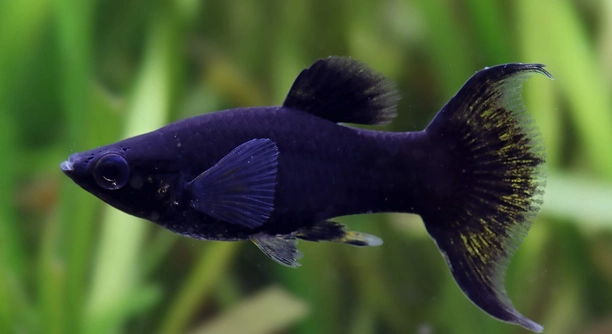
Black Molly fry are small, delicate, and need special care to grow healthy. Setting up a proper tank environment is important for their survival. Providing the right items makes their tank safe and comfortable for daily life.
Seven key items are essential for a Black Molly fry tank, including fine mesh breeders’ nets, gentle filtration systems, floating plants, soft substrate, balanced nutrition, water conditioners, and stable temperature controls. Each item supports fry growth and survival effectively.
Adding the right items ensures the fry thrive and helps you maintain a healthy, manageable tank environment with minimal stress.
Fine Mesh Breeders’ Nets
Using fine mesh breeders’ nets is one of the simplest ways to protect Black Molly fry from being eaten by adult fish. These nets allow the fry to swim freely while keeping them separated from larger tank inhabitants. The mesh size is important; it must be small enough to prevent the fry from escaping but large enough to allow water flow. Position the net in a calm area of the tank to reduce stress and ensure proper oxygenation. Regular cleaning is necessary because debris can build up and reduce water quality. Nets can also be used temporarily while feeding or during water changes, providing flexibility and safety. Over time, fry grow quickly, so adjusting the net placement or size is crucial to accommodate their increasing size. A fine mesh net is an investment in fry survival and contributes to a more organized tank setup with less worry about losses.
Fine mesh nets provide a safe space that allows fry to grow without constant threat from adult fish, increasing survival rates efficiently.
Proper placement and maintenance of the net help prevent overcrowding, ensure consistent water quality, and give fry a stress-free environment to develop their strength and natural behavior.
Gentle Filtration Systems
A gentle filtration system is essential to maintain clean water without harming delicate fry. Strong currents can exhaust or injure them, so a sponge filter or low-flow system is ideal. Sponge filters provide both mechanical and biological filtration while keeping fry safe. Position the filter away from high-traffic areas of the tank and check it regularly to ensure it is functioning properly. Fine bubbles and soft water flow encourage fry to swim naturally without struggling. Cleaning the filter is important to avoid debris buildup, which can degrade water quality and increase disease risk. The system should maintain stable water conditions, including temperature and oxygenation, to support healthy development. Gentle filtration also reduces the need for frequent water changes, making tank maintenance easier and less stressful. Over time, as fry grow, the flow may need slight adjustment to match their strength. Overall, a calm filtration system is vital for survival and growth.
Gentle filtration prevents stress and ensures clean water for healthy fry development.
With careful selection and placement, filtration supports fry growth, prevents ammonia buildup, and maintains water clarity. Sponge filters can also provide surfaces for beneficial bacteria to colonize, stabilizing water chemistry. Fry are particularly sensitive to sudden changes, so consistent maintenance and monitoring are crucial. Gentle filtration reduces mortality, supports natural behavior, and makes tank management smoother. Combining a low-flow filter with periodic water testing ensures the tank environment remains balanced, supporting fry through each developmental stage. Proper care of the filtration system, including regular cleaning and monitoring, can dramatically improve survival rates and allow fry to thrive in a safe, controlled environment. Over time, this stability allows for observation of growth patterns and social behavior while keeping the tank safe for all inhabitants.
Floating Plants
Floating plants provide essential cover for Black Molly fry, helping them hide from adult fish and reducing stress in the tank. They also improve water quality by absorbing excess nutrients and offering surfaces for beneficial microorganisms to grow.
These plants create a calm environment where fry can swim safely. Floating plants such as duckweed, water lettuce, or frogbit block strong light, reducing agitation and giving fry shaded areas. Their roots provide hiding spots, encouraging natural behavior. The plants also help stabilize water by absorbing nitrates, which reduces harmful chemical buildup. Over time, they can create microhabitats that support tiny microorganisms, serving as supplemental food for fry. Maintaining floating plants requires occasional thinning to prevent overcrowding and to keep light penetration balanced for other tank inhabitants.
Adding floating plants benefits both fry and overall tank health. They enhance water quality while offering fry protection and small natural food sources. Regularly trimming and monitoring plant growth keeps the tank environment balanced. Plants also help reduce algae growth by limiting light exposure, making maintenance easier. Fry can explore roots and shaded areas, encouraging active swimming and feeding, which promotes growth. Proper use of floating plants ensures fry remain safe, reduces stress, and contributes to a more stable, natural-feeling tank environment for long-term development.
Soft Substrate
A soft substrate prevents injury to delicate fry while allowing them to explore and forage safely. Fine sand or smooth gravel is ideal.
Soft substrates create a gentle environment that reduces stress and protects fry fins and bodies. They prevent scraping or accidental injuries that can occur with sharp or coarse materials. Soft substrates also provide surfaces for beneficial bacteria to grow, supporting water quality. Fry can dig lightly and interact naturally, encouraging feeding and exploration behaviors. Choosing a substrate that is easy to clean ensures debris does not accumulate, maintaining a healthy environment. Over time, it supports the development of fry by providing a consistent, stable base for their tank activities.
Soft substrate also helps maintain water parameters by trapping debris without causing harm. It encourages natural foraging and allows fry to establish routines safely. Smooth sand or fine gravel is easy to siphon during water changes, reducing stress from sudden disturbances. Substrates with uneven textures can lead to trapped waste or injuries, so selecting uniform, soft material is key. Incorporating live plants or moss on the substrate adds additional hiding spots and enhances bacterial growth, supporting overall water quality. The combination of soft substrate and careful maintenance creates a safer, more natural-feeling environment that supports the fry’s growth and long-term health.
Balanced Nutrition
Balanced nutrition is essential for Black Molly fry growth. Small, frequent feedings with high-quality fry food support development and reduce the risk of malnutrition.
Variety in diet helps fry build strong immune systems. Include finely crushed flakes, powdered food, and micro-worms. Overfeeding can harm water quality, so feed in small amounts multiple times a day to keep the tank clean and fry healthy.
Water Conditioners
Water conditioners remove chlorine, chloramine, and heavy metals from tap water. Using them ensures a safe environment for delicate fry.
Stable Temperature Controls
Maintaining stable water temperature is critical for fry survival. Sudden changes can stress or even kill them. Use a reliable heater and thermometer to keep water consistently within the ideal range for Black Molly fry.
FAQ
What is the ideal temperature for Black Molly fry?
The ideal temperature for Black Molly fry is between 76°F and 80°F (24°C to 27°C). Keeping the temperature consistent helps fry develop properly and prevents stress. Sudden changes in temperature can weaken their immune system, making them more susceptible to disease and slower growth. A reliable heater and thermometer are essential for maintaining this stable environment. Avoid placing the tank in direct sunlight or near drafts, as these can cause rapid fluctuations. Observing the fry’s behavior can also indicate if the water is too cold or too warm.
How often should I feed Black Molly fry?
Black Molly fry should be fed small amounts multiple times a day, usually three to four times. Their small stomachs digest food quickly, so frequent feedings provide steady nutrition. Overfeeding can pollute the water and lead to health issues. Use finely crushed flakes, powdered fry food, or small live foods like infusoria or micro-worms. Monitor how much the fry eat within a few minutes and remove any uneaten food. Proper feeding schedules promote healthy growth, strong coloration, and active swimming habits. Gradually increase food size as fry grow larger.
What types of food are best for fry?
High-quality powdered fry food, crushed flakes, and small live foods like micro-worms or baby brine shrimp are best. These foods are easy for fry to eat and provide essential nutrients for growth. Avoid large pellets or adult fish food until the fry are bigger. Rotating between different types of food ensures they get proteins, fats, and vitamins needed for healthy development. Live foods also encourage natural hunting behavior and activity. Feeding a variety of foods helps prevent nutritional deficiencies and supports strong bones, fins, and coloration as the fry mature.
How can I protect fry from adult fish?
Using a fine mesh breeders’ net or a separate fry tank is the most effective way. Adult fish may eat fry if left unprotected. Floating plants and dense decorations can provide additional hiding spaces. Even with protection, monitor interactions regularly to ensure all fry are safe. Adjust net placement or separate fry into smaller groups as they grow. Proper protection reduces stress, prevents injury, and increases survival rates. Fry feel safer in calm areas with limited strong currents and ample hiding spots.
How often should water changes be done?
Small, frequent water changes of about 10-20% per week are ideal for fry tanks. Large water changes can shock the fry and disturb their environment. Always use conditioned water to avoid chlorine or heavy metal exposure. Monitoring water parameters, including ammonia, nitrite, and nitrate, ensures water stays safe. Consistent maintenance keeps the tank clean, supports healthy growth, and reduces the risk of disease. Water changes also help control debris buildup from uneaten food, preventing harmful chemical spikes.
When can fry be moved to the main tank?
Fry can be moved once they are large enough to avoid being eaten by adult fish, usually around 1 inch in length. They should also be strong swimmers and healthy, showing proper coloration and behavior. Introduce them gradually to the main tank’s water conditions to prevent shock. Ensure there are hiding spots and gentle areas where they can adjust. Moving fry too early can increase mortality. Observing growth patterns and health ensures they are ready to join other fish safely.
How do I maintain water quality for fry?
Use gentle filtration, regular water changes, and avoid overfeeding. Soft substrates and live plants help maintain balance. Test water parameters regularly and adjust as needed. Remove uneaten food and debris promptly. Maintaining stable temperature and using water conditioners also improves water quality. Proper care reduces stress, prevents disease, and supports healthy fry development.
How long does it take for fry to grow into adults?
Black Molly fry generally reach adult size in 3-4 months, depending on diet, water quality, and tank conditions. Regular feeding, stable temperature, and proper care accelerate growth. Growth can vary slightly between individuals. Observing progress helps ensure they are developing healthily and ready for adulthood.
Black Molly fry require careful attention to grow healthy and strong. Providing the right environment in their tank is essential, starting with protection from adult fish. Fine mesh breeders’ nets or a separate fry tank give them space to swim freely while staying safe. Floating plants and dense decorations add extra hiding spots, which reduce stress and encourage natural behavior. Even small details, like gentle water flow and soft substrates, make a difference in fry survival. By focusing on creating a calm and secure environment, you help the fry develop their strength and improve their chances of reaching adulthood successfully.
Nutrition is equally important for their growth. Feeding small amounts multiple times a day ensures they receive enough nutrients without overloading the water with waste. A variety of foods, including powdered fry food, crushed flakes, and small live foods like micro-worms or baby brine shrimp, helps support strong immune systems, healthy fins, and vibrant coloration. Overfeeding or using food that is too large can cause problems, so monitoring how much they eat and adjusting portions is necessary. Balanced nutrition combined with stable water conditions promotes steady growth and keeps fry active and alert, which is a sign they are thriving.
Maintaining water quality and stability supports every aspect of fry development. Using gentle filtration, conditioning the water, and keeping the temperature steady reduces stress and the risk of disease. Regular water changes, careful monitoring of ammonia and nitrate levels, and the use of live plants help keep the tank clean and safe. Each of these factors works together to provide a controlled environment where fry can grow naturally and healthily. Paying attention to these details allows for better long-term success and a more enjoyable experience keeping Black Molly fry. Consistency in care and observation ensures they reach maturity with minimal problems, making all the effort worthwhile.

Hello,
If you enjoy the content that we create, please consider saying a "Thank You!" by leaving a tip.
Every little bit helps us continue crafting quality advice that supports the health, happiness, and well-being of pets around the world, for pets of all shapes, sizes, and species.
We really appreciate the kindness and support that you show us!