
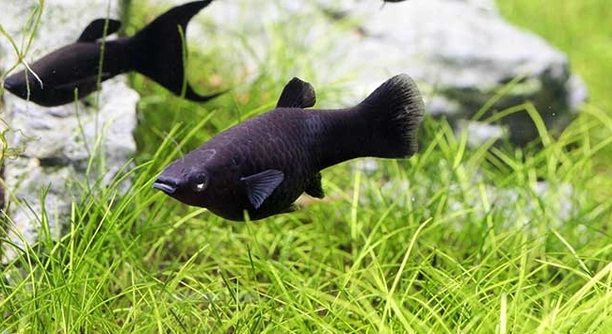
Are your black mollies showing unusual movements in the tank that catch your attention? Observing their behavior closely can help you understand their health and comfort in the aquarium environment. Small signs often reveal important details.
Tail flicking in black mollies is often a response to stress, territorial behavior, or water quality issues. It can indicate agitation or discomfort, and monitoring tank conditions and social interactions can help reduce this behavior effectively.
Learning more about these patterns can help you create a healthier environment. Understanding why your molly acts this way ensures its well-being and keeps your aquarium balanced.
Common Causes of Tail Flicking
Tail flicking in black mollies often happens because of stress, poor water quality, or social dynamics in the tank. Sudden changes in temperature, pH, or chemical levels can irritate them. Overcrowding or aggressive tank mates may also cause your molly to react defensively. Even subtle changes, like moving decorations or introducing new fish, can trigger this behavior. Observing patterns helps you understand whether the flicking is occasional or persistent. Consistent flicking often points to an underlying issue that needs attention, rather than normal swimming behavior. Some mollies are naturally more active and may flick their tails as a response to excitement or minor disturbances. Ensuring the tank is stable, properly filtered, and spacious enough can reduce tail flicking. Watching your fish during feeding and rest times can provide clues about environmental or social stressors affecting them and allow you to make simple adjustments for comfort.
Proper monitoring and adjusting conditions often eases tail flicking quickly. Small changes can have a big impact.
A balanced diet, clean water, and careful observation form the core of preventing tail flicking. Regular water changes and keeping parameters stable improve their overall health. Avoiding aggressive fish and maintaining a calm environment helps your molly feel secure. Observing how they interact with tank mates can reveal if social stress is present. Adjusting decorations or hiding spots allows shy mollies to find comfort. Keeping temperature and pH consistent reduces environmental stress. Feeding high-quality food supports strong immunity and activity. When tail flicking persists, it may indicate illness, so consulting a vet familiar with fish is wise. Overall, attention to these factors ensures your black molly remains healthy, active, and comfortable in the tank.
Signs of Stress in Black Mollies
Stress in mollies is noticeable through sudden changes in behavior or appearance. Flicking tails, rapid swimming, or hiding more than usual are common indicators.
Beyond tail flicking, mollies may lose color, eat less, or show labored breathing when stressed. These behaviors can signal water quality issues, illness, or bullying by other fish. Stress affects immunity, making mollies more vulnerable to infections or parasites. Observing how your fish respond to new tank mates, feeding, and environmental changes helps identify triggers. Adjusting water conditions, providing hiding spots, and keeping a calm environment significantly reduces stress. Monitoring your molly daily for unusual activity ensures early detection of problems, allowing you to respond before issues escalate. Consistent care, including temperature stability, proper filtration, and a balanced diet, helps maintain both mental and physical health. Taking time to notice these signs allows you to intervene quickly, ensuring your black molly thrives without ongoing distress.
Water Quality and Its Impact
Dirty or unbalanced water is a major reason black mollies flick their tails. High ammonia, nitrite, or nitrate levels create stress and discomfort. Maintaining clean, stable water reduces this behavior significantly.
Keeping water clean involves regular changes, proper filtration, and testing parameters consistently. Mollies are sensitive to shifts in pH, temperature, and chemical levels. Even small amounts of chlorine or sudden changes in hardness can irritate them. Observing their behavior after adjustments helps determine if water quality is the cause. Overcrowded tanks worsen the problem, as waste accumulates faster. Using a reliable water test kit and replacing 20-25% of water weekly maintains a healthy environment. Clean water not only reduces tail flicking but also supports immune function, growth, and overall activity. By monitoring tank conditions carefully, you can prevent stress-related behaviors before they escalate.
Stable water quality is crucial for mollies’ health. Minor fluctuations can trigger stress, but consistent care keeps them comfortable and active.
Tank Setup and Social Dynamics
Mollies flick their tails when they feel threatened by tank mates or overcrowding. Proper spacing and compatible fish reduce stress and aggression.
Social interactions affect tail flicking, especially in small or poorly arranged tanks. Aggressive or overly active fish can intimidate mollies, causing frequent flicking and hiding. Adding plants, caves, or decorations creates safe zones, giving timid fish room to retreat. Maintaining a balanced ratio of males to females helps prevent territorial disputes. Observing how your molly responds to new additions informs future tank management. Adjusting the layout or separating aggressive individuals often improves behavior. Lighting and water flow also play roles; mollies prefer calm currents and moderate light levels. Paying attention to these factors ensures your fish feel secure and reduces unnecessary stress, leading to calmer, healthier behavior overall.
Feeding Habits and Tail Flicking
Overfeeding or inconsistent feeding schedules can cause stress in black mollies. Too much food pollutes the water, prompting discomfort and tail flicking.
Feeding low-quality or inappropriate food may upset digestion and irritate the fish. Balanced, moderate portions reduce stress and keep the tank clean, supporting calmer behavior and overall health.
Illness and Parasites
Illness or parasites can lead to tail flicking as a response to irritation or discomfort. Common signs include lethargy, spots, or unusual swimming patterns. Regular observation and early treatment are essential. Proper quarantine procedures for new fish help prevent spreading diseases.
Observation and Monitoring
Tracking your molly’s behavior over time helps identify patterns. Note when tail flicking occurs, what triggers it, and how long it lasts to determine causes.
FAQ
Why is my black molly flicking its tail constantly?
Constant tail flicking usually indicates stress, irritation, or discomfort. Poor water quality, aggressive tank mates, overcrowding, or illness can all trigger this behavior. Observing your molly’s environment and behavior carefully helps identify the source. Adjusting tank conditions, cleaning water, and providing hiding spots often reduce persistent flicking.
Can tail flicking be a normal behavior?
Yes, occasional tail flicking can be normal, especially during feeding, swimming, or minor excitement. Mollies are active fish, and short bursts of flicking do not always indicate a problem. It becomes concerning when the behavior is frequent, prolonged, or accompanied by other signs of stress or illness.
How can I tell if water quality is causing the flicking?
Watch for other stress indicators like gasping at the surface, hiding, or lethargy. Testing ammonia, nitrite, nitrate, and pH levels regularly can confirm water issues. Even small chemical imbalances can irritate mollies, so maintaining stable parameters and performing regular water changes is crucial.
Could tank mates be causing stress?
Aggressive or overly active fish may intimidate mollies, causing tail flicking and hiding. Observing interactions helps determine if social stress is the problem. Separating aggressive individuals, adding plants or decorations for hiding spots, and maintaining an appropriate male-to-female ratio often improves behavior.
Can diet affect tail flicking?
Yes, feeding too much or providing low-quality food can upset digestion and pollute the water. Balanced, moderate portions of high-quality flakes, pellets, or occasional live food support health and reduce stress-induced flicking. Avoid overfeeding to keep both fish and water conditions stable.
When should I suspect illness or parasites?
Tail flicking accompanied by lethargy, loss of appetite, abnormal swimming, or visible spots may indicate disease or parasites. Promptly isolating the affected fish and consulting a veterinarian experienced with aquarium species helps prevent further spread and ensures proper treatment.
Do environmental changes trigger flicking?
Yes, sudden temperature shifts, strong currents, or changes in tank setup can provoke tail flicking. Mollies are sensitive to their surroundings, and gradual adjustments, stable water parameters, and calm lighting reduce stress-related flicking.
How long does it take for tail flicking to stop after correcting issues?
Behavior may improve within hours or days after resolving water, diet, or social problems. Persistent flicking beyond a week, despite proper conditions, suggests illness or deeper stress requiring further attention. Patience and careful observation are essential.
Is tail flicking harmful to my molly?
Occasional flicking is harmless, but frequent, prolonged flicking indicates stress or discomfort that may affect health over time. Addressing underlying causes ensures your molly remains healthy, active, and comfortable.
Can preventive measures reduce tail flicking?
Yes, consistent water maintenance, balanced feeding, compatible tank mates, and secure hiding spaces minimize flicking behavior. Monitoring your fish and responding early to changes ensures long-term well-being and reduces stress-related issues.
Are black mollies more prone to tail flicking than other fish?
They can be sensitive to environmental changes and social stress, making flicking more noticeable. Proper tank management, diet, and observation help mollies stay calm, active, and healthy, reducing the frequency of this behavior.
Should I isolate my molly if flicking persists?
Isolation is only necessary if the flicking is linked to aggression, illness, or parasites. Quarantine in a separate tank allows monitoring, treatment, and recovery without disturbing the main community, preventing stress for both the molly and other fish.
Does tank size affect tail flicking?
Yes, cramped or overcrowded tanks increase stress and cause frequent flicking. Providing adequate space and minimizing competition for resources reduces agitation. A well-planned layout with hiding spots ensures mollies feel secure and minimizes aggressive interactions.
How often should I check on my molly’s behavior?
Daily observation is ideal. Noticing changes in swimming patterns, tail flicking, or social interactions helps catch problems early. Regular monitoring, combined with water testing and tank maintenance, ensures a healthy and calm environment for your fish.
What other behaviors often accompany tail flicking?
Hiding, rapid darting, loss of appetite, or gasping at the surface often accompany tail flicking. These signs indicate stress, poor water quality, illness, or social issues, highlighting the importance of immediate intervention to maintain your molly’s health.
Can temperature fluctuations cause flicking?
Yes, sudden changes in water temperature can irritate mollies. Keeping a stable, appropriate temperature range with a reliable heater and thermometer reduces stress and prevents flicking caused by environmental shock.
Is it okay to leave flicking unaddressed if the molly seems fine?
Occasional flicking is normal, but ignoring frequent or prolonged flicking can lead to stress-related health issues. Addressing potential causes early ensures your molly remains comfortable, healthy, and active over time.
How do hiding spots help reduce tail flicking?
Providing plants, caves, or decorations allows timid mollies to retreat when stressed. Secure areas reduce fear and territorial disputes, helping mollies feel safe and lowering the frequency of tail flicking in the tank.
Can adding new fish trigger flicking?
Yes, introducing new fish may cause temporary tail flicking due to social stress or territorial adjustment. Gradual acclimation, careful observation, and providing hiding spaces help mollies adjust without long-term stress.
Are there specific signs that indicate improvement?
Reduced tail flicking, regular swimming, active feeding, and interaction with tank mates signal improvement. Monitoring these behaviors confirms that changes in water, diet, or environment are effective and that your molly is adjusting well.
What long-term practices help prevent flicking?
Consistent tank maintenance, high-quality food, compatible fish, stable environmental conditions, and daily observation are key. Preventive care ensures your black molly remains healthy, reduces stress, and minimizes flicking behavior over the long term.
How do I balance multiple factors causing flicking?
Addressing water quality, diet, social interactions, and tank setup together yields the best results. Observing patterns and making gradual improvements allows mollies to adjust comfortably, reducing stress-induced tail flicking effectively and sustainably.
Are certain times of day worse for tail flicking?
Tail flicking often increases during feeding, sudden movements near the tank, or periods of high activity. Observing daily routines helps identify triggers, allowing adjustments in feeding times, lighting, and tank activity to reduce stress.
Can tank decorations affect behavior?
Yes, sharp or overcrowded decorations can stress mollies and trigger flicking. Smooth surfaces, open swimming areas, and strategically placed hiding spots create a safe environment that encourages calm behavior and reduces irritation.
Does flicking indicate pain?
Tail flicking is generally a stress or irritation response rather than direct pain. However, persistent flicking with signs of illness may indicate discomfort. Prompt intervention, water checks, and veterinary consultation help prevent prolonged suffering and maintain health.
How important is consistency in care?
Consistency in feeding, water maintenance, temperature, and social arrangements is vital. Mollies respond well to stable routines, reducing stress-induced flicking and promoting overall health, activity, and comfort in the tank.
Can flicking signal reproductive behavior?
Occasionally, males may flick tails during courtship or territorial displays. This behavior is usually brief and occurs alongside chasing or displaying to females. Differentiating normal reproductive flicking from stress-related flicking is important for proper care.
How do I track flicking patterns effectively?
Keep a simple log of when tail flicking occurs, environmental conditions, feeding times, and social interactions. Over time, patterns emerge, helping you identify triggers and make informed adjustments for your molly’s comfort and well-being.
Is professional help necessary for persistent flicking?
If tail flicking continues despite proper care, consulting a veterinarian experienced with fish is recommended. Persistent flicking may indicate underlying illness, parasites, or stress that requires professional diagnosis and treatment for recovery.
Can flicking ever resolve on its own?
Mild flicking due to minor disturbances may subside naturally. However, consistent or prolonged flicking usually requires intervention to address stressors or environmental issues to prevent long-term health problems.
Do black mollies communicate with tail flicking?
Tail flicking is more often a stress or irritation signal than a communication method. However, it can indicate dominance, agitation, or environmental response within the tank, helping you gauge their comfort and interactions.
How can I reduce flicking during feeding?
Offer food in small, controlled portions and avoid sudden movements near the tank. Feeding in calm conditions reduces excitement or competition-induced flicking, supporting a more relaxed environment.
Does tank location matter for flicking?
Yes, placing the tank near high traffic, loud noises, or direct sunlight can stress mollies. A quiet, stable location helps reduce flicking and ensures your fish feel secure in their environment.
How long should I observe before making changes?
Observe for several days to a week to confirm patterns before making major adjustments. Tracking behavior ensures interventions address the real causes rather than temporary or random flicking episodes.
Can flicking indicate fatigue or overexertion?
Intense swimming or strong currents may cause temporary flicking from fatigue. Adjusting water flow and providing calm areas allows mollies to rest and reduces flicking caused by physical stress.
Are there signs of permanent damage from flicking?
Occasional flicking does not cause harm, but chronic stress from environmental issues or illness may affect overall health, growth, and immune function. Addressing causes early prevents long-term negative effects on your molly.
What equipment helps reduce flicking?
Reliable filters, heaters, thermometers, and water testing kits ensure stable conditions. Proper equipment maintains water quality, temperature, and overall environment, minimizing stress-induced flicking and supporting healthy fish behavior.
Is tail flicking more common in certain ages or sizes?
Juvenile mollies may flick tails more as they explore or respond to stress, while adults may flick in response to social dynamics or environmental changes. Monitoring both age groups ensures appropriate care for all tank inhabitants.
How do I balance hiding spots and swimming space?
Provide enough plants or caves for security without overcrowding the tank. Open swimming areas reduce competition and allow calm movement, minimizing flicking caused by stress or territorial disputes.
Can seasonal changes affect flicking?
Yes, changes in room temperature or daylight can influence water temperature and behavior. Maintaining consistent environmental conditions year-round helps mollies remain comfortable and reduces flicking triggered by seasonal fluctuations.
Should I worry if only one molly flicks its tail?
Isolated tail flicking may indicate individual stress, sensitivity, or minor health issues. Observing that fish closely and checking environmental factors helps determine if intervention is needed or if it’s normal behavior.
How do I prevent flicking when adding new decorations?
Introduce new items gradually, monitor reactions, and ensure smooth surfaces. Providing familiar hiding spots nearby helps mollies adjust without stress-induced flicking, maintaining a calm tank environment.
Does lighting affect tail flicking?
Bright or fluctuating lighting can cause stress. Mollies prefer moderate, stable light. Adjusting light intensity or using timers creates a comfortable routine that reduces stress-related flicking and supports natural activity patterns.
Can flicking indicate boredom or lack of stimulation?
Occasionally, flicking occurs if mollies are under-stimulated or lack enrichment. Adding plants, decorations, or gentle water flow encourages exploration, reduces restlessness, and minimizes flicking caused by inactivity or environmental monotony.
Is it helpful to keep a tank journal?
Yes, logging feeding, water parameters, social interactions, and flicking behavior helps identify triggers and track improvements over time. A journal allows systematic adjustments for long-term molly health and comfort.
How do I balance multiple mollies in one tank?
Maintain proper space, hiding spots, and a balanced male-to-female ratio. Monitor social behavior, adjust tank layout, and separate aggressive individuals to minimize flicking caused by social stress or territorial disputes.
Are there warning signs before flicking escalates?
Signs include minor tail flicks, hiding, or slight color changes. Early recognition allows preventive action, such as checking water quality or tank setup, to stop stress from escalating into persistent flicking.
Can flicking affect other fish?
Stress-induced flicking may signal agitation or environmental issues to other fish, potentially increasing overall tank stress. Maintaining calm conditions benefits all inhabitants and prevents chain reactions of stress behaviors.
Does water flow influence flicking?
Strong currents can tire mollies and trigger tail flicking. Adjusting flow to moderate levels allows comfortable swimming and reduces stress-related behavior, especially in small or young fish.
How do I respond to sudden increases in flicking?
Check water parameters, tank mates, feeding routines, and environmental changes immediately. Sudden spikes often indicate acute stressors, requiring prompt intervention to prevent health problems and reduce flicking behavior.
Can flicking indicate aggression?
Occasionally, males flick tails during territorial displays. Observing chasing, nipping, or dominance behaviors helps differentiate aggression from stress. Managing social dynamics and providing space reduces conflicts and unnecessary flicking.
What’s the role of quarantine in preventing flicking?
Quarantining new fish prevents disease introduction, reduces stress, and helps maintain stable social dynamics. Healthy, acclimated fish are less likely to trigger tail flicking in existing tank mates, supporting overall tank harmony.
Is there a correlation between tank size and flicking frequency?
Yes, small or overcrowded tanks increase stress and tail flicking. Providing ample swimming space, hiding spots, and compatible fish ensures a calm environment and minimizes repetitive flicking behaviors.
Does water hardness or salinity affect flicking?
Black mollies prefer slightly brackish water. Incorrect hardness or salinity can irritate them, causing tail flicking. Regular testing and gradual adjustments create a stable, comfortable habitat, supporting healthy behavior.
Can flicking indicate reproductive readiness?
Male flicking during displays or chasing females is natural during breeding. Brief flicking combined with courtship behaviors is normal and should not be mistaken for stress unless persistent or accompanied by other health issues.
How long does it take for mollies to adjust to a new tank?
Adjustment can take days to weeks, depending on water stability, tank mates, and environment. During this time, occasional flicking is normal, but prolonged stress indicates the need for changes in conditions or social arrangements.
Are there signs that flicking is due to boredom?
Restlessness, repeated swimming patterns, or mild flicking without stressors can indicate lack of stimulation. Adding plants, decorations, and gentle water movement encourages natural exploration and reduces flicking caused by inactivity.
What daily routine helps prevent flicking?
Feeding on schedule, checking water quality, observing behavior, and maintaining consistent lighting and temperature minimize stress. A steady routine promotes calm, comfortable mollies with less tail flicking and healthier tank dynamics.
How do I handle multiple triggers at once?
Address water quality, tank setup, diet, and social interactions together. Gradual, consistent improvements in multiple areas allow mollies to adjust safely, reducing flicking caused by overlapping stress factors while maintaining overall health.
Does flicking ever indicate curiosity?
Occasionally, minor tail flicks occur when exploring or reacting to new stimuli. This behavior is brief and not harmful, distinct from prolonged stress-induced flicking that signals discomfort or agitation.
Is it normal for flicking to vary by time of day?
Yes, activity levels influence flicking. Mollies may flick more during feeding or periods of heightened movement. Observing patterns helps distinguish normal behavior from stress-related flicking, guiding adjustments in tank care.
Can overstocking increase flicking?
Yes, too many fish increase competition, aggression, and stress, leading to frequent tail flicking. Maintaining proper stocking levels ensures space, resources, and social harmony, reducing irritation and improving overall tank health.
Do flicking patterns differ between males and females?
Males may flick tails more during displays or territorial behavior, while females may flick in response to stress. Understanding these differences helps distinguish natural behavior from stress or environmental issues.
How do I know if flicking is temporary or persistent?
Monitor daily for several days to track frequency, triggers, and duration. Temporary flicking is brief and situational, while persistent flicking occurs repeatedly and may indicate underlying issues requiring intervention.
Does temperature stability prevent flicking?
Yes, maintaining a consistent, appropriate temperature reduces stress. Sudden drops or spikes can trigger flicking, so heaters and thermometers are essential for a calm, healthy environment.
Can flicking indicate discomfort from sharp objects or substrate?
Yes, rough or sharp decorations, rocks, or gravel may irritate mollies, causing tail flicking. Smooth surfaces and safe substrate options help prevent stress-related behavior and maintain overall comfort.
Is flicking more common in new tanks?
Yes, new tanks may trigger temporary flicking as mollies adjust to unfamiliar water, layout, or tank mates. Proper cycling, acclimation, and gradual changes reduce prolonged stress and allow safe adaptation.
How do I differentiate normal flicking from stress-induced flicking?
Normal flicking is brief, situational, and occurs with activity or exploration. Stress-induced flicking is frequent, prolonged, and often accompanied by hiding, color changes, or abnormal swimming. Observing patterns and tank conditions helps identify the cause accurately.
Are tail flicks linked to feeding competition?
Yes, competition during feeding can trigger flicking, especially in smaller or overcrowded tanks. Spreading food evenly and providing calm feeding conditions minimizes stress-related behavior.
Do mollies flick more in groups or alone?
Group dynamics influence flicking. Shy or smaller mollies may flick tails in response to dominant fish, while isolated individuals may flick less unless stressed by environmental factors. Monitoring social behavior is key.
Can flicking indicate fatigue after swimming in strong currents?
Yes, mollies may flick tails temporarily if overexerted. Adjusting flow and providing calm areas allows rest and reduces stress-related flicking caused by physical strain.
Is tail flicking a good indicator of overall fish health?
Yes, consistent flicking often signals stress, environmental issues, or illness. Observing this behavior alongside diet, color, and activity helps assess your molly’s overall well-being and detect potential problems early.
Can flicking be reduced with enrichment?
Yes, adding plants, decorations, and gentle water flow provides stimulation and security, reducing boredom and stress-induced flicking while encouraging natural exploration.
Does flicking ever indicate pain from injury?
Occasionally, tail flicking may result from minor injuries or fin irritation. Persistent flicking combined with visible damage requires prompt attention to prevent further stress or infection.
How do I combine observation with preventive care?
Daily checks, water tests, and monitoring social interactions, diet, and behavior allow early identification of flicking triggers
Black mollies are sensitive fish, and tail flicking is one of the most noticeable behaviors they display when something is off in their environment. Observing this behavior closely can give valuable insight into their overall health and comfort. While occasional flicking can be part of normal swimming or minor excitement, frequent or prolonged flicking often indicates stress, irritation, or environmental discomfort. Stress can arise from several sources, including water quality, tank mates, overcrowding, feeding routines, or illness. Paying attention to these factors is essential, as mollies rely heavily on a stable environment to thrive. Subtle changes in water temperature, pH, or chemical balance can create discomfort, even if the tank seems clean and well-maintained. Similarly, aggressive fish or territorial disputes may lead to social stress, making tail flicking more frequent. By monitoring these factors and understanding your molly’s behavior patterns, you can better support its health and reduce unnecessary stress.
Maintaining proper tank conditions is one of the most effective ways to reduce tail flicking and support overall well-being. Regular water testing, consistent partial water changes, and proper filtration help maintain clean and stable water, which mollies need to remain comfortable. Providing adequate space and thoughtful tank layout also plays a significant role. Open swimming areas combined with hiding spots such as plants, caves, or decorations allow mollies to feel secure while exploring. Feeding high-quality, balanced food in appropriate portions prevents digestive issues and reduces water pollution, which can otherwise contribute to irritation. Social dynamics should also be carefully managed, particularly with multiple males or aggressive tank mates. Observing interactions and making adjustments when necessary ensures that mollies are not constantly stressed by competition or harassment. Small changes in the environment can make a significant difference in behavior, often calming tail flicking within days.
Understanding your black molly’s tail flicking requires consistent observation and attention to both environmental and social factors. Keeping a log of behavior, water parameters, feeding times, and tank interactions can reveal patterns that help identify causes. Addressing flicking early prevents minor stress from becoming a larger health issue. While occasional tail flicking is harmless, persistent flicking should prompt investigation and adjustments to ensure comfort and well-being. Over time, maintaining stable water conditions, providing a balanced diet, arranging compatible tank mates, and offering enrichment creates an environment where your molly can thrive. Tail flicking can then become an occasional, natural behavior rather than a sign of ongoing stress, allowing your black molly to remain active, healthy, and calm in its home.

Hello,
If you enjoy the content that we create, please consider saying a "Thank You!" by leaving a tip.
Every little bit helps us continue crafting quality advice that supports the health, happiness, and well-being of pets around the world, for pets of all shapes, sizes, and species.
We really appreciate the kindness and support that you show us!