
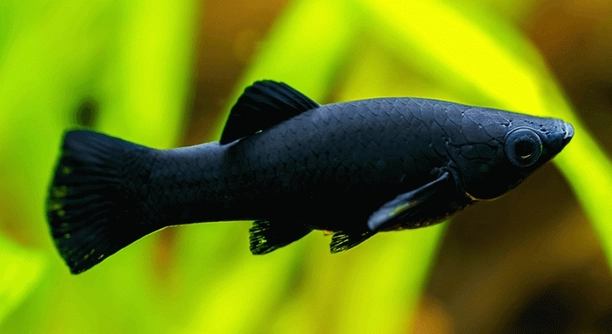
Are your Black Molly fry growing quickly and showing signs of curiosity around food? Watching them interact with their environment can reveal important clues about their readiness for more substantial meals. Observing behavior closely helps ensure proper growth.
Black Molly fry are ready for solids when they actively swim in search of food, show strong hunting instincts, and demonstrate coordinated mouth movements. Early introduction supports healthy development and prevents stunted growth or nutritional deficiencies.
Knowing the right signs to watch can help you provide a safe, balanced diet for your fry and promote their healthy growth.
Increased Swimming Activity
As Black Molly fry grow, you may notice a sudden boost in their swimming activity. They explore more areas of the tank, darting between plants and hiding spots. This increased movement is not just playful behavior—it indicates energy levels are rising and their digestive system is developing. Active swimming allows fry to find potential food sources more efficiently and builds muscle strength. Fry that remain mostly at the bottom or in one spot may not be ready for solids. By observing when they become more mobile and start moving toward light or open spaces, you can gauge readiness for more nutrient-dense meals. Their coordination improves, and you may notice quick turns or small bursts of speed as they chase tiny particles in the water. This natural curiosity is a key signal that their feeding habits are evolving beyond infusoria or liquid fry foods.
This change in swimming patterns signals a critical stage for diet adjustment. Increased mobility shows growing strength and readiness for solid foods.
Monitoring their activity ensures that you introduce solids at the proper time. Feeding too early can stress their digestive systems, while waiting too long may slow growth. Provide finely crushed flakes or micro-pellets to match their size. Place small amounts in areas where they naturally swim to encourage foraging. Gradually increase portion sizes as they grow, ensuring all fry have access to food. Keep water quality high, as active fry are sensitive to poor conditions. Observing their energy and movement helps track overall health. By responding to these signals, you support their natural development and reduce the risk of malnutrition or stunted growth. Balanced feeding, combined with clean water and careful observation, allows fry to thrive and transition smoothly into juvenile fish. Their success depends on timing, consistency, and attentiveness to small behavioral changes.
Coordinated Mouth Movements
Coordinated mouth movements are an important sign your fry are ready for solid food. They start snapping at tiny particles and practice capturing small bits in the water. These movements indicate developing jaw strength and feeding readiness.
Observing this behavior closely helps ensure fry can handle solids safely without digestive issues.
Introducing solids at this stage encourages proper growth and helps fry build necessary skills. Start with finely crushed flakes or micro-pellets suspended in water. Avoid large portions that might overwhelm them. Watch for even feeding among all fry to prevent competition from leaving some underfed. Small, frequent feedings work best at this stage, supporting energy levels and growth. Gradually increase the size and variety of foods as their mouths and digestive systems adapt. Proper observation and careful introduction of solids reduce stress and support healthy development. Maintaining optimal water conditions is also crucial, as fry are sensitive to changes. By focusing on mouth coordination and feeding behavior, you ensure your Black Molly fry transition safely to solid foods and establish strong foundations for continued growth.
Interest in Floating Food
Fry showing interest in floating food are ready to try solids. They actively swim toward flakes or tiny pellets at the surface and attempt to nibble, demonstrating growing awareness of new food sources.
This behavior is a clear signal that your fry are transitioning from liquid or microscopic foods to more substantial options. They may circle the floating particles, making small snapping motions to test the texture. Providing small amounts ensures they can manage the food without waste or water contamination. Introducing solids in this way helps them learn to feed efficiently and prevents malnutrition. Monitor them closely to see that all fry are accessing food and adjust portions accordingly.
Encouraging this feeding style supports natural hunting instincts and helps fry strengthen their mouth coordination. Maintaining a clean tank and offering appropriately sized flakes or crushed pellets ensures they can adapt safely. This phase lays the groundwork for consistent growth, proper nutrition, and smoother transitions to juvenile diets in the coming weeks.
Appetite Increase
A noticeable increase in appetite is a strong sign that Black Molly fry are ready for solids. They move quickly toward food and show eagerness during feeding times, often competing for every bit available.
Increased appetite reflects proper growth and developing metabolism. Fry that were previously content with infusoria or liquid foods now require more substantial nutrition to meet energy demands. Observing their feeding patterns allows you to provide the right type and amount of food without overfeeding. Offering finely crushed flakes or micro-pellets multiple times a day ensures that all fry receive sufficient nutrients. Gradually increasing the quantity supports healthy development while preventing water quality issues from leftover food. Consistent observation of appetite helps gauge growth rates and readiness for larger foods.
Feeding in response to their appetite boosts confidence in their ability to handle solids. Proper portioning encourages fair access for all fry and minimizes stress. Over time, as fry grow and develop, their feeding habits will stabilize, allowing for predictable meal routines. Maintaining water quality, spacing feedings appropriately, and monitoring their behavior ensures they continue to thrive while transitioning smoothly into a solid-food diet. Attention to appetite and active feeding behavior is essential for healthy, balanced growth.
Chasing Tiny Particles
Fry chasing tiny particles are ready for solids. They actively pursue suspended food in the water, snapping at pieces with increasing accuracy. This behavior shows growing coordination and instinctive feeding ability.
Chasing food helps fry develop reflexes and strengthens jaw muscles. It’s a key indicator that they can handle finely crushed flakes or micro-pellets safely. Regularly offering small amounts encourages practice and reduces waste, supporting healthy growth and smooth adaptation to solid foods.
Independent Feeding
Fry feeding independently no longer rely solely on adults or surface food guides. They actively seek and capture food on their own.
Independent feeding indicates maturity in digestive capability. At this stage, providing finely crushed solids ensures balanced nutrition, promotes growth, and reduces competition among fry.
Avoiding Overcrowded Areas
Fry that spread out rather than staying in crowded clusters are ready for solids. They explore the tank while feeding, preventing competition and ensuring even access to food.
How do I know when my Black Molly fry are ready for solids?
You can tell by observing behavior and physical development. Fry ready for solids will actively swim, show coordinated mouth movements, and chase small particles in the water. They may also spread out instead of clustering together, indicating independence and readiness to explore food sources. Increased appetite and curiosity about floating or suspended food are additional signs. These behaviors reflect growing digestive strength and energy levels. Offering finely crushed flakes or micro-pellets in small amounts allows them to practice capturing food safely. Monitoring feeding closely ensures all fry access food and helps prevent overfeeding or water contamination.
What types of solid foods are suitable for Black Molly fry?
The best options are finely crushed flake foods, micro-pellets, and specialized fry foods designed for small mouths. Avoid large pellets or pieces that could choke them. Freeze-dried or freshly prepared foods, such as crushed spirulina flakes or powdered high-protein options, work well when introduced gradually. Start with very small quantities and observe how fry respond. Rotate foods occasionally to ensure balanced nutrition and provide necessary vitamins and minerals for proper growth. Introducing solids gradually supports digestive development and prevents stress or digestive upset. Consistency and careful observation during feedings are key to healthy adaptation.
How often should I feed Black Molly fry solids?
Feed small amounts multiple times a day, typically two to four times, depending on the fry’s age and activity. Frequent feedings help meet energy requirements and support rapid growth. Overfeeding can pollute the tank and stress fry, so observe how much they consume within a few minutes. Remove leftover food promptly to maintain water quality. Gradually increase portion size as fry grow and their appetites increase. A consistent feeding schedule encourages healthy habits and ensures all fry receive sufficient nutrition. Keep monitoring behavior to adjust frequency if some fry remain underfed or overly aggressive during feedings.
Can Black Molly fry eat live foods when starting solids?
Yes, live foods like baby brine shrimp or microworms are excellent for transitioning to solids. They encourage natural hunting behaviors and provide high protein, which supports growth. Introduce live foods in small quantities alongside finely crushed flakes or micro-pellets. This combination ensures fry experience both moving and stationary food, promoting feeding confidence. Monitor feeding to avoid leftovers that can foul water. Alternating live and prepared foods gradually helps fry adjust to solids while providing a balanced diet. Live foods should be clean and free from contaminants to prevent disease.
What if some fry aren’t eating solids yet?
Not all fry develop at the same pace. Some may need more time before they can handle solids. Continue offering small amounts of crushed flakes or micro-pellets while providing infusoria or liquid fry food. Gradually increase solids as they show interest and coordination. Observe their behavior carefully to ensure weaker fry are not left behind. Maintaining clean water and avoiding overcrowding reduces stress, which can impact feeding readiness. Patience is important; introducing solids too early can harm underdeveloped fry, while gradual exposure ensures a smooth transition and balanced growth.
How can I prevent water quality issues while feeding solids?
Feed in small portions that fry can consume quickly. Remove uneaten food promptly and monitor waste levels. Frequent partial water changes help maintain ideal water conditions. Overfeeding can cause ammonia spikes, which are harmful to sensitive fry. Use a fine mesh or net to remove leftover particles if necessary. Proper filtration, regular water testing, and careful observation during feedings reduce risks and support healthy development. Keeping water clean ensures fry adapt well to solids without compromising overall tank health. Consistency in feeding amounts and timing is essential.
When can I switch entirely to solids?
Once most fry consistently chase and eat crushed flakes, micro-pellets, or small live foods without hesitation, they can transition fully. Coordination, appetite, and independence are the main indicators. Gradually reduce supplemental liquid foods to ensure they rely on solids. Continue monitoring growth and behavior during this transition. Introduce a variety of solid foods to meet nutritional needs. A smooth switch prevents digestive problems and supports continued development. By following signs closely, fry can progress safely to a juvenile diet, establishing strong feeding habits for long-term health.
Successfully raising Black Molly fry to the point where they are ready for solids requires careful observation and patience. Each fry develops at its own pace, and rushing the process can lead to stress or digestive problems. Watching for signs such as increased swimming activity, coordinated mouth movements, interest in floating food, and independent feeding helps determine the right time to introduce solids. Gradually offering finely crushed flakes, micro-pellets, or small live foods ensures they can handle more substantial meals safely. By paying attention to these behaviors, you support their growth and give them the nutrition they need to develop into healthy juveniles.
Maintaining water quality is equally important during this stage. Fry are sensitive to changes in their environment, and leftover food can quickly impact tank conditions. Feeding in small portions, observing how much they consume, and removing uneaten food helps prevent ammonia spikes and other water issues. Consistent partial water changes and proper filtration support a stable environment, which is crucial for their overall health. Keeping the tank clean also allows you to monitor the fry more effectively, noticing any signs of slow growth or illness early. Combining careful feeding with diligent tank maintenance creates the best conditions for fry to thrive.
Patience and consistency are key to successfully transitioning Black Molly fry to solid foods. Gradually increasing portion sizes and offering a variety of suitable foods supports healthy growth while helping fry build feeding skills and confidence. Each observation of their behavior—whether chasing tiny particles, showing a stronger appetite, or feeding independently—is a step toward ensuring they adapt well to solids. By responding to these signals and maintaining a clean environment, you provide the foundation for long-term health. Paying attention to details, remaining observant, and feeding appropriately ensures your fry develop strong, healthy bodies while minimizing stress or setbacks during this important stage of their life.

Hello,
If you enjoy the content that we create, please consider saying a "Thank You!" by leaving a tip.
Every little bit helps us continue crafting quality advice that supports the health, happiness, and well-being of pets around the world, for pets of all shapes, sizes, and species.
We really appreciate the kindness and support that you show us!