
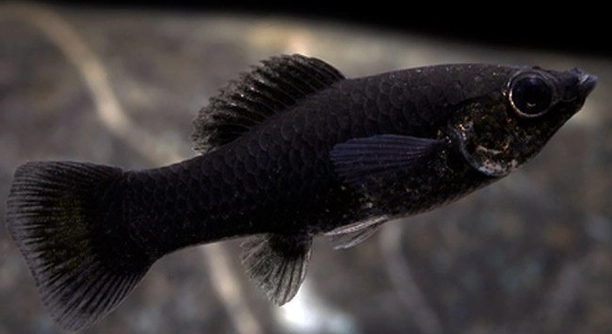
Caring for black mollies can bring calm moments, especially when their behavior feels steady and familiar. When they suddenly begin hiding, it can make the tank feel different and leave you searching for clarity today.
The sudden hiding behavior in black mollies is primarily linked to environmental stressors, including poor water quality, abrupt changes in tank conditions, or the presence of aggressive tankmates. These factors disrupt their comfort, prompting them to seek areas for safety.
Learning these reasons helps you guide your black mollies toward calmer routines, creating a more stable environment that supports comfort.
Common Environmental Triggers
When black mollies start hiding, environmental triggers often play the biggest role, and paying attention to these changes can help you respond with confidence. Sudden shifts in temperature, lighting, or tank setup can leave them unsettled, making them search for shaded corners where they feel steadier. Poor water quality is another major factor, especially when ammonia or nitrite levels climb higher than they can tolerate. Even small spikes create discomfort that pushes them to retreat for relief. Overcrowding increases tension too, reducing their ability to move comfortably and raising the chance of unwanted interactions with other fish. Loud sounds near the tank, strong currents, or frequent rearranging can also create moments of unease. By keeping conditions stable and giving them plenty of space, you support a calmer routine that encourages them to stay visible. Stability often gives these gentle fish the comfort they need to swim confidently in their surroundings.
Small improvements in water stability and tank layout can quickly ease their tension and encourage bolder behavior. Consistent testing, gentle filtration, and reducing sudden movements near the tank help them feel safer, allowing their natural activity to return without added stress and create a more comfortable daily experience for them.
Understanding how environmental factors influence hiding helps you adjust their surroundings with more clarity and care. Black mollies respond well to steady temperatures, clean water, and enough room to swim without interference. When these elements stay consistent, their confidence grows, and they feel less pressure to remain concealed. Adding plants or calm spaces allows them to explore at their own pace while still having areas to rest. Soft lighting and predictable routines further support steady behavior. By maintaining a gentle, balanced environment, you give them the conditions they need to stay active, visible, and comfortable throughout each day at home.
Behavioral and Health Influences
Behavioral patterns can shift quickly when black mollies feel unwell or unsettled, and hiding becomes their natural way of coping. Subtle changes in appetite, movement, or energy levels may signal that something deeper is influencing their comfort and overall stability within their daily routine and should be noticed with care.
Health concerns often play a significant role in sudden hiding episodes, especially when black mollies experience stress that affects their physical state. Internal parasites, fin damage, or early signs of infection can lead them to seek quiet spaces where they can rest without disturbance. Poor diet contributes to unease as well, particularly when they are not receiving enough nutrients to maintain steady energy levels. When their immune system becomes strained, their behavior shifts noticeably, and hiding becomes a safe response that helps them conserve strength. Observing their swimming patterns, breathing rate, and posture can give you simple clues about what may be affecting them. Changes such as clamped fins, faded coloring, or lingering near the substrate often indicate that something is interfering with their comfort. Gentle adjustments like improving water quality, offering high quality food, and minimizing stressful interactions can support their recovery. Providing calm areas with plants or soft structures helps them feel secure while they regain stability. When you stay consistent with care and create a balanced setting, their behavior usually improves, and they return to normal activity with greater ease. Paying attention to these signs helps you support their wellbeing in a steady and thoughtful way daily.
Adjusting Tank Conditions for Better Comfort
Maintaining steady tank conditions helps reduce hiding by giving black mollies a predictable space where they can move freely. Keeping temperature and water quality stable prevents unnecessary stress. Gentle lighting, balanced filtration, and avoiding sudden disturbances around the tank support calmer daily behavior.
Making thoughtful adjustments to their environment gives black mollies the comfort they need to stay active. Begin by testing the water regularly to ensure ammonia and nitrite remain at zero and nitrates stay low. Stable temperatures prevent sudden reactions that push them to hide. Adding plants creates natural shade without causing stress, while reducing strong currents helps them swim with ease. Avoid frequent rearranging of decor to prevent confusion or nervous responses. Maintaining a consistent routine when feeding and cleaning keeps their environment predictable. With these conditions in place, they feel safer and tend to remain visible more often throughout the day.
Providing adequate space and avoiding overcrowding greatly improves their behavior. Black mollies need room to swim without bumping into other fish, and a larger tank helps prevent territorial disputes. Calm tankmates reduce tension and encourage more open swimming. When their surroundings feel balanced and stable, they settle into gentle patterns and become more confident. Consistent cleaning, careful monitoring, and thoughtful placement of plants or hiding spots give them options without overwhelming the space. These adjustments support their wellbeing and gradually lessen their need to retreat.
Social Dynamics and Compatibility
Social dynamics influence how black mollies behave daily, especially when other fish create moments of tension. Aggressive or overly active tankmates can make them withdraw, choosing shaded corners for safety. Selecting peaceful companions and maintaining enough room for everyone helps lower stress and encourages more relaxed movement.
Compatibility becomes essential when building a calm community tank for black mollies. Choosing tankmates that match their temperament prevents ongoing stress that leads to hiding. Fish that nip or chase can disrupt their comfort and push them into secluded areas. Ensuring balanced group sizes also matters, since black mollies feel more confident when surrounded by peaceful companions. Providing plants, small caves, and soft spaces helps each fish establish comfortable zones without conflict. Monitoring interactions allows you to catch early signs of tension and make adjustments before behavior shifts. When the tank remains balanced, black mollies show smoother routines and are more willing to stay visible.
Signs of Stress You Should Notice
Recognizing stress early helps you understand why black mollies hide more often. Clamped fins, loss of appetite, and dull coloring are common indicators. Slower swimming or lingering near the bottom also signals that something is affecting their comfort and stability.
Watching their daily patterns gives you simple clues. Rapid breathing, sudden darting, or avoiding bright areas can show that they feel unsettled. When these signs appear together, it becomes clearer that their environment or health needs attention, and small adjustments can help them return to calmer behavior.
When Hiding Becomes a Habit
If hiding becomes frequent, it may indicate that the molly has adapted to ongoing discomfort. Long term stress from poor water quality, strong currents, or aggressive tankmates can reinforce this behavior. Addressing these issues gradually helps your molly feel secure again. Regular cleaning, steady feeding routines, and quieter surroundings create a sense of stability. Offering plants, gentle lighting, and predictable tank conditions can encourage them to explore openly instead of remaining in dark corners.
How Lighting Affects Their Behavior
Lighting that is too bright can overwhelm black mollies, making them seek shaded areas for comfort. Softer lighting and natural hiding spots reduce stress and help them feel safer moving around the tank.
FAQ
Why do black mollies hide when the tank seems fine?
Black mollies can hide even when the tank looks stable because small changes that are not immediately noticeable still affect them. Minor shifts in temperature, slight increases in nitrate, or soft vibrations around the tank can create unease. These fish respond quickly to anything that disrupts their comfort, so even mild disturbances may push them toward shaded areas. While the tank may appear normal on the surface, their sensitivity to small details can lead them to act cautiously. Paying attention to subtle changes helps you keep their surroundings steady and predictable so they feel safer moving openly.
Why does my black molly hide after a water change?
Water changes can cause temporary stress, especially if the new water differs in temperature or mineral content. Sudden shifts, even small ones, make black mollies feel unsettled, and hiding becomes a natural way for them to adjust. They often return to normal behavior once the water stabilizes. Making slow, gentle adjustments and matching temperature closely helps them stay comfortable. Using dechlorinator properly and avoiding large disturbances around the tank during maintenance also reduces stress. Over time, consistent routines allow them to handle water changes with less hesitation.
Why is my pregnant black molly hiding more than usual?
Pregnant black mollies often hide to feel secure during late stages of pregnancy. Their bodies experience extra pressure, and quiet spaces help them rest while reducing stress. They prefer areas where they feel protected from other fish. Offering plants, soft corners, and calm surroundings helps them stay comfortable. Once they give birth, their hiding usually decreases, but maintaining a peaceful environment supports their wellbeing throughout the process. Gentle routines and reduced tank activity make it easier for them to cope with the added strain.
Is it normal for a new black molly to hide all day?
Yes, newly introduced mollies often hide as they adjust to unfamiliar surroundings. New tanks bring new smells, sounds, movement, and tankmates, which can feel overwhelming. Hiding is their way of observing the environment at their own pace. This behavior usually fades once they feel secure. Keeping lighting soft, avoiding sudden movement around the tank, and giving them places to explore gradually helps them adapt. With time and patience, they become more confident and start swimming more openly.
Why does my black molly hide after adding new fish?
Introducing new fish can shift the social balance in the tank. Black mollies may hide if they feel unsure about the behavior or activity level of the newcomers. Even peaceful fish change the dynamic, and mollies react by seeking comfort in sheltered areas. Watching interactions closely helps you assess whether aggression or crowding is occurring. When the group settles and routines return to normal, your molly often becomes more visible again. Adding fish slowly and choosing compatible companions prevents unnecessary stress.
Can poor lighting make black mollies hide more?
Lighting plays a major role in their comfort. Bright or harsh lighting can overwhelm them, especially if the tank lacks shaded areas. Soft lighting helps them feel secure and encourages relaxed swimming. Adding floating plants or gentle decor creates natural shade that eases their tension. When lighting stays consistent and balanced, they move more confidently across the tank without retreating into dark corners.
How long should I wait before worrying about excessive hiding?
If hiding lasts only a few hours or occurs after routine disturbances, it is usually normal. However, if it continues for several days or appears alongside signs like poor appetite, clamped fins, or dull coloring, the cause may be deeper. Checking water quality, observing tankmates, and reviewing recent changes helps you identify what is affecting them. Addressing issues early prevents stress from building and encourages healthier behavior. Consistency, gentle care, and stability often bring them back to their regular activity level.
Final Thoughts
Caring for black mollies becomes much easier when you understand how their environment and daily experiences shape their reactions. Hiding is often a natural response to stress, small disturbances, or health concerns, and noticing these patterns early helps you support them with more confidence. Stability is one of the most important parts of keeping them comfortable. Clean water, steady temperatures, and gentle lighting create a space where they can move freely without feeling overwhelmed. I find that when you pay attention to small details, their behavior gives you clear clues about what they need. A tank that feels predictable helps them settle, and even minor improvements make a meaningful difference in how secure they feel. By approaching their care with patience and consistency, you give them the chance to return to open swimming and calmer routines.
When hiding becomes frequent, it is often a sign that something in the tank needs adjustment, and looking at the situation piece by piece makes it easier to understand. Changes in diet, lighting, filtration, or social dynamics can shift their comfort in ways that are easy to overlook. Aggressive tankmates or crowded conditions can also create tension that pushes them toward quiet corners. When you take the time to observe how they interact with their surroundings, you begin to see patterns that explain their behavior more clearly. I find that offering shaded areas, plants, and peaceful spaces helps them feel more at ease without overwhelming the tank with hiding spots. It is not about removing their instinct to hide, but about giving them the comfort to come out when they feel ready. A calm environment encourages more natural activity, and they respond best when changes are steady and predictable.
Supporting black mollies through these moments is a gentle process that grows easier over time as you learn what helps them feel secure. Their behavior reflects their environment closely, and even small adjustments bring noticeable improvements in their comfort. Consistent routines, thoughtful tank management, and awareness of social dynamics all work together to reduce hiding and encourage healthier patterns. When you stay attentive to their signals, you build a clearer understanding of what keeps them balanced and active. I find it rewarding to see them explore more confidently once their stress levels decrease, and these changes often happen gradually as they settle into a stable setting. With time, patience, and steady care, black mollies thrive in environments that feel calm and predictable, and seeing them relax reminds you that simple adjustments and gentle attention can make a real difference in their wellbeing.

Hello,
If you enjoy the content that we create, please consider saying a "Thank You!" by leaving a tip.
Every little bit helps us continue crafting quality advice that supports the health, happiness, and well-being of pets around the world, for pets of all shapes, sizes, and species.
We really appreciate the kindness and support that you show us!