
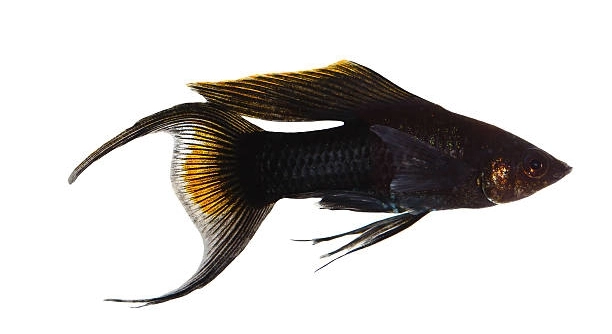
Keeping Black Molly fish can be a joyful experience, but daily tank maintenance may feel like a challenge for some fish owners. These vibrant freshwater fish need clean water and a stable environment to thrive properly.
Black Molly fish can adjust to daily tank maintenance if it is done carefully and consistently. Regular water changes, monitoring water parameters, and gentle handling minimize stress, allowing the fish to remain healthy and continue normal activity patterns.
Understanding how to maintain a stable tank environment ensures your Black Mollies remain active and healthy, creating a peaceful and enjoyable aquatic setup.
Understanding Black Molly Behavior During Tank Maintenance
Black Mollies are sensitive to sudden changes in their environment, and daily maintenance routines can trigger stress if not done carefully. They often react to movements around the tank, water changes, or cleaning tools by hiding, darting around, or becoming less active. Observing their behavior over time can help identify what causes discomfort and what they tolerate well. Gradually introducing cleaning routines allows the fish to adapt more smoothly. It is important to maintain consistent water parameters, such as temperature, pH, and salinity, because fluctuations can lead to stress or illness. Black Mollies prefer stable conditions and respond positively when routines are predictable. Even small changes, like moving decorations or adjusting lighting, can impact their comfort. Offering hiding spots like plants or small structures can reduce stress during maintenance. These measures create a calmer environment, making it easier for the fish to adjust to daily upkeep without compromising their health.
Daily observation is key to noticing minor changes in behavior early, helping maintain their health.
Keeping your Black Mollies comfortable requires a balance between consistent cleaning and minimal disruption. Regular partial water changes, gentle cleaning of surfaces, and careful handling of equipment help preserve water quality while reducing stress. Watching how your fish react can guide adjustments in your maintenance routine. Some Mollies may adapt quickly, while others need extra time to feel secure. Providing shaded areas and safe spots lets them retreat if they feel nervous during cleaning. Maintaining a calm approach and avoiding sudden splashes or movements makes a big difference. Over time, consistent, careful maintenance allows your Black Mollies to thrive in a well-kept tank, encouraging natural behavior and healthy interactions within their environment.
Tips for Smooth Daily Maintenance
Keeping tools ready before starting helps reduce stress for your fish.
Organize your daily maintenance by preparing all necessary items beforehand. Collect buckets, nets, water conditioners, and cleaning tools so the process is quick and efficient. Start by removing any debris or uneaten food, then perform partial water changes to maintain water quality. Clean decorations and surfaces gently to avoid disturbing the fish too much. Checking water parameters after maintenance ensures the environment remains stable. A consistent schedule, preferably at the same time each day, helps the Mollies anticipate routines, making them less anxious. Avoid sudden lighting changes and loud noises, as these can increase stress. Incorporating small plants or ornaments as hiding spots allows your fish to feel secure. Over time, these steps foster a calmer, healthier aquarium where your Black Mollies can thrive. Careful attention and patience during daily upkeep promote long-term well-being and help maintain their vibrant colors and natural behavior.
Adjusting Water Parameters Gradually
Black Mollies react strongly to sudden changes in water conditions. Gradual adjustments help them stay healthy and avoid stress during daily tank maintenance.
When performing daily maintenance, it’s important to monitor temperature, pH, and salinity levels closely. Sudden shifts in any of these factors can cause stress, illness, or erratic behavior. Use a thermometer and testing kits to track water conditions before and after changes. Adding water slowly during partial water changes helps Mollies adapt better. Avoid adding large amounts of new water at once, as the chemical differences can shock the fish. Gradual acclimation allows them to maintain normal activity and feeding habits. Over time, they become more tolerant of daily maintenance routines, reducing stress and promoting consistent health.
Maintaining stable water conditions requires careful planning. Adding dechlorinator and matching water temperature before changes prevents unnecessary fluctuations and ensures a calm environment for the fish.
Regular water testing and small, incremental adjustments are the safest ways to keep Black Mollies comfortable. Observing their response after each maintenance session provides insight into what changes they tolerate well. Some Mollies may show immediate signs of stress, while others adjust more easily. Taking notes on water parameters and behavior helps refine your routine. Consistency is key: a steady maintenance schedule reduces stress and keeps water conditions within safe ranges. Providing hiding spaces during adjustments further protects them from sudden disturbances. Over time, attentive care allows your Black Mollies to thrive even with daily upkeep, maintaining vibrant coloration and natural activity.
Feeding and Observation During Maintenance
Observe your Mollies during feeding to notice signs of stress or illness.
Feeding times offer a valuable opportunity to monitor your fish. Watch for changes in appetite, swimming patterns, or interactions with tank mates. Small, frequent meals prevent overfeeding and help maintain water quality. Avoid feeding immediately after maintenance to allow them to settle. Observing their reactions to different foods can indicate health or stress levels. Consistent feeding routines support overall well-being and help your fish stay active. Logging these observations helps track long-term changes, ensuring any issues are addressed promptly before they escalate. Providing a balanced diet supports strong immunity and vibrant colors.
Minimizing Stress During Daily Cleaning
Move slowly around the tank to avoid startling your Black Mollies. Quick movements and loud noises can cause them to hide or swim frantically.
Using gentle tools and small adjustments during cleaning helps reduce stress. Avoid scraping surfaces too harshly or creating large splashes.
Monitoring Tank Companions
Keep an eye on other fish in the tank during maintenance. Aggressive or overly active fish can add stress to Black Mollies. Observing interactions ensures everyone remains calm and avoids injuries.
Using Proper Cleaning Tools
Choose soft brushes and nets to clean decorations and remove debris. Harsh tools can damage plants or cause stress for the fish, so gentle handling is essential for a healthy environment.
Timing Your Maintenance
Perform tank maintenance at the same time each day. Consistent timing helps Black Mollies anticipate routines, reducing anxiety and promoting smoother adaptation to daily care tasks.
FAQ
How often should I perform daily tank maintenance for Black Mollies?
Daily tank maintenance can be brief and focused. Remove leftover food, check water clarity, and inspect fish behavior. Full water changes are not required every day; partial changes of about 10–20% can be enough while keeping water conditions stable. This approach reduces stress and maintains a clean environment without overhandling the fish.
Can Black Mollies tolerate frequent water changes?
Black Mollies can tolerate frequent small water changes if done gradually. Sudden, large water replacements can shock them due to changes in temperature, pH, or salinity. Using a dechlorinator and matching water temperature to the tank helps Mollies adjust without stress. Regular monitoring ensures they remain healthy.
What signs indicate my Black Mollies are stressed during maintenance?
Stress in Black Mollies shows through erratic swimming, hiding excessively, loss of appetite, or faded coloration. Some may cling to decorations or surfaces. Observing these signs allows you to adjust maintenance routines and create a calmer environment, minimizing risk of illness.
Are hiding spots necessary during daily cleaning?
Yes. Providing plants, caves, or other decorations gives Black Mollies a safe retreat during maintenance. Hiding spots reduce stress, allowing them to remain calm while you clean the tank or perform water changes. Even simple structures can make a noticeable difference.
Is it safe to feed Black Mollies immediately after maintenance?
It’s better to wait a short period after maintenance before feeding. This allows water to settle and the fish to adjust to any changes. Feeding too soon may cause stress and reduce appetite, so a 10–15 minute pause helps maintain normal feeding behavior.
What tools are best for daily tank cleaning?
Soft brushes, gentle nets, and siphons are ideal. Avoid harsh scrapers or large equipment that can disturb fish. Using small, manageable tools ensures effective cleaning without startling your Mollies or damaging plants and decorations.
Can Black Mollies adjust to daily lighting changes during maintenance?
Sudden lighting changes can stress Mollies. Maintain consistent lighting schedules and avoid turning lights on or off abruptly during maintenance. Soft, gradual adjustments or leaving some lights dimmed while cleaning can help them stay calm.
How do I monitor water parameters effectively?
Use thermometers, pH strips, and salinity or hardness test kits. Check water before and after maintenance to confirm stability. Recording readings over time helps identify trends and ensures the tank remains within safe ranges, keeping Mollies healthy.
Will daily maintenance affect their social behavior?
When done gently and consistently, daily maintenance does not negatively affect social interactions. Mollies may initially retreat during cleaning but will return to normal behavior quickly. Maintaining stable conditions supports natural schooling and interaction patterns.
How can I reduce stress if I notice aggressive tank mates?
Observe interactions and separate aggressive fish if needed. Rearranging decorations to create barriers or adding extra hiding spots can reduce confrontations. Ensuring adequate space and minimizing disturbance during maintenance further protects Black Mollies from stress and injury.
What is the safest way to acclimate Mollies to new maintenance routines?
Introduce changes gradually. Start with short, calm cleaning sessions and gradually increase tasks as Mollies become accustomed. Monitor behavior closely and adjust pace if signs of stress appear. Consistency and patience are key to successful adaptation.
Can overhandling during maintenance harm Black Mollies?
Yes. Excessive handling or chasing the fish can stress them and compromise their immune system. Limit direct contact, use nets only when necessary, and rely on water changes and gentle cleaning to maintain the tank safely.
Is it normal for Black Mollies to hide more during maintenance?
Yes. Hiding is a natural response to perceived disruption. Providing safe spaces and minimizing sudden movements allows them to feel secure, making daily maintenance less stressful and supporting long-term health.
How long does it take for Black Mollies to fully adjust to daily maintenance?
Adjustment varies by individual. Some fish adapt within days, while others may take weeks. Consistency, gentle handling, and gradual routines help Mollies become accustomed, allowing them to remain healthy and active during regular upkeep.
Can daily maintenance improve water quality significantly?
Yes. Even brief daily cleaning prevents debris buildup, controls algae, and reduces toxins. Partial water changes and surface cleaning maintain optimal water conditions, directly benefiting Mollies’ health and supporting a stable tank environment.
Black Mollies are resilient fish, but their well-being depends heavily on a stable and clean environment. Daily tank maintenance may seem like a small task, but it plays a critical role in keeping water conditions safe and reducing stress for your fish. Regular observation during these routines helps you notice small changes in behavior, appetite, or coloration that could signal early signs of stress or illness. By keeping water temperature, pH, and salinity consistent, you give your Black Mollies the stability they need to thrive. Even minor fluctuations in water conditions can affect their activity levels, so maintaining a steady routine is essential. Over time, consistent care allows the fish to adjust to daily maintenance without displaying significant stress behaviors. Small steps, like preparing all cleaning tools beforehand or providing hiding spots, can make daily upkeep much smoother for both you and your Mollies.
Maintaining a calm and controlled approach during tank cleaning also benefits the social dynamics in the aquarium. Black Mollies often coexist with other fish, and abrupt changes in the environment can lead to temporary aggression or avoidance behavior. By moving slowly, using gentle cleaning tools, and keeping interactions minimal, you reduce the risk of upsetting other tank mates. Observing how your Mollies respond to cleaning and minor disturbances provides insight into their tolerance levels and helps you adjust your routine. Feeding schedules, hiding spaces, and careful monitoring of water parameters all contribute to reducing stress. Gradual acclimation to daily maintenance is particularly important for younger or more sensitive fish, as they may take longer to become comfortable with routine changes. Over time, a stable, predictable maintenance schedule allows Black Mollies to remain healthy, active, and visually vibrant, reflecting their natural behavior in a stress-free environment.
Consistency in daily care, combined with patience and attention to detail, is key to the long-term success of keeping Black Mollies. Partial water changes, gentle cleaning of decorations, and monitoring of water parameters can be completed efficiently if done thoughtfully and with a plan. Incorporating small adjustments, like dimming lights slightly during maintenance or adding plants for hiding, supports their comfort and confidence in the tank. Daily observation helps you identify potential problems before they escalate, whether it’s a subtle shift in behavior or early signs of illness. Black Mollies that are accustomed to a gentle and consistent maintenance routine are better able to cope with environmental changes, display natural social interactions, and maintain their health over time. By focusing on steady, careful upkeep, you ensure that your aquarium remains a thriving, peaceful habitat for your Black Mollies, supporting their long-term well-being and making daily maintenance a manageable part of your routine.

Hello,
If you enjoy the content that we create, please consider saying a "Thank You!" by leaving a tip.
Every little bit helps us continue crafting quality advice that supports the health, happiness, and well-being of pets around the world, for pets of all shapes, sizes, and species.
We really appreciate the kindness and support that you show us!