
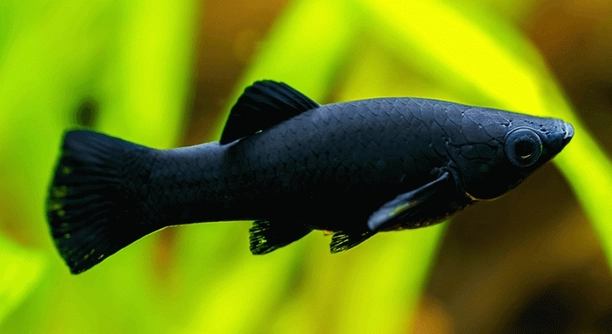
Introducing a Black Molly to a new tank can feel exciting, yet it often comes with unexpected challenges. Many new fish owners underestimate the care needed to make the transition smooth and safe for the fish.
The most common mistakes when introducing Black Molly fish involve water quality, tank mates, sudden environmental changes, overfeeding, improper acclimation, disease exposure, and inadequate space. Addressing each factor is crucial to ensure the fish’s health and reduce stress.
Knowing these mistakes early can save your fish from unnecessary stress and health problems, helping you maintain a peaceful and thriving aquarium environment.
Water Quality Issues
Poor water quality is one of the biggest problems when introducing Black Molly fish to a tank. Many new owners focus only on feeding and decorations, forgetting the importance of clean water. Black Mollies are sensitive to sudden changes in pH, temperature, and ammonia levels. If the water is too acidic or alkaline, it can stress the fish and make them prone to disease. Chlorine in tap water is also harmful, so it’s important to use a water conditioner. Regular water testing is essential to maintain a stable environment. Even small changes in water parameters can lead to stress, reduced appetite, and increased susceptibility to illness. Filtration is key, and cleaning the tank regularly ensures waste does not accumulate. A stable environment helps Black Mollies adapt more easily, reducing the risk of sudden deaths. Pay attention to both the chemical and physical aspects of water, as both are critical for a healthy tank.
Keeping the water stable and clean will help your Black Molly adjust faster and stay healthy.
Proper maintenance of tank water ensures the fish thrive over time. It supports natural behavior, feeding habits, and reduces disease risk. Black Mollies need a balanced environment with stable temperature and consistent pH levels. Even a small amount of leftover food or waste can impact water quality. Using a good filtration system prevents debris accumulation. Testing for ammonia, nitrites, and nitrates weekly is important to catch problems early. Avoid drastic water changes; instead, replace a portion of the water slowly over time. Conditioning tap water removes harmful chemicals and makes it safe for the fish. Regular monitoring and gentle cleaning habits help create a stable tank. Over time, these practices make a noticeable difference in the fish’s health and activity. Black Mollies will swim more actively and feed better in well-maintained water. Taking the time to manage water quality is one of the most effective ways to prevent stress and illness. Consistency is key, and small steps make a big difference.
Acclimating to Tank Conditions
Rushing the introduction can shock Black Mollies and affect their health.
Acclimation helps fish adjust to temperature, pH, and other tank conditions safely. Start by floating the bag in the tank for 15-20 minutes. Gradually add small amounts of tank water to the bag every 5 minutes to help them adapt. Avoid dumping the fish directly into the tank, as sudden changes can cause stress, weakened immunity, and even death. Watch the fish carefully during the first few hours for signs of distress. Maintaining patience during this step makes the transition smoother and reduces mortality risk. Using a net to gently transfer the fish instead of pouring them directly also helps. The acclimation process may take longer for some fish, depending on the difference between the store water and tank water. By giving them time and a gradual introduction, Black Mollies are more likely to settle in, start eating, and explore their new home with confidence.
Tank Mates
Choosing the wrong tank mates can stress Black Mollies and lead to aggression or injury. Avoid aggressive or overly large fish, as they may bully or eat the Mollies. Peaceful community fish are usually the best option for a mixed tank.
Even small fish can be a problem if they compete for food or territory. Mollies are active swimmers, so slow or shy fish may hide constantly, increasing stress for both species. Keep an eye on interactions during the first few days. Rearranging decorations or adding hiding spots can reduce territorial disputes. Observation and adjustment during this period help ensure a calm tank environment and reduce the chance of injury or stress-related illness.
Black Mollies thrive in groups of three or more, which provides social comfort and reduces stress. Avoid overcrowding, as too many fish in a small space can increase aggression and lead to poor water quality. Proper spacing and compatible species make a balanced community tank. Providing plants or hiding spots allows Mollies to escape if they feel threatened, creating a healthier environment. Watching the fish interact daily helps identify problems early. Choosing compatible tank mates contributes to long-term health and peaceful behavior.
Overfeeding
Overfeeding Black Mollies can quickly foul the water and harm their health. Feed small amounts once or twice a day, removing any leftover food after a few minutes.
Excess food leads to uneaten debris, which decomposes and raises ammonia and nitrite levels. High nutrient levels can cause algae blooms and water pollution. Black Mollies may also overeat, becoming bloated or prone to constipation. Stick to a controlled feeding routine, using only what the fish can consume in a few minutes. Offering a mix of flake, frozen, or live food in moderation ensures proper nutrition. Regular observation helps identify if fish are being fed correctly and prevents waste buildup, keeping the tank clean and safe.
Balanced feeding supports growth, activity, and natural behavior while maintaining water quality. Avoid frequent treats or large portions, as it can lead to long-term health issues. Rotating food types provides necessary nutrients without overloading the system. Keeping track of feeding times and amounts creates consistency, reducing stress for the fish. Monitoring fish weight and activity can indicate if adjustments are needed. By feeding properly, the tank stays cleaner, and the fish remain active and healthy, minimizing common problems linked to overfeeding.
Sudden Environmental Changes
Sudden changes in temperature or lighting can stress Black Mollies and weaken their immune system. Gradual adjustments help them adapt without shock. Avoid moving them between tanks too quickly or altering heater settings drastically.
Drastic changes in water chemistry, such as pH or hardness, can also create stress. Introduce changes slowly and monitor behavior carefully to ensure the fish remain healthy and active.
Disease Exposure
Introducing new fish without proper quarantine can spread diseases. Black Mollies are sensitive and can catch infections from infected tank mates or contaminated water.
Quarantine new fish in a separate tank for at least two weeks before adding them to the main aquarium. This prevents the spread of common illnesses like ich, fin rot, or bacterial infections. Observation during quarantine helps identify any health issues early. Treating problems before introducing new fish protects both the newcomers and existing tank inhabitants. Maintaining clean water and minimizing stress reduces disease risk over time.
Inadequate Tank Space
Overcrowding can lead to stress, aggression, and poor water quality. Black Mollies need room to swim and explore.
FAQ
How many Black Mollies should I keep in one tank?
Black Mollies are social fish and do best in groups of three or more. Keeping a small group reduces stress and encourages natural behavior. However, overcrowding should be avoided, as too many fish can cause aggression, poor water quality, and stunted growth.
What is the ideal tank size for Black Mollies?
A minimum of 20 gallons is recommended for a small group. Larger tanks are better for multiple fish or mixed species. Adequate space allows them to swim freely and reduces territorial disputes. Adding plants and decorations provides hiding spots and a sense of security.
How often should I feed Black Mollies?
Feed small amounts once or twice a day. Only offer what they can consume in a few minutes to prevent leftover food from polluting the water. A mix of flake, frozen, or live food works best for balanced nutrition.
Do Black Mollies need special water conditions?
Yes, they prefer slightly alkaline water with a pH between 7.0 and 8.0. Stable temperature between 75-82°F is ideal. Avoid sudden changes in temperature or pH, as this can stress the fish and make them more susceptible to disease.
Can Black Mollies live with other fish?
They can live with peaceful community fish like guppies, platies, or tetras. Avoid aggressive or very large fish, as these may attack or stress the Mollies. Always observe interactions during the first few days and provide hiding spots to reduce conflicts.
How do I prevent diseases in Black Mollies?
Quarantine new fish for at least two weeks before introducing them to the main tank. Maintain clean water, monitor for signs of illness, and avoid overcrowding. Healthy water conditions and minimal stress are key to disease prevention.
What plants or decorations are best for their tank?
Live plants like Java moss or Anubias provide shelter and improve water quality. Smooth decorations reduce the risk of injury. Avoid sharp or rough surfaces, as Black Mollies can damage their fins while swimming.
How do I acclimate new Black Mollies?
Float the bag in the tank for 15-20 minutes to match temperature. Gradually add small amounts of tank water every few minutes. Transfer the fish gently with a net rather than pouring them in, which helps reduce stress and increases survival rates.
Can Black Mollies tolerate brackish water?
Yes, Black Mollies can handle slightly brackish water. Adding a small amount of aquarium salt can mimic their natural habitat, but it should be done gradually to prevent shock. Not all Mollies require brackish conditions, so monitor their behavior for stress.
How do I manage aggression in Black Mollies?
Aggression usually occurs in overcrowded tanks or when space is limited. Keep adequate space, add plants and hiding spots, and maintain a small, compatible group. Observation and adjustment of tank setup can reduce conflicts and promote calm behavior.
What is the best way to clean the tank?
Perform partial water changes regularly, removing 20-30% of water weekly. Use a gravel vacuum to remove debris and uneaten food. Avoid cleaning the entire tank at once, as this can disrupt beneficial bacteria essential for a healthy ecosystem.
How long do Black Mollies typically live?
With proper care, Black Mollies can live 3-5 years. Consistent water quality, a balanced diet, and minimal stress are key to longevity. Observing behavior and health regularly helps catch problems early and prolong their lifespan.
Can I keep both male and female Black Mollies together?
Yes, but males may chase females, especially during mating. Having more females than males helps reduce stress. Providing plants and hiding spots allows females to escape if needed, keeping the tank environment peaceful.
Do Black Mollies need a heater in the tank?
Yes, maintaining a stable temperature between 75-82°F is important. Sudden drops in temperature can weaken their immune system. Use a reliable heater and thermometer to monitor conditions consistently.
Is it necessary to test water regularly?
Absolutely. Testing for ammonia, nitrites, nitrates, and pH weekly ensures the tank remains safe. Early detection of imbalances prevents stress and disease, keeping Black Mollies healthy and active.
Can Black Mollies survive in a newly set-up tank?
No, new tanks must cycle first to establish beneficial bacteria. Introducing fish too early exposes them to ammonia and nitrite spikes, which can be fatal. Wait until water parameters are stable before adding Black Mollies.
How do I know if my Black Molly is stressed?
Signs include hiding, loss of appetite, clamped fins, or erratic swimming. Stress often comes from poor water quality, aggressive tank mates, or sudden changes. Identifying and correcting the cause quickly helps restore health.
What type of food is best for Black Mollies?
A varied diet works best, including high-quality flakes, frozen brine shrimp, and occasional live food. Vegetables like blanched spinach or zucchini supplement their diet. Balanced feeding supports growth, activity, and long-term health.
How often should I change the filter media?
Replace filter media according to the manufacturer’s instructions, usually every 3-4 weeks. Avoid changing all media at once to preserve beneficial bacteria. Regular maintenance ensures clean water and reduces disease risk.
Can Black Mollies reproduce in a community tank?
Yes, they are livebearers and can produce fry in a community tank. If you want to protect the babies, provide hiding spaces or use a separate breeding tank. Otherwise, other fish may eat the fry, preventing population growth.
What is the best way to introduce multiple Black Mollies at once?
Acclimate them together slowly, using the same method as for a single fish. Ensure the tank has enough space, plants, and hiding spots. Gradual introduction reduces stress and helps them establish a peaceful social structure.
How do I prevent fin damage?
Avoid sharp decorations and aggressive tank mates. Regular water maintenance prevents disease that can cause fin rot. Observation helps catch problems early, keeping fins healthy and the fish comfortable.
Is lighting important for Black Mollies?
Yes, moderate lighting supports plant growth and fish activity. Avoid excessive bright light, which can stress them. A regular day-night cycle of 8-10 hours helps maintain natural behavior and health.
Can I keep Black Mollies with shrimp or snails?
Yes, peaceful invertebrates like snails and most shrimp can coexist. Avoid small shrimp that might be eaten. Monitoring interactions ensures a balanced ecosystem where all species thrive.
How do I reduce algae in the tank?
Control feeding, maintain clean water, and limit direct sunlight. Adding live plants competes with algae for nutrients. Regular water changes and proper filtration help keep algae under control.
Do Black Mollies need a specific type of substrate?
They are adaptable and can live over sand or gravel. Smooth substrates are best to prevent injury. Plants can be rooted in soft substrate, providing hiding spots and improving water quality.
Can I use tap water directly for Black Mollies?
No, always use a water conditioner to remove chlorine and chloramine. Untreated tap water can harm the fish and disrupt biological balance in the tank. Treating water ensures safety and reduces stress.
How long should I quarantine new fish?
At least two weeks is recommended. This allows time to detect illness and treat any problems before introducing them to the main tank. Quarantine protects both the new and existing fish.
What are common signs of illness?
Symptoms include white spots, torn fins, lethargy, rapid breathing, and loss of appetite. Early detection and treatment improve recovery chances. Maintaining clean water and reducing stress prevents many illnesses.
Can Black Mollies adapt to cooler temperatures?
They prefer warm water but can tolerate slight drops if gradual. Sudden temperature changes should be avoided, as this can lead to stress and disease. Maintaining stable conditions is critical for health.
Should I rearrange decorations when adding new fish?
Yes, it can reduce territorial disputes. New hiding spots allow fish to explore without stress. Rearranging slowly prevents sudden environmental changes and helps the fish settle in peacefully.
Is it okay to keep different colors of Black Mollies together?
Yes, color differences do not affect compatibility. Behavior and size matter more than appearance when maintaining harmony in the tank. Observe interactions to ensure no aggression occurs.
Can Black Mollies jump out of the tank?
Yes, they may jump if stressed or startled. A secure lid prevents accidents. Providing plants and hiding spots reduces stress, lowering the likelihood of jumping.
How often should I trim live plants?
Regular trimming prevents overgrowth, improves water flow, and reduces decay. Healthy plants contribute to water quality and provide shelter, supporting Black Mollies’ well-being.
Do Black Mollies need extra calcium in the water?
Not usually, but moderately hard water helps with growth and fin development. Avoid excessively soft water, which can stress the fish and affect overall health.
What should I do if a Black Molly stops eating?
Check water parameters and look for illness signs. Stress, poor water quality, or disease are common causes. Quarantining or treating the fish may be necessary to restore appetite.
Can Black Mollies tolerate other livebearers?
Yes, they generally do well with guppies, platies, and swordtails. Maintain a balanced ratio of males and females to reduce aggression and stress within the group.
How do I know when a Black Molly is ready to breed?
Healthy, active fish with visible gravid spots (females) or vibrant fins (males) indicate readiness. Providing a spacious tank with hiding spots supports breeding behavior naturally.
Is it necessary to aerate the tank?
Aeration improves oxygen levels and circulation. Black Mollies benefit from well-oxygenated water, especially in crowded or heavily planted tanks. Proper aeration reduces stress and supports overall health.
What are the risks of sudden water changes?
Sudden changes can shock fish, leading to stress, illness, or death. Always replace water gradually and match temperature and pH to existing tank conditions.
How can I tell if the tank is too small?
Signs include constant fin nipping, aggression, poor growth, and water parameter instability. Ensuring enough swimming space and hiding spots prevents stress and promotes healthy behavior.
Can Black Mollies live with bettas?
It depends on the betta’s temperament. Aggressive bettas may attack Mollies. Monitor interactions closely and provide plenty of hiding spaces to reduce potential conflicts.
How do I handle sick Black Mollies?
Isolate the fish in a quarantine tank, test water, and treat with appropriate medication. Maintain optimal water conditions and monitor recovery closely to prevent the spread of disease.
What is the best filter type for a Black Molly tank?
A gentle sponge or hang-on-back filter works well. Avoid strong currents that may stress the fish. Good filtration ensures clean water without harming natural behavior.
How long should new Black Mollies be observed?
Monitor closely for the first week. Watch for signs of stress, illness, or aggression. Adjust water conditions, feeding, or tank setup if needed. Early intervention prevents long-term problems.
Are Black Mollies sensitive to light changes?
Yes, sudden bright light can stress them. Gradually adjust lighting and maintain a consistent day-night cycle to support natural behavior and reduce stress.
Can Black Mollies live without plants?
Yes, but plants provide shelter, improve water quality, and reduce stress. Including live or artificial plants creates a more comfortable environment and encourages natural behavior.
How often should I check water temperature?
Daily monitoring ensures stability. Sudden fluctuations can harm the fish, so use a reliable thermometer and adjust the heater as needed to maintain consistent conditions.
Do Black Mollies need a varied diet?
Yes, variety ensures proper nutrition. Combine flake, frozen, live food, and occasional vegetables. Balanced feeding supports health, growth, and vibrant colors.
Can Black Mollies tolerate slightly salty water?
Yes, adding a small amount of aquarium salt mimics natural conditions. Introduce gradually and monitor behavior to ensure no stress occurs. Salt is optional for freshwater setups.
Is it safe to add snails with Black Mollies?
Yes, peaceful snails like Nerite or Mystery snails are compatible. They help with algae control and do not bother the Mollies, contributing to a balanced ecosystem.
How do I introduce a new Black Molly to an existing tank?
Acclimate slowly using the floating bag method and gradual water mixing. Transfer gently with a net, monitor interactions, and provide hiding spots to reduce stress and prevent aggression.
What should I do if a Black Molly is hiding constantly?
Check water quality, tank mates, and stress factors. Provide additional plants or decorations for shelter. Persistent hiding may indicate illness or poor environmental conditions that need correction.
Can Black Mollies tolerate slightly cooler nights?
A slight drop is acceptable if gradual. Avoid sudden temperature swings, as this can stress the fish and weaken immunity. Consistency is more important than exact numbers.
Do Black Mollies need a specific diet for breeding?
A mix of protein-rich foods and vegetables supports healthy fry development. Offering varied nutrition improves fertility, fry survival, and overall health of both parents.
How do I know if a Black Molly is healthy?
Active swimming, good appetite, vibrant colors, and intact fins are signs of health. Regular observation and stable water conditions support long-term well-being.
Can I keep Black Mollies in a bare-bottom tank?
Yes, they adapt well, but adding hiding spots is recommended. Plants or decorations provide security and reduce stress while maintaining easy cleaning.
How do I prevent water temperature drops?
Use a reliable heater and insulated tank location. Avoid drafts and sudden changes from room temperature fluctuations. Consistent monitoring ensures stability and prevents stress.
Are Black Mollies compatible with goldfish?
No, goldfish prefer cooler water and produce more waste. Mixing them with Mollies can cause stress, poor health, and water quality issues for both species.
How long should I wait before adding new fish after a tank setup?
Wait until the tank is fully cycled, usually 4-6 weeks. Water must have stable ammonia, nitrite, and nitrate levels before introducing Black Mollies.
Can Black Mollies tolerate fluctuating pH?
No, sudden pH changes stress the fish and may lead to illness. Maintain stable pH within their preferred range for a healthy environment.
What is the best way to transport Black Mollies?
Use a secure bag with sufficient water and air. Limit travel time and avoid temperature extremes. Gradually acclimate them to the new tank upon arrival.
Do Black Mollies need a separate breeding tank?
Optional but recommended if you want to protect fry. Otherwise, other tank mates may eat the young. A breeding tank allows better monitoring and care.
How do I keep the tank environment calm?
Maintain stable water conditions, provide hiding spots, avoid overcrowding, and choose compatible tank mates. Regular observation helps catch stress factors early.
Are Black Mollies prone to fin rot?
Yes, poor water quality, overcrowding, and aggressive tank mates increase risk. Proper care, clean water, and gentle handling prevent most cases.
How do I clean decorations without harming fish?
Remove them and rinse with warm water. Avoid soap or chemicals, which can be toxic. Gentle scrubbing removes algae and debris safely.
Can Black Mollies live with African Dwarf Frogs?
Yes, they are generally compatible, but ensure sufficient space and hiding spots for both species to avoid stress and accidental injury.
Do Black Mollies need a specific filtration rate?
A gentle flow is best. Strong currents stress them, while insufficient filtration leads to poor water quality. Balance ensures clean water without disturbing natural behavior.
Can Black Mollies tolerate fluctuating hardness?
Moderate water hardness is ideal. Sudden changes can stress the fish and affect health. Consistency is more important than exact values.
How do I treat ich in Black Mollies?
Isolate affected fish, increase temperature slightly, and use appropriate medication. Maintain clean water and remove stress factors to aid recovery.
Should I remove uneaten food immediately?
Yes, leftover food decomposes, pollutes water, and raises ammonia levels. Prompt removal maintains water quality and reduces disease risk.
Can Black Mollies live with Corydoras catfish?
Yes, Corydoras are peaceful bottom dwellers and compatible. They occupy different tank levels, reducing conflict and promoting a balanced community.
How do I know if a Black Molly is stressed from tank mates?
Signs include hiding, nipping, rapid breathing, or loss of appetite. Adjusting tank mates, providing hiding spots, or rearranging decorations can help.
Can Black Mollies live in unheated tanks?
They tolerate slightly cooler water, but long-term exposure to temperatures below 72°F may reduce activity and health. Stable warmth supports well-being.
How often should I check ammonia levels?
Weekly testing ensures early detection of spikes. Ammonia is toxic even at low levels and can cause stress, illness, or death if not addressed promptly.
Do Black Mollies need a night-time dark period?
Yes, a consistent day-night cycle supports natural behavior, reduces stress, and improves overall health. Avoid leaving lights on constantly.
Can I mix male and female Black Mollies freely?
Yes, but monitor males chasing females. More females than males reduces stress. Providing hiding spots prevents harassment and promotes harmony.
How do I handle fin nipping in Black Mollies?
Identify aggressive fish and ensure adequate space. Rearrange decorations or add plants to break line-of-sight and reduce conflicts.
Can Black Mollies adapt to city tap water?
Yes, if properly treated with a water conditioner to remove chlorine and chloramine. Testing ensures safe conditions before introduction.
How do I prevent overcrowding?
Calculate tank capacity based on fish size and number. A general guideline is one inch of fish per gallon, adjusting for activity level and decorations.
What are common behavioral signs of stress?
Hiding, clamped fins, loss of appetite, erratic swimming, or aggression indicate stress. Identifying the cause and correcting it quickly improves well-being.
How do I reduce ammonia buildup?
Regular partial water changes, proper feeding, and a good filter reduce ammonia. Avoid overcrowding and monitor water parameters consistently.
Can Black Mollies live in a tank with floating plants?
Yes, floating plants provide shelter and reduce light intensity. They also improve water quality and create a calmer environment.
Do Black Mollies need vitamin supplements?
Not usually if diet is varied. Occasional supplements can help during illness or breeding but are not necessary for healthy fish on a balanced diet.
How do I handle aggressive behavior during mating?
Provide plenty of space, plants, and hiding
Black Mollies are beautiful and lively fish that can thrive in a home aquarium when given proper care. Their health and happiness rely heavily on stable water conditions, adequate space, and compatible tank mates. Each step, from acclimating them to feeding routines and monitoring water quality, plays an important role in ensuring they remain active and stress-free. Many of the common mistakes made when introducing Black Mollies, such as sudden environmental changes or overfeeding, are easy to avoid once you understand their needs. Taking the time to prepare the tank properly before adding them makes a noticeable difference in how quickly they adapt and how well they grow.
Consistency is key to keeping Black Mollies healthy. Gradual adjustments to water parameters, careful selection of tank mates, and regular maintenance help prevent stress and disease. Feeding should be measured and balanced, and attention should be paid to the signs of overfeeding, such as leftover food in the tank. Providing hiding spots and live plants allows them to feel secure, while regular monitoring of water quality ensures their environment remains safe. Even small details, like using a gentle filtration system or floating the bag during acclimation, contribute to reducing stress and promoting natural behavior. A thoughtful and steady approach will result in more active, vibrant, and long-lived fish.
Watching Black Mollies settle into a well-maintained tank is rewarding. They display lively swimming patterns, interact peacefully with suitable tank mates, and show vibrant colors when conditions are right. Avoiding the common mistakes discussed helps maintain a calm and healthy aquarium, which benefits all inhabitants. Regular observation, proper care, and small preventive steps reduce the risk of illness and stress, creating an environment where the fish can thrive. Over time, these practices become routine and easy to manage, making it possible to enjoy the beauty and personality of Black Mollies without frequent problems. Providing the right conditions and consistent care ensures that these fish will remain a lively and appealing addition to any aquarium.

Hello,
If you enjoy the content that we create, please consider saying a "Thank You!" by leaving a tip.
Every little bit helps us continue crafting quality advice that supports the health, happiness, and well-being of pets around the world, for pets of all shapes, sizes, and species.
We really appreciate the kindness and support that you show us!