
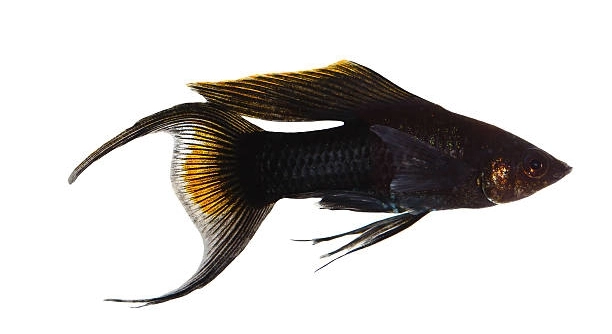
Are your Black Molly fish thriving in their tank, or do you sometimes notice changes in their behavior or appearance? Maintaining a clean and balanced environment is crucial for their overall well-being and longevity.
Neglecting regular tank maintenance can lead to poor water quality, increased disease risk, stunted growth, stress, algae overgrowth, and a weakened immune system in Black Molly fish. Consistent care ensures a stable and healthy aquatic environment.
Understanding these consequences helps you protect your fish and maintain a lively, vibrant tank environment for the long term.
Poor Water Quality
When tank maintenance is skipped, water quality deteriorates quickly. Uneaten food, fish waste, and decaying plants release harmful chemicals such as ammonia, nitrites, and nitrates. These toxins can irritate the fish’s gills and skin, making them more susceptible to infections. Even minor changes in pH or hardness can stress Black Mollies. Cloudy water often signals that bacteria and algae are multiplying out of control. Regular water changes, gravel cleaning, and filter upkeep are essential to keep these levels stable. Neglecting these tasks allows toxins to build up over time, impacting fish health. It can also affect beneficial bacteria that break down waste, leading to an unstable ecosystem. Black Mollies, being sensitive to sudden changes, will show signs of stress like erratic swimming or hiding. Maintaining clean water is not just about appearance; it is directly linked to the survival and vitality of your fish.
Water testing and partial water changes are effective ways to prevent these issues.
Keeping the tank clean supports a balanced ecosystem where fish, plants, and beneficial bacteria thrive together. By maintaining water quality consistently, Black Mollies remain healthy, active, and colorful, while algae and disease risks are minimized. Proper filtration and monitoring prevent sudden spikes in harmful chemicals, ensuring a stable environment for long-term care. Regular maintenance creates a safe habitat that reduces stress and promotes natural behavior, allowing you to enjoy lively fish that thrive in their aquatic home.
Increased Risk of Disease
Skipping tank upkeep increases exposure to pathogens. Dirty water encourages bacterial and fungal growth, which can infect Black Mollies easily.
Bacterial infections, fin rot, and fungal blooms are common when tanks are neglected. Fish weakened by poor water conditions have less ability to fight off illness. Parasites can also spread faster in unclean environments. Regular maintenance reduces disease outbreaks. Cleaning surfaces, replacing water, and monitoring fish behavior help prevent serious health problems and keep the population stable. Observing the fish closely allows for early intervention if symptoms appear. Prevention is far more effective than treating sick fish.
Algae Overgrowth
Algae thrives in neglected tanks. Excess nutrients from leftover food and waste fuel rapid growth, covering glass, decorations, and plants.
Unchecked algae makes the tank look messy and reduces oxygen levels in the water. Black Mollies may struggle to swim and find food properly, and plants can be smothered. Overgrowth also alters water chemistry, raising pH and encouraging harmful bacteria. Regular cleaning of tank surfaces, removal of excess food, and proper lighting control prevent algae from taking over. Maintaining a balance between nutrients, light, and tank hygiene keeps the environment stable and visually appealing for both fish and plants.
Algae can outcompete live plants for nutrients, weakening them over time. Black Mollies benefit from well-maintained plants that provide shelter and natural grazing surfaces. By controlling algae growth, you maintain clear water, healthy vegetation, and a balanced ecosystem. Filtration and partial water changes reduce excess nutrients, limiting algae’s ability to spread. Consistent attention prevents sudden algae blooms, keeping the tank comfortable for fish while minimizing stress and maintaining water quality.
Stunted Growth
Neglecting tank upkeep can slow Black Mollies’ growth. Poor water quality and inconsistent feeding affect development.
Stunted growth occurs when toxins accumulate and fish cannot absorb nutrients efficiently. Stress from overcrowding, low oxygen, or fluctuating temperatures further impairs development. Black Mollies may remain smaller than normal, lose coloration, and show weak activity. Regular maintenance, including water changes, proper feeding, and monitoring conditions, supports healthy growth. A clean, balanced environment ensures that fish can reach their full potential.
Consistent care allows young and adult Black Mollies to develop properly. Clean water, proper nutrition, and stable conditions reduce stress and support metabolic functions necessary for growth. Neglect can cause permanent stunting, making fish appear unhealthy and less vibrant. By maintaining filtration, monitoring water chemistry, and removing waste, you create an environment that encourages natural development. Observing fish behavior and growth patterns helps detect early signs of stress or poor health, allowing timely adjustments to feeding, temperature, or tank conditions to promote thriving fish.
Stress and Erratic Behavior
Black Mollies show stress when tank maintenance is ignored. Dirty water and unstable conditions make them swim frantically or hide.
Stress lowers their immune system, making them more prone to disease. Regular cleaning and monitoring help maintain calm, stable water conditions that encourage normal behavior and healthy interactions among fish.
Weakened Immune System
Poor tank hygiene directly impacts Black Mollies’ immunity. Continuous exposure to toxins and pathogens strains their defense mechanisms. Fish in neglected tanks are more likely to suffer infections, slow healing, and reduced lifespan. Proper maintenance, including water changes, filter cleaning, and monitoring water parameters, strengthens their natural defenses.
Increased Mortality
Ignoring routine upkeep increases the risk of death. Fish cannot survive in poor conditions without proper care.
FAQ
How often should I clean my Black Molly tank?
Regular cleaning is crucial to maintain water quality and fish health. Perform partial water changes of about 20–30% weekly. Clean the substrate by removing debris, uneaten food, and waste. Filters should be rinsed monthly in tank water to avoid killing beneficial bacteria. Proper cleaning prevents toxic buildup that stresses the fish.
What are the signs my Black Mollies are stressed?
Stress in Black Mollies shows in erratic swimming, hiding, or reduced activity. Faded coloration, clamped fins, or loss of appetite are also common indicators. Stress often results from poor water quality, sudden temperature changes, or overcrowding. Maintaining stable conditions helps reduce these behaviors.
How do I prevent algae overgrowth?
Control nutrients, light, and organic waste. Avoid overfeeding, clean surfaces, and ensure proper filtration. Limit tank light to 8–10 hours daily and remove excess debris. Balanced care reduces algae without harming fish or plants, keeping the tank clear and healthy.
Can poor water quality cause disease?
Yes, high ammonia, nitrite, or nitrate levels weaken Black Mollies’ immune systems, making them prone to infections like fin rot, fungal growth, and bacterial illnesses. Regular water testing, cleaning, and partial changes help prevent disease outbreaks and maintain a safe environment.
Why are my Black Mollies not growing properly?
Stunted growth is often linked to poor nutrition, stress, or polluted water. Fish require clean, stable water, balanced food, and sufficient oxygen to develop fully. Consistent tank care and proper feeding schedules encourage healthy growth.
How do I maintain a healthy immune system in my fish?
A clean environment, regular water changes, and a balanced diet are key. Avoid overcrowding and sudden water parameter shifts. Stress reduction through proper maintenance directly supports the fish’s natural defenses, reducing disease risk.
What should I do if my Black Mollies are sick?
Identify symptoms quickly, such as spots, torn fins, or unusual behavior. Isolate affected fish if possible, check water parameters, and adjust care. Use appropriate medications sparingly and follow instructions carefully. Early intervention increases recovery chances.
How can I ensure long-term tank stability?
Maintain routine water changes, monitor chemical levels, clean the substrate, and check filters. Avoid overfeeding and overstocking. Consistent attention prevents sudden changes, supports fish health, and keeps plants and beneficial bacteria thriving.
Are live plants helpful in Black Molly tanks?
Yes, live plants absorb excess nutrients, reduce algae growth, and provide shelter for fish. They contribute to oxygen levels and a natural environment, supporting both behavior and overall health. Regular pruning prevents decay and maintains a balanced ecosystem.
What is the best feeding routine for Black Mollies?
Feed small amounts 1–2 times daily, ensuring they consume food within a few minutes. Overfeeding pollutes water and promotes algae growth. A varied diet including flakes, frozen, and live foods helps maintain coloration, energy, and overall well-being.
How do I monitor water parameters effectively?
Use test kits to check ammonia, nitrites, nitrates, and pH weekly. Temperature should remain stable, typically between 72–78°F. Observing these levels allows prompt corrections and prevents stress or disease in Black Mollies.
Can skipping tank maintenance permanently harm my fish?
Yes, prolonged neglect can cause stunted growth, chronic stress, weakened immunity, and even death. Early and consistent maintenance prevents lasting damage and supports a thriving, healthy tank environment for your Black Mollies.
How important is filtration for Black Mollies?
Filters remove waste and maintain water clarity while supporting beneficial bacteria. Regular cleaning and proper filter size for your tank are essential. A malfunctioning or dirty filter quickly leads to poor water quality, increasing health risks for your fish.
What steps should I take if I notice algae bloom or cloudy water?
Remove excess algae manually, perform partial water changes, and check feeding amounts. Ensure proper filtration and adjust lighting if necessary. Addressing the issue early prevents prolonged stress on Black Mollies and keeps the tank balanced.
How can I reduce stress during routine tank maintenance?
Perform changes gradually and avoid sudden water parameter shifts. Handle decorations and plants gently. Keeping consistent temperature, stable water chemistry, and minimizing disturbance helps Black Mollies remain calm during cleaning.
Is it necessary to quarantine new fish?
Yes, quarantining prevents introducing disease into an established tank. Observe new fish for at least two weeks in a separate tank, checking for signs of illness before adding them to your Black Mollies’ habitat.
Can overfeeding be as harmful as poor water maintenance?
Absolutely. Overfeeding leads to excess waste, spikes in ammonia, and encourages algae growth. Small, controlled portions eaten quickly maintain water quality and prevent digestive issues or obesity in Black Mollies.
How often should I replace filter media?
Replace chemical filter media, like activated carbon, monthly. Rinse mechanical and biological media in tank water to preserve beneficial bacteria. Proper filter upkeep ensures stable water quality without compromising the ecosystem.
What role does tank size play in Black Molly health?
A spacious tank reduces stress and competition for resources. Overcrowding increases waste, raises disease risk, and stunts growth. Adequate space allows natural swimming patterns and interaction, promoting healthy behavior and longevity.
How do I balance lighting and plant growth without promoting algae?
Provide 8–10 hours of light daily, avoid direct sunlight, and monitor plant health. Trim dead leaves and remove decaying matter. Balanced light encourages plants to thrive while preventing algae from overtaking the tank.
Can I use water conditioners to help maintain my tank?
Yes, water conditioners neutralize chlorine, chloramine, and heavy metals. They reduce stress on Black Mollies and improve water quality, especially during water changes, supporting overall health and a stable environment.
What signs indicate my Black Mollies are thriving?
Healthy fish swim actively, display vibrant coloration, eat regularly, and interact normally. Clear eyes, smooth fins, and calm behavior are positive indicators. Thriving fish reflect stable water conditions, proper nutrition, and consistent maintenance.
How do seasonal changes affect my tank?
Temperature fluctuations and light variations can stress Black Mollies. Monitor heaters, thermometers, and lighting schedules during seasonal shifts. Adjusting carefully prevents sudden changes in water parameters that can affect health.
What is the most important daily task for Black Molly care?
Feeding the right amount and observing behavior are daily priorities. Spotting early signs of stress or illness allows quick action. Consistent attention, even in small tasks, ensures a healthy, stable environment for your fish.
Can neglecting tank maintenance affect breeding?
Yes, poor water quality, stress, and overcrowding reduce breeding success. Clean, stable conditions, proper nutrition, and sufficient space improve reproductive behavior and fry survival rates. Monitoring and maintenance are essential for successful breeding outcomes.
How do I create a maintenance schedule that works?
Set weekly water changes, substrate cleaning, and filter checks. Monitor chemical levels regularly and observe fish behavior daily. A structured routine ensures consistent care and prevents buildup of harmful conditions that compromise Black Molly health.
What should I do if multiple fish show signs of illness?
Check water parameters immediately and perform a partial change if necessary. Isolate severely affected fish, review feeding and hygiene practices, and consider professional advice for treatment. Prompt action limits the spread of disease and supports recovery.
How important is oxygenation in the tank?
Proper oxygen levels are crucial for Black Mollies. Aeration through filters, air stones, or live plants helps fish breathe easily and reduces stress. Low oxygen can cause lethargy, erratic swimming, and increased disease susceptibility.
How do I balance tank maintenance with my schedule?
Set specific days for water changes, substrate cleaning, and filter upkeep. Small, consistent efforts prevent overwhelming tasks and maintain a healthy tank without taking excessive time. Observing fish daily allows minor adjustments before problems escalate.
Can I use automated equipment to simplify maintenance?
Yes, timers for lights, auto-feeders, and filter systems can reduce daily effort. However, manual checks are still necessary to monitor water quality, fish behavior, and algae growth. Automation helps maintain consistency but doesn’t replace observation.
How long does it take to see results from proper maintenance?
Visible improvements, like clear water and active fish, can appear within a few days. Long-term benefits, such as better growth, stronger immunity, and stable behavior, develop over weeks of consistent care. Regular maintenance ensures lasting positive effects.
What should I prioritize if I fall behind on tank care?
Address water quality first—perform partial changes, clean debris, and check chemical levels. Then maintain the filter and remove algae. Prioritizing these steps restores a safe environment and reduces stress on Black Mollies.
How can I prevent future neglect?
Create a checklist, set reminders, and establish a routine. Keeping tools and supplies accessible encourages consistent care. Monitoring water, fish behavior, and algae growth regularly ensures maintenance becomes a manageable habit rather than an occasional task.
Can tank decorations affect maintenance needs?
Yes, intricate decorations trap waste and complicate cleaning. Smooth surfaces and easily removable items simplify upkeep. Choose decorations that enhance the habitat without creating hidden areas for debris or algae buildup.
Are certain foods better for Black Mollies’ health?
Balanced diets with high-quality flakes, occasional live or frozen foods, and vegetable matter promote growth, coloration, and immunity. Avoid overfeeding or low-quality products that leave excess waste, which can degrade water quality.
How do I know when it’s time to upgrade my tank?
Signs include overcrowding, frequent water parameter spikes, or rapid algae growth. Larger tanks provide more stable conditions, reduce stress, and support healthy growth and breeding. Upgrading ensures long-term fish health and reduces maintenance challenges.
Can skipping small maintenance tasks really have major effects?
Yes, even minor neglect compounds over time. Small issues like leftover food or unnoticed waste can lead to poor water quality, stress, disease, and stunted growth. Consistency in routine tasks prevents long-term harm to Black Mollies and preserves tank stability.
How can I make maintenance less stressful for my fish?
Perform gradual water changes, minimize handling, and maintain consistent temperature. Gentle cleaning and observing fish reactions reduces stress. Routine attention ensures a calm environment and supports healthy behavior without sudden disruptions.
What are the long-term benefits of consistent maintenance?
Black Mollies remain healthy, colorful, and active. Disease risk is reduced, growth is optimized, and stress levels are lower. A well-maintained tank supports plants, beneficial bacteria, and overall ecosystem balance, creating a vibrant and sustainable habitat for years.
How do I manage multiple tanks efficiently?
Keep a separate schedule for each tank, track water parameters, and use consistent maintenance routines. Group similar tanks together for cleaning and water changes. Organization prevents oversight and ensures all fish receive proper care.
Can tank maintenance impact fish lifespan?
Absolutely. Clean, stable conditions reduce stress, prevent disease, and support growth, directly influencing longevity. Neglect shortens lifespan through chronic stress, infections, and poor nutrition. Consistent care maximizes the potential lifespan of Black Mollies.
What’s the simplest daily habit to protect Black Mollies?
Observe them closely during feeding, check water clarity, and remove uneaten food promptly. Small daily actions prevent accumulation of waste, reduce stress, and maintain a healthy, thriving tank environment.
How does temperature consistency affect fish health?
Fluctuating temperatures stress Black Mollies, lowering immunity and altering behavior. Maintaining stable conditions within the ideal range (72–78°F) supports metabolism, growth, and reproduction. Heaters and thermometers help monitor and regulate temperature effectively.
How do I balance multiple care priorities at once?
Focus on water quality first, then feeding, observation, and filter maintenance. Prioritizing critical tasks prevents major issues. Regular schedules make multi-step care manageable without overwhelming time or effort.
Can neglect affect social behavior in Black Mollies?
Yes, stressed fish may hide, avoid interaction, or display aggression. Clean, stable conditions encourage normal schooling, mating behavior, and peaceful coexistence among tank mates. Observing behavior provides insight into overall health and tank conditions.
Are there signs that maintenance is working?
Clear water, active swimming, vibrant coloration, and normal feeding patterns indicate positive results. Healthy plants, minimal algae, and stable water chemistry reflect effective, consistent care supporting Black Mollies’ well-being.
How do I recover a tank after prolonged neglect?
Perform partial water changes, clean substrate and decorations, check and maintain filters, and monitor water parameters daily. Gradually reintroduce proper feeding and plant care. Consistent attention over days to weeks restores a stable environment for fish recovery.
What common mistakes should I avoid during maintenance?
Avoid sudden large water changes, overfeeding, and neglecting filter cleaning. Do not introduce new fish without quarantine. Skipping regular observation and testing leads to overlooked issues that can escalate quickly. Consistency and careful monitoring prevent long-term problems.
How do I know if my tank is balanced?
Indicators include clear water, active healthy fish, stable pH, ammonia, nitrite, and nitrate levels, and controlled algae growth. Plants and beneficial bacteria should thrive, showing that the ecosystem is stable and well-maintained.
Can maintenance mistakes be reversed?
Yes, early intervention can reverse negative effects. Gradual water changes, cleaning, and monitoring restore conditions. Prompt attention to stress, disease, or poor water quality allows Black Mollies to recover fully.
What tools are essential for easy maintenance?
Test kits, siphons, algae scrapers, water conditioners, and thermometers simplify routine care. Easy access to these tools ensures consistent attention and minimizes stress for both fish and caretaker.
How does tank size influence maintenance frequency?
Smaller tanks require more frequent water changes and monitoring due to quicker accumulation of waste. Larger tanks provide more stability but still require consistent care. Understanding tank dynamics helps plan effective maintenance schedules.
Can skipped maintenance affect breeding success long-term?
Yes, stress, poor water quality, and nutrient imbalance reduce mating, fry survival, and growth. Maintaining stable, clean conditions promotes reproductive behavior and supports healthy offspring development.
Is it possible to maintain a thriving tank with minimal effort?
Minimal effort is possible only with automation and small, consistent daily checks. Water changes, feeding, and monitoring remain essential, as neglecting these tasks undermines fish health despite other conveniences.
How can I make tank maintenance part of my routine?
Set reminders, keep tools organized, and dedicate specific days for cleaning and water changes. Observing fish daily reinforces awareness of health and water quality, making maintenance a manageable habit rather than a sporadic task.
What are the risks of inconsistent maintenance?
Inconsistent care leads to fluctuating water parameters, stress, disease, algae blooms, and stunted growth. Black Mollies thrive on stable conditions, and irregular attention compromises health and longevity. Consistency is critical for long-term success.
How do I ensure my Black Mollies remain vibrant and active?
Maintain water quality, provide a balanced diet, observe daily, and perform regular maintenance. Stable conditions, clean environment, and proper care encourage natural behavior, coloration, and overall vitality in the tank.
What are the first steps to recover fish from poor conditions?
Check water parameters, perform partial changes, clean debris, and monitor behavior. Adjust feeding and maintain a stable environment. Gradual improvements prevent further stress and support recovery.
How do I balance multiple tanks without compromising care?
Organize a schedule, track water tests, and clean sequentially. Automate lighting or feeding where possible. Attention to each tank’s unique needs ensures consistent, high-quality care across all setups.
What is the most overlooked aspect of maintenance?
Observation of fish behavior. Subtle changes in activity, appetite, or color often signal early problems. Daily attention allows preventive measures before issues escalate, maintaining health and stability.
How long does it take to fully restore a neglected tank?
Depending on severity, it may take days to weeks. Gradual water changes, cleaning, and monitoring stabilize water parameters. Consistency ensures fish recover and the ecosystem regains balance.
Can proper maintenance prevent almost all health issues?
While not a guarantee, consistent care significantly reduces stress, disease, and stunted growth. Stable, clean conditions create an environment where Black Mollies can thrive and resist common problems naturally.
What’s the best long-term strategy for tank care?
Establish a routine of weekly water changes, substrate cleaning, filter maintenance, and daily observation. Monitor parameters, control algae, and feed properly. Consistency and attention create a healthy, sustainable habitat for Black Mollies indefinitely.
How do I keep track of maintenance tasks effectively?
Use a log or checklist for water changes, filter checks, and cleaning. Recording test results and fish behavior helps identify trends, prevents missed tasks, and ensures consistent care over time.
Are there signs that maintenance is slipping before fish are affected?
Yes, early indicators include slight cloudiness, mild algae growth, or subtle changes in fish behavior. Addressing these signs promptly prevents larger problems and keeps Black Mollies healthy.
Can I reduce maintenance without risking fish health?
Minor reductions are possible with proper tank size, filtration, and consistent observation. However, skipping essential tasks like water changes or monitoring parameters increases risks and compromises long-term health.
What is the best way to handle sudden tank issues?
Assess water parameters, remove debris, perform partial water changes, and isolate affected fish if necessary. Prompt action stabilizes the environment and prevents escalation of stress, disease, or algae overgrowth.
How do I know if my fish are happy in their tank?
Active swimming, schooling, vibrant colors, normal feeding, and interaction indicate well-being. Calm behavior and natural exploration reflect a stable, clean environment that meets Black Mollies’ needs.
Are there maintenance shortcuts that work long-term?
Automation, careful feeding, and regular observation help, but shortcuts cannot replace essential water changes, cleaning, and parameter monitoring. Consistency remains the most effective strategy for a thriving tank.
How do I prevent disease after cleaning?
Rinse tools in tank water, avoid overhandling fish, and ensure water parameters remain stable. Maintaining cleanliness without sudden changes supports immunity and reduces post-cleaning stress.
Can stress from poor maintenance affect reproduction?
Yes, stress lowers fertility, disrupts mating behavior, and reduces fry survival. Stable water, consistent care, and a low-stress environment are essential for successful reproduction in Black Mollies.
How often should I monitor water chemistry?
Weekly testing of ammonia, nitrites, nitrates, pH, and temperature is recommended. Frequent monitoring helps identify problems early and prevents long-term stress or disease. Consistent observation ensures a healthy tank.
What is the most important takeaway from proper maintenance?
Consistency. Regular cleaning, observation, and monitoring create a stable environment that promotes health, longevity, and vibrant behavior in Black Mollies. Neglect quickly leads to stress, disease, and other preventable issues.
**How can I make maintenance enjoyable rather than a
Maintaining a Black Molly tank may feel like a lot of work at first, but it is essential for the health and happiness of your fish. Skipping even small tasks can create a chain reaction that affects water quality, fish behavior, and overall tank stability. Regular water changes, proper feeding, and filter upkeep are simple actions that prevent most problems before they develop. Observing your fish daily allows you to spot early signs of stress or illness, which can make a significant difference in how quickly issues are addressed. Clean water, balanced nutrition, and a stable environment are the foundation for healthy, active Black Mollies that display vibrant colors and natural behaviors. By committing to consistent maintenance, you are protecting your investment in both time and effort, and ensuring your fish live long, healthy lives.
A well-maintained tank does more than just keep the fish alive. It creates an environment where fish can thrive naturally, swim freely, and interact normally with each other. Healthy Black Mollies are less prone to disease, less stressed, and more likely to grow to their full potential. Tank plants and decorations also benefit from regular care, as algae overgrowth and decaying matter are kept under control. Proper maintenance encourages a balanced ecosystem where beneficial bacteria, plants, and fish coexist in harmony. Taking the time to clean the substrate, monitor water parameters, and control light exposure may seem repetitive, but these steps ensure that your aquarium remains a safe, stable, and attractive space for your fish. Over time, maintaining this routine becomes second nature, and the small effort pays off in a vibrant, lively tank that is enjoyable to watch and care for.
Consistency is key when it comes to Black Molly care. Establishing a maintenance schedule, even a simple one, reduces the risk of water quality issues, stress, and illness. Small, regular actions like removing leftover food, performing partial water changes, and observing fish behavior prevent larger problems that are harder to fix. Even minor neglect can result in stunted growth, weakened immunity, and increased mortality, which is avoidable with steady care. Paying attention to water chemistry, tank cleanliness, and the overall environment allows you to respond quickly to any changes, keeping the ecosystem stable. In the end, the health of your Black Mollies depends largely on your commitment to routine maintenance, making the effort worthwhile for both you and the fish. A clean, well-cared-for tank not only supports the fish’s physical health but also fosters a peaceful, natural environment where they can flourish.

Hello,
If you enjoy the content that we create, please consider saying a "Thank You!" by leaving a tip.
Every little bit helps us continue crafting quality advice that supports the health, happiness, and well-being of pets around the world, for pets of all shapes, sizes, and species.
We really appreciate the kindness and support that you show us!