
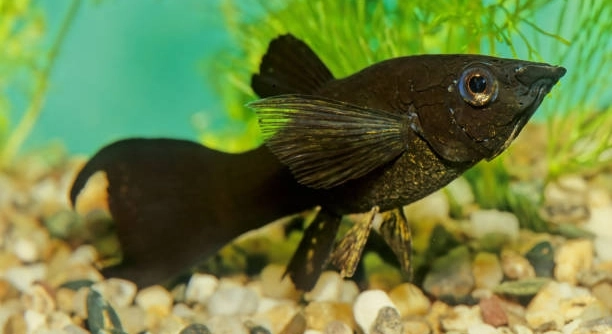
Black mollies are popular freshwater fish known for their calm nature and striking black color. Many fish owners enjoy watching them thrive in aquariums, but breeding them is not always straightforward or safe for the fish.
There are specific situations where black mollies should not breed, including poor water quality, health issues, overcrowding, age factors, stress, incompatible tank mates, and lack of nutrition. Avoiding breeding under these conditions ensures the welfare and survival of both the adults and their offspring.
Recognizing these key situations helps maintain a healthy aquarium environment and protects your black mollies from unnecessary stress or complications.
Poor Water Quality
Black mollies are sensitive to water conditions, and poor water quality can cause serious health issues. High levels of ammonia, nitrites, or nitrates can stress your fish, making breeding unsafe. If the water is cloudy or smells bad, it may be time for a thorough cleaning or water replacement. Temperature fluctuations also affect their reproductive cycles, and unstable conditions can lead to weak or malformed fry. Maintaining a clean, stable tank is essential. Regular testing with water kits helps ensure the environment is safe for adults and offspring. Even if your mollies appear healthy, subtle stress from poor water can reduce fertility and increase the likelihood of disease. Consistently clean water supports stronger, healthier fry that are more likely to survive. Avoid attempting to breed until all parameters are stable, as this protects both the parents and the young from preventable health problems.
Clean water is critical for breeding. Without proper maintenance, fish face stress, poor health, and higher mortality rates for fry.
Stable water quality ensures your mollies thrive. Healthy adults produce stronger offspring, and consistent care reduces the risk of tank-related issues.
Health Issues
Illnesses like fin rot, parasites, or fungal infections can make breeding unsafe. Sick fish should never be used for reproduction, as stress and weakened immune systems reduce survival rates.
Breeding unhealthy mollies can spread disease and increase fry mortality. Preventative care, regular observation, and quarantine for sick fish help maintain a healthy tank environment.
Regularly check your black mollies for signs of illness, such as unusual swimming patterns, faded colors, or clamped fins. If you notice any symptoms, isolate the affected fish immediately and treat them according to recommended methods. Breeding while fish are recovering can weaken both the parent and the offspring, causing complications that may not be easily reversed. Providing a balanced diet, stable water conditions, and low-stress environments improves overall health and fertility. Always allow time for full recovery before attempting to breed, ensuring that the process is safe and that fry have a higher chance of survival.
Overcrowding
Too many fish in one tank increases stress and competition for food. Overcrowding reduces water quality and can make breeding dangerous for black mollies.
When a tank is overcrowded, adults often become aggressive or stressed, which affects mating behavior. Fry survival drops because there is less space to hide, and weaker fry may be eaten by adults. Overcrowding also strains the filtration system, leading to higher ammonia and nitrite levels, which directly harm fish health. Black mollies need space to swim and reproduce safely. Ensuring an appropriate number of fish per gallon is essential for a stable, healthy environment. Separating breeding pairs or creating a dedicated breeding tank improves success and reduces risks for both adults and fry.
Providing adequate space allows mollies to interact naturally, reduces stress-related health issues, and promotes stronger, healthier offspring that are more likely to survive in the tank.
Age Factors
Very young or very old black mollies should not breed. Their bodies may not be fully ready, or fertility may have declined.
Breeding mollies at the wrong age can result in weak or undeveloped fry. Younger fish may struggle with the physical demands of pregnancy, while older fish may experience health complications during reproduction. Providing proper nutrition and monitoring growth ensures fish reach an appropriate breeding age. Waiting until mollies are mature, but not too old, balances health and fertility, improving the odds of successful reproduction.
Age also affects energy levels and immunity. Younger fish may recover faster, but older fish could face complications. Observing signs of maturity, such as size and behavior, helps determine readiness. Patience in waiting for the right age improves overall breeding outcomes, protecting both parents and offspring from unnecessary stress or health risks.
Stress
High stress levels prevent black mollies from breeding successfully. Loud noises, sudden changes, or aggressive tank mates can all contribute to stress.
Chronic stress weakens their immune systems and can cause reproductive failure. Calm, stable conditions are necessary to encourage healthy mating behavior and increase fry survival.
Incompatible Tank Mates
Some fish species attack or harass black mollies, making breeding unsafe. Aggressive or fin-nipping fish create constant tension in the tank, which can lead to injury or death.
Keeping mollies with peaceful species or in a separate breeding tank minimizes stress. Avoid mixing with larger or territorial fish to ensure safety and proper breeding conditions.
Lack of Nutrition
Insufficient or poor-quality food affects fertility and fry health. Adults need a balanced diet rich in protein and vitamins to produce strong offspring.
Nourishing black mollies with high-quality flakes, frozen, or live foods improves egg quality and fry survival rates. Consistent feeding supports overall health and prepares fish for safe reproduction.
How do I know if my black molly is too young to breed?
Young black mollies often appear smaller and less developed than mature adults. Females may not show a visible gravid spot, and males might lack fully developed gonopodiums. Attempting to breed too early can stress the fish and result in weak or nonviable fry. Waiting until they reach an appropriate size and age is crucial for healthy reproduction. Observing behavior and physical traits helps determine readiness. Proper nutrition and tank conditions also prepare them for successful breeding, ensuring both parents and offspring remain healthy.
Can stress really prevent black mollies from reproducing?
Yes, stress directly affects reproductive success. Stressors like sudden changes in water temperature, overcrowding, or aggressive tank mates disrupt normal mating behavior. Stressed fish may hide constantly, avoid feeding, or display abnormal swimming patterns. This reduces the likelihood of successful fertilization and weakens immune systems, increasing disease risks. Minimizing stress by keeping a stable, quiet, and appropriately stocked tank creates an environment where mollies feel safe to breed naturally. Calm conditions improve fry survival and overall adult health.
What happens if I breed sick black mollies?
Breeding sick fish puts both parents and offspring at risk. Illnesses like parasites, fin rot, or bacterial infections can transfer to fry, causing high mortality rates. Sick adults also have lower fertility and may struggle to carry or deliver healthy fry. Quarantining and treating affected fish before attempting breeding ensures stronger offspring and reduces the spread of disease throughout the tank. Preventative care, consistent observation, and maintaining optimal water conditions are key to avoiding health complications during reproduction.
Is overcrowding really a problem for breeding?
Overcrowding reduces available space, increases competition for food, and elevates stress levels. Adults in crowded tanks may become aggressive or avoid mating entirely. Fry survival drops due to limited hiding spaces, and waste accumulation can compromise water quality. Providing ample space or a dedicated breeding tank ensures adults can reproduce safely, and fry have room to grow. Observing fish behavior and adjusting population density helps maintain a healthy and successful breeding environment.
How do I ensure proper nutrition for breeding black mollies?
A balanced diet is essential for fertility and fry survival. High-quality flakes, live foods like brine shrimp, or frozen alternatives provide the protein and vitamins needed for strong eggs and sperm. Adults require consistent feeding schedules, and overfeeding should be avoided to maintain water quality. Nutritional care strengthens adult health, supports proper development of fry, and increases the likelihood of successful reproduction. Variety in food types encourages better health and natural feeding behavior.
Can age affect breeding success?
Yes, both very young and very old mollies face challenges. Young fish may not be physically ready, and older fish may experience declining fertility or complications during pregnancy. Ensuring adults are mature but not past their prime balances health and reproductive capability. Observing physical and behavioral cues, such as size and activity levels, helps determine readiness. Allowing mollies to reach optimal age reduces stress, supports healthy fry, and improves overall breeding outcomes.
Do tank mates impact breeding?
Yes, incompatible species can prevent breeding or harm fry. Aggressive or fin-nipping fish increase stress and injury risks. Peaceful companions or separate breeding tanks create safe conditions for mating and fry growth. Monitoring interactions ensures adults can focus on reproduction without distraction or threat. Proper planning of tank composition supports healthier fry and reduces unnecessary losses.
How often should black mollies breed?
Frequent breeding can strain the female and reduce her health. Allowing time between pregnancies gives her body a chance to recover and maintain fertility. Overbreeding increases the likelihood of weak fry and adult stress. Observing behavior and physical condition helps regulate breeding intervals safely.
What signs indicate my black molly is ready to breed?
Females develop a dark gravid spot near the anal fin, and males display a fully formed gonopodium. Healthy appetite, active swimming, and reduced stress levels indicate readiness. Consistent observation ensures breeding occurs under ideal conditions, promoting stronger offspring.
How do I protect fry in a community tank?
Fry are vulnerable to predation. Using breeding boxes, dense plants, or separate tanks prevents adults and other species from eating them. Ensuring ample hiding spaces and proper nutrition supports early growth and survival. Consistent monitoring during the first few weeks is critical for their health.
What environmental factors matter most for breeding?
Stable water temperature, clean conditions, and gentle filtration are key. Sudden changes or poor quality can stress adults and reduce fry survival. Maintaining consistent lighting, pH, and minimal disturbances encourages healthy mating and supports fry development.
How long is the gestation period for black mollies?
Gestation usually lasts 21 to 30 days. Females show a dark gravid spot, and their abdomen becomes noticeably rounded. Monitoring closely near the end helps prepare for fry birth and ensures safety in a controlled environment.
Can multiple females breed together?
Yes, but overcrowding should be avoided. Multiple gravid females can compete for space and resources, increasing stress and reducing fry survival. Providing ample space and hiding spots mitigates competition and improves overall breeding outcomes.
How do I handle weak or sick fry?
Weak fry should be separated and provided optimal water quality, gentle feeding, and minimal stress. Quarantine or dedicated tanks help them recover and grow stronger. Early care improves survival rates and ensures healthier adult fish.
What’s the best way to introduce a breeding pair?
Introduce compatible, healthy adults gradually. Observe interactions to confirm compatibility and reduce stress. Ensure the tank has hiding spots, stable water conditions, and ample food. Gradual introduction supports natural mating behavior and improves fry survival rates.
How often should water be changed during breeding?
Regular water changes are vital to maintain quality and reduce stress. Partial weekly changes or as needed based on test results keep the environment safe for adults and fry. Avoid sudden large changes, as this can disrupt breeding behavior.
Can black mollies breed without hiding spaces?
Breeding without hiding places is risky. Adults may eat fry, and stress levels rise, reducing reproduction success. Providing dense plants, caves, or breeding boxes ensures safety and supports healthy fry growth.
Are there seasonal effects on breeding?
Temperature and daylight changes can influence breeding cycles. Maintaining consistent conditions in captivity helps mimic natural triggers without causing stress. Stable light and temperature support regular mating and fry development.
How do I know if fry are healthy?
Healthy fry are active, feed readily, and grow steadily. Pale colors, sluggishness, or deformities indicate issues. Prompt attention to water quality, diet, and tank conditions ensures survival and strong development.
What’s the ideal tank size for breeding black mollies?
A tank of at least 20 gallons is recommended for a breeding pair or small group. More space reduces stress, supports water quality, and gives fry room to hide. Proper sizing increases the likelihood of successful reproduction and healthy growth.
How do I prevent overbreeding in the tank?
Separate females after birth or limit pairing with males. Monitoring reproduction cycles and removing fry or adults temporarily helps regulate frequency and maintain health. Controlled breeding reduces stress and ensures stronger offspring.
Can diet alone improve fertility?
A proper diet is critical but must be paired with clean, stress-free conditions. High-quality, protein-rich foods enhance fertility, but environmental factors also play a major role in successful breeding. Both nutrition and habitat stability are required for optimal results.
Is it okay to breed black mollies in a community tank?
It is possible but risky. Fry may be eaten, and adult stress increases. Using separate breeding areas or protective spaces ensures safer reproduction and higher survival rates for offspring. Proper tank management supports both adult and fry health.
How do I identify compatible breeding pairs?
Healthy, mature males and females with vibrant colors and no signs of illness make compatible pairs. Observing behavior for aggression or avoidance ensures pairing is safe. Compatibility reduces stress and improves chances of successful reproduction.
Can environmental enrichment affect breeding success?
Yes, plants, hiding spots, and gentle flow improve comfort and reduce stress. A stimulating but safe environment encourages mating behavior, protects fry, and supports overall health of adults. Enrichment helps black mollies feel secure and promotes natural reproductive behavior.
How long should I separate fry from adults?
Fry should be kept apart until large enough to avoid predation, usually 4–6 weeks. Providing ample hiding spaces during this period improves survival rates. Monitoring growth ensures fry can safely join the main tank later without risk.
Do temperature fluctuations impact breeding?
Sudden changes can halt mating and stress adults. Stable temperatures close to 76–80°F encourage reproduction and support fry development. Gradual adjustments are safe but should avoid large swings that disrupt reproductive cycles.
How do I prevent disease during breeding?
Maintain clean water, quarantine new fish, and feed high-quality foods. Regular observation helps detect early signs of illness, reducing risks for both adults and fry. Preventive care is essential for successful and safe breeding.
Are live plants necessary for breeding?
Live plants provide hiding spots for fry and reduce stress for adults. While not strictly necessary, they improve survival rates, create natural shelter, and promote healthier environments for breeding black mollies.
Can black mollies breed year-round?
With stable temperature, light, and water quality, black mollies can breed continuously. Ensuring consistent care prevents stress and supports strong, healthy fry production throughout the year.
What’s the best way to acclimate fry to the main tank?
Gradual introduction with hiding spaces and careful observation prevents predation. Ensure water parameters match the main tank and monitor feeding and health closely during the transition period.
Breeding black mollies can be a rewarding experience, but it is important to remember that it comes with responsibility. These fish are sensitive to changes in their environment, and their health can be easily affected by stress, poor water quality, or insufficient nutrition. When planning to breed, the conditions in the tank must be stable and carefully monitored. Ensuring that the adults are healthy, mature, and free from disease is essential to avoid complications during reproduction. Taking the time to set up a proper environment, including enough space, clean water, and hiding spots for fry, helps protect both the parents and the young fish. Rushing into breeding without considering these factors can lead to weak or sick fry and may cause unnecessary stress for the adult mollies. Observing the fish regularly and making adjustments to the tank as needed can greatly increase the chances of successful reproduction.
Another important consideration is understanding the role of nutrition and care in breeding. Black mollies require a balanced diet rich in protein, vitamins, and minerals to produce strong and healthy offspring. Adults that are underfed or given low-quality food may produce weak eggs, which often results in high mortality among fry. A proper feeding routine supports adult health and prepares females for pregnancy while helping males maintain their fertility. Alongside nutrition, maintaining stable water parameters, a consistent temperature, and low stress levels all contribute to better breeding outcomes. Black mollies that feel secure and well cared for are more likely to mate naturally and produce fry that have a higher chance of survival. Providing separate breeding areas or tanks can further reduce risks and allow the fry to grow without the threat of predation from adult fish.
Patience is also a key factor in successful breeding. Black mollies should only be bred when they are of appropriate age and fully healthy. Overcrowding, breeding too frequently, or using sick fish can have negative effects on both adults and offspring. Monitoring the fish for signs of stress or illness and taking steps to correct any issues before breeding is crucial. By paying attention to these factors, breeders can help ensure that their black mollies remain healthy and that fry grow strong and thrive. Careful planning, consistent observation, and maintaining proper tank conditions will make breeding a safer and more successful process. Following these steps helps create an environment where the fish can reproduce naturally and flourish, resulting in healthier adults and stronger offspring.

Hello,
If you enjoy the content that we create, please consider saying a "Thank You!" by leaving a tip.
Every little bit helps us continue crafting quality advice that supports the health, happiness, and well-being of pets around the world, for pets of all shapes, sizes, and species.
We really appreciate the kindness and support that you show us!