
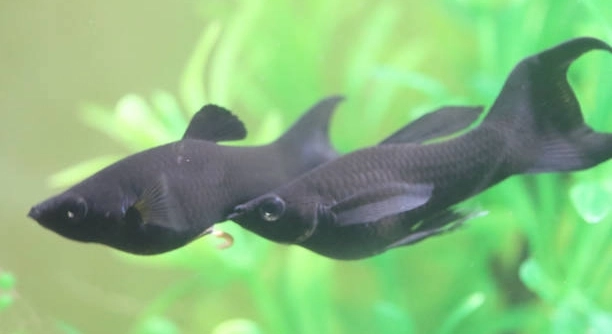
Are your black molly fish swimming in unusual patterns around the tank? Observing them darting, spinning, or hovering strangely can be worrying for any aquarist who cares about their pets’ well-being.
Abnormal swimming behavior in black mollies is commonly caused by water quality issues, stress, or illness. Poor oxygen levels, high ammonia, or internal parasites can disrupt their normal movement, requiring prompt attention to restore a healthy aquatic environment.
Recognizing the causes of these odd patterns can help you take immediate action to support your fish’s health and prevent further complications.
Common Reasons for Odd Swimming Patterns
Black mollies can start swimming strangely due to several common factors in the aquarium. Poor water quality is the most frequent cause. High ammonia, nitrite, or nitrate levels can stress fish, affecting their balance and movement. Temperature fluctuations or unsuitable water conditions can also lead to erratic swimming. Stress from overcrowding or aggressive tank mates often forces mollies to dart or hide. Illnesses, including parasites or bacterial infections, can further impact their normal behavior. Even dietary imbalances can affect energy levels and swimming patterns. Observing your fish daily helps identify subtle changes before they escalate. Small adjustments, such as improving filtration, maintaining stable temperatures, and monitoring chemical levels, can make a significant difference in correcting these behaviors. Regular water testing is essential to ensure a safe environment. Feeding high-quality, balanced food supports their health and reduces the risk of swimming problems caused by nutritional deficiencies.
Proper care and attention can prevent minor issues from becoming severe health concerns.
Being proactive with water quality, tank conditions, and diet will help mollies regain normal swimming behavior more quickly.
Water Quality and Tank Maintenance
Maintaining clean water is essential for black mollies’ health. Poor water conditions quickly affect their swimming and overall well-being.
Regular partial water changes, at least 20–30% weekly, reduce harmful chemicals and debris. Using a reliable filtration system keeps water oxygenated and removes waste. Avoid overfeeding, as leftover food can decay, raising ammonia and nitrite levels. Monitor pH and temperature consistently; black mollies prefer slightly alkaline water between 24–28°C. Adding live plants can improve oxygen levels and provide hiding spots, reducing stress. Always acclimate new fish slowly to avoid sudden water shocks. Observe your fish after maintenance to ensure their movement stabilizes.
By consistently maintaining proper water quality and tank conditions, you create an environment where black mollies can swim naturally. Healthy, stable water supports immunity, reduces stress, and minimizes erratic behavior, allowing your fish to thrive. Investing time in regular cleaning and monitoring prevents long-term issues. A stable environment encourages normal swimming, active feeding, and overall vitality. Over time, your mollies will display calm, consistent patterns, reflecting the positive impact of diligent care. Proper maintenance also reduces the likelihood of diseases that commonly disturb movement, giving you peace of mind while keeping the aquarium visually enjoyable and healthy for all inhabitants.
Stress and Tank Environment
Stress can significantly affect black mollies’ swimming patterns. Overcrowding, aggressive tank mates, or sudden changes in the tank can make them dart or hide. Even minor disturbances, such as loud noises near the tank, can trigger unusual behavior.
Reducing stress starts with assessing the tank environment. Ensure there is enough space for each fish to swim comfortably, avoiding overcrowding that causes competition for territory. Add plants, decorations, or hiding spots so mollies feel secure. Keep the tank in a quiet area away from frequent disturbances. Monitor interactions between fish, separating aggressive individuals if needed. Consistent lighting and temperature help maintain a calm atmosphere, which reduces erratic swimming caused by stress.
Feeding schedules also play a role in stress management. Sudden changes in diet or overfeeding can create tension among fish and lead to irregular swimming. Offering high-quality food in small, consistent amounts encourages natural behavior and helps mollies remain healthy and active. Observing fish during feeding times provides insights into their comfort level and overall tank dynamics.
Illness and Parasites
Illnesses can quickly change how black mollies swim. Parasites, bacterial infections, and internal issues often cause erratic movements or unusual hovering. Early identification is key to preventing worsening conditions.
Common signs of illness include rapid gill movement, loss of appetite, or lethargy. Parasites may cause scratching against surfaces or sudden bursts of frantic swimming. Bacterial infections often result in clamped fins, faded colors, or slow, uneven movements. Quarantining affected fish and maintaining optimal water conditions can help reduce the spread. Treatment options vary depending on the specific disease but often include medicated food, water additives, or isolation in a hospital tank. Regular observation helps detect changes before they become severe, allowing for timely intervention.
Maintaining fish health requires vigilance and preventive care. Regular tank cleaning, stable water parameters, and a balanced diet reduce the likelihood of disease. Providing proper nutrition strengthens immunity, while monitoring for early symptoms allows for prompt action. Even minor issues, like a slight swim imbalance, can indicate an underlying health concern. By combining careful observation with proactive maintenance, you can support your black mollies’ long-term well-being, keeping their swimming patterns consistent and natural. Preventing illness before it starts is the most effective way to avoid erratic behavior and ensure a healthy, thriving aquarium.
Dietary Factors
Feeding habits can influence black mollies’ swimming. Overfeeding or giving inappropriate food may cause bloating or lethargy, making their movements irregular. A balanced diet keeps energy levels stable and supports normal swimming patterns.
Providing high-quality flakes, pellets, and occasional live or frozen food ensures proper nutrition. Avoid sudden changes in diet, as this can stress fish and disrupt swimming. Small, frequent feedings prevent digestive issues and help maintain their natural activity levels. Consistency in feeding routines supports overall health and reduces erratic behavior caused by hunger or overfeeding.
Temperature Fluctuations
Black mollies are sensitive to water temperature. Sudden changes can lead to erratic swimming and stress. Maintaining a stable range between 24–28°C helps preserve their natural behavior. Proper heating and monitoring equipment are essential to prevent unexpected fluctuations.
Observing Behavior Patterns
Careful observation can help identify the root of odd swimming. Note the frequency, location, and type of movement to pinpoint potential issues. Recording these details over time provides a clearer understanding of your fish’s health and environment.
Tank Compatibility
Mixing incompatible species or aggressive fish can cause stress in black mollies. Ensuring peaceful tank mates reduces chasing, hiding, and erratic swimming behavior. Observing interactions and making adjustments creates a safer, calmer environment for all fish.
FAQ
Why are my black mollies swimming in circles?
Swimming in circles is often linked to water quality issues, stress, or parasites. Check ammonia, nitrite, and nitrate levels first. High levels can affect their balance and coordination. Overcrowding or aggressive tank mates may also cause frantic or circular swimming. Observing their behavior and adjusting tank conditions usually helps restore normal patterns.
Can temperature changes affect their swimming?
Yes. Black mollies are sensitive to temperature fluctuations. Water that is too cold or too warm can make them lethargic or hyperactive. Keeping the tank consistently between 24–28°C supports normal swimming and reduces stress. Sudden shifts should be avoided, and a reliable heater or thermometer helps maintain stability.
Could my fish be sick if they swim oddly?
Abnormal swimming can indicate illness. Parasites, bacterial infections, and internal problems often change how black mollies move. Look for additional signs like clamped fins, rapid gill movement, or loss of appetite. Early detection is critical. Quarantining affected fish and consulting treatment options can prevent the spread of disease.
Does diet impact their movement?
Improper feeding affects swimming patterns. Overfeeding can cause bloating or digestive problems, while nutrient deficiencies may lower energy levels. Feeding high-quality flakes or pellets, supplemented with live or frozen food, ensures proper nutrition. Small, consistent feedings help maintain natural activity and prevent erratic behavior caused by hunger or digestive stress.
How does tank size affect swimming?
Small or overcrowded tanks limit movement and increase stress, leading to unusual swimming. Black mollies need enough space to swim freely and avoid aggressive interactions. Providing a larger tank with hiding spots reduces stress and encourages more natural, calm swimming behaviors.
Can other fish cause stress?
Yes. Aggressive or incompatible tank mates can chase or bully black mollies. Stress from frequent harassment often results in hiding, darting, or erratic swimming. Observing fish interactions and separating aggressive individuals creates a calmer environment and allows mollies to regain normal movement.
Are water changes important?
Regular water changes are critical for maintaining clean water and stable chemical levels. Partial weekly changes remove waste, excess nutrients, and harmful chemicals. Proper filtration and monitoring complement water changes, reducing stress and preventing swimming issues caused by poor water quality.
Why do they sometimes swim near the surface or bottom?
Swimming near the surface may indicate low oxygen levels, while hovering near the bottom can signal illness or stress. Testing water parameters and ensuring proper aeration can correct these behaviors. Observing their patterns helps identify underlying issues before they worsen.
How long does it take for their swimming to normalize?
Recovery depends on the cause. Improving water quality, reducing stress, or treating illness can restore normal swimming within days to weeks. Consistent care, proper diet, and attentive observation speed up recovery and help maintain long-term health.
Is it normal for black mollies to swim erratically occasionally?
Occasional bursts of energy or short erratic movements can be normal, especially during feeding or play. Persistent or extreme patterns, however, indicate underlying problems. Monitoring behavior closely helps distinguish between harmless activity and signs of stress, poor water quality, or illness.
Black mollies are lively fish that can bring color and movement to any aquarium, but unusual swimming patterns are often a sign that something is off in their environment or health. Observing your fish daily can give you valuable insight into what might be causing these changes. Stress, poor water quality, diet, tank mates, or illness can all affect how black mollies swim. Even small shifts in their behavior can indicate that adjustments are needed. By paying attention early, you can prevent minor issues from turning into serious problems and help your fish maintain healthy, natural movement in the tank.
Maintaining clean water is one of the most important steps for keeping black mollies healthy. Regular water testing, partial water changes, and reliable filtration help keep chemical levels stable and remove harmful substances. Temperature should remain consistent, as sudden fluctuations can cause stress and affect swimming behavior. Providing adequate space and hiding spots reduces conflict and makes your fish feel secure. Nutrition also plays a key role. Feeding high-quality food in appropriate amounts supports energy levels and overall well-being. Combining these care practices creates a stable, healthy environment where your black mollies can swim normally and thrive.
Even with proper care, occasional odd movements may still occur, but consistent observation and maintenance will help you identify the cause quickly. Watching for signs of illness, such as clamped fins, color changes, or loss of appetite, allows you to act before conditions worsen. Adjusting tank conditions, diet, or social dynamics can often restore normal swimming patterns within a short period. Being proactive and attentive gives your black mollies the best chance to remain active, healthy, and comfortable. With patience and care, you can enjoy their natural behavior while preventing future problems and ensuring a balanced, thriving aquarium.

Hello,
If you enjoy the content that we create, please consider saying a "Thank You!" by leaving a tip.
Every little bit helps us continue crafting quality advice that supports the health, happiness, and well-being of pets around the world, for pets of all shapes, sizes, and species.
We really appreciate the kindness and support that you show us!