
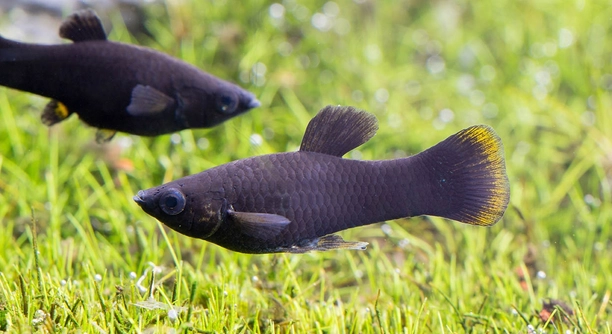
Do you ever notice your black molly fry curling slightly and wonder if it is normal? These tiny fish can show different behaviors that may catch your attention even in a healthy tank environment.
The primary reason black molly fry curl slightly is due to early developmental stress or minor water quality fluctuations. Maintaining stable temperature, proper nutrition, and clean water typically minimizes curling and supports healthy growth during their critical first weeks.
Understanding these small changes in behavior can help you maintain a healthier tank and support your fry’s proper development over time.
Common Causes of Curling in Black Molly Fry
Black molly fry are delicate in their first few weeks. Curling often happens because of minor stress, temperature changes, or water quality issues. Even small swings in pH or hardness can affect them. Overcrowding or aggressive tank mates can also make fry nervous, which shows in their posture. Fry may curl when they struggle to swim or find food, especially if they are weaker than their siblings. In some cases, curling is linked to nutritional deficiencies. Providing finely crushed flake food or specially formulated fry food helps them grow evenly. Observing your tank regularly allows you to spot small issues before they become serious. Gentle water changes, stable temperature, and careful feeding usually prevent curling from becoming a lasting problem. Patience is important, as fry development varies, and minor curling often resolves naturally with consistent care.
Maintaining stable tank conditions is the most effective way to reduce curling in young mollies.
Some fry curl due to temporary stress, but proper feeding, gentle handling, and clean water usually help them straighten naturally within days.
Water Quality and Its Impact
Even slight water fluctuations can affect fry significantly. Fry are sensitive to ammonia, nitrites, and sudden temperature shifts, which can trigger curling. Keeping a small thermometer and testing water weekly helps maintain safe conditions.
Water parameters are critical for fry health. Unstable conditions can lead to slow growth or deformities, making proper care essential. Regular monitoring, careful feeding, and avoiding sudden changes prevent unnecessary stress. Ensuring gentle filtration and consistent temperatures helps fry swim comfortably. Using a sponge filter or a filter with low flow reduces stress from strong currents. Frequent observation helps detect early signs of curling or sluggishness, allowing timely adjustments. Even minor improvements, like adjusting feeding frequency or cleaning uneaten food, can make a big difference in fry behavior. By maintaining clean, stable water, fry are more likely to develop strong bodies and swim without curling. Consistent care during these early stages supports long-term health and reduces the likelihood of deformities. A well-maintained environment encourages natural, confident swimming in your black molly fry.
Nutrition and Growth
Poor nutrition can contribute to curling in black molly fry. Insufficient protein or lack of essential vitamins slows development and makes fry more prone to bending or curling. Small, frequent feedings of high-quality fry food help support steady growth.
Feeding plays a major role in fry health. Tiny fry require easily digestible food that meets their nutritional needs. Finely crushed flakes, powdered fry food, or live foods like infusoria and baby brine shrimp provide the right balance of protein, fats, and micronutrients. Irregular feeding or low-quality food can weaken their muscles, causing curling or sluggish swimming. Observing how fry respond to different foods helps determine what works best. Balanced nutrition ensures fry develop strong spines and swim naturally.
Overfeeding or underfeeding can both cause problems. Excess food pollutes water, leading to stress, while insufficient nutrients leave fry weak. A consistent feeding schedule and attention to water quality help fry straighten and grow evenly. Monitoring growth and adjusting portions as fry develop prevents long-term deformities and supports healthy, active behavior in the tank.
Tank Setup Considerations
Tank size and decoration can influence fry behavior. Crowded spaces or sharp decorations may lead fry to curl to avoid obstacles. Providing open swimming areas reduces stress.
A proper tank setup is essential for healthy fry development. Black molly fry need plenty of open space to swim freely while having areas of gentle cover for safety. Fine-leaved plants or spawning mops provide hiding spots without restricting movement. Strong currents from powerful filters can tire fry and make curling more frequent, so a low-flow filter or sponge filter is ideal. Temperature should remain stable, typically between 24–28°C, as fluctuations can trigger curling. Observing fry movement daily helps identify setup issues early. Even small changes in tank layout, water flow, or plant placement can influence how fry swim and interact with their environment. Maintaining a balanced setup supports growth, reduces stress, and encourages natural swimming behavior.
Stress and Environmental Factors
Fry can curl in response to stress from sudden changes in lighting, temperature, or water chemistry. Even small disturbances, like frequent tank cleaning or tapping on the glass, may cause temporary curling as they adjust.
High stocking density or aggressive tank mates increases stress levels. Providing calm surroundings and consistent conditions helps fry feel secure and swim more naturally.
Genetics and Inherited Traits
Some curling in black molly fry may be linked to genetics. Fry from parents with minor spinal deformities or weak skeletal structure can inherit tendencies to curl. While careful breeding reduces these risks, genetics can still influence development despite ideal care and nutrition.
Observing Fry Daily
Daily observation is crucial for early detection of curling or other unusual behaviors. Noticing patterns helps identify potential causes and allows timely adjustments in care.
FAQ
Why is my black molly fry curling only sometimes?
Curling is often temporary and linked to stress or minor water fluctuations. Fry may curl after sudden water changes, during feeding, or when navigating tank obstacles. These moments are usually brief, and healthy fry often straighten once conditions stabilize or they rest.
Can poor water quality permanently affect my fry?
Yes. Consistently high ammonia, nitrite, or nitrate levels can weaken fry and lead to lasting deformities, including spinal curling. Maintaining clean, stable water with regular testing, gentle filtration, and proper water changes reduces long-term risks and supports proper development.
Does diet influence curling?
Absolutely. Fry need a balanced diet rich in protein and micronutrients. Lack of essential nutrients weakens muscles and spines, making curling more likely. Feeding finely crushed flakes, powdered fry food, or live foods like infusoria or baby brine shrimp supports strong growth and reduces curling incidents.
Is curling a sign of disease?
Not always. Minor curling is usually developmental or environmental. However, if curling is accompanied by lethargy, loss of appetite, or unusual swimming patterns, it may indicate a bacterial or parasitic infection. Immediate attention and water quality checks are essential in such cases.
Can tank setup cause curling?
Yes. Overcrowded tanks, strong currents, or sharp decorations can make fry curl as they navigate obstacles or avoid stressors. Open swimming spaces with gentle cover, like fine-leaved plants or spawning mops, reduce stress and encourage natural movement.
How long does curling last in fry?
Temporary curling may last a few days during early growth stages. With stable water, proper nutrition, and minimal stress, most fry straighten naturally. Persistent curling beyond several weeks should be assessed, as it could indicate underlying health or genetic issues.
Do genetics play a role in curling?
Some curling is inherited. Fry from parents with minor spinal issues or weak skeletal structures can show curling tendencies. Selective breeding with healthy adults reduces risks but cannot completely eliminate genetic influence. Monitoring fry development helps catch problems early.
Can temperature fluctuations affect fry behavior?
Yes. Sudden drops or spikes in temperature can trigger curling. Maintaining a stable temperature between 24–28°C is ideal for black molly fry. Using a reliable heater and thermometer prevents stress and supports proper muscle and skeletal development.
Should I isolate curled fry from the main tank?
Isolation is only necessary if curling is severe or accompanied by illness. Otherwise, maintaining consistent conditions in the main tank is sufficient. Isolating healthy fry may add unnecessary stress and disrupt their social and feeding routines.
What is the best way to prevent curling in future batches?
Focus on water quality, nutrition, and tank conditions. Stable, clean water, frequent small feedings of high-quality fry food, and a gentle tank setup reduce stress. Choosing healthy breeding adults lowers genetic risks and supports stronger, naturally swimming fry in subsequent batches.
How can I tell if curling is serious?
Severe, persistent curling with lethargy, loss of appetite, or abnormal swimming signals a problem. Mild, occasional curling usually resolves with care adjustments. Tracking behavior and growth daily helps identify when intervention is needed.
Can I use supplements to correct curling?
Supplements can help if curling stems from nutritional deficiencies. Fry-specific vitamins or enriched foods support growth. Avoid over-supplementing, as this can affect water quality and fry health. Consistent feeding routines paired with stable water conditions are more effective than supplements alone.
Is curling more common in certain fry ages?
Yes. Fry under four weeks old are most vulnerable to curling due to developing spines and muscles. Careful monitoring, gentle feeding, and stable water during this critical stage help ensure healthy, straight growth as fry mature.
Can stress from tank mates cause curling?
Definitely. Aggressive or larger fish can scare fry, causing them to curl or hide frequently. Keeping fry in a safe, calm environment with minimal disturbances allows natural swimming and reduces stress-induced curling.
Do all black molly fry curl at some point?
Not all, but minor curling is fairly common in the first few weeks. Proper care, diet, and tank conditions minimize occurrences. Observing which fry curl more often can help identify individual vulnerabilities or environmental factors affecting development.
How often should I check my fry for curling?
Daily observation is ideal. Checking fry during feeding and swimming routines allows early detection of curling or other unusual behaviors. Prompt adjustments to water, diet, or tank setup prevent small issues from becoming long-term problems.
Can overfeeding cause curling?
Yes. Excess food decomposes quickly, polluting water and stressing fry. This can lead to temporary curling. Feeding small, frequent portions and promptly removing uneaten food keeps water clean and fry healthy.
Is curling reversible?
Mild curling caused by stress, nutrition, or water conditions is often reversible. Persistent curling due to genetics or severe deformities may be permanent. Early intervention with proper care increases the chances of fry straightening naturally.
Do hiding spots reduce curling?
Providing gentle cover like fine plants or spawning mops helps fry feel secure, reducing stress-induced curling. Open swimming areas combined with hiding spots allow fry to move naturally without constantly curling for protection.
Should I worry if only a few fry curl?
Minor curling in a few fry is usually not alarming. Monitor them, ensure stable water and proper feeding, and most will straighten naturally. Widespread curling, however, indicates broader environmental or health issues that need attention.
Can water hardness affect curling?
Yes. Black molly fry prefer slightly hard water. Too soft or too hard water can stress fry, affecting skeletal development and leading to curling. Testing and adjusting hardness ensures better growth and reduces curling incidents.
Do lighting changes influence curling?
Sudden or intense lighting can startle fry, causing curling. Using consistent, moderate lighting and gradual adjustments helps fry adapt and maintain normal swimming behavior.
Is curling more common in certain tank sizes?
Smaller, overcrowded tanks increase stress and curling. Fry need space to swim freely and avoid aggressive interactions. Proper stocking density supports healthy development and reduces curling behavior.
Can I correct curling once it appears?
Yes, if the cause is environmental or nutritional. Stabilizing water, improving diet, and minimizing stress usually help fry straighten. Severe or genetic curling may not fully correct but proper care prevents further complications.
How long before curling becomes a permanent problem?
Persistent curling over several weeks, despite stable care, may indicate permanent deformities. Early monitoring, dietary adjustments, and maintaining optimal tank conditions help prevent long-term issues and support stronger development.
Does fry activity level relate to curling?
Less active fry may curl more often, indicating stress, weak muscles, or poor nutrition. Encouraging movement through gentle water flow, proper feeding, and open swimming areas strengthens muscles and reduces curling frequency.
Can tank decorations prevent curling?
Yes, if chosen carefully. Decorations should provide gentle cover without sharp edges or overcrowding. Plants or smooth objects allow fry to hide while giving space to swim freely, reducing stress-related curling.
Are some fish more prone to curling than others?
Individual fry vary in resilience. Some curl more due to weaker skeletal development, slower growth, or higher sensitivity to stress. Observing these fry helps adjust care and prevent further complications.
Is frequent water testing necessary for fry?
Yes. Monitoring ammonia, nitrite, nitrate, and pH ensures a safe environment. Frequent testing helps catch minor issues early, reducing stress and minimizing curling incidents.
Can I breed fry with curling tendencies?
It’s best to avoid breeding fry with persistent curling, as genetics may pass deformities to future generations. Selecting healthy, straight-swimming adults supports stronger offspring.
Does tank temperature need to be adjusted seasonally?
Maintaining a consistent temperature is more important than seasonal changes. Sudden fluctuations, even minor, can stress fry and trigger curling. Using a reliable heater and monitoring temperature ensures stability year-round.
Can curling indicate a vitamin deficiency?
Yes. Lack of essential vitamins like A, D, and E affects bone and muscle development. Providing balanced, high-quality fry food reduces the risk of curling due to deficiencies.
Is curling always noticeable immediately?
Not always. Mild curling can appear only during movement or after feeding. Regular observation helps detect subtle signs and allows timely adjustments to water, diet, or tank setup.
Can tank vibrations affect fry?
Frequent vibrations from taps or loud noises can stress fry, causing temporary curling. Minimizing disturbances supports calmer behavior and natural swimming.
Does fry size affect curling risk?
Smaller, weaker fry are more prone to curling, especially during the first few weeks. Adequate nutrition and gentle care support proper growth and reduce curling frequency.
Can filtered water cause curling?
Strong currents from powerful filters can tire fry and induce curling. Using a sponge filter or low-flow setup helps fry swim comfortably without stress.
Should I separate curled fry from others?
Separation is usually unnecessary unless fry show illness. Keeping them in a stable, calm tank encourages natural development and reduces additional stress from handling or isolation.
Do tank plants help prevent curling?
Yes. Plants provide shelter and reduce stress, giving fry confidence to swim naturally. Properly placed plants also improve water quality and offer a sense of security.
Can low oxygen levels cause curling?
Yes. Fry are sensitive to oxygen levels. Poor aeration or stagnant water can lead to stress and curling. Adding gentle bubbles or improving water circulation ensures adequate oxygen for healthy growth.
Does fry activity indicate water quality?
Active swimming usually reflects good water quality and proper nutrition. Sluggish or curling fry may indicate stress, poor water parameters, or dietary deficiencies. Observing activity helps identify and fix issues promptly.
Can changing water too often cause curling?
Frequent, large water changes can stress fry. Small, gradual changes maintain stability while keeping water clean, reducing curling incidents caused by sudden environmental shifts.
Are certain foods more effective at preventing curling?
High-protein, micronutrient-rich foods like powdered fry food or baby brine shrimp support muscle and skeletal development, helping fry maintain straight swimming. Avoid low-quality or oversized foods that fry cannot digest properly.
Does lighting duration matter?
Consistent light cycles help fry adjust and maintain normal behavior. Sudden or extended lighting periods may stress fry, potentially triggering curling. A 10–12 hour light cycle works well for most tanks.
Can tank location affect curling?
Yes. Tanks near vibrations, drafts, or direct sunlight can stress fry. Placing tanks in quiet, stable locations helps fry swim naturally and reduces curling episodes.
Do black molly fry always recover from curling?
Most mild curling caused by stress, diet, or water quality resolves with proper care. Persistent curling from genetics or severe deformities may not fully correct, but supportive care prevents worsening conditions.
How can I tell the difference between mild and severe curling?
Mild curling is occasional and fry straighten naturally. Severe curling is persistent, impacts swimming, and may accompany other signs like lethargy, weak feeding, or spine deformities. Identifying the severity helps determine appropriate care measures.
Does fry age impact curling frequency?
Younger fry are more prone to curling as they develop muscles and skeletons. Proper care, gentle feeding, and stable water conditions reduce curling and support healthy growth as fry mature.
Are live foods better than dry foods?
Live foods like infusoria or baby brine shrimp are easier for fry to digest and encourage active swimming. Dry foods work too if finely crushed, but variety often improves nutrition and reduces curling risks.
Can curling indicate stress from overcrowding?
Yes. Too many fry or adult fish in the same tank increases competition and stress, causing curling. Adequate space and safe hiding areas help fry feel secure and swim naturally.
Is it normal for some fry to curl more than others?
Yes. Individual differences in strength, skeletal development, or sensitivity to stress make some fry curl more. Observing them helps tailor care and prevent long-term issues.
Can curling be completely prevented?
Not always, especially if genetics play a role. Consistent care, stable water, proper diet, and gentle handling significantly reduce curling frequency and severity, supporting overall fry health.
Does water pH affect curling?
Yes. Extreme pH levels can stress fry and affect skeletal development. Maintaining a slightly alkaline pH around 7.0–8.0 supports healthy growth and reduces curling.
Are fry more prone to curling in new tanks?
Yes. Newly established tanks can have unstable water parameters. Monitoring water closely and gradually introducing fry helps them adapt and reduces curling caused by environmental stress.
How important is consistency in feeding?
Very. Irregular feeding weakens fry and increases curling risks. Small, frequent feedings of appropriate food ensure steady growth and help fry maintain straight swimming behavior.
Can water hardness fluctuations trigger curling?
Yes. Sudden changes in hardness stress fry and can impact skeletal development. Gradual adjustments and stable water conditions prevent curling linked to mineral imbalances.
Does tank size alone prevent curling?
No. While adequate space helps, other factors like water quality, diet, temperature, and tank layout are equally important to prevent curling and support healthy growth.
Can curling indicate long-term health problems?
Persistent curling combined with poor feeding, lethargy, or deformities may indicate chronic health issues. Early monitoring and consistent care help minimize long-term effects.
Is it safe to handle curled fry?
Handling should be minimal. Stress from netting or moving can worsen curling. Only handle fry when necessary, and always do so gently with soft tools.
Do fry curled at rest straighten while swimming?
Often, yes. Mild curling may appear when fry are resting or adjusting to water flow. Active swimming usually helps straighten fry naturally.
Can filtration type influence curling?
Yes. Strong current from power filters can tire fry and cause curling. Sponge filters or low-flow setups provide gentle water movement while maintaining cleanliness.
Does fry density affect curling risk?
Higher density increases stress, competition, and curling likelihood. Maintaining moderate stocking and sufficient hiding areas supports healthier, naturally swimming fry.
Can temperature swings during the day cause curling?
Yes. Even small daily fluctuations can stress fry. Consistent, stable temperature helps prevent curling and supports muscle and skeletal development.
Are some fry more resilient to curling than others?
Yes. Individual differences in genetics, health, and nutrition make some fry less likely to curl. Observing behavior helps identify which fry need extra care.
Can curling indicate early signs of disease?
Sometimes. While often environmental or genetic, curling paired with other symptoms like lethargy, discoloration, or loss of appetite may indicate illness requiring prompt attention.
Is curling common in all livebearer fry?
It is more common in black molly fry due to their delicate spines and environmental sensitivity, but other livebearers can exhibit mild curling under stress or poor care.
Does water movement from air stones affect curling?
Gentle air stones are fine, but strong bubbles or high flow can stress fry and trigger curling. Placement and intensity should be adjusted to reduce strain.
Can supplements correct curling after it starts?
Supplements help only if curling stems from nutritional deficiencies. Early intervention with balanced food and vitamins supports growth, but genetic or severe deformities may not fully correct.
How long should I monitor fry for curling?
Daily monitoring during the first 4–6 weeks is critical. Observing swimming, feeding, and posture helps detect early issues and prevents long-term problems.
Are there signs that curling is improving?
Yes. Fry that straighten while swimming, feed actively, and remain alert are showing signs of recovery. Mild curling often resolves with consistent care.
Does tank decoration placement matter?
Yes. Sharp, crowded, or high-flow areas increase stress and curling. Smooth objects and plants placed for open swimming reduce these risks.
Can fry curl from improper acclimation?
Yes. Sudden changes in temperature or water chemistry during introduction can trigger stress curling. Gradual acclimation helps fry adjust safely.
Is curling more noticeable under certain lighting?
Bright or uneven lighting can exaggerate curling posture. Consistent, moderate lighting allows better observation of natural swimming and posture.
Can curling affect long-term growth?
Persistent curling may indicate weak skeletal development, affecting adult size and health. Early care adjustments minimize long-term impact.
Does overstocking increase curling risks?
Yes. Too many fry in a small space increases competition, stress, and curling. Adequate space and gentle tank conditions help fry develop normally.
Can mild curling disappear on its own?
Often, yes. Temporary curling from stress or minor nutritional gaps usually resolves with stable water, proper diet, and calm tank conditions.
Should I adjust feeding for curled fry?
Yes. Offer small, digestible meals more frequently to support muscle and skeletal development, helping fry straighten naturally.
Does fry activity after curling indicate recovery?
Yes. Active swimming, exploring, and feeding after curling are positive signs that fry are recovering and developing normally.
Can uneven water temperature in the tank cause curling?
Yes. Temperature gradients stress fry and can lead to curling. Ensuring even, stable heat throughout the tank reduces risk.
Is it normal for fry to curl during rest?
Mild curling during rest is common and usually not alarming. Fry often straighten when swimming actively or feeding.
Do live foods prevent curling more effectively than dry foods?
Live foods are easier to digest and stimulate activity, reducing stress-induced curling. Combining with finely crushed dry foods ensures balanced nutrition.
Can curling be a sign of malnutrition?
Yes. Lack of essential proteins and vitamins weakens fry muscles and spine, leading to curling. Balanced diet prevents most nutrition-related curling.
Should I remove curled fry from the tank?
Only if curling is severe or accompanied by illness. Otherwise, maintaining consistent care in the main tank is sufficient.
Can fry curled at night be normal?
Yes. Mild curling during rest or lower activity periods is common and not usually concerning if fry are active during the day.
Do genetics or environment play a bigger role?
Both are important. Genetics influence structural tendencies, while environmental factors like water quality, diet, and stress determine how curling manifests. Proper care minimizes environmental impacts.
Does fry posture during feeding matter?
Yes. Fry that struggle to feed may curl due to weakness or stress. Observing posture helps adjust diet or care.
Are some fry more sensitive to handling?
Yes. Frequent or rough handling can increase curling. Minimizing intervention supports natural development and reduces stress.
Can curling indicate early skeletal issues?
Yes. Persistent curling may reveal weak spine or muscular development. Early detection allows supportive care, though some issues may be genetic.
Does tank water clarity affect curling?
Indirectly. Poor clarity may stress fry or hide food, causing them to expend extra energy and curl. Clear, clean water supports normal behavior.
**Can curling occur
Black molly fry curling slightly can be worrying at first, but it is often a normal response to minor stress, environmental changes, or early developmental stages. Fry are delicate, and their tiny bodies are still adjusting to life in the tank. Observing them closely over the first few weeks is key to understanding what is normal for your particular batch. Many fry will curl occasionally while swimming, exploring, or resting, and this is not necessarily a sign of a serious problem. Stable water, consistent feeding, and a gentle tank setup go a long way in supporting healthy growth. Even small changes in tank conditions, such as a slight shift in temperature or a sudden increase in water flow, can temporarily affect fry posture. Recognizing these small influences allows you to respond calmly and make adjustments without stressing the fish further.
Nutrition is one of the most important factors in preventing curling and supporting overall development. Fry need food that is easy to digest and rich in essential nutrients like protein, vitamins, and minerals. Finely crushed flake foods, powdered fry food, or live options such as baby brine shrimp or infusoria provide the right balance for young fry. Overfeeding can pollute the water and increase stress, while underfeeding leaves fry weak and more prone to curling. Maintaining a regular feeding schedule with small portions helps fry grow strong muscles and develop proper skeletal structure. Observing how fry respond to different types of food gives insight into what works best for your tank. Even small improvements in diet, combined with clean water and consistent care, can reduce the frequency of curling and support healthy, active fry.
Tank setup, water quality, and environmental consistency all play a critical role in fry development. Providing open spaces for swimming, gentle hiding spots like fine-leaved plants, and stable water parameters reduces stress and allows fry to move naturally. Regular monitoring of ammonia, nitrites, nitrates, pH, and temperature ensures conditions remain safe. Avoid sudden changes in water chemistry or temperature, as fry are highly sensitive to fluctuations. Gentle filtration and moderate lighting also help create a comfortable environment. While some curling may still occur occasionally, following these basic care practices minimizes stress and supports long-term health. Over time, many fry will naturally straighten as their muscles strengthen and their skeletons develop. By focusing on proper nutrition, consistent water quality, and a safe tank environment, you can support your black molly fry through their early stages and give them the best chance to grow healthy and strong.

Hello,
If you enjoy the content that we create, please consider saying a "Thank You!" by leaving a tip.
Every little bit helps us continue crafting quality advice that supports the health, happiness, and well-being of pets around the world, for pets of all shapes, sizes, and species.
We really appreciate the kindness and support that you show us!