
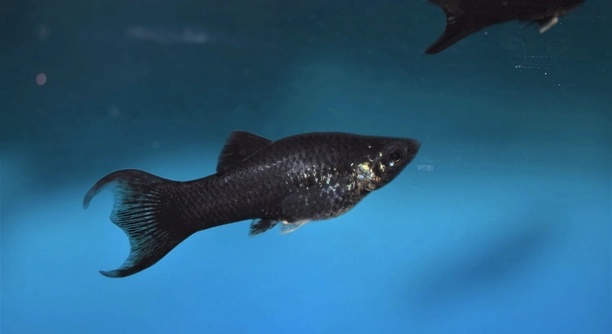
Black Molly fish are popular in home aquariums for their calm nature and striking appearance. They adapt well to a variety of tank conditions, making them a favorite among both new and experienced fishkeepers. Their behavior can be subtle but interesting.
Black Mollies generally show minimal reaction to flashing lights. Sudden bright lights may startle them temporarily, causing brief movement or hiding. Prolonged exposure, however, can stress the fish, so it is advisable to maintain stable, moderate lighting in their environment.
Understanding how light affects these fish can improve their well-being. Observing their behavior helps maintain a calm and healthy aquarium environment.
How Flashing Lights Affect Black Mollies
Black Mollies are sensitive to changes in their environment, and flashing lights can cause noticeable stress. When exposed to rapid or intense lighting, they may dart around the tank or hide behind decorations. These reactions are instinctive, stemming from their natural behavior to avoid sudden threats. Over time, frequent exposure to bright flashes can affect their overall health, potentially weakening their immune system and increasing susceptibility to disease. Stress in Black Mollies can also lead to reduced appetite and lethargy. Keeping the aquarium lighting steady and avoiding abrupt changes helps maintain a peaceful environment. Soft, consistent illumination mimics their natural habitats, allowing them to swim calmly and display their full coloration. Some fish may tolerate occasional brief flashes, but repeated exposure is not recommended. Observing their behavior daily provides insight into their comfort levels. Adjusting the tank setup, such as adding plants or hiding spots, can further minimize stress from visual disturbances.
Black Mollies respond better to gradual lighting changes than sudden flashes. Maintaining stability is key.
Creating a calm environment requires attention to both lighting and tank design. Plants, rocks, and shaded areas allow Black Mollies to retreat when needed. Consistent feeding schedules and water quality are equally important, reducing stress triggers and promoting natural behavior. By monitoring reactions to light and environmental changes, you can ensure the fish remain active and healthy, while still showing off their glossy black scales.
Tips for Safe Aquarium Lighting
Moderate, consistent lighting prevents stress in Black Mollies. Avoid high-intensity or strobe lights in their tank.
Using LED lights with adjustable brightness is ideal for maintaining a calm environment. Timers can simulate natural day and night cycles, helping fish adapt without sudden shocks. Placing decorations and plants strategically gives Black Mollies options to hide or explore, reducing anxiety caused by bright or flashing lights. Regular observation allows you to notice subtle changes in behavior, ensuring that the fish remain comfortable. Additionally, gradually introducing new lighting or adjustments over days rather than hours helps them acclimate smoothly. Combining these strategies creates a stable and safe aquarium environment that supports both the health and activity of Black Mollies, allowing them to thrive while reducing stress from lighting changes.
Reducing Stress from Lights
Keeping lights soft helps Black Mollies stay calm. Bright or flashing lights can make them hide or swim frantically.
Positioning plants and decorations strategically gives them places to retreat. Gradual lighting changes are easier for them to adjust to, preventing sudden panic. Monitoring their reactions ensures the tank remains comfortable. Limiting bright displays and avoiding strobe effects helps maintain normal behavior. Stress can also be reduced by keeping water clean, feeding consistently, and ensuring the tank is not overcrowded. Over time, consistent lighting routines make the fish more relaxed and active, displaying natural swimming patterns and social interactions.
Providing areas of shade and adjusting light gradually improves their comfort. Using timers creates predictable day and night cycles. Observing behavior lets you fine-tune the lighting for their needs. Soft LED lights or dimmed setups work best.
Observing Behavioral Changes
Stress signs include erratic swimming, hiding, and loss of appetite. These behaviors indicate the fish are uncomfortable with their environment.
When lights are too intense, Black Mollies may cluster in corners or under decorations. Their usual playful swimming may slow, and scales can appear dull. Stress affects their immune system, making them prone to illness. Behavioral observation is essential for early intervention. Adjusting light intensity and providing hiding spots reduces stress. Feeding routines and water maintenance complement lighting adjustments. Over time, calmer fish exhibit normal feeding, swimming, and interaction patterns, reflecting a healthier, less stressful environment. Monitoring these changes helps maintain long-term well-being.
Adjusting Light Intensity
Dimming lights gradually reduces stress in Black Mollies. Sudden changes can startle them and cause erratic swimming.
Soft, steady lighting helps maintain their natural behavior. Using adjustable LEDs or diffusers prevents harsh glare and creates a calmer environment for swimming and resting.
Creating Hiding Spots
Adding plants, rocks, and decorations allows Black Mollies to retreat when lights feel too bright. These areas give them a sense of security and reduce stress. By providing multiple hiding places, fish can move freely without feeling threatened, supporting their overall comfort and well-being.
Observing Long-Term Effects
Prolonged exposure to intense lighting may cause reduced activity, dull coloration, or weakened immune response in Black Mollies. Keeping track of these changes helps maintain a healthy environment and ensures the fish thrive under stable conditions.
Using Timers for Lighting
Timers help maintain consistent light cycles. Regular day and night periods reduce stress and mimic natural environments for Black Mollies.
FAQ
Do Black Mollies react to sudden bright lights?
Yes, sudden bright lights can startle Black Mollies. They may dart around the tank, hide behind decorations, or freeze temporarily. These reactions are natural and instinctive, as bright flashes can mimic predators or sudden environmental threats. Frequent exposure to sudden lights can increase stress levels over time. Stress may lead to reduced appetite, less active swimming, and weakened immune response. To prevent this, it’s best to maintain steady lighting and avoid abrupt changes. Soft, indirect lighting and gradual adjustments give the fish time to acclimate without causing unnecessary stress. Observing their daily behavior helps determine how comfortable they are in their tank environment.
Can flashing lights harm their health?
Repeated exposure to flashing or intense lights can negatively impact Black Mollies’ health. Stress from light can lead to decreased immunity, making them more susceptible to illness. Behavioral changes like hiding, erratic swimming, and lack of appetite may appear. Prolonged stress can also affect growth and coloration, causing the fish to appear dull or lethargic. Maintaining moderate, consistent lighting and providing shaded areas or plants helps reduce these risks. Gradually introducing light changes rather than sudden flashes is important. Fish respond best when their environment is predictable and calm, supporting natural behaviors and overall well-being.
How can I prevent stress from aquarium lights?
To prevent stress, use soft and stable lighting. Avoid strobe or flashing lights. LED lights with adjustable intensity are ideal for controlling brightness levels. Introducing new lighting gradually over several days allows Black Mollies to adapt without panic. Adding plants, rocks, or other decorations gives them hiding spots, reducing stress from visual disturbances. Using timers to create consistent day and night cycles mimics natural conditions. Regularly monitoring fish behavior helps identify stress signs early. Clean water, proper feeding, and avoiding overcrowding complement lighting adjustments to maintain a calm, healthy environment.
Are some Black Mollies more sensitive to light than others?
Yes, individual fish can vary in sensitivity. Younger fish or newly introduced Black Mollies may react more strongly to bright or flashing lights than older, acclimated ones. Stress responses include hiding, rapid swimming, or reduced feeding. Observing each fish’s behavior allows for tailored lighting adjustments. Gradual light changes and providing shaded areas help all fish acclimate. Sensitivity may also vary depending on tank size, decoration density, and overall environment stability. Minimizing sudden disturbances ensures that even sensitive fish remain comfortable, healthy, and active within their habitat.
Is it safe to use bright decorative lights in their tank?
Bright decorative lights can be safe if used correctly. Avoid continuous high-intensity lighting or rapid flashing. Position lights so they do not shine directly into the fish’s main swimming areas. Soft, diffused illumination is better for maintaining calm behavior. Pairing bright decorations with plants or hiding spaces allows fish to escape if needed. Gradual increases in brightness during the day are preferable to sudden exposure. Observing how the fish respond helps ensure the lighting does not induce stress. Combining decorative lighting with consistent tank conditions supports both visual appeal and fish health.
How do I know if my Black Mollies are stressed by lights?
Stress signs include erratic swimming, frequent hiding, loss of appetite, or reduced interaction with other fish. Dull coloration and lethargy are also common indicators. Monitoring daily behavior is key to identifying stress early. Adjusting light intensity, adding shaded areas, and maintaining consistent tank conditions can help reduce stress. Tracking feeding patterns and observing their activity levels provides insight into their comfort. Even minor changes in behavior should be addressed, as prolonged stress affects overall health and immune function. Regular observation ensures a stable environment and promotes healthy, active fish.
Can timers help reduce light stress?
Yes, timers are very effective. They create predictable day and night cycles, allowing Black Mollies to adjust naturally to light changes. Timers prevent sudden shifts in brightness, which can cause panic or erratic swimming. Using timers alongside dimmable lights provides gradual transitions that mimic natural conditions. Combining timers with shaded areas and decorations gives fish options for comfort. Regular observation ensures the schedule supports their well-being. A consistent light cycle improves feeding, swimming patterns, and general activity, keeping the aquarium calm and promoting healthier fish behavior.
Should I avoid flashing lights completely?
Avoiding flashing lights entirely is the safest approach. Even occasional bright flashes can startle Black Mollies and increase stress. If decorative or photography lights are used, they should be brief and indirect. Providing plants, rocks, and shaded areas allows fish to retreat during exposure. Gradual introduction and careful monitoring reduce negative effects. Minimizing stress from lights ensures fish remain healthy, active, and visually vibrant, while supporting natural behaviors and long-term well-being.
Final Thoughts
Black Mollies are sensitive fish that respond to changes in their environment, especially sudden or intense lighting. While they are generally calm and adaptable, bright or flashing lights can cause stress, making them hide, swim erratically, or lose interest in food. Maintaining steady, soft lighting helps the fish feel secure and encourages normal behavior. Over time, predictable lighting routines allow them to swim freely, interact with other fish, and display their natural coloration without fear. Stress from lighting is not always obvious at first, so regular observation is important. Watching how they react to new lights, decorations, or changes in the tank provides valuable insight into their comfort level. Gradually introducing any changes, rather than making them sudden, helps Black Mollies adjust more easily.
Providing hiding spots in the aquarium, such as plants, rocks, and shaded areas, is equally important for their well-being. These areas allow the fish to retreat when they feel uncomfortable, giving them a sense of security. Even small changes in lighting can be managed more effectively when there are options for the fish to explore or hide. Consistent feeding schedules and good water quality also reduce stress, complementing proper lighting and tank setup. Over time, these measures improve their health and activity levels. Calm, healthy Black Mollies are more likely to interact naturally with tank mates and show off their striking black scales. Creating a balanced environment requires attention to multiple factors, but it ensures the fish remain comfortable and thrive.
Using timers and adjustable lighting can make a significant difference in keeping Black Mollies calm. Timers help simulate natural day and night cycles, preventing sudden bright periods that may startle them. Gradual increases or decreases in light intensity allow the fish to adjust without panic. LED lights with dimmers or diffusers are useful tools for creating a stable, soothing environment. Observing the fish closely ensures that changes are effective and do not cause stress. Even small adjustments can have a positive impact on their overall health and behavior. By combining steady lighting, hiding spots, and regular monitoring, Black Mollies can live in a comfortable, low-stress environment. These practices support their long-term well-being and ensure they remain active, healthy, and visually vibrant in the aquarium.

Hello,
If you enjoy the content that we create, please consider saying a "Thank You!" by leaving a tip.
Every little bit helps us continue crafting quality advice that supports the health, happiness, and well-being of pets around the world, for pets of all shapes, sizes, and species.
We really appreciate the kindness and support that you show us!