
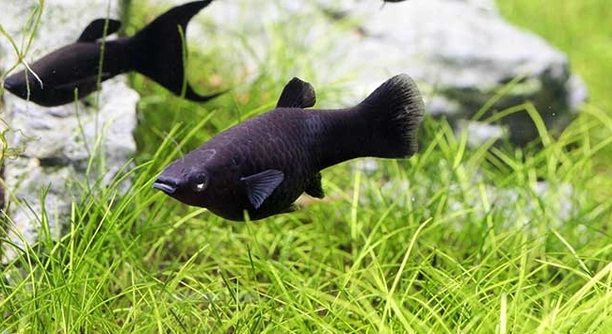
Many aquarists notice small changes in black molly behavior when the fish live in tighter groups, creating interest in their social dynamics. This introduction offers a clear view of possible shifts in closer environments today.
Black molly often display more cohesive and predictable behavior in small groups, showing increased schooling, reduced aggression, and clearer social hierarchies. These compact settings allow individuals to coordinate movements efficiently, creating a structure that supports consistent interactions within the group.
These patterns reveal a deeper understanding of black molly behavior, guiding you through the subtle factors that shape their interactions.
Understanding Social Patterns
When observing black molly in smaller groups, certain patterns become clearer and easier to appreciate, especially when you pay attention to how they respond to one another. In these compact settings, their movements often synchronize, giving you a steady sense of how the group holds itself together. You may notice moments when one fish takes the lead for a short time, followed by a smooth shift in direction that the others quickly match. This kind of coordination becomes more visible when the group stays small, allowing each fish to react without delay. Their feeding habits also seem more organized, with fewer instances of chasing or scattered motion. Even mild displays of dominance tend to settle quickly, creating a calm atmosphere in the tank. Watching these interactions helps you understand how structure forms naturally, giving you confidence in reading their behavior and providing a comfortable environment for them in your care.
Small groups allow black molly to interact in smoother patterns, creating a stable rhythm inside the tank. Their responses stay predictable, giving you a clearer idea of how they adjust to changes around them while keeping tension low among individuals, which helps maintain steady behavior throughout their daily activities overall.
These patterns become even more noticeable when you compare them to larger groups, where motion often becomes scattered and harder to read. In smaller settings, each fish has the chance to express its role more clearly, letting you see subtle cues that would otherwise get lost. Their comfort level also rises, making their swimming smoother and their spacing more consistent. You can observe these details closely, forming a better understanding of how their social structure develops. Paying attention to these signs helps you create a stable environment that supports healthy behavior and keeps the tank calm for every molly present.
Influencing Factors
Several elements influence how black molly behave in small groups, shaping the way they move and interact. Tank size, water quality, feeding routines, and the number of hiding spots all play a role in keeping their responses steady and maintaining peaceful interactions among individuals throughout their daily rhythm inside the tank.
Environmental conditions strongly influence how black molly behave in tighter groups, shaping everything from their movement patterns to their overall comfort. When the water stays clean and stable, the group settles into predictable habits, making it easier for each fish to connect with the others. Consistent lighting also helps regulate their pace, keeping their movements balanced and reducing unnecessary stress. The layout of the tank plays a meaningful part too, since open swimming areas let them coordinate smoothly while hiding places give them a sense of control. Feeding routines guide much of their structure, as regular schedules prevent competition and allow every molly to receive proper nourishment. Temperature stability supports their energy levels, keeping them active without overwhelming the group dynamic. When all these elements work together, the fish respond with calm, steady behavior that reflects their comfort. By noticing how each factor affects their interactions, you can maintain a space that encourages healthy patterns and brings out the best in their social habits. This attention to detail helps you support their natural tendencies, creating a peaceful environment that remains balanced, stable, and welcoming. Over time, these thoughtful adjustments ensure the group continues to thrive with steady, confident behavior daily.
Group Size Impact
Small groups help black molly develop steady patterns that feel easier to observe and understand. Their reactions become clearer, their spacing stays consistent, and their movements follow a smoother rhythm that supports calmer interactions throughout their daily routine in the tank.
Smaller groups also reduce unnecessary strain by allowing each fish to maintain a comfortable distance without fighting for space. Their movement becomes more organized, making it easier to detect subtle changes in behavior. You can watch how they respond to feeding, how quickly they form loose formations, and how efficiently they adjust to shifts in their surroundings. With fewer individuals competing for attention or resources, conflicts remain minimal. This creates a peaceful atmosphere that supports healthier habits. Paying attention to these moments helps you recognize what keeps your fish comfortable and what encourages calm, stable behavior in their daily interactions.
The reduced competition in smaller groups helps black molly settle quickly into routines that promote steady communication. Their roles emerge naturally, giving each fish a chance to express itself without overwhelming the group. When you observe them closely, you will see how gentle signals guide their movements and how easily they match one another’s pace. Clearer spacing allows you to detect when something shifts, whether it is feeding interest, energy levels, or social engagement. Understanding this helps you maintain an environment that nurtures their comfort, while also making your observations easier and more meaningful as they move smoothly through their daily patterns.
Behavior Shifts
Black molly often show subtle changes when living in tight groups, and these shifts become easier to notice as their coordination improves. Their swimming patterns smooth out, interactions grow more predictable, and mild displays of dominance settle quickly, giving you a clearer view of how their social habits form naturally in controlled settings.
These behavioral adjustments become more pronounced when daily routines stay consistent. Clean water, stable lighting, and regular feeding allow the group to establish a steady rhythm. Their spacing tightens slightly, creating a connected flow that highlights their responsiveness to one another. You might notice that they follow cues more efficiently, with one fish guiding direction while others match movement almost instantly. Calm surroundings also reduce sudden bursts of activity, helping them maintain balance during feeding and resting periods. When the environment supports their comfort, the group expresses smoother interactions overall, letting their natural tendencies show through in a way that feels easy to understand and observe.
Environmental Influence
Clean water and steady lighting help black molly maintain calm, predictable interactions in smaller groups. These conditions support smoother swimming, balanced activity levels, and clearer communication patterns, making their behavior easier to observe and understand throughout the day.
A stable temperature range also keeps their responses consistent, preventing sudden shifts in energy that could disrupt the group’s rhythm. Reliable feeding routines further reduce stress, allowing every fish to settle into a comfortable pattern.
Feeding Responses
Feeding habits often reveal how black molly adjust to small group living. When food enters the tank, their movements become more coordinated as they approach the area with steady pacing. With fewer fish competing, they avoid aggressive behavior and maintain smooth spacing while gathering nourishment. Their confidence increases in these conditions, helping them eat without hesitation. This balance supports peaceful feeding sessions that reflect strong social stability.
Stress Indicators
Subtle signs like quick darting, erratic spacing, or sudden hiding can show when black molly feel uneasy. Watching these cues helps you adjust conditions and maintain a calm environment.
FAQ
Do black molly behave differently in small groups compared to larger ones?
Yes, black molly often behave more predictably in small groups. Their spacing becomes clearer, their movements synchronize more smoothly, and their social hierarchy settles faster. With fewer fish, the group stays calmer and more coordinated, making their actions easier to observe.
Why do black molly seem calmer in smaller groups?
Smaller groups reduce the pressure of competition. Each fish has more personal space, which lowers stress and prevents sudden bursts of activity. Because they feel less overwhelmed, their swimming becomes steadier, and their reactions stay balanced throughout the day.
Do small groups help reduce aggression in black molly?
Aggression tends to decrease when the group is small. Most displays of dominance fade quickly because the fish have room to keep a comfortable distance. This prevents confrontations from escalating and allows them to maintain a peaceful routine.
How does tank size affect black molly behavior in small groups?
Tank size still matters even when the group is small. A spacious tank gives them enough room to move without crowding. This helps them maintain smooth pacing, reduces stress, and supports a cleaner overall pattern in the way they interact.
Do black molly form tighter formations in small groups?
Their formations become easier to recognize. While they do not always school tightly, they often show more unified movements when living with fewer companions. Their responses match more quickly, giving their swimming a coordinated and steady look.
Does feeding behavior change when the group is small?
Yes, feeding time becomes calmer. The fish approach the food with steady movements instead of rushing or crowding. This reduces the chance of nipping or chasing and allows each fish to eat without unnecessary tension.
Are black molly more confident in small groups?
They often appear more confident because the environment feels manageable. With fewer fish competing for space or food, individuals can move freely and settle into a comfortable routine. This confidence shows in smoother swimming and steady pacing.
How can I tell if my black molly feel stressed?
Stress shows through quick darting, sudden hiding, clamped fins, or irregular spacing. In small groups, these signs are easier to notice because each fish stands out more. Watching for these cues helps you adjust conditions before stress grows.
Do environmental factors influence how they behave in small groups?
Absolutely. Clean water, gentle lighting, and stable temperature all support better behavior. When these factors stay consistent, the fish settle into predictable patterns that keep the group calm and responsive.
Do hiding spots help small groups feel secure?
Yes, hiding spots give them a sense of control. Even in small groups, having a place to retreat helps reduce tension. This keeps the fish steady, especially during moments when they feel unsure or startled.
Is it easier to observe behavior changes in smaller groups?
It is much easier. Each fish is more noticeable, so shifts in energy, feeding interest, or spacing show up quickly. This helps you understand their needs and adjust the environment to support healthier behavior.
How do lighting levels affect small-group behavior?
Soft, steady lighting helps them stay calm. Sudden brightness or flickering can startle them, disrupting their pacing. When the lighting stays gentle, their movements remain smoother and more controlled.
Do small groups make social roles clearer?
Yes, social roles become more visible. You may notice a fish that leads movement, one that prefers to observe from behind, or one that stays near the center. These patterns develop naturally and remain consistent when the group stays small.
Can small-group living improve feeding efficiency?
It often does. With fewer fish chasing food, each molly can reach its share with minimal effort. This supports healthier eating habits and prevents unnecessary stress during feeding sessions.
Do black molly communicate more clearly in smaller groups?
Their signals become easier to interpret. Gentle movements, spacing adjustments, and subtle turns become more noticeable, helping you understand how they react to each other. This clarity makes it easier to support stable group behavior.
Final Thoughts
Observing black molly in small groups gives you a steady view of how they interact, settle into routines, and express their natural habits. Their behavior becomes easier to understand when the group is not overwhelmed by constant movement or competition. You can watch how they coordinate themselves, how their spacing shifts gently throughout the day, and how their comfort grows when the environment stays stable. Their actions reveal patterns that might be harder to notice in larger groups, where everything moves quickly and feels more crowded. When the group stays small, you see each fish more clearly, making it easier to understand what keeps them calm and what causes tension. This sense of clarity helps you connect with their daily rhythm and understand their needs in a more manageable way. It also helps you approach their care with steady confidence, knowing that their environment matches the group size and supports their comfort.
Creating a space that supports healthy behavior in small groups begins with simple, steady practices. Clean water, gentle lighting, and stable temperature keep their activity soft and predictable, giving each fish the chance to move freely without sudden stress. Their feeding habits become smoother, allowing them to gather around the food without rushing or nipping. When the tank has both open areas and hiding spaces, the group settles into a calm routine that keeps their behavior balanced throughout the day. Even small changes in the environment can influence how they react, so paying attention to these details helps you understand the connection between their surroundings and their responses. Over time, you notice how small adjustments bring out more confident swimming, clearer spacing, and calmer interactions. These steady improvements show how responsive black molly can be when the environment matches their needs and the group size stays manageable.
As you continue caring for black molly in small groups, you gain a deeper understanding of their social habits and how gently they communicate with one another. Their signals become easier to recognize, whether it is a slight change in pacing, a shift in position, or a subtle form of guidance within the group. These details shape your awareness of their comfort and help you adjust their space with purpose and care. Watching them respond positively to a stable setup builds a sense of connection, reminding you that even small fish express their needs in clear and meaningful ways. Supporting their comfort helps them move through the day with confidence, displaying steady behavior that reflects a well-balanced environment. When you continue observing and adjusting with this mindset, you create a space where your black molly can thrive, allowing their natural patterns to shine through in a gentle, easy way that becomes more rewarding over time.

Hello,
If you enjoy the content that we create, please consider saying a "Thank You!" by leaving a tip.
Every little bit helps us continue crafting quality advice that supports the health, happiness, and well-being of pets around the world, for pets of all shapes, sizes, and species.
We really appreciate the kindness and support that you show us!