
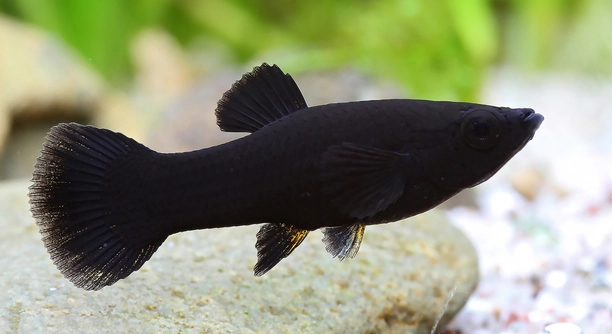
Black Molly fish are a popular choice for home aquariums, admired for their striking black color and lively behavior. Breeding them requires careful attention to their environment and health to ensure a successful and thriving tank.
Key factors to monitor in Black Molly breeding tanks include water temperature, pH balance, tank cleanliness, feeding schedule, plant coverage, compatible tank mates, and breeding pair selection. Each element plays a significant role in supporting reproduction and sustaining overall fish health.
Properly observing these details will help your fish flourish and make the breeding process more predictable and successful. Maintaining consistency ensures a healthy environment for both adults and fry.
Water Temperature and Stability
Maintaining the right water temperature is essential for Black Molly breeding. These fish thrive in a range of 75–82°F. Sudden changes can stress the adults and reduce fertility. I noticed that even a small fluctuation of a few degrees caused females to hide more and fry survival rates to drop. Using a reliable heater and a thermometer helps keep conditions steady. Consistency in temperature encourages natural breeding behaviors and reduces stress-related illnesses. Monitoring daily allows you to address minor issues before they affect the fish. In addition, warm water improves metabolism, which supports growth and energy levels. Keeping temperature stable also benefits live plants, which provide hiding spots for fry. Avoid placing the tank near windows or vents where drafts or sunlight can cause fluctuations. By prioritizing temperature control, the tank environment remains optimal for successful breeding.
Stable temperature ensures your Mollies feel secure, ready to breed, and maintain consistent health.
Even minor temperature swings can cause stress, reduce breeding activity, and lower fry survival. Monitoring daily supports a healthy tank.
pH Balance and Water Quality
Keeping pH balanced between 7.0 and 8.0 supports Black Molly health and reproduction. Mollies are sensitive to acidic or highly alkaline water, which can weaken immune systems and affect egg development. I always test water at least twice a week to ensure stability, using buffered solutions only when necessary. Regular water changes remove waste, leftover food, and harmful chemicals. Filtration helps maintain clear water but should avoid creating strong currents that may stress fry. Plants also help absorb excess nutrients, contributing to cleaner water naturally. Avoid overfeeding, as uneaten food can quickly degrade water quality. Consistent monitoring, combined with weekly partial water changes, reduces ammonia and nitrite buildup. I also keep a small sponge near the filter intake to prevent fry from being sucked in while maintaining circulation. Maintaining both pH and water quality encourages natural breeding and keeps adult fish active.
Balanced pH prevents stress, supports egg health, and improves fry survival rates significantly.
Feeding and Nutrition
Providing a balanced diet ensures adult Black Mollies remain healthy and ready to breed. High-quality flake food, live brine shrimp, and occasional vegetables support their energy and reproductive health. Avoid overfeeding, which can pollute the tank and harm fry.
I found that rotating food types keeps Mollies active and improves fertility. Live foods like daphnia or brine shrimp stimulate natural hunting behavior and help condition females for pregnancy. Flakes and pellets supply essential vitamins, while blanched spinach or zucchini adds fiber and supports digestion. Feeding small amounts multiple times a day prevents water contamination and ensures all fish get proper nutrition. Overfeeding often leads to cloudy water and stress, so careful portioning is key. Maintaining consistent feeding habits strengthens the fish and enhances fry survival rates.
Even minor changes in diet can affect breeding. I noticed that skipping live food reduced fry count significantly. Maintaining variety keeps adults energetic, healthy, and reproductively active.
Plant Coverage and Hiding Spots
Dense plants give fry safe areas to hide from adults and reduce stress. Floating plants and moss provide extra protection while allowing water circulation.
I prefer using Java moss and hornwort because they create layers for fry to explore while staying safe. Adults can swim freely above, and plants absorb excess nutrients, which improves water quality. Adding small caves or decorations complements the plants and gives hiding spaces for timid adults. Keeping plants trimmed ensures light penetration and prevents overgrowth, which can trap debris or block water movement. I also observe how fry use the plants, adjusting placement to encourage exploration while staying protected. Over time, a well-planted tank reduces aggression and supports consistent breeding activity.
Plant density influences fry survival directly. Too few hiding spots lead to predation, while proper coverage encourages healthy development and exploration.
Tank Size and Space
A larger tank reduces stress and provides room for adults and fry to coexist. A minimum of 20 gallons works well for a small breeding group, allowing enough swimming space and room for plants.
Crowded tanks lead to aggression and lower fry survival. Providing ample space helps maintain stable water conditions and keeps adults healthy.
Compatible Tank Mates
Black Mollies do best with peaceful species that won’t harass fry or compete aggressively for food. Guppies, platies, and small tetras are suitable companions.
Aggressive or fin-nipping fish can stress adults and eat fry, reducing breeding success. Choosing compatible mates ensures a calmer tank, better breeding outcomes, and overall healthier fish.
Breeding Pair Selection
Selecting healthy, mature adults increases the likelihood of successful breeding. Look for active fish with clear fins and no signs of disease or deformity.
Choosing the right pair encourages natural breeding behaviors. I usually observe several adults for a week to see which males actively court females and which females respond positively. Picking compatible fish reduces stress and improves fry survival. Keeping only one male per female group prevents harassment and ensures consistent mating activity. Over time, carefully selected pairs produce more robust fry and maintain adult health, making breeding more predictable and efficient.
Fry Care
Separating fry or providing dense hiding areas ensures higher survival rates. Monitoring growth and feeding appropriately supports their development.
How often should I feed Black Molly fry?
Fry require frequent, small feedings to grow properly. I feed mine four to six times daily with finely crushed flake food or specialized fry food. Live foods like infusoria or baby brine shrimp are excellent for their early development. Overfeeding can foul the water, so I make sure to remove uneaten portions promptly. Consistent feeding supports growth, strengthens immune systems, and helps fry reach maturity more quickly.
What is the ideal water temperature for breeding Black Mollies?
Breeding Black Mollies requires stable water temperatures between 75 and 82°F. I always use a reliable heater and thermometer to prevent fluctuations, which can stress adults and reduce fertility. Warm water encourages natural reproductive behavior, increases metabolism, and improves fry survival. Sudden temperature swings often lead to hiding or lethargy. Maintaining consistency is key to a healthy breeding tank.
How can I protect fry from adult Mollies?
Dense plants, floating moss, and small hiding spots are essential. I add Java moss and hornwort to give fry secure areas. Some breeders use breeding nets or separate rearing tanks. Observing the adults’ behavior helps determine if fry are safe in the main tank. Proper hiding areas increase fry survival and reduce stress.
How often should I perform water changes in a breeding tank?
I perform partial water changes of 20–30% once a week. This keeps ammonia and nitrite low while maintaining stable pH. For heavily stocked tanks, I sometimes do 10–15% changes twice a week. Clean water prevents disease, supports fry growth, and encourages adults to continue breeding. Regular monitoring of water parameters ensures changes are sufficient.
What types of plants are best for a Black Molly breeding tank?
I use Java moss, hornwort, and floating plants like duckweed. These plants provide hiding spots for fry while improving water quality by absorbing nutrients. Plants also reduce stress for adults by creating a more natural environment. I trim plants as needed to prevent overcrowding and maintain proper light and water circulation.
Can Black Mollies breed in a community tank?
Yes, but only with peaceful species that do not harass fry. Guppies, platies, and small tetras work well. I avoid fin-nipping or aggressive fish because they stress adults and can eat fry. Maintaining a calm tank improves breeding success and fry survival.
How can I encourage natural breeding behavior?
I keep males and females in a balanced ratio, usually one male for every two to three females. Consistent water parameters, stable temperature, and high-quality food encourage courtship. Males chase females, and females respond when conditions are optimal. Overcrowding or stress can halt breeding entirely, so observation and adjustments are necessary.
When should I separate fry from adults?
I usually wait until fry are at least 1 inch long or can evade adults effectively. In smaller tanks or heavily populated setups, separation earlier prevents predation. Providing dense plants can buy extra time without moving fry immediately. Healthy fry develop faster and survive better when given protection.
What signs indicate successful breeding?
Pregnant females develop a rounded belly and a darker gravid spot near the anal fin. I notice males following and nudging females frequently. Fry appear within 24–30 days after successful mating. Observing these behaviors and physical changes helps track progress and plan for care.
How can I maintain long-term breeding success?
I rotate breeding pairs every few months, monitor water quality consistently, provide balanced diets, and maintain plant density. Removing sick or stressed fish prevents health issues from spreading. Careful observation of adults and fry allows adjustments that sustain productivity over multiple breeding cycles.
How do I prevent disease in a breeding tank?
Keeping water clean, avoiding overcrowding, and quarantining new fish are my top strategies. I monitor for signs of fungus, fin rot, or ich. Feeding high-quality foods and maintaining stable parameters strengthens immune systems. Early intervention ensures both adults and fry remain healthy.
What is the best way to feed adult Mollies during breeding?
I provide a mix of high-quality flake food, frozen or live brine shrimp, and occasional vegetables like blanched zucchini or spinach. Balanced nutrition supports reproductive health and energy levels. Feeding multiple small portions each day prevents water contamination and keeps adults active.
How do I know if fry are growing properly?
Healthy fry are active, consistently feed, and grow steadily without deformities. I observe color development and behavior daily. Lack of growth, lethargy, or bloating signals possible issues with water quality, diet, or overcrowding. Prompt adjustments help maintain growth rates and survival.
Can I breed Black Mollies year-round?
Yes, as long as water conditions, temperature, and diet remain stable. I keep the tank consistently warm and provide proper nutrition. Seasonal variations don’t affect breeding if the environment is controlled. Continuous monitoring ensures adults remain healthy and fry develop properly.
What equipment is essential for a breeding tank?
A reliable heater, thermometer, gentle filter, and adequate lighting are key. I also use plant trimmings and small decorations for hiding spaces. Occasional use of a breeding net or separate fry tank helps protect young fish. Proper equipment ensures stable conditions and supports healthy reproduction.
How do I manage overpopulation in a breeding tank?
I monitor fry numbers and separate excess into another tank when necessary. Selective feeding, plant coverage, and careful observation prevent stress and aggression. Overcrowding can reduce water quality, stunt growth, and increase disease risk. Managing population maintains a stable and healthy environment for all fish.
What is the best way to introduce new adult Mollies for breeding?
I quarantine new adults for at least two weeks to prevent disease. Once healthy, I gradually introduce them to the breeding tank, observing interactions carefully. Ensuring compatibility reduces aggression and stress, improving chances of successful mating and healthy fry development.
How do I handle weak or sick fry?
I isolate weak fry in a separate container with clean, stable water and provide small, high-quality feedings. Gentle care improves survival. I monitor water parameters closely and remove any decaying food to prevent further stress or disease spread. Healthy fry develop quickly with consistent attention.
How do I know if water quality is affecting breeding?
Signs include reduced activity, hiding, or poor fry survival. I test for ammonia, nitrites, nitrates, and pH regularly. Adjusting filtration, performing partial water changes, and maintaining stable conditions usually restores breeding activity. Consistent monitoring ensures a healthy, productive tank environment.
How long does it take for fry to reach maturity?
Black Molly fry usually mature in 3–6 months depending on diet, water quality, and tank conditions. I track growth carefully and adjust feeding as needed. Reaching sexual maturity allows them to participate in the next breeding cycle, keeping the population sustainable and healthy.
What precautions should I take with breeding males?
I avoid housing too many males together, as competition can stress both adults and fry. Observing courtship behavior ensures males aren’t overharassing females. Balanced ratios, proper space, and stable conditions support mating without aggression, resulting in better breeding outcomes.
How can I tell if females are ready to breed again?
Females appear active, with a noticeable gravid spot and rounded belly. I watch for receptive behavior toward males, such as allowing courtship and swimming near males. Healthy, well-fed females with stable water conditions tend to breed successfully multiple times.
Can I use artificial lighting to improve breeding?
Moderate, consistent lighting supports plant growth and natural fish behavior. I avoid excessive light, which can stress adults and fry. Maintaining a light schedule of 10–12 hours daily helps regulate activity and breeding patterns without disrupting tank stability.
How do I manage stress in a breeding tank?
I minimize sudden changes, avoid overcrowding, and maintain proper water parameters. Providing hiding spots, balanced diet, and compatible tank mates reduces aggression. Stress can halt breeding and reduce fry survival, so observing behavior and adjusting conditions is critical for success.
What should I do if breeding stops unexpectedly?
I check water parameters, feeding, temperature, and adult health. Often, minor adjustments restore activity. I also inspect for overcrowding, illness, or poor diet. Maintaining a stable, clean, and well-planted tank usually encourages breeding to resume naturally.
How do I track fry growth effectively?
I observe fry daily, noting size, color, and activity. Separating fry by size when necessary prevents competition. Tracking growth helps adjust feeding, water quality, and tank density to maximize survival and development rates.
How do I prepare for the next breeding cycle?
After fry are safely growing, I maintain water quality, keep adults healthy, and rotate breeding pairs if needed. Observing reproductive behavior and adjusting tank conditions ensures consistent success in future cycles. Proper preparation supports long-term productivity and fish health.
How can I prevent cannibalism among fry?
Dense plants, hiding spots, and feeding small amounts frequently reduce the chance of cannibalism. I observe interactions and separate aggressive fry if needed. Providing enough space and cover ensures most fry survive to maturity.
What is the ideal male-to-female ratio for breeding?
I usually keep one male for every two to three females. This ratio reduces harassment, allows successful courtship, and ensures females are not stressed, improving overall breeding outcomes.
How do I acclimate fry to new tanks?
I slowly adjust temperature and water chemistry over several hours when moving fry. Gentle handling and minimal stress during transfer prevent shock. Proper acclimation supports healthy development and reduces mortality.
How do I maintain consistent fry growth rates?
I provide frequent, balanced feedings, stable water parameters, and adequate space. Observing behavior and separating fry by size ensures even growth. Consistency in care directly affects survival and long-term health.
How can I prevent algae overgrowth in a breeding tank?
I balance lighting, maintain clean water, and include live plants. Algae can compete with fry for oxygen and food. Regular observation and trimming plants help keep the tank clean and maintain proper water conditions.
How do I know when fry are ready to eat solid foods?
Fry can start eating finely crushed flakes or specialized fry food after a few days. I supplement with baby brine shrimp or infusoria. Gradually increasing food size ensures they adapt without choking or nutritional gaps.
What is the best way to monitor water parameters?
I test pH, ammonia, nitrite, and nitrate at least twice a week. Using a reliable test kit ensures accuracy. Consistent monitoring allows prompt action to prevent conditions that harm breeding success or fry survival.
How do I handle aggressive adults during breeding?
I observe interactions and remove overly aggressive fish if needed. Proper space, hiding spots, and correct male-to-female ratios reduce conflicts. Monitoring behavior ensures adults remain healthy and fry survival is maximized.
What is the most important factor for fry survival?
Safe hiding areas, stable water quality, and proper feeding are crucial. I found that consistent care and observation make the biggest difference in fry reaching maturity. Protecting them early ensures a strong, healthy population.
How long should I keep fry in the breeding tank before separating?
I usually wait until fry are at least one inch long or capable of avoiding adults. Dense plant coverage can allow longer cohabitation safely. Observation is key to deciding the right timing.
How do I prevent water contamination during feeding?
I feed small portions multiple times a day and remove uneaten food quickly. Using high-quality flake or live foods reduces waste. Clean water directly supports adult health and fry development.
What adjustments help if breeding slows down?
I review temperature, pH, feeding, and adult health. Minor tweaks often restore activity. Ensuring stable, clean water and proper nutrition encourages natural breeding behaviors to resume.
How can I track fry numbers accurately?
I count fry weekly and note growth and health. Separating them by size prevents competition. Tracking numbers helps plan future tank management and prevents overcrowding issues.
How do I maintain long-term health for breeding adults?
Consistent water quality, balanced diet, and proper space are essential. I rotate pairs, monitor behavior, and remove sick fish promptly. Stable conditions and attentive care ensure adults remain productive over time.
How do I introduce plants for optimal fry protection?
I add moss, hornwort, and floating plants gradually. This provides layers for hiding while keeping water circulation intact. Observation ensures fry use the plants effectively, improving survival and reducing stress.
What is the best way to manage overfeeding in a breeding tank?
I use small, frequent feedings and remove leftovers promptly. Overfeeding reduces water quality and stresses adults and fry. Careful monitoring balances nutrition and maintains a healthy environment.
How do I ensure breeding pairs remain compatible?
I observe courtship behavior and adjust pairings if harassment occurs. Healthy, active fish with minimal stress breed more successfully. Monitoring interactions over time ensures compatibility and consistent results.
How can I maximize fry survival without separation?
I provide dense plant coverage, maintain water quality, and feed small portions frequently. Observation and occasional relocation of aggressive fry improve overall survival. Proper tank management reduces risk and supports healthy growth.
How do I prevent disease outbreaks in fry?
I maintain clean water, feed quality foods, avoid overcrowding, and quarantine new adults. Early intervention for signs of illness ensures fry remain healthy and reduces loss rates.
How often should I monitor breeding tank behavior?
Daily observation helps detect stress, aggression, or environmental changes early. I record any unusual behavior and adjust tank conditions promptly. Consistent monitoring improves adult health and fry survival.
How do I adjust lighting for optimal breeding conditions?
I maintain 10–12 hours of moderate light daily. Too much light stresses fish; too little affects plant growth and activity. Balanced lighting supports natural behaviors and tank stability.
How do I know when adult Mollies are stressed?
Signs include hiding, reduced feeding, lethargy, or aggression. I check water parameters, feeding routines, and tank conditions to address stressors. Maintaining stable conditions reduces problems and supports breeding success.
How do I prevent fry from being sucked into filters?
I use sponge filters or place a mesh guard over intake tubes. This allows circulation while protecting fry. Observing tank activity ensures safety without disrupting filtration.
How do I acclimate new adults to breeding tanks?
I slowly adjust them to tank water over a few hours. Quarantine and gradual introduction prevent disease spread and reduce stress. Proper acclimation supports smooth integration and successful breeding.
How do I maintain consistent breeding activity?
Stable water parameters, balanced diets, proper space, and monitoring behavior support ongoing reproduction. Rotating adults and providing adequate hiding spots encourages repeated breeding cycles.
How do I handle overcrowded fry?
I separate them into additional tanks or increase hiding spaces. Overcrowding reduces water quality, increases stress, and stunts growth. Proper management ensures healthier, faster-growing fry.
How can I reduce aggression among breeding males?
Keeping one male per two to three females reduces competition. Adequate space and hiding spots minimize stress and allow natural courtship without harassment. Monitoring behavior ensures a calm tank environment.
How do I maintain long-term water stability?
I test parameters frequently, perform regular partial water changes, and avoid sudden adjustments. Consistent filtration, plant coverage, and careful feeding support a stable environment for adults and fry.
How do I handle fry that grow slowly?
I check water quality, adjust feeding frequency, and ensure adequate space. I sometimes separate slower fry for targeted care. Proper monitoring and attention improve survival and growth rates.
How can I prevent adult Mollies from eating fry?
Providing dense plant coverage, hiding spots, and proper feeding reduces predation. I sometimes isolate fry until they are large enough to coexist safely. Observation helps determine timing and protection measures.
How do I know if the tank is overcrowded?
Signs include frequent aggression, poor water quality, and stunted growth. I monitor fish behavior, perform partial water changes, and relocate excess fry when necessary. Adequate space is essential for healthy breeding.
How can I maintain high fertility in breeding adults?
Consistent temperature, proper diet, balanced ratios, and stress-free conditions encourage fertility. I observe courtship and adjust tank conditions as needed. Healthy adults produce more fry and maintain breeding activity over time.
How do I prevent sudden drops in fry survival?
Stable water quality, proper feeding, and safe hiding spots reduce mortality. I monitor behavior and remove sick or weak fry promptly. Early intervention and consistent care prevent sudden population loss.
How do I manage multiple breeding pairs in one tank?
I ensure ample space, hiding spots, and balanced male-to-female ratios. Observation of interactions prevents stress or harassment. Proper management maintains harmony, supports breeding activity, and protects fry.
How do I maintain healthy adult Mollies long-term?
I rotate breeding pairs, monitor water parameters, provide balanced diets, and observe for stress or illness. Regular tank maintenance and careful monitoring ensure adults remain productive and healthy.
How do I prevent water chemistry swings during breeding?
Partial water changes, avoiding overfeeding, and regular testing maintain stable pH and parameters. I avoid sudden adjustments and monitor closely to prevent stress and improve fry survival.
How do I monitor fry behavior effectively?
Daily observation for activity, feeding, and interaction with adults indicates growth and health. Noting changes allows adjustments to feeding, hiding spots, or water conditions to support proper development.
How do I ensure adult Mollies remain active during breeding?
Balanced diet, proper tank space, hiding spots, and stable water parameters encourage activity. Observation helps identify stress or aggression early, ensuring successful breeding.
How do I manage multiple fry groups simultaneously?
I separate them by size, provide adequate hiding spots, and maintain consistent feeding. Monitoring growth and health ensures each group develops properly without competition or stress.
How do I maintain a stress-free breeding environment?
Stable water quality, proper feeding, adequate space, hiding spots, and compatible tank mates reduce stress. I observe adults and fry closely, adjusting conditions when needed to encourage healthy behavior and breeding success.
How do I prevent overgrowth of live plants affecting fry?
I trim plants regularly, maintain water circulation, and remove debris. Balanced plant growth provides hiding spots without obstructing light or space. Observing fry movement ensures plants remain beneficial and manageable.
How do I support fry development after birth?
Frequent small feedings, safe hiding areas, clean water, and careful monitoring ensure steady growth. Observation allows adjustments to feeding or space as fry grow, supporting survival and overall health.
How do I prevent stress during water changes?
I perform slow, partial water changes, avoiding sudden temperature or chemistry shifts. Observing adult and fry behavior ensures minimal disruption. Stable routines maintain health and breeding activity.
How do I maintain adult health during long breeding periods?
I rotate pairs, monitor water parameters, provide varied diets, and observe behavior for stress. Early intervention for illness or aggression supports long-term productivity. Maintaining stability ensures consistent breeding success.
How do I encourage healthy fry coloration?
Breeding Black Mollies can be a very rewarding experience, but it requires careful attention and consistent care. Keeping the tank environment stable is one of the most important factors for success. Temperature, pH, and water quality all play critical roles in ensuring both adults and fry remain healthy. I have found that maintaining a stable temperature between 75 and 82°F and monitoring pH regularly reduces stress and encourages natural breeding behavior. Small, frequent water changes also help keep ammonia and nitrite levels low, supporting overall fish health. Even minor fluctuations in these conditions can slow breeding or affect fry survival, so daily observation and small adjustments are essential. Clean water, proper filtration, and regular testing create an environment where fish can thrive, making the process more predictable and less stressful.
Nutrition is another key aspect of successful breeding. Feeding adults a balanced diet that includes high-quality flake food, live or frozen brine shrimp, and occasional vegetables keeps them energetic and ready to reproduce. For fry, providing finely crushed flakes or specialized fry food ensures they receive enough nutrients to grow steadily. I always feed small portions multiple times a day to avoid overfeeding and water contamination. Rotating food types also keeps fish active and stimulates natural behaviors, which is especially important for breeding. Over time, consistent feeding routines improve fry survival rates and contribute to healthy development. Observing how fish respond to different foods allows for better adjustments and ensures all fish in the tank remain in good condition.
Providing sufficient space and hiding spots completes the setup for a successful breeding tank. Dense plants, moss, and decorations give fry safe areas to explore while avoiding adults that may stress or eat them. I prefer using plants like Java moss, hornwort, and floating species because they provide layers for hiding and improve water quality naturally. Adult fish also benefit from a well-planted tank, as it reduces stress and allows them to swim freely without conflict. Balancing male-to-female ratios, observing interactions, and making adjustments when necessary helps maintain harmony in the tank. Overcrowding or poor hiding options often lead to aggression, stress, and lower fry survival rates. By focusing on stable conditions, proper nutrition, and adequate space, breeding Black Mollies becomes a manageable and rewarding task. With patience, observation, and consistent care, it is possible to create a healthy environment that supports ongoing breeding and strong, thriving fry.

Hello,
If you enjoy the content that we create, please consider saying a "Thank You!" by leaving a tip.
Every little bit helps us continue crafting quality advice that supports the health, happiness, and well-being of pets around the world, for pets of all shapes, sizes, and species.
We really appreciate the kindness and support that you show us!