
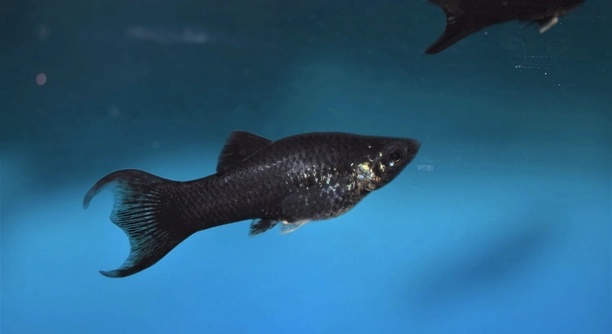
Do you ever bring home a new black molly and wonder how to keep it safe from illness while adjusting to its new environment? Quarantining your fish properly is essential for a healthy start.
Quarantining a new black molly involves isolating it in a separate tank, monitoring water parameters, and observing for signs of disease. Maintaining stable conditions, providing proper nutrition, and gradually acclimating it to its main tank ensures long-term health and reduces stress.
Following these basic steps will protect both your new molly and your established fish. Proper care during quarantine sets the stage for a thriving aquarium.
Setting Up a Quarantine Tank
When introducing a new black molly, it is important to prepare a separate quarantine tank before placing the fish inside. The tank should be fully cycled, with stable temperature, pH, and filtration. A 10-20 gallon tank is usually sufficient for one or two mollies. Include hiding spots, such as plants or small decorations, so the fish feels secure. Avoid adding substrate initially to make cleaning easier, as waste buildup can quickly affect water quality. Water changes of 25-50% every few days help maintain clean, healthy conditions. Make sure the lighting is gentle, as bright lights can stress a new fish. Avoid placing the tank near high-traffic areas or loud noises. Quarantining reduces the risk of transferring pathogens to your main tank and gives you a chance to monitor the molly for any signs of illness. Feeding small, frequent meals of high-quality food helps the fish settle in comfortably.
Proper quarantine setup minimizes stress and ensures the molly adapts safely to its new surroundings.
Taking the time to properly prepare a separate tank is a preventive measure. By controlling water quality, temperature, and providing shelter, you create an environment where the molly can adjust without risk. Observing its behavior and appetite daily will alert you to potential issues before introducing it to the main tank. This approach not only safeguards the existing fish but also helps maintain overall tank health. During this period, avoid sudden changes in lighting or temperature and handle the molly gently if necessary. Adding a small sponge filter can reduce strong currents and maintain oxygenation without stressing the fish. Using quarantine-specific treatments, such as mild anti-parasitic measures if needed, can prevent outbreaks. Overall, this careful preparation establishes a safe foundation, giving your black molly the best start and reducing the chance of illness spreading. Patience and consistency during these first days are key to a healthy and thriving aquarium.
Monitoring Health and Behavior
Observe your new black molly closely for signs of illness, stress, or unusual behavior. Regular checks help detect issues early.
Watch for clamped fins, lethargy, loss of appetite, or abnormal swimming patterns. Sudden changes in behavior can indicate stress or infection, making early detection essential.
Regularly inspecting the fish during quarantine is critical to ensuring it remains healthy before introduction to the main tank. Take notes on feeding habits, activity levels, and any physical changes such as spots, discoloration, or fin damage. If any symptoms appear, isolate the fish further and consider consulting a professional or using safe treatment options. Monitoring water quality is equally important—testing for ammonia, nitrites, nitrates, and pH fluctuations ensures that the environment supports recovery and acclimation. Adjust feeding routines based on observation, offering small portions and removing uneaten food promptly to prevent contamination. Interacting minimally reduces stress, allowing the molly to acclimate naturally. By committing to daily observation and care, you increase the likelihood that your black molly will integrate successfully and remain healthy long-term.
Feeding During Quarantine
Offer small, frequent meals to avoid overfeeding and maintain water quality. High-quality flake or pellet food works well for black mollies.
Feed only what the molly can consume in two to three minutes to prevent leftover food from fouling the water. Rotate food types with occasional frozen or live options for nutrition variety. Avoid sudden changes in diet, as mollies can be sensitive when stressed. Observing how the fish eats will indicate its overall health and comfort in the quarantine tank. Adjust portions as needed based on activity and appetite. Consistency in feeding routines helps reduce stress and supports proper digestion. Maintaining clean water with regular partial changes complements this feeding strategy and ensures the molly remains strong and resilient during the quarantine period.
Regular observation of eating patterns allows you to spot early signs of illness. For example, reluctance to eat may indicate internal parasites, stress, or water quality issues. By paying attention to how eagerly the molly accepts food, you can detect problems before they become severe. Additionally, alternating food types provides essential nutrients, supporting immune function and overall well-being. Keep track of waste levels in the tank to determine if adjustments in feeding frequency or quantity are necessary. Small portions at regular intervals minimize uneaten food, reducing ammonia spikes that could compromise health. Feeding should become a predictable routine that helps the fish acclimate while keeping the quarantine environment stable.
It is also beneficial to include occasional treats such as brine shrimp or daphnia, which provide enrichment and stimulate natural foraging behavior. Avoid over-relying on any single food type, as dietary monotony can affect the molly’s health. Maintaining a clean tank through regular water changes and careful feeding habits ensures the molly remains active and vibrant. Observing body condition, growth, and coloration will help you judge the effectiveness of your feeding routine. By combining consistent feeding with proper tank maintenance, the quarantine period becomes productive, keeping the molly healthy and ready for a safe introduction to the main tank.
Gradual Acclimation to the Main Tank
Introduce the molly slowly to the main tank to reduce shock and stress. Begin by floating the quarantine tank bag or container in the main tank for temperature adjustment.
Mix small amounts of main tank water into the quarantine tank over several hours or days. This allows the molly to adapt gradually to differences in water chemistry. Avoid rapid transfers or sudden changes in lighting and flow. Observe behavior during acclimation, watching for signs of stress such as darting or hiding. A slow transition helps the fish adjust without weakening its immune system or causing shock. Patience during this stage is crucial for long-term health.
Once acclimated, gently release the molly into a calm area of the main tank. Monitor interactions with existing fish to prevent aggression or bullying. Continue partial water changes to maintain stable conditions. Keep feeding routines consistent, offering familiar foods during the first few days. Observe the molly closely, checking for appetite, coloration, and swimming behavior. If any signs of illness appear, isolate the molly and address the issue immediately. Proper acclimation minimizes stress-related illness and supports a smooth integration into the main tank ecosystem. By following these steps, the molly is more likely to thrive and contribute to a healthy, balanced aquarium.
Maintaining Water Quality
Regular water changes are essential during quarantine to keep the tank clean and safe. Remove 25-50% of water every few days and replace it with dechlorinated water.
Test water parameters frequently, including ammonia, nitrites, nitrates, and pH. Stable water conditions reduce stress and prevent disease outbreaks.
Observing Social Behavior
Watch how your black molly interacts with others in the quarantine tank. Aggression or excessive hiding can indicate stress or illness.
Ensure any pairing or grouping is compatible. Mollies are social, but overcrowding can lead to conflict. Observing interactions early helps prevent long-term behavioral problems.
Preventing Parasites
Quarantine helps stop parasites from entering the main tank. Monitor for visible signs, such as spots, clamped fins, or unusual swimming patterns.
Treat immediately if any indication of infection appears. Using safe medications during quarantine protects both the new molly and existing fish populations.
Gradual Light Adjustment
Adjust lighting slowly to reduce stress. Start with low light levels in the quarantine tank before exposing the molly to brighter conditions.
A gradual increase in light helps mollies acclimate without sudden stress, promoting healthy activity and feeding behavior.
FAQ
How long should I quarantine a new black molly?
A new black molly should be quarantined for at least two to four weeks. This period allows time to observe for signs of illness, stress, or parasites before introducing it to the main tank. Longer quarantine may be necessary if any health concerns appear. Regular monitoring during this time is essential.
Can I use the main tank filter for the quarantine tank?
It is better to use a separate filter for the quarantine tank. Sharing a filter risks transferring pathogens or parasites from one tank to another. A small sponge filter works well and provides gentle water flow suitable for a stressed or newly introduced fish.
What foods are best during quarantine?
High-quality flake or pellet food is recommended. Supplement occasionally with frozen or live foods such as brine shrimp or daphnia. Feed small portions two to three times a day to prevent overfeeding, maintain water quality, and ensure the molly gets enough nutrition without stressing its digestive system.
How do I know if my molly is sick?
Look for symptoms like clamped fins, lethargy, loss of appetite, spots, or abnormal swimming patterns. These signs may indicate stress, parasites, or bacterial infections. Early detection allows for prompt treatment and reduces the risk of spreading illness to other fish.
Can I add more than one molly to the quarantine tank?
Yes, but ensure the tank is large enough and the fish are compatible. Overcrowding can lead to stress and aggression. Monitor interactions closely and provide hiding spots to reduce conflict. Grouping mollies can help them feel more secure but must be managed carefully.
Do I need to treat the fish with medication during quarantine?
Not always. Medication should only be used if signs of illness or parasites appear. Preventive treatments can sometimes stress the fish unnecessarily. Focus on maintaining clean water, stable conditions, and proper feeding first. Use medications approved for freshwater fish and follow instructions carefully if treatment is needed.
How should I acclimate the molly to the main tank?
Float the quarantine container or bag in the main tank to equalize temperature. Gradually add small amounts of main tank water over several hours to adjust to new water chemistry. Release the fish gently into a calm area, avoiding sudden changes that could stress it.
What if my molly hides constantly during quarantine?
Hiding is normal initially. Ensure the tank has plants or decorations to create secure spaces. Avoid handling the fish and keep lighting soft. If the fish remains lethargic or stops eating after several days, check water quality and consider possible illness.
How often should I test water in the quarantine tank?
Test water at least two to three times per week for ammonia, nitrites, nitrates, and pH. Maintaining stable water conditions is crucial during quarantine, as fluctuations can stress the molly and make it more susceptible to disease. Adjust with partial water changes as needed.
Can I introduce the molly to a tank with other fish immediately after quarantine?
No, always ensure the molly has been fully observed for the recommended quarantine period and shows no signs of illness. Gradually acclimate it to the main tank, monitor interactions with existing fish, and continue observing for any delayed symptoms.
Final Thoughts
Quarantining a new black molly is an essential step for any aquarium keeper. Taking the time to prepare a separate tank, monitor water quality, and observe the fish closely helps prevent the spread of disease to established fish. Many issues that affect mollies, including parasites, bacterial infections, and stress-related illnesses, can be caught early during quarantine. Proper preparation ensures the molly has a safe and controlled environment, reducing the likelihood of health problems when it joins the main tank. A well-maintained quarantine tank also gives you the opportunity to monitor feeding habits and behavior without interference from other fish, which can reveal subtle changes in the molly’s condition.
During the quarantine period, maintaining stable water conditions and feeding high-quality food are key. Mollies are sensitive to sudden changes in water chemistry, temperature, and light. Gradually acclimating them to their new surroundings, providing hiding spaces, and observing interactions if more than one molly is in the tank all contribute to reduced stress. Stress is a major factor in illness, and even minor discomfort can compromise the molly’s immune system. Small, frequent meals help ensure the fish receives adequate nutrition without fouling the tank. Regular partial water changes and careful monitoring of water parameters help maintain a healthy environment and support the molly’s natural behaviors.
Once the quarantine period is complete, gradual acclimation to the main tank is crucial. Introducing the molly slowly by floating its container in the main tank and gradually mixing water helps prevent shock from sudden changes in temperature or chemistry. Observing interactions with existing fish ensures the molly integrates safely without being bullied or stressed. Even after introduction, it is important to continue monitoring behavior, appetite, and coloration, as some issues can appear later. By following these careful steps, the molly is more likely to thrive, maintain good health, and live a long, active life. Quarantining may take extra time and effort, but it is a preventive practice that protects both the new fish and the established tank, making it an investment in the overall well-being of your aquarium.

Hello,
If you enjoy the content that we create, please consider saying a "Thank You!" by leaving a tip.
Every little bit helps us continue crafting quality advice that supports the health, happiness, and well-being of pets around the world, for pets of all shapes, sizes, and species.
We really appreciate the kindness and support that you show us!