
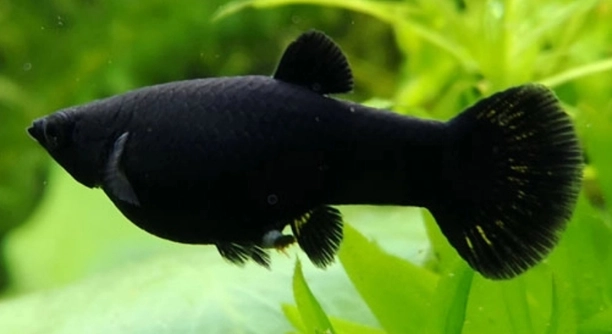
Do your Black Mollies seem restless or swim in odd patterns, leaving you unsure if they are truly comfortable in their tank? Many owners notice subtle signs that point to minor discomfort in these small, lively fish.
Improving Black Molly comfort can be achieved through small, deliberate changes in their environment. Adjusting water temperature, ensuring proper filtration, adding hiding spots, providing balanced nutrition, and maintaining consistent lighting all contribute to reducing stress and promoting healthier behavior.
Even minor adjustments in tank setup and care routines can make a significant difference in your fish’s daily life and overall well-being.
Adjust Water Temperature Gradually
Black Mollies are sensitive to sudden changes in water temperature. Keeping their tank within the ideal range of 75–82°F supports stable metabolism and encourages natural behavior. Rapid fluctuations can cause stress, reduce immunity, and make them more prone to disease. Slowly acclimating them to a new tank or adjusting the heater gradually over several hours can prevent shock. Even a few degrees too high or too low can result in lethargy, erratic swimming, or hiding. Monitoring with a reliable thermometer and keeping a consistent temperature day and night ensures a stable environment. Some owners use small heaters with built-in thermostats, which allow precise control and reduce the need for frequent adjustments. Additionally, avoiding direct sunlight on the tank prevents sudden warming, while ensuring the room temperature remains relatively steady supports overall comfort. These small steps improve the fish’s behavior, increase activity levels, and help maintain vibrant coloration, reflecting better health and reduced stress.
Consistent water temperature keeps Black Mollies active, healthy, and less likely to develop stress-related illnesses. Stability is key for their comfort.
Even with careful monitoring, small variations in temperature are normal. Black Mollies can tolerate minor fluctuations as long as changes are gradual. Combining temperature control with proper aeration and filtration ensures that oxygen levels remain optimal. Keeping a routine of water checks, including pH and hardness, complements temperature management. Over time, these adjustments create a more comfortable habitat that supports growth, natural swimming patterns, and healthier interactions among tank mates. Regular observation helps you notice early signs of discomfort, allowing for quick corrective measures. Consistent care reduces disease risk and helps your fish thrive in a safe, balanced environment.
Provide Hiding Spots
Black Mollies need spaces to retreat and feel secure. Adding plants, rocks, or small caves reduces stress and encourages natural exploration.
Hiding spots create a sense of safety, allowing Black Mollies to rest without fear. Well-placed shelters also reduce aggression among tank mates and provide areas for shy fish to establish territory. Decorations that mimic natural habitats, like live or artificial plants, help fish feel protected while offering visual interest in the aquarium. It’s important to avoid overcrowding, as excessive decorations can restrict swimming space. Choosing smooth surfaces for hiding spots prevents injury while offering comfort. Small caves or dense plant clusters are especially beneficial for younger or more timid fish. Rotating decorations occasionally or adding new hiding areas stimulates curiosity and encourages movement throughout the tank. These measures not only enhance comfort but also reduce stress behaviors such as hiding in corners or rapid darting. With thoughtfully arranged spaces, Black Mollies display calmer, more natural behavior, improving both health and appearance.
Maintain Proper Filtration
Proper filtration keeps water clean and removes harmful toxins that stress Black Mollies. A well-maintained filter ensures stable water quality, reducing the risk of illness.
Regularly cleaning the filter and performing partial water changes prevents debris buildup and maintains oxygen levels. Filters designed for small to medium aquariums work best, as strong currents can overwhelm Black Mollies. Positioning the filter intake away from resting areas helps them swim naturally without constant resistance. Using a combination of mechanical and biological filtration supports both clarity and beneficial bacteria growth. Monitoring flow and adjusting as needed keeps water movement gentle yet effective.
Even with a good filter, partial water changes are essential. Removing 20–25% of water weekly reduces nitrates and keeps the environment balanced. Testing water parameters regularly ensures pH, hardness, and ammonia levels remain within safe ranges. Together, filtration and consistent maintenance create a stress-free environment, allowing Black Mollies to exhibit natural behavior and stay healthy longer.
Feed a Balanced Diet
Providing a balanced diet supports overall health and energy levels in Black Mollies. High-quality flakes, supplemented with frozen or live foods, cover essential nutrients.
Varying their diet keeps them active and prevents deficiencies. Include vegetables like blanched spinach or zucchini alongside protein-rich options such as brine shrimp or bloodworms. Feeding small portions multiple times a day reduces waste and maintains water quality. Avoid overfeeding, which can lead to obesity and water contamination. Rotating food types also encourages natural foraging behavior. Consistent nutrition promotes vibrant coloration, stronger immune response, and better growth.
Black Mollies thrive on a diet that balances plant and protein sources. They naturally graze throughout the day, so providing small, frequent meals mimics their instinctive habits. Fresh or frozen foods offer vitamins and minerals not always present in flakes alone. Observing their eating patterns helps gauge health and appetite, revealing potential issues early. Avoid sudden diet changes, as this can cause stress or digestive problems. Pairing a balanced diet with proper tank care ensures your fish remain energetic, colorful, and healthy over time, enhancing both comfort and longevity.
Maintain Consistent Lighting
Consistent lighting supports Black Mollies’ natural rhythms and reduces stress. A regular schedule helps them regulate activity and rest.
Using a timer ensures the tank gets about 10–12 hours of light daily. Avoid sudden bright lights, which can startle fish and disrupt behavior.
Avoid Overcrowding
Too many fish in a tank increases stress and competition. Black Mollies need space to swim freely.
Overcrowding can lead to aggression, poor water quality, and stunted growth. Keeping an appropriate number of fish per gallon ensures comfort and health. Regularly assessing tank population helps maintain balance and reduces unnecessary stress.
Use Gentle Water Flow
Black Mollies prefer calm water with mild currents. Strong flows can exhaust them and cause erratic swimming. Adjusting filter output or adding flow deflectors keeps movement gentle and manageable. A calmer environment encourages natural exploration, resting spots, and healthier interactions among all tank inhabitants.
Monitor Water Quality Regularly
Regular checks of pH, hardness, ammonia, and nitrate levels prevent stress and disease. Consistent monitoring allows early intervention and keeps Black Mollies thriving.
FAQ
How often should I change my Black Mollies’ water?
Regular water changes are crucial for Black Mollies’ health. Changing 20–25% of the water weekly helps remove toxins, nitrates, and waste buildup. Frequent partial changes are better than occasional large changes, as sudden shifts in water chemistry can stress the fish. Using dechlorinated water at the same temperature as the tank reduces shock. Monitoring water parameters during changes ensures a stable environment. Small, consistent adjustments maintain comfort, improve activity, and reduce the risk of disease.
What is the best diet for Black Mollies?
Black Mollies thrive on a mix of plant-based and protein-rich foods. High-quality flake food should be supplemented with frozen or live options, like brine shrimp, daphnia, or bloodworms. Occasional vegetables, such as blanched spinach or zucchini, provide essential nutrients and fiber. Feeding small portions multiple times a day prevents overfeeding and keeps water clean. Rotating foods encourages natural foraging behavior, supports immune function, and maintains vibrant coloration. Balanced nutrition is key to overall comfort and long-term health.
Can Black Mollies live with other fish?
Yes, but choosing compatible species is important. Peaceful, similarly sized fish like guppies or platies work best. Avoid aggressive or fin-nipping species, which can stress Black Mollies. Adequate hiding spots, plants, and swimming space reduce territorial disputes. Observing behavior during introductions allows you to intervene if aggression occurs. Properly selected tank mates enhance comfort without overcrowding.
How do I know if my Black Mollies are stressed?
Signs of stress include hiding frequently, rapid or erratic swimming, faded coloration, loss of appetite, or clamped fins. Stress often results from poor water quality, overcrowding, sudden changes in temperature, or lack of hiding places. Observing daily behavior helps identify issues early. Addressing water parameters, diet, and tank setup usually restores normal activity and comfort.
What temperature is ideal for Black Mollies?
Black Mollies are happiest in water between 75–82°F. Consistent temperature promotes stable metabolism and natural behavior. Sudden changes can cause lethargy, hiding, or illness. Using a reliable heater and thermometer ensures accuracy. Avoid direct sunlight on the tank to prevent rapid warming. Gradual adjustments are better than abrupt shifts.
How do I set up hiding spots for Black Mollies?
Include plants, rocks, or small caves that mimic natural habitats. Avoid overcrowding, and ensure decorations have smooth surfaces to prevent injury. Hiding spots allow shy or stressed fish to rest safely. Changing arrangements occasionally encourages exploration. Proper shelter reduces stress, minimizes aggression, and helps Black Mollies feel secure in their environment.
How often should I check water parameters?
Testing water weekly is recommended for pH, hardness, ammonia, nitrite, and nitrate levels. Regular monitoring prevents problems before they affect the fish. Small adjustments can maintain balance and comfort. Consistent checks also help track tank health over time, ensuring the environment remains safe and stable.
Can I keep Black Mollies in a small tank?
Black Mollies need space to swim freely. A minimum of 20 gallons for a small group is ideal. Overcrowding stresses fish, increases waste, and can stunt growth. Adequate space paired with proper filtration and hiding spots ensures comfort and healthy behavior.
Do Black Mollies need special lighting?
Moderate, consistent lighting for 10–12 hours daily supports natural rhythms. Using a timer maintains routine. Avoid sudden bright lights, which can startle them. Proper lighting encourages normal activity, rest, and feeding behavior. It also supports live plants if included, creating a more natural and comfortable environment.
How can I prevent diseases in Black Mollies?
Maintaining clean water, proper filtration, consistent temperature, and a balanced diet reduces disease risk. Quarantining new fish before adding them to the main tank prevents introducing pathogens. Regular observation for unusual behavior or physical signs, like spots or fin damage, allows early treatment. Consistency in care promotes long-term health.
Can Black Mollies reproduce in a home tank?
Yes, they are livebearers and can breed easily. Providing hiding spots for fry is essential, as adults may eat them. Keeping a balanced diet and stable water parameters supports successful reproduction. Observing mating behavior helps identify when to separate fry if needed for survival.
How do I reduce aggression among Black Mollies?
Aggression can be reduced by avoiding overcrowding, providing hiding spaces, and maintaining stable water conditions. Separating particularly aggressive individuals may be necessary. A calm, well-maintained environment encourages natural social behavior and reduces stress-induced conflicts.
Are there signs that my Black Mollies are comfortable?
Comfortable Black Mollies swim actively, display bright colors, eat regularly, and interact calmly with tank mates. They explore hiding spots without fear and show normal resting patterns. Maintaining consistent care reinforces these positive behaviors, helping them thrive in a secure, healthy environment.
How often should I clean the filter?
Cleaning the filter every 2–4 weeks ensures efficient operation without disrupting beneficial bacteria. Rinsing in tank water rather than tap water preserves bacteria crucial for biological filtration. Proper maintenance keeps water clear, oxygenated, and comfortable for Black Mollies.
Final Thoughts
Keeping Black Mollies comfortable requires attention to a few simple but important details. Small changes in water temperature, tank setup, diet, and lighting can make a big difference in their behavior and health. Fish are sensitive to sudden changes in their environment, so consistent care helps them feel safe and reduces stress. Even minor adjustments, like adding a hiding spot or slightly adjusting water flow, can improve their daily comfort. By focusing on stability and observing their behavior, you can ensure that your Black Mollies remain active, healthy, and vibrant.
Comfort in fish is closely linked to water quality. Regular water changes, proper filtration, and monitoring of pH, hardness, and ammonia levels are necessary to maintain a stable and clean environment. Overcrowding or neglecting water maintenance can lead to stress, illness, and shorter lifespans. A well-maintained tank allows Black Mollies to swim naturally, explore their surroundings, and display natural behaviors without fear. Along with clean water, providing a balanced diet that includes both plant-based and protein-rich foods supports their energy levels, coloration, and immune system. Attention to these small details creates a comfortable environment that mimics natural conditions as closely as possible.
It is important to remember that Black Mollies are social and active fish. They respond to gentle currents, consistent lighting, and a well-arranged tank with hiding places. Observing their behavior regularly helps identify any signs of discomfort or stress, allowing for quick adjustments before problems develop. Comfort is not just about meeting basic needs, but also about providing a habitat where they can thrive and interact naturally with other fish. By taking the time to care for their environment and monitor their well-being, you create a tank where Black Mollies are happier, healthier, and more lively. With steady care and attention, their comfort and overall quality of life will improve, making them a rewarding addition to any home aquarium.

Hello,
If you enjoy the content that we create, please consider saying a "Thank You!" by leaving a tip.
Every little bit helps us continue crafting quality advice that supports the health, happiness, and well-being of pets around the world, for pets of all shapes, sizes, and species.
We really appreciate the kindness and support that you show us!