
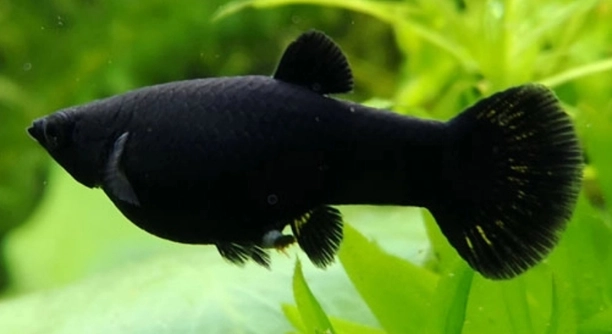
Do your Black Molly fry swim in tight circles, seemingly without purpose? Observing their tiny, shimmering bodies twirling endlessly can be worrying. Many new aquarists notice this behavior and wonder what it might indicate about their fry’s health.
The most common reason Black Molly fry swim in circles is due to swim bladder issues. This condition affects their buoyancy, causing them to rotate uncontrollably. Poor water quality, overfeeding, or genetic factors can also contribute to this repetitive circular swimming.
Recognizing the signs early can help improve their well-being. Simple changes in care can make a significant difference in their growth and survival.
Common Causes of Circular Swimming
Many Black Molly fry develop circular swimming habits because of issues with their swim bladder. The swim bladder is a small organ that helps fish control their buoyancy and balance in water. When it is not functioning properly, fry may spin, float uncontrollably, or struggle to stay upright. Poor water quality is another frequent factor. High ammonia, nitrite, or nitrate levels can stress fry and affect their internal organs. Overfeeding is also common among new aquarists. Tiny fry can’t digest excess food efficiently, which may lead to bloating or swim bladder problems. Genetics can influence this behavior too. Some fry may inherit traits that make them more prone to buoyancy issues. Observing your fry closely and checking water parameters regularly is essential. Adjusting feeding amounts, maintaining clean water, and monitoring behavior can prevent long-term health issues and improve overall survival rates in your tank.
Monitoring water quality daily can prevent stress and help fry swim more normally.
Addressing circular swimming early is key. Start by testing water parameters and performing small water changes. Avoid overfeeding by giving tiny portions multiple times a day rather than a large amount all at once. Remove uneaten food promptly to prevent water contamination. Consider adjusting temperature slightly, as fry are sensitive to drastic changes. Adding gentle aeration can help oxygenate water without creating strong currents that may confuse fry. Observing the fry individually can reveal if specific fish struggle more than others, indicating potential genetic or developmental issues. Patience is important, as swim bladder recovery can take days to weeks depending on severity. Maintaining a calm, stable environment reduces stress and encourages natural swimming patterns. Regular monitoring, careful feeding, and proper tank maintenance create the best conditions for fry to grow strong and healthy.
Preventive Measures and Care
Keeping your tank clean and feeding appropriately are the first steps in prevention.
Using high-quality food designed for fry supports proper development and minimizes digestive issues. Consistent partial water changes prevent ammonia and nitrite spikes, which can harm internal organs. Avoid overcrowding, as too many fry in a small space increases stress and the likelihood of swim bladder problems. Regular observation helps catch early signs of trouble before they worsen. Temperature stability is critical; sudden changes can confuse fry and trigger swimming difficulties. Providing small hiding spots reduces stress and allows fry to rest. Avoid using strong filters that create currents, as fry are delicate swimmers. Maintaining a balanced diet, clean water, and gentle tank conditions gives Black Molly fry the best chance to thrive and develop normal swimming patterns. Adjustments in care may seem small, but they have a significant impact on the fry’s health and overall survival in their early stages of life.
Adjusting Feeding Habits
Overfeeding is a major factor in swim bladder problems. Feeding small amounts multiple times a day helps fry digest food better and reduces bloating. Removing leftover food quickly prevents water pollution, which can stress fry and worsen swimming issues.
Giving fry tiny portions regularly supports healthy digestion. Too much food at once can lead to bloating, making it difficult for fry to control buoyancy. Using specialized fry food ensures they get proper nutrients without overloading their digestive system. Observing how much they eat in a few minutes can help you gauge the correct portion. If food remains uneaten, reduce the next feeding slightly. Feeding should be consistent, but careful monitoring is necessary to avoid excess that impacts water quality.
Switching to easily digestible foods can also help. Soaking flakes or crushing pellets into fine powder makes it easier for fry to eat. High-protein liquid or powdered fry foods are gentle on their systems. Avoid feeding adult-sized fish food, as it can be too dense and cause digestive stress. Gradually introducing new foods while observing swimming behavior can indicate improvement. Maintaining patience and consistency in feeding routines promotes healthy growth and proper swim bladder function over time.
Tank Environment Optimization
Proper tank conditions prevent stress that can worsen swimming problems. Maintaining stable temperature, gentle water flow, and clean water is essential for fry health.
Temperature swings, strong currents, and poor water quality can affect fry balance and buoyancy. Keeping the water stable around 78–80°F helps maintain metabolism and organ function. Using a sponge filter or low-flow filtration provides oxygen without creating strong currents that disorient fry. Frequent partial water changes reduce toxins and keep the environment safe. Adding small plants or decorations gives fry places to rest and reduces stress from constant swimming. Monitoring ammonia, nitrite, and nitrate levels ensures the water stays within safe limits. Proper lighting and a calm environment also contribute to natural swimming patterns.
Observing fry behavior daily is crucial for identifying early issues. Any sudden increase in spinning or lethargy may indicate water quality or dietary problems. Keeping the tank lightly populated reduces competition and stress, helping fry swim normally. Maintaining consistent feeding, water changes, and gentle aeration supports healthy growth. Regularly checking temperature and filtering carefully prevents fluctuations that can disturb delicate fry. Small adjustments in tank setup and routine care often lead to significant improvements in swimming behavior. Patience, attention, and consistency are key to helping Black Molly fry thrive in a controlled, safe environment.
Common Health Issues
Swim bladder problems often appear alongside other health concerns. Fry with bloating, pale coloration, or lethargy may be experiencing digestive or bacterial issues. Treating these conditions early can prevent long-term complications.
Maintaining good water quality and feeding small, digestible portions reduces the risk of illness. Observation is key, as early detection of changes in behavior can save lives and improve overall fry health.
Genetic Factors
Some Black Molly fry may inherit traits that make them prone to circular swimming. These traits affect swim bladder development or muscle control. While not all genetically influenced cases can be corrected, careful tank management can minimize stress and support healthier swimming patterns.
Observing Fry Behavior
Tracking individual fry helps identify patterns in circular swimming. Note which fry swim normally and which show consistent spinning to take targeted action.
When to Seek Professional Advice
If circular swimming persists despite good care, consulting an experienced aquarist or veterinarian is recommended. Early intervention ensures the fry receive proper treatment for underlying health or developmental issues.
FAQ
Why are my Black Molly fry swimming in circles?
The most common reason is swim bladder issues, which affect buoyancy and balance. Overfeeding, poor water quality, or genetic factors can contribute. Fry with swim bladder problems may float uncontrollably, spin, or struggle to maintain orientation in the tank. Early intervention can prevent long-term health issues.
Can water quality really cause circular swimming?
Yes. High ammonia, nitrite, or nitrate levels can stress fry, making them more prone to swim bladder problems. Regular partial water changes and testing water parameters help maintain a stable environment. Clean, stable water is crucial for proper organ function and natural swimming behavior.
How can I fix swim bladder problems?
Start by adjusting feeding habits. Feed smaller portions more frequently and remove uneaten food promptly. Ensure the fry get easily digestible food, like powdered fry food or soaked flakes. Maintaining stable water temperature and gentle filtration also supports recovery. In severe cases, consulting a veterinarian may be necessary.
Are some fry more prone to this than others?
Yes, genetics can play a role. Some fry inherit traits that affect swim bladder development or muscle coordination. While genetics cannot be changed, careful feeding, clean water, and low-stress tank conditions can minimize the impact on their swimming behavior.
Does temperature affect fry swimming?
Temperature stability is important. Sudden changes can confuse fry and worsen swimming problems. Keep the tank around 78–80°F. Slightly warmer or cooler water can affect metabolism and digestion, which indirectly influences buoyancy and swimming patterns.
Can diet improve swim bladder issues?
Yes, diet is a key factor. Overfeeding can cause bloating and digestive stress, which aggravates swim bladder problems. Switching to easily digestible foods, feeding smaller portions, and spacing meals throughout the day helps fry digest food properly and swim more normally.
Should I isolate affected fry?
Isolating fry with severe circular swimming can prevent injury and reduce stress from tankmates. It also allows for controlled feeding and observation. Use a small, gentle-flow container to monitor recovery while maintaining stable water conditions.
How long does it take for fry to recover?
Recovery varies. Mild cases may improve in a few days with proper care. Severe cases can take weeks and require consistent feeding adjustments, clean water, and careful observation. Patience is essential, as fry are delicate and slow to recover from swim bladder issues.
Can tank decorations help or hurt?
Small plants or hiding spots provide fry with places to rest, reducing stress. Avoid strong currents created by decorations or filters, as they can disorient fry and worsen spinning. A calm, stable environment is more important than having many decorations.
When should I seek professional help?
If swim bladder problems persist despite good care, or fry show signs of bloating, lethargy, or abnormal coloration, consult an experienced aquarist or veterinarian. Early intervention ensures underlying issues are addressed, improving survival and long-term health of your Black Molly fry.
Is circular swimming dangerous long-term?
Yes, if untreated. Persistent spinning can prevent fry from feeding properly and increase stress, reducing growth and survival. Maintaining proper care and monitoring behavior early helps fry develop normal swimming patterns and reach maturity safely.
Can overcrowding cause this behavior?
Overcrowding increases competition for food and space, causing stress. Stress can worsen swim bladder problems and affect natural swimming. Keeping fry in lightly populated tanks allows them to eat properly and reduces spinning caused by stress or bullying from tankmates.
Are there signs to watch for besides spinning?
Yes, watch for bloating, pale coloration, lethargy, or erratic swimming. These can indicate digestive issues, infections, or water quality problems. Early detection allows corrective action before the fry’s health declines.
Do all fry eventually outgrow this behavior?
Not all fry outgrow circular swimming. Some may recover with proper care, while others, especially those with genetic predispositions, may continue to have minor swimming difficulties. Focus on maintaining a healthy environment to give them the best chance of improvement.
Can other fish in the tank affect fry swimming?
Yes, aggressive or larger tankmates can stress fry, causing them to swim erratically or spin. Keeping fry in a calm environment with gentle species or a separate tank helps reduce stress and supports normal swimming patterns.
What is the most effective prevention method?
The best approach combines stable water conditions, proper feeding, low-stress tank setup, and careful observation. Regular partial water changes, appropriate fry food, and avoiding overcrowding create an environment where fry are less likely to develop swim bladder issues.
Can probiotics or supplements help?
Some aquarists use fry-safe probiotics to support digestion, which can reduce bloating and help prevent swim bladder problems. However, these should complement good feeding practices and water quality management rather than replace them.
Is it normal for fry to swim in circles occasionally?
Occasional spinning can happen as fry explore their environment. Persistent or repetitive circular swimming, especially paired with bloating or lethargy, is a sign of a problem that needs attention. Monitoring behavior over time helps distinguish normal exploration from health issues.
How often should I check on fry behavior?
Daily observation is ideal. Watch for spinning, eating habits, and growth. Early detection of any abnormal behavior allows you to take corrective measures quickly, improving the chances of healthy development and survival.
Can water hardness or pH affect swimming?
Yes, extreme water parameters can stress fry. Black Mollies prefer slightly alkaline, moderately hard water. Keeping pH and hardness within recommended ranges supports organ development and reduces stress-related swimming problems. Regular testing helps maintain safe conditions.
Is circular swimming common in all livebearers?
It can occur in other livebearers, but frequency varies. Mollies are particularly sensitive to water quality and diet in their fry stage. Observing patterns across species helps identify species-specific care needs to reduce spinning behaviors.
What are the long-term consequences if untreated?
Untreated swim bladder issues can lead to stunted growth, poor feeding, and higher mortality. Continuous spinning increases stress and energy expenditure. Timely intervention improves survival rates and ensures fry reach maturity with normal swimming behavior.
Are there any home remedies that work?
Adjusting feeding, using high-quality digestible food, maintaining stable water conditions, and avoiding stress are the most effective home interventions. Avoid drastic measures or untested remedies, as fry are sensitive and improper treatments can worsen their condition.
How can I track improvement?
Keep a daily log of feeding, water changes, and swimming behavior. Note any changes in spinning, growth, or activity. Gradual reduction in circular swimming indicates improvement. This record helps identify patterns and adjust care routines effectively.
Should I separate healthy fry from affected ones?
Separating severely affected fry can prevent stress and allow controlled feeding. Healthy fry can remain in the main tank, while affected fry get gentle observation, proper feeding, and stable water conditions to encourage recovery without interference.
Can swim bladder issues return?
Yes, if underlying causes persist. Overfeeding, poor water quality, or stress can trigger recurrence. Continuous monitoring, stable feeding, and maintaining water quality help prevent issues from returning and ensure fry remain healthy.
Is it safe to treat fry with medications?
Medications should only be used if a veterinarian or experienced aquarist recommends them. Most swim bladder problems respond to diet, water quality, and gentle care rather than chemical treatments. Misuse can harm delicate fry and worsen swimming issues.
How does tank size affect swimming?
Small tanks with limited swimming space increase stress and make circular swimming more noticeable. Larger tanks allow fry to explore gradually and reduce collisions or stress, promoting natural swimming patterns.
Can overactive filtration cause spinning?
Strong currents can disorient fry and worsen circular swimming. Use gentle filtration like sponge filters to oxygenate water without creating strong water flow that interferes with normal swimming patterns.
Do environmental changes affect recovery?
Yes, sudden changes in light, temperature, or tank layout can stress fry and slow recovery. Keep conditions stable and gradual when making adjustments to avoid further swimming disruptions.
Is it normal for some fry to never recover fully?
Yes, some fry, particularly those with genetic predispositions, may continue to swim imperfectly. Focus on supportive care and reducing stress to give them the best possible quality of life, even if swimming isn’t perfect.
Can I prevent swim bladder problems in future fry?
Yes, by maintaining clean water, feeding appropriately, avoiding overcrowding, and ensuring stable tank conditions, you can reduce the likelihood of swim bladder issues in subsequent generations of Black Molly fry.
What role does stress play in circular swimming?
Stress increases susceptibility to swim bladder problems. Overcrowding, aggressive tankmates, sudden environmental changes, or poor water conditions can all elevate stress, making fry more likely to spin continuously. Reducing stress is essential for healthy development and normal swimming behavior.
How do I know if a fry is improving?
Improvement is seen when circular swimming decreases, fry gain strength, and they feed regularly. They start swimming more naturally and maintain orientation. Consistent observation and record-keeping help identify gradual positive changes in behavior.
Are livebearer fry more sensitive than other fish fry?
Yes, livebearer fry, including Black Mollies, are delicate in early stages. They are particularly sensitive to water quality, diet, and environmental stress. Careful management during this period ensures better survival rates and healthier swimming behavior.
How important is oxygenation?
Oxygen-rich water supports metabolism and organ function. Gentle aeration helps fry swim properly and reduces stress, but strong currents should be avoided. Sponge filters or mild air stones provide adequate oxygen without disorienting fry.
Can overcrowded tanks hide swim bladder issues?
Yes, in dense populations, spinning may go unnoticed or fry may not have space to show typical behavior. Observing smaller groups allows clearer identification of affected fry and ensures timely intervention.
Are water conditioners necessary?
Using water conditioners reduces chlorine, chloramine, and heavy metals, which can stress fry and affect swim bladder function. Safe, treated water helps maintain health and reduces risks of circular swimming behavior.
Is it normal for fry to rest at the bottom while spinning?
Resting at the bottom combined with spinning may indicate swim bladder or digestive issues. Healthy fry typically swim upright and explore the tank. Monitoring and improving care can help fry regain normal swimming.
How can I balance diet and water quality?
Feed small, digestible portions and remove leftovers promptly. Combine this with regular partial water changes, testing, and tank maintenance. Balanced diet and clean water work together to prevent stress and promote proper swimming.
Do all fry respond the same to treatment?
No, response varies depending on severity, genetics, and environmental conditions. Some recover quickly, others slowly, and some may never fully recover. Observing each fry individually allows tailored care and better outcomes.
Can circular swimming be contagious?
No, swim bladder issues are not contagious. However, poor water conditions causing stress or illness can affect multiple fry simultaneously. Maintaining proper care prevents multiple fry from developing similar problems.
Is there a way to strengthen fry muscles to prevent spinning?
Gradually introducing gentle currents and providing swimming space helps fry build strength. Proper diet and low-stress conditions allow natural muscle development, supporting better control and reducing circular swimming tendencies.
Should I adjust lighting for fry with swim bladder issues?
Moderate, consistent lighting is best. Sudden changes in light can stress fry, while too dim or too bright conditions may reduce feeding or activity. Consistent lighting supports normal swimming behavior and overall health.
Do older fry recover better than younger fry?
Older fry may have stronger organs and better swimming ability, but early intervention in younger fry is crucial. Addressing issues promptly increases the likelihood of recovery, regardless of age, and reduces long-term health risks.
Can poor tank placement affect swimming?
Yes, tanks near drafts, heat sources, or high-traffic areas can stress fry. Stable, quiet placement supports calm behavior, reducing erratic swimming and supporting swim bladder recovery.
Is it normal for fry to circle while feeding?
Brief circling can happen during feeding, but persistent spinning before, during, or after eating indicates an underlying issue. Monitoring feeding behavior helps distinguish normal activity from health problems.
How does fry density affect water quality?
High fry density increases waste, raising ammonia and nitrite levels. Poor water quality stresses fry, leading to swim bladder issues. Keeping populations moderate and performing frequent water changes maintain a safe environment for healthy swimming.
Can stress from tankmates be subtle?
Yes, even non-aggressive fry or adult fish can stress fry by crowding, blocking food, or creating competition. Providing hiding spots and monitoring interactions reduces subtle stress factors that contribute to spinning.
How do I introduce new fry to prevent swimming problems?
Introduce fry to a stable, well-maintained tank with gentle filtration. Avoid sudden changes in water chemistry or overcrowding. Gradually acclimating fry reduces stress and lowers the risk of circular swimming or other health issues.
Are there signs that recovery is complete?
Recovery is indicated when fry swim upright consistently, feed normally, and maintain balance without spinning. Continued monitoring ensures they remain healthy and adapt to tank conditions as they grow.
Can changing water too frequently harm fry?
Excessive water changes can stress fry. Partial changes of 10–20% daily or every other day balance water quality with stability. Gradual adjustments prevent sudden shifts that could worsen swim bladder problems.
Do livebearers need special water compared to egg-layers?
Yes, Black Mollies prefer slightly alkaline, moderately hard water. Providing optimal water conditions supports organ development, digestion, and swimming behavior. Egg-laying species may tolerate softer, more acidic water, so species-specific care is important.
How do I know if my feeding schedule is appropriate?
Observe how quickly fry eat and check for leftover food. They should finish meals within a few minutes. Adjust portion sizes and frequency to prevent bloating and maintain clean water. Proper feeding directly supports swim bladder health.
Can mild stress sometimes improve swimming?
No, stress generally worsens circular swimming. Consistent, low-stress conditions allow fry to strengthen and recover. Gentle care, stable water, and proper feeding are the most reliable ways to improve swimming patterns.
Is it normal for some fry to recover faster than others?
Yes, individual differences in genetics, strength, and initial health affect recovery speed. Consistent care helps all fry improve, but patience is necessary for slower-recovering individuals.
How important is tank maintenance?
Daily observation, partial water changes, and monitoring filtration are essential. Clean tanks reduce stress, prevent digestive issues, and support proper swim bladder function. Maintenance is critical for healthy fry development and normal swimming behavior.
Can frequent handling harm fry?
Yes, handling or moving fry excessively causes stress and can worsen swim bladder issues. Observe visually and avoid unnecessary disturbance to give fry the best chance of recovery.
Do fry need special supplements to recover?
Most fry recover with proper feeding, clean water, and stable conditions. Supplements may help digestion but are not always necessary. Focus on core care routines first for safe, effective recovery.
Is circular swimming always noticeable?
Not always. Mild swim bladder problems may cause occasional spinning that is subtle. Consistent observation is necessary to detect early signs before serious issues develop.
Can sudden noise affect fry swimming?
Yes, loud or sudden noise can startle fry, increasing erratic swimming. Quiet, calm tank surroundings promote natural behavior and reduce stress-related circular swimming.
How do I prevent future fry from developing issues?
Maintain clean water, appropriate feeding, gentle tank conditions, and low-stress environments. Monitoring each generation closely and adjusting care based on observed behavior reduces swim bladder problems in new fry.
Are livebearers more prone to swim bladder issues than other species?
Yes, particularly during fry stages. They are sensitive to water quality, diet, and environmental stress. Proper care, monitoring, and prevention are essential for healthy swimming patterns in Black Molly fry.
Can other environmental factors affect recovery?
Yes, light, temperature, tank vibrations, and sudden changes can delay recovery. Stable, calm conditions are essential to support proper swimming and overall fry health.
Is circular swimming a permanent condition in some fry?
For some genetically predisposed fry, circular swimming may persist. Supportive care can still improve their quality of life, feeding ability, and overall development despite ongoing minor swimming irregularities.
How do I balance water changes and stability?
Partial water changes of 10–20% regularly maintain clean water while avoiding sudden shifts. This balance supports fry health, prevents stress, and reduces circular swimming tendencies.
Are some water additives safe for fry recovery?
Yes, water conditioners and mild probiotics designed for fry are safe when used as directed. Avoid harsh chemicals or untested treatments, as fry are very sensitive to toxins.
Can tank mates teach fry better swimming?
No, fry learn swimming naturally. Calm tankmates reduce stress but do not actively teach swimming skills. Environment, diet, and genetics influence swimming ability more than interaction with other fish.
Do fry sleep normally with swim bladder issues?
Fry rest intermittently, but severe swim bladder problems may prevent normal rest, causing them to float or spin while trying to rest. Stable care improves both swimming and resting behavior.
How long should I monitor fry for circular swimming?
Continuous observation through the early growth stage is essential. Persistent or worsening spinning requires intervention, while gradual improvement indicates recovery. Monitoring helps ensure long-term health and survival.
Can tank plants help reduce spinning?
Yes, plants provide hiding spaces and reduce stress. Low-stress environments encourage proper swimming and give fry places to rest when they feel overwhelmed.
Is it better to feed live or prepared food?
Both can work if appropriate for fry digestion. Live foods may stimulate natural feeding behavior, while prepared powdered or soaked foods are gentle and easy to digest. Consistency and portion control are more important than type.
Do fry need high protein to recover?
Moderate protein supports growth without causing digestive stress. Excessive protein can lead to bloating and worsen swim bladder issues. Balanced, easily digestible food is best for recovery.
Are fry more active at certain times of day?
Yes, activity peaks with light and feeding schedules. Observing behavior during these periods helps identify abnormal swimming or early signs of issues.
Can filtration changes help recovery?
Yes, gentle filtration ensures clean, oxygenated water without strong currents. Strong currents can worsen spinning. Sponge filters or low-flow filters work best for fry recovery.
Is it okay if only some fry spin?
Yes, individual differences exist. Isolate or monitor affected fry to give them focused care while healthy fry remain undisturbed in the main tank.
Can overcrowding hide recovery progress?
Yes, crowded conditions make it harder to see subtle improvements. Separating small groups helps track recovery and ensure each fry receives proper care.
Are certain tank sizes better for fry recovery?
Small, shallow tanks are easier to manage, maintain stable water conditions,
Final Thoughts
Observing Black Molly fry swimming in circles can be worrying, but understanding the reasons behind this behavior helps ease concern. The most common cause is swim bladder issues, which affect buoyancy and balance. Fry are delicate during their early stages, and even small changes in water quality, diet, or tank conditions can trigger abnormal swimming. Maintaining clean water, feeding appropriate portions of digestible food, and providing a calm, low-stress environment are essential steps to prevent or reduce circular swimming. Regular observation of the fry’s behavior helps identify early signs of problems, allowing for quick action before issues worsen. Taking time to understand your fry’s needs can make a significant difference in their health and development.
Genetics can also influence swimming behavior, and some fry may be predisposed to swim bladder difficulties. While this factor cannot be changed, supportive care can help minimize the impact. Small adjustments like using gentle filtration, maintaining stable water temperature, and providing hiding spots allow fry to develop at a natural pace. Overfeeding is a frequent contributor to swim bladder problems, so monitoring portion sizes and feeding schedules is key. Removing leftover food promptly helps maintain water quality and reduces stress. These care strategies not only improve swimming behavior but also support overall growth and survival, giving fry the best possible start in life.
Patience and consistency are crucial when caring for fry experiencing circular swimming. Recovery can take days or even weeks depending on the severity of the problem. It is important to monitor progress closely, keep detailed notes of feeding, behavior, and water changes, and make gradual adjustments when needed. Avoid sudden changes in water parameters, lighting, or tank placement, as fry are highly sensitive to environmental shifts. Even if some fry never fully recover, proper care ensures they remain healthy, able to feed, and grow as normally as possible. Focusing on stable tank conditions, proper nutrition, and gentle care provides the best chance for Black Molly fry to thrive and develop strong, natural swimming patterns. Observing their improvement over time can be rewarding, as even small changes in behavior indicate that your efforts are helping the fry grow stronger and healthier.

Hello,
If you enjoy the content that we create, please consider saying a "Thank You!" by leaving a tip.
Every little bit helps us continue crafting quality advice that supports the health, happiness, and well-being of pets around the world, for pets of all shapes, sizes, and species.
We really appreciate the kindness and support that you show us!