
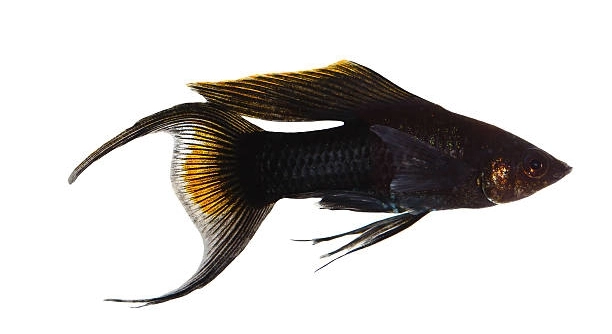
Do you ever notice your black molly staying still for long periods, especially right after the aquarium lights turn on? This behavior can be worrying for many fish owners and may indicate something about its environment or health.
A black molly refusing to move after lights are turned on is often a response to sudden light stress or changes in water conditions. Temperature fluctuations, water quality issues, or illness can all contribute to this temporary immobility.
Observing these patterns closely helps ensure your fish remains healthy and adjusts well to its tank conditions. Small changes can make a noticeable difference in your molly’s activity.
Understanding Light Sensitivity in Black Mollies
Black mollies can be highly sensitive to sudden changes in light. When the aquarium lights turn on abruptly, it can trigger a stress response, causing them to freeze or hide. This reaction is natural and can happen even in healthy fish. Sudden brightness may overwhelm their senses, making them feel vulnerable. Over time, repeated exposure to intense lighting without a gradual adjustment can lead to prolonged inactivity or unusual behavior. Adjusting the light gradually or using dimmers can help mollies acclimate more comfortably. Observing their reaction during lighting changes provides valuable insight into their stress levels and overall comfort. Light intensity, the position of the tank, and reflection patterns also play a role in how your molly behaves. Simple adjustments in the tank’s lighting schedule can significantly reduce their stress and encourage more regular movement. Monitoring and small changes often yield noticeable improvements in activity and wellbeing.
Even slight shifts in lighting schedule can affect your molly’s behavior. Gradual changes help them feel more secure and active.
Proper lighting management promotes healthier behavior, reduces stress, and encourages consistent activity, ensuring your black molly enjoys a stable and comfortable environment.
Water Conditions and Tank Environment
Unstable water conditions can cause mollies to remain still for extended periods.
Maintaining proper water temperature, pH, and cleanliness is critical. Black mollies thrive in consistent conditions, and sudden fluctuations can make them inactive or hide.
Water temperature that is too low or too high can slow a molly’s metabolism, leading to reduced movement. Similarly, high ammonia or nitrite levels can irritate their gills, causing lethargy. Filtration and regular water changes help maintain a stable environment. The presence of plants, hiding spots, or decorations also affects their comfort. A crowded tank can stress fish, while a well-arranged environment encourages exploration and activity. Observing water parameters daily helps identify issues early. Gradually adjusting conditions instead of making abrupt changes supports their natural behavior. Proper care and attentive monitoring ensure your molly remains active and healthy, reducing the likelihood of long periods of inactivity. By maintaining a stable tank environment, you can foster a thriving, stress-free space for your black molly.
Health and Illness Concerns
Lethargy in black mollies can signal health issues. Illnesses like swim bladder disorder, parasites, or bacterial infections often cause them to remain still. Early detection is key to effective treatment.
Signs such as clamped fins, labored breathing, or unusual swimming patterns indicate stress or illness. Swim bladder problems may make it difficult for mollies to maintain balance, causing them to hover or sink. Parasites and bacterial infections can weaken their immune system, reducing activity levels. Observing changes in appetite or coloration also helps identify potential health issues. Quick action, such as isolating the affected fish and checking water parameters, can prevent further complications and support recovery. Consistent observation and preventive care improve overall fish health.
Treating health issues involves proper diagnosis and care. Maintaining clean water, balanced nutrition, and monitoring behavior helps prevent many common illnesses.
Feeding and Activity Patterns
Black mollies may stay still if their feeding schedule is inconsistent or if they are adjusting to new food types.
Regular feeding routines help mollies maintain energy and normal activity levels. Abrupt changes in diet or overfeeding can lead to lethargy. Nutritional deficiencies may reduce their movement and responsiveness. Providing high-quality, balanced food encourages regular activity. Observation during feeding times allows you to notice changes in behavior and appetite. Adjusting portions and frequency can prevent both inactivity and water quality problems caused by leftover food. Mollies often respond quickly to consistent feeding habits, which supports their natural swimming patterns.
Temperature and oxygen levels influence feeding behavior and activity. Cooler water may slow metabolism, while low oxygen can reduce movement. Consistent monitoring of these factors ensures your molly stays active and healthy. Proper diet, combined with optimal tank conditions, encourages regular swimming, reduces stress, and supports long-term wellbeing. Addressing feeding and environmental factors together provides a more complete approach to maintaining energy and activity in black mollies.
Stress from Tank Mates
Aggressive or overly active tank mates can cause black mollies to remain still. Stress from constant chasing or territorial behavior limits their movement.
Providing hiding spots and maintaining compatible tank populations helps mollies feel safe. Reducing stress encourages normal swimming and exploration.
Gradual Acclimation to New Tanks
New tank environments can be overwhelming for black mollies. Sudden exposure to unfamiliar surroundings may cause them to freeze or hide. Gradual acclimation, including slowly adjusting water temperature and light, reduces stress. Allowing mollies time to explore and settle encourages regular movement and activity. Observing their behavior during this period helps identify additional adjustments needed to support comfort and health.
Observing Nighttime Behavior
Black mollies are naturally less active at night. Their stillness during dark periods is normal and does not indicate illness.
FAQ
Why is my black molly staying at the bottom of the tank?
Black mollies often stay near the bottom when they feel stressed, cold, or unwell. Low water temperature can slow their metabolism, causing them to hover at the bottom. Poor water quality, including high ammonia or nitrite levels, can also make them seek calmer areas away from the surface. Providing hiding spots, monitoring water parameters, and ensuring proper temperature encourages them to swim more actively.
Is it normal for a black molly to be inactive after lights turn on?
Yes, it can be normal. Sudden light changes can startle black mollies, making them freeze or hide temporarily. Gradual lighting transitions, such as using dimmers or leaving lights off for a few minutes before turning them fully on, help mollies adjust without stress. Consistent exposure over time usually reduces this behavior.
How can I tell if my black molly is sick or just stressed?
Observe behavior, appetite, and physical appearance. Clamped fins, pale or faded color, unusual swimming, or lack of appetite often signal illness. Stress may cause hiding or temporary stillness but usually doesn’t affect color or appetite significantly. Testing water parameters can help rule out environmental stressors.
Can poor water quality make black mollies refuse to move?
Absolutely. High levels of ammonia, nitrites, or nitrates irritate fish, reducing activity. Inconsistent temperature or sudden pH changes can also cause stillness. Regular water testing, partial water changes, and maintaining stable conditions support normal movement and overall health.
Do tank size and crowding affect molly activity?
Yes, overcrowding or small tanks increase stress and reduce movement. Black mollies need space to swim and explore. Proper stocking levels and a balanced number of tank mates prevent territorial conflicts and encourage regular activity. Hiding spots and plants also create a sense of security, reducing stress-related stillness.
What foods can help improve a black molly’s activity?
High-quality flake food, frozen or live brine shrimp, and bloodworms provide necessary nutrients. A balanced diet supports energy and metabolism, encouraging normal swimming. Avoid overfeeding, as excess food can deteriorate water quality, leading to lethargy. Feeding small portions consistently helps maintain energy without stressing the tank environment.
How long does it take for a black molly to adjust to a new tank?
Adjustment can take several days to a few weeks, depending on the fish and environment. Gradual acclimation, stable water conditions, and minimal stress from tank mates help mollies settle. Observing their activity and making minor adjustments to temperature, light, and decorations can speed up comfort and movement.
Will black mollies eventually stop hiding after sudden light exposure?
Yes, with consistent, gradual lighting changes, black mollies usually adapt. Providing shaded areas and hiding spots during the adjustment period allows them to feel secure. Over time, most mollies begin swimming actively even when lights turn on, showing they have acclimated.
Are there any environmental tools to reduce stress for black mollies?
Yes. Dimmer switches, floating plants, and shaded areas reduce sudden light intensity. Stable heaters, proper filtration, and regular water testing maintain a comfortable environment. These tools minimize stress, encourage activity, and support long-term health.
How often should I monitor my black molly’s behavior?
Daily observation is recommended. Noticing changes in movement, appetite, or interaction with tank mates helps catch early signs of stress or illness. Regular monitoring allows quick adjustments to lighting, water quality, and feeding, keeping your molly active and healthy.
This FAQ addresses common concerns about black mollies’ inactivity and provides practical solutions to help them feel safe, comfortable, and energetic in their aquarium environment. Regular observation, proper tank conditions, and gradual adjustments are key to supporting their wellbeing.
Final Thoughts
Black mollies are delicate fish that respond strongly to their environment. Their behavior, especially staying still after the lights turn on, is often a signal rather than a problem. Stress, sudden changes in light, or water conditions can make them freeze or hide. Understanding these responses helps you provide the right care to keep your fish healthy and comfortable. Observing your molly’s habits regularly allows you to notice subtle changes in activity, color, or appetite. These observations are essential because they give insight into both environmental and health factors affecting your fish. Even small adjustments in lighting, tank setup, or water quality can make a big difference. Providing stable conditions and a safe space encourages regular swimming and reduces stress.
Water quality plays a major role in the activity of black mollies. Temperature fluctuations, pH changes, and high ammonia or nitrite levels can make your fish slow or immobile. Keeping water parameters stable is crucial for their metabolism and overall wellbeing. Filtration, regular partial water changes, and monitoring of water chemistry are simple but effective steps to maintain a healthy environment. A tank that is overcrowded or has aggressive tank mates can also increase stress, leading to inactivity. Plants, decorations, and hiding spots provide comfort and security, allowing your molly to explore the tank confidently. Nutrition is another factor that affects movement. Feeding high-quality, balanced food in appropriate amounts supports energy levels and encourages regular activity. Overfeeding or poor-quality food can reduce movement and affect water quality, which further impacts health.
Finally, black mollies need time and patience to adjust to their environment. Sudden changes, whether in light, water, or tank setup, can cause temporary immobility, but gradual adjustments allow them to feel secure. Consistency in care, including feeding schedules, water management, and observing behavior, promotes comfort and activity. Early recognition of unusual signs, such as clamped fins, pale coloration, or loss of appetite, allows for prompt intervention before problems worsen. By providing a stable, well-maintained environment, you help your black molly feel safe, energetic, and healthy. Paying attention to their behavior and responding thoughtfully ensures that these small but sensitive fish thrive in your care.

Hello,
If you enjoy the content that we create, please consider saying a "Thank You!" by leaving a tip.
Every little bit helps us continue crafting quality advice that supports the health, happiness, and well-being of pets around the world, for pets of all shapes, sizes, and species.
We really appreciate the kindness and support that you show us!