
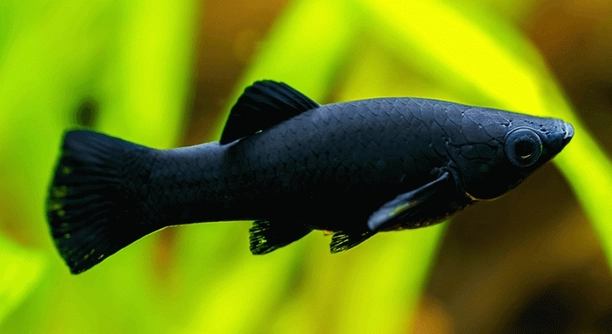
Black mollies are lively fish that bring charm to any aquarium. Seeing one suddenly die can be unsettling and upsetting, leaving many fish owners unsure how to respond or prevent future losses in their tank environment.
The sudden death of a black molly is often linked to water quality, disease, or stress factors. Immediate removal of the deceased fish, testing water parameters, and observing remaining fish for signs of illness are essential steps to prevent further loss.
Understanding the reasons behind a black molly’s sudden death will help maintain a healthier aquarium and protect the other fish from potential risks.
Identifying the Cause of Death
When a black molly dies suddenly, the first step is to consider the tank environment. Poor water quality is the leading factor, including high ammonia, nitrite, or nitrate levels. Even minor shifts in pH or temperature can stress fish and make them vulnerable. Another common factor is disease. Parasites, bacterial infections, and fungal growth can all progress quickly, leaving little warning. Stress from overcrowding, aggressive tank mates, or sudden changes in lighting and temperature also affects health. Observing the behavior of remaining fish can offer clues. Look for lethargy, loss of appetite, or unusual swimming patterns. Checking water parameters with a reliable test kit is essential. Maintaining regular water changes, proper filtration, and monitoring food quality can prevent many deaths. Preventive care and vigilance in observing subtle changes are the most effective ways to protect your aquarium population from unexpected loss.
Water testing and observation are crucial steps to quickly address problems in the tank.
Knowing the cause of a black molly’s death allows for more effective prevention. By keeping the tank clean, monitoring water parameters, and recognizing early signs of disease, future losses can be minimized. Proper diet, consistent environment, and careful attention to fish interactions help maintain a stable, healthy aquarium. Addressing issues promptly ensures that remaining fish remain safe and thrive, reducing stress and improving overall longevity. These steps create a more predictable and manageable tank environment, giving confidence in caring for aquatic life. Prevention, attentiveness, and timely action are key components of responsible aquarium management, ensuring fish are not unnecessarily exposed to risk factors that can lead to sudden deaths.
Immediate Steps After a Death
Removing the deceased fish promptly prevents contamination and reduces the spread of potential pathogens.
After removing the fish, test water parameters immediately. Check ammonia, nitrite, nitrate, and pH levels carefully. Observe remaining fish for abnormal behavior. Quarantining any sick individuals can prevent further loss. Clean and disinfect any decorations or equipment that the deceased fish contacted. Avoid adding new fish until water conditions stabilize and any illness is under control. Consistent monitoring during this period is essential. Recording water readings and behavioral observations helps identify patterns and potential triggers. Adjusting filtration, temperature, and feeding routines may be necessary to restore balance. Remaining attentive to tank conditions reduces stress and supports recovery. Taking these proactive measures can prevent a single loss from escalating into a larger problem, ensuring the health of the aquarium population is maintained.
Water Quality Management
Maintaining proper water conditions is essential for black mollies. Regular testing, timely water changes, and stable temperature prevent stress and disease. Poor water quality is often the reason fish die suddenly, so consistent monitoring is key to keeping your aquarium healthy and safe.
Testing water parameters should be done weekly to ensure ammonia, nitrite, nitrate, and pH levels remain within safe ranges. Changing 20 to 30 percent of the water regularly prevents harmful buildup. Filtration must be adequate for tank size, and overfeeding should be avoided to reduce waste. Sudden changes in temperature or chemical additives can shock fish, so adjustments should be gradual. Monitoring behavior helps catch early signs of stress or illness. Consistency in water management directly impacts the longevity and well-being of black mollies in any aquarium setup.
Diet and feeding habits also affect water quality. Uneaten food decomposes, increasing ammonia and nitrite levels. Feeding in moderation and removing excess food promptly helps maintain a clean environment. Live or frozen foods provide nutrition without polluting the water. Balanced nutrition strengthens fish immune systems, reducing susceptibility to disease. Avoid sudden diet changes, which can stress fish and lead to digestive issues. Observing feeding behavior ensures all fish are eating adequately, preventing dominance or malnutrition. By combining proper feeding with regular water maintenance, the tank environment remains stable, supporting healthier, more resilient black mollies.
Disease Prevention and Observation
Quarantining new fish and inspecting them for signs of illness prevents introducing infections into the main tank.
Regular observation of your black mollies allows early detection of disease. Look for discoloration, spots, unusual swimming, or clamped fins. Prompt action, such as isolating affected fish or adjusting water conditions, can stop the spread. Clean equipment, avoid sharing nets between tanks, and monitor for recurring symptoms. Vaccinations are not common in aquariums, so preventive care relies on cleanliness and vigilance. Stress management, including proper tank size and compatible tank mates, reduces susceptibility. Maintaining a log of water tests and fish behavior helps track patterns and potential health risks. Timely intervention improves recovery chances and protects the overall fish population.
Proper Tank Setup
A suitable tank size with enough space prevents overcrowding and stress. Plants, hiding spots, and smooth decorations create a safe environment. Proper filtration and stable temperature are crucial to keep black mollies healthy and reduce sudden deaths.
Regular maintenance of equipment, including filters and heaters, ensures the tank remains safe. Avoid sharp decorations that may injure fish. Proper aeration supports oxygen levels, especially in densely populated tanks. Spacing fish appropriately reduces aggression and stress. Observing fish interactions helps identify issues early. A well-planned tank setup creates a stable environment where black mollies can thrive.
Monitoring Fish Behavior
Observing black mollies’ daily behavior is essential. Changes in swimming patterns, appetite, or social interaction often indicate stress or illness.
Behavioral changes are often the first sign of trouble in a tank. Lethargy, hiding, rapid gill movement, or erratic swimming can signal water quality issues, infection, or parasites. Noticing these early allows for quick action to isolate affected fish and adjust tank conditions. Monitoring interactions among fish prevents aggression-related injuries. Recording patterns of behavior helps track progress and identify persistent problems. By paying attention to subtle signs, you can protect remaining black mollies and maintain a healthy, balanced aquarium environment.
Quarantine Practices
New fish should always be quarantined before introduction to the main tank.
Quarantining prevents the spread of disease. Isolating fish for at least two weeks allows observation for signs of illness. Treat any detected problems before adding them to the main tank. Clean quarantine tanks regularly and monitor water parameters closely. This practice reduces the risk of sudden deaths in established aquariums.
FAQ
Why did my black molly die suddenly?
Sudden death in black mollies is usually linked to water quality, disease, or stress. High ammonia, nitrite, or nitrate levels, sudden temperature changes, or poor diet can weaken their immune system. Overcrowding or aggressive tank mates also increase stress, making fish more vulnerable to illness. Observing tank conditions and fish behavior regularly helps identify risks before they become fatal.
Can water quality really cause instant death?
Yes. Even small imbalances in pH, ammonia, or nitrite can shock black mollies. Fish are sensitive to rapid changes, and prolonged exposure to poor conditions can lead to organ failure or sudden death. Testing water weekly and performing regular partial water changes keeps the environment safe and stable. Proper filtration and aeration are equally important.
How can I prevent diseases from spreading?
Quarantining new fish before adding them to the main tank is the most effective step. Observe them for at least two weeks for signs of illness. Clean equipment and decorations thoroughly to avoid transferring pathogens. Maintain optimal water conditions and a balanced diet to support the immune system of all fish in the tank.
Is stress a common reason for death?
Stress is a major factor. Overcrowding, aggressive tank mates, sudden temperature shifts, and poor diet all increase stress levels. Stressed fish eat less, become weaker, and are more prone to infections. Ensuring a calm environment, adequate hiding spots, and proper tank size reduces stress significantly and supports long-term health.
How do I know if my black molly is sick?
Watch for changes in behavior, swimming patterns, and appetite. Symptoms like clamped fins, rapid gill movement, discoloration, or hiding more often indicate illness. Early detection allows faster treatment and can prevent disease from spreading to other fish in the aquarium.
What should I do immediately after a fish dies?
Remove the fish promptly to prevent contamination. Test water parameters to identify potential problems. Clean and disinfect any decorations or equipment it contacted. Observe remaining fish for unusual behavior, and isolate any showing signs of illness. Taking these steps quickly reduces the chance of additional deaths.
Does diet affect survival?
Absolutely. Overfeeding or poor-quality food can lead to water pollution, while an unbalanced diet weakens the immune system. Feed black mollies a variety of high-quality flakes, pellets, or frozen foods, and remove uneaten portions promptly to maintain clean water and strong, healthy fish.
Can temperature changes cause death?
Yes. Black mollies are sensitive to sudden temperature swings. A stable temperature between 24–28°C (75–82°F) is ideal. Rapid changes can stress fish, lower immunity, and trigger disease. Using a reliable heater and thermometer ensures the tank environment remains safe.
Is overcrowding dangerous?
Overcrowding increases stress and competition for food. It raises waste levels, which can degrade water quality quickly. Maintaining proper stocking levels, considering tank size, and providing hiding spaces prevents aggression and reduces the risk of sudden deaths.
How often should I test the water?
Water should be tested at least once a week for ammonia, nitrite, nitrate, and pH. Frequent testing helps catch small problems before they escalate. Keeping a log of water parameters over time also helps identify trends and prevent conditions that threaten fish health.
Can I save a black molly showing early illness signs?
Yes. Prompt isolation, treatment, and adjustment of water conditions improve recovery chances. Treating with appropriate medications for bacterial or parasitic infections, maintaining stable water quality, and reducing stress can help sick fish recover fully. Early intervention is key.
Are there specific signs that indicate permanent tank issues?
Recurring deaths or multiple fish showing illness despite treatment indicate underlying problems. Persistent water quality issues, poor filtration, or chronic stress may be the cause. Addressing these factors comprehensively ensures remaining fish stay healthy and prevents further losses.
What role does tank hygiene play?
Tank hygiene is critical. Regular water changes, cleaning substrate, and maintaining filters prevent harmful buildup of waste and pathogens. A clean tank reduces stress and disease risk, giving black mollies the best chance of thriving in a stable environment.
How long should I wait before adding new fish after a death?
Wait until water parameters stabilize and any potential illness is fully treated. A minimum of two weeks is recommended. Monitoring remaining fish ensures they are healthy and reduces the risk of introducing new problems when new fish are added.
Can sudden deaths be completely prevented?
Not entirely, but risks can be minimized. Consistent water maintenance, careful observation, proper diet, stress reduction, and quarantine practices significantly reduce the likelihood of sudden deaths, helping maintain a healthy and stable aquarium population.
Final Thoughts
Experiencing the sudden death of a black molly can be unsettling, especially when it happens without warning. It is natural to feel concerned about the health of the other fish in your tank. Taking immediate steps to address water quality, observe remaining fish, and identify possible causes helps prevent further losses. Water testing, regular maintenance, and attention to tank conditions are essential practices. Even minor imbalances in ammonia, nitrite, nitrate, or pH can stress fish and make them more vulnerable to illness. Keeping the tank clean, properly filtered, and consistently monitored creates a safer environment for all fish. Stress management is equally important. Overcrowding, aggressive tank mates, and sudden environmental changes can all affect black mollies, making them weaker and more prone to disease. By maintaining a calm and stable environment, you reduce the risk of unexpected deaths and promote overall health.
Diet and nutrition also play a critical role in fish well-being. Feeding a balanced diet, avoiding overfeeding, and promptly removing uneaten food helps maintain both water quality and the health of your black mollies. A poor diet can weaken immune systems, making fish more susceptible to infections or sudden illness. Introducing new fish should always include a quarantine period to prevent the spread of disease. Observing new arrivals for at least two weeks ensures that potential issues are addressed before they affect the main tank population. Monitoring fish behavior on a daily basis is equally important. Changes in swimming patterns, appetite, or social interaction often indicate stress or early illness. Recognizing these subtle signs allows you to intervene quickly, providing treatment or adjustments to tank conditions before problems worsen. Consistent observation and care are essential for long-term success in maintaining a healthy aquarium.
Preventing future losses relies on a combination of proper tank management, careful observation, and proactive care. Regular water changes, stable temperature, adequate filtration, and attention to tank size and stocking levels create a balanced environment. Keeping detailed records of water tests, fish behavior, and any treatments applied can help identify recurring patterns or persistent issues. Acting promptly when problems arise ensures that remaining fish remain healthy and reduces the risk of sudden deaths. While it is impossible to completely eliminate all risks, following these practices significantly increases the chances of a thriving and stable aquarium. With diligence, attention to detail, and care, black mollies can live long, healthy lives, and you can feel more confident in managing your tank. Regular monitoring, preventive measures, and thoughtful feeding habits form the foundation of responsible aquarium ownership and help maintain the well-being of all fish in your care.

Hello,
If you enjoy the content that we create, please consider saying a "Thank You!" by leaving a tip.
Every little bit helps us continue crafting quality advice that supports the health, happiness, and well-being of pets around the world, for pets of all shapes, sizes, and species.
We really appreciate the kindness and support that you show us!