
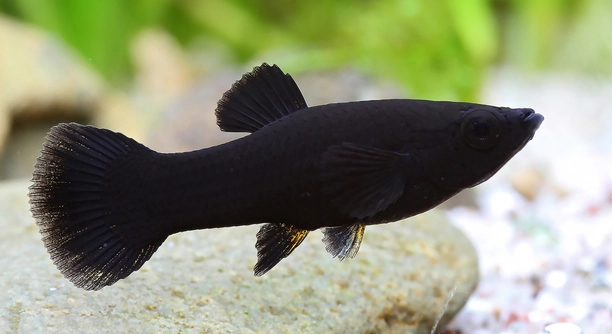
Black Mollies are lively freshwater fish that add beauty and movement to any aquarium. Observing them swim and interact can be very rewarding, but sometimes their activity levels may seem lower than expected.
Encouraging Black Molly activity involves maintaining optimal water conditions, providing adequate space, offering a balanced diet, and creating an enriched environment that stimulates natural behaviors and supports overall health and vitality.
By making a few simple adjustments, you can ensure your Black Mollies remain active and healthy, enjoying their environment to the fullest each day.
Maintain Optimal Water Conditions
Keeping the water clean and stable is essential for Black Mollies. They thrive in slightly alkaline water with a pH around 7.5 to 8.5 and a temperature between 75 and 82°F. Regular water changes remove excess waste and prevent harmful ammonia or nitrite buildup. Filtration is important, but the current should be gentle, as strong flows can stress the fish. Monitoring water parameters with a reliable test kit ensures any changes are noticed early. Adding a small amount of aquarium salt can help improve gill function and reduce stress, but it should be used carefully. Keeping the tank free of uneaten food and decaying plants also supports water quality. These steps create an environment where Black Mollies feel secure, encouraging them to swim actively and interact naturally. When the water is stable and clean, their natural behaviors, including foraging and schooling, become more visible and frequent.
Consistent water quality makes Black Mollies more energetic, reducing stress and encouraging them to explore their surroundings confidently.
Providing stable water conditions helps prevent illness and supports all aspects of their activity. By monitoring temperature, pH, and cleanliness, you create a safe habitat. Regular water changes, careful filtration, and controlled currents allow Black Mollies to move freely, display natural behaviors, and remain active throughout the day, which also makes observing them more enjoyable. Small adjustments, like introducing gentle aeration or minor salt supplementation, can further enhance their comfort. In addition, removing leftover food and debris keeps the tank environment healthy. Black Mollies are sensitive to sudden changes, so maintaining consistency in water parameters is crucial. Over time, they adapt to their environment and show more vibrant swimming patterns, chasing small movements and interacting with other tank mates. By focusing on water quality, you not only encourage activity but also promote overall health, longevity, and well-being, creating a lively and balanced aquarium setting.
Provide a Balanced Diet
A varied diet keeps Black Mollies active and healthy. Feeding high-quality flake, frozen, and live foods supports energy and growth.
Offering diverse foods ensures they receive all necessary nutrients. Healthy Mollies swim more, explore, and interact frequently.
Incorporating protein-rich options like brine shrimp or daphnia alongside vegetable matter maintains their energy levels. Overfeeding should be avoided, as excess food can pollute the water and reduce activity. Feeding small portions multiple times a day mirrors their natural foraging habits. Black Mollies enjoy nibbling on algae, spinach, or spirulina-based foods, which support digestion and vibrant coloration. By combining plant-based and protein-rich foods, you create balanced meals that sustain energy and stimulate natural behavior. Watching them eagerly search for food and compete lightly with tank mates is a sign of a healthy, active fish. Proper nutrition also strengthens their immune system, making them less prone to disease and more likely to remain energetic. Attention to diet fosters consistent activity and overall vitality, helping Black Mollies thrive in your aquarium over time.
Create Hiding Spots and Plants
Black Mollies feel safer with plants and hiding spots in the tank. Live or artificial plants, caves, and decorations give them spaces to explore and rest.
Providing dense plant cover mimics their natural habitat, encouraging exploration and swimming. Floating plants soften light, making them more comfortable. Mollies often hover near roots and leaves, exploring every corner while feeling secure. Hiding spots reduce stress, which directly increases activity levels. By arranging tall plants at the back and shorter ones in front, you create layers for movement. Small caves or rock formations give temporary refuge and break the line of sight, reducing aggression from other fish. Active Mollies often dart in and out of plants, chase small water movements, and interact with tank mates. Varied environments prevent boredom and promote consistent activity throughout the day.
By adding plants and decorations, Black Mollies develop natural behaviors like foraging, hiding, and schooling. Safe spaces reduce fear, leading to more frequent movement, playful interactions, and energetic swimming patterns. A well-structured tank supports curiosity and confidence, which are key for healthy activity.
Maintain Proper Tank Size and Grouping
Overcrowding or too-small tanks can limit Black Molly activity. Providing enough space encourages swimming and social interactions.
A tank of at least 20 gallons is recommended for a small group of Mollies, allowing room to swim and explore. Adding 3–5 fish creates social dynamics, which naturally increases movement and reduces stress. Too few can make them shy, while too many lead to competition. Spacing decorations and plants carefully ensures open swimming paths and safe retreats.
Grouping Black Mollies in compatible numbers and maintaining adequate tank size improves natural schooling and exploration. A balanced ratio prevents territorial disputes and promotes collective movement. Open areas combined with scattered hiding spots create a stimulating environment, allowing fish to exercise and interact freely. Consistent activity strengthens muscles, supports metabolism, and reduces the risk of illness. Observing them swim together or chase currents reflects healthy social behavior. A well-planned tank layout with thoughtful grouping ensures Mollies remain lively, confident, and engaged in their environment.
Provide Gentle Water Flow
Black Mollies enjoy a light water current that mimics natural streams. Gentle circulation encourages swimming and playful movement throughout the tank.
Avoid strong currents that tire them. A moderate flow stimulates activity and helps with oxygenation, keeping fish healthy and energetic.
Keep a Consistent Light Schedule
Maintaining regular lighting supports Mollies’ natural activity patterns. About 10–12 hours of light daily helps regulate their behavior. Proper lighting enhances color, encourages swimming, and creates a stable environment. Avoid sudden changes, which can stress them and reduce movement.
Introduce Occasional Live Foods
Live foods like brine shrimp or daphnia spark natural hunting instincts. These foods stimulate movement and provide essential nutrients. Black Mollies chase and feed actively, boosting both exercise and engagement in the tank.
Avoid Sudden Changes
Sudden shifts in water temperature or chemistry stress Black Mollies. Maintaining stable conditions ensures consistent activity and supports overall health.
FAQ
How often should I change the water for Black Mollies?
Regular water changes are crucial for keeping Black Mollies active and healthy. Changing 20–25% of the water every week helps remove waste, prevent toxin buildup, and maintain stable water parameters. More frequent changes may be necessary for smaller or heavily stocked tanks. Consistent water maintenance supports their natural swimming and social behaviors.
What temperature is best for encouraging activity?
Black Mollies are tropical fish that prefer a temperature between 75°F and 82°F. Keeping the water within this range ensures metabolism remains stable, which directly affects swimming and feeding activity. Temperatures below 75°F can slow movement, while higher temperatures may increase stress and risk of disease.
How much should I feed them each day?
Feed Black Mollies small portions two to three times daily. Overfeeding can pollute the water, reduce oxygen levels, and lower activity. A varied diet of flake, frozen, or live foods keeps them energetic. Only give what they can consume within a few minutes to maintain water quality and stimulate natural foraging behavior.
Do they need live plants in the tank?
Live plants are not strictly necessary but highly beneficial. Plants offer hiding spots, reduce stress, and encourage exploration. Mollies often swim among roots and leaves, which increases activity. Floating or tall plants can provide shade and structure, helping them feel secure while allowing open swimming areas for exercise.
Can I keep Black Mollies with other fish?
Yes, they do well with other peaceful tropical fish. Avoid aggressive species that may chase or stress them. Proper group size and compatible tank mates encourage social interaction, reduce boredom, and promote natural behaviors like schooling and foraging. Correct stocking helps maintain a lively and healthy environment.
How can I tell if they are stressed?
Signs of stress include hiding constantly, clamped fins, slow swimming, or loss of appetite. Stress reduces activity and makes them more vulnerable to disease. Monitoring water quality, maintaining stable temperatures, providing hiding spots, and feeding a balanced diet all help prevent stress and keep Mollies energetic.
Is tank size important for activity levels?
Yes, tank size greatly impacts their movement. A minimum of 20 gallons is recommended for a small group, allowing space to swim and explore. Overcrowding can reduce activity and increase aggression. Open swimming areas combined with strategically placed plants or decorations encourage natural behaviors and consistent movement.
How do live foods affect their activity?
Live foods such as brine shrimp, daphnia, or mosquito larvae stimulate hunting instincts. Black Mollies chase and forage actively, which increases exercise and mental stimulation. Feeding occasional live foods encourages natural behaviors, supports muscle development, and keeps energy levels high, contributing to overall vitality and visible activity in the tank.
Should I use aquarium salt to increase activity?
A small amount of aquarium salt can improve gill function and reduce stress, indirectly promoting activity. It should be used cautiously, as excessive salt can harm plants or other freshwater fish. When used correctly, salt helps Mollies remain healthy, energetic, and more likely to display natural swimming patterns.
How does lighting affect Black Molly behavior?
Consistent lighting for 10–12 hours daily helps regulate their activity cycles. Proper lighting enhances color, encourages exploration, and supports feeding behaviors. Sudden changes or irregular light schedules can stress them, reduce movement, and affect overall health. Maintaining a stable light routine ensures they remain active and engaged in their environment.
Can decorations improve their activity?
Yes, decorations and caves create safe spaces and add environmental enrichment. Black Mollies explore, swim around structures, and hide when needed, which encourages movement. Arranging plants, rocks, or tunnels thoughtfully ensures open areas for swimming while providing security, boosting both physical activity and confidence.
Do they need companions to stay active?
Black Mollies are social fish and are more active in small groups. A group of three to five encourages natural schooling, playful chasing, and interaction. Alone, they may become shy or less energetic. Proper companionship ensures a lively, dynamic aquarium with consistent activity and reduced stress.
What is the role of water flow in activity?
Gentle water currents stimulate swimming and mimic natural conditions. Moderate flow encourages exercise and helps maintain oxygen levels. Avoid strong currents, as they can tire or stress Mollies. Balanced water movement keeps fish active while supporting healthy respiratory function and natural behaviors.
How do I prevent boredom in the tank?
Providing a mix of plants, decorations, open swimming areas, and occasional live foods prevents boredom. Rotating features or introducing new structures encourages exploration. A varied environment keeps Black Mollies mentally stimulated and physically active, reducing stress and promoting natural behaviors throughout the day.
Can stress affect their lifespan?
Yes, chronic stress from poor water quality, aggressive tank mates, or sudden changes can reduce lifespan. Stress lowers activity, weakens the immune system, and increases susceptibility to disease. Maintaining stable conditions, proper diet, and a safe environment ensures they stay healthy, active, and live longer.
How do I encourage natural behaviors in a small tank?
Even in a smaller tank, using plants, decorations, and varied foods encourages exploration, foraging, and social interactions. Open swimming space combined with hiding areas helps Mollies stay active. Proper tank design simulates natural environments, promoting movement, mental stimulation, and healthy behaviors despite limited size.
Black Mollies are lively fish that can bring energy and beauty to any aquarium. Their natural curiosity and playful swimming make them enjoyable to watch, but their activity depends heavily on their environment. Maintaining clean water, stable temperature, and proper pH levels is essential. When the water is well-maintained, Mollies move more freely and show natural behaviors like exploring, foraging, and interacting with each other. Filtration and gentle water flow also play a role, helping them feel comfortable while providing the oxygen they need. Even small adjustments, such as adding a bit of aquarium salt or ensuring the current is gentle, can improve their overall energy and reduce stress. Watching healthy, active Mollies demonstrates the importance of attention to water quality and consistency in care routines.
Providing a balanced diet is another critical factor in encouraging Black Molly activity. A mix of flake, frozen, and live foods gives them the nutrients needed for energy and growth. Small, frequent feedings mimic their natural foraging behavior, which keeps them engaged and moving throughout the day. Occasional live foods like brine shrimp or daphnia can stimulate hunting instincts, encouraging chasing and playful swimming. Incorporating vegetable matter such as spinach, spirulina, or algae supports digestion and adds variety, helping them stay healthy and vibrant. Avoiding overfeeding is important because leftover food can pollute the water and reduce activity. Paying attention to diet, portion sizes, and food variety ensures that Mollies remain energetic while also supporting their long-term health and coloration.
The overall design of the tank has a direct impact on activity levels. Providing plenty of swimming space, along with hiding spots and decorations, creates an enriched environment where Mollies can feel secure while moving freely. Plants, caves, and layered decorations give them areas to explore, rest, and escape if stressed. Grouping them in compatible numbers promotes natural social behavior, which further encourages movement and interaction. Consistent lighting helps regulate their activity cycles, while stable conditions prevent stress that can limit movement. By carefully combining tank size, social grouping, environmental enrichment, diet, and water quality, Black Mollies can thrive in a lively, active state. Observing them confidently swim, forage, and interact is not only satisfying but also a clear sign that they are healthy and well-cared for. Creating the right environment requires attention and consistency, but the result is a vibrant, dynamic aquarium where Mollies display their natural energy and behavior every day.

Hello,
If you enjoy the content that we create, please consider saying a "Thank You!" by leaving a tip.
Every little bit helps us continue crafting quality advice that supports the health, happiness, and well-being of pets around the world, for pets of all shapes, sizes, and species.
We really appreciate the kindness and support that you show us!