
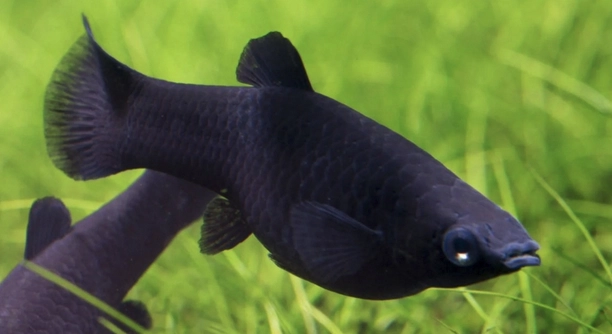
Black Mollies are popular freshwater fish known for their striking black color and peaceful nature. Many owners enjoy watching them thrive but sometimes worry about subtle changes in their health or behavior in the tank.
Monitoring patterns such as swimming behavior, feeding habits, coloration, fin condition, social interactions, growth rate, and water parameters can help predict health issues in Black Mollies. Early detection allows timely intervention and improves their overall well-being in captivity.
Recognizing these patterns makes caring for your Black Mollies easier and ensures they remain vibrant and healthy for years to come.
Changes in Swimming Behavior
When a Black Molly is unwell, its swimming patterns often shift noticeably. Healthy Mollies swim actively, exploring the tank and interacting with others. Sudden lethargy or excessive hiding can indicate stress or illness. Rapid, erratic swimming may point to irritation from water conditions or parasites. Observing their movements daily helps detect small changes early. For instance, swimming near the surface could suggest low oxygen levels, while staying at the bottom might indicate discomfort. Paired with other signs, swimming behavior provides valuable insight into overall health. Tank placement, current strength, and companions also influence activity. Stressful changes in environment, such as sudden temperature shifts or aggressive tank mates, can exacerbate health issues. Maintaining consistent conditions allows Mollies to display natural swimming behavior, making deviations easier to notice. Attention to patterns over time makes spotting minor concerns simpler. Recording daily observations, even briefly, can highlight subtle trends that might otherwise be overlooked.
Tracking swimming behavior consistently is a reliable way to gauge the health of Black Mollies, as abnormal patterns often appear before other symptoms.
By paying attention to movement and positioning in the tank, you can take early action if a fish seems unwell. Subtle shifts often reveal issues before serious illness develops. Regularly monitoring swimming makes care more effective and preventative.
Feeding Habits
Black Mollies with irregular feeding patterns may have underlying health problems. Skipping meals or sudden overeating can indicate stress or illness.
Observing appetite closely is crucial. Healthy Mollies eat consistently and show interest in varied foods. Changes in appetite often accompany disease or environmental stress, such as poor water quality or improper tank temperature. Feeding at set times and in small portions helps establish predictable behavior, making deviations easier to notice. Diet balance is essential; they thrive on a mix of flake foods, vegetables, and occasional protein supplements. Overfeeding can lead to obesity or digestive issues, while underfeeding weakens the immune system. Watching how each Molly interacts during feeding can reveal social stress or dominance issues. Fish that refuse food may need water tests to check for toxins or imbalances. Keeping a feeding log can track small changes that indicate emerging health concerns. Recognizing patterns early allows timely adjustments in care, ensuring the fish maintain energy, growth, and a healthy lifespan. Observing these behaviors also builds familiarity with individual fish, helping spot subtle changes that might otherwise go unnoticed.
Changes in Coloration
Color fading or unusual spots on a Black Molly often indicate stress, poor water conditions, or illness. Vibrant black should be consistent; dullness is a warning sign.
Fading coloration can result from poor diet, illness, or aging, but sudden changes usually signal health issues. Parasites and fungal infections may cause patchy or discolored areas. Water quality directly affects pigment; high nitrate or ammonia levels can stress fish and dull their natural color. Frequent observation helps detect changes early, allowing adjustments to diet, water maintenance, or medical treatment before more serious issues develop.
Some color changes are subtle, appearing first as slight gray or brown tinges on fins or body. Stress from aggressive tank mates or overcrowding can also reduce vibrancy. Ensuring a balanced diet rich in natural pigments like spirulina and vegetables supports strong coloration. Maintaining clean, stable water and proper temperature helps prevent stress-related fading. Color observation combined with monitoring behavior and appetite gives a clearer picture of overall health. Immediate action when noticing fading prevents potential progression of disease or long-term health problems.
Fin Condition
Torn, clamped, or ragged fins are a sign of poor health or injury. Healthy fins should be full and open.
Damaged fins can result from fin rot, bacterial infection, or aggressive tank mates. Water quality problems such as high ammonia or nitrate levels contribute to fin deterioration. Monitoring fins regularly helps detect early issues, allowing treatment before infection spreads. Treatment may include water changes, isolation, or medication.
Black Mollies with deteriorating fins often also show other signs like lethargy or loss of appetite. Fin rot starts at edges and can spread rapidly if untreated. Regular maintenance, including cleaning the tank and providing stress-free conditions, reduces the likelihood of fin problems. Proper diet strengthens fins, while overcrowding and aggressive companions increase risk. Early detection and intervention can restore fin health and prevent long-term damage. Observing fin condition alongside swimming patterns and coloration provides a more complete view of fish well-being.
Social Interaction
Black Mollies are social fish that usually swim in groups. Isolation or hiding may indicate stress or illness.
Aggressive behavior between tank mates or sudden withdrawal can be a sign of discomfort. Observing interactions helps detect early health or environmental problems.
Growth Rate
Slow or stunted growth in Black Mollies may reflect poor nutrition, water quality issues, or underlying illness. Providing a balanced diet and stable tank conditions supports proper development. Regular monitoring ensures any deviation is addressed promptly, preventing long-term health consequences.
Water Parameter Sensitivity
Black Mollies respond strongly to changes in water conditions. Fluctuations in pH, temperature, or hardness can quickly impact health. Maintaining stable, clean water supports immunity and overall vitality.
How often should I check my Black Molly’s health?
Observing your Black Mollies daily is the best approach. Watch swimming behavior, coloration, fins, and appetite. Even short, consistent checks help catch early signs of illness. Spotting small changes early makes it easier to address issues before they become serious. A brief routine of ten minutes can provide valuable insight into their well-being.
What are the most common signs of illness in Black Mollies?
Signs include lethargy, clamped or torn fins, faded color, sudden hiding, loss of appetite, and abnormal swimming. Other indications may involve bloating, erratic movements, or rubbing against objects. Each symptom alone may not indicate a severe problem, but a combination often suggests stress or illness. Regular observation is key to noticing these patterns.
How can I improve my Molly’s environment to prevent health issues?
Maintaining stable water conditions is essential. Test water regularly for pH, ammonia, nitrites, and nitrates. Provide consistent temperature within their preferred range, around 75–82°F (24–28°C). Avoid overcrowding, and ensure a well-filtered tank. Adding live plants can reduce stress and offer hiding spots. Balanced feeding with flake foods, vegetables, and occasional protein supplements supports overall health. Clean the tank weekly or as needed, removing uneaten food and waste to maintain water quality. A healthy environment reduces the likelihood of disease, supports natural behaviors, and helps Mollies thrive.
How do I know if a Molly is stressed versus sick?
Stress often shows as temporary hiding, rapid swimming, or slight color fading. Stress is usually linked to environmental factors like temperature shifts, overcrowding, or aggressive tank mates. Illness involves persistent changes such as long-term lethargy, appetite loss, torn fins, or swelling. Observing patterns over several days can help distinguish temporary stress from a health problem. Addressing stress promptly can prevent disease, while illness may require medical or water interventions.
Can diet affect a Molly’s health?
Yes. A proper diet ensures growth, immune system strength, and vibrant coloration. Black Mollies need a mix of high-quality flakes, blanched vegetables, and occasional protein like brine shrimp. Overfeeding can cause digestive issues and poor water quality, while underfeeding weakens immunity. Monitoring feeding habits helps spot health concerns early.
What should I do if I notice abnormal swimming?
Abnormal swimming often signals irritation, poor water conditions, or internal illness. Check water parameters immediately and look for visible parasites or fin damage. Isolation may be necessary if aggression or infection is suspected. Adjusting water conditions and providing proper care can restore normal behavior.
How can I prevent fin rot and other common infections?
Keep water clean, stable, and properly filtered. Avoid overcrowding, maintain consistent temperatures, and provide a nutritious diet. Inspect fish regularly for early signs such as torn or discolored fins. Promptly treating minor issues prevents severe infections. Quarantining new fish before introducing them to the tank also reduces disease risk.
How often should I perform water changes?
Weekly partial water changes of 20–30% are recommended, though the exact schedule depends on tank size and stocking density. Regular changes reduce toxins, stabilize pH, and maintain oxygen levels. Combining water testing with scheduled changes ensures a healthy, low-stress environment for Black Mollies.
Are live plants beneficial for Black Mollies?
Yes. Live plants offer hiding spots, reduce stress, and help maintain water quality by absorbing nitrates. They create a more natural environment, which encourages normal swimming and feeding behaviors. Fast-growing plants like hornwort, java moss, or water sprite are easy to maintain and support a healthier tank ecosystem.
When should I consult a vet or specialist?
If a Molly shows persistent lethargy, severe fin damage, bloating, abnormal swimming, or refuses food for more than two days, professional advice is recommended. Early consultation can prevent worsening of health issues and guide proper treatment. Keeping a log of observations helps the vet make accurate recommendations.
How do I know if water quality is affecting my Mollies?
Frequent hiding, gasping at the surface, faded color, or irregular swimming often indicate water problems. Test for ammonia, nitrites, nitrates, and pH levels. Correcting imbalances through water changes, filtration, and temperature adjustments usually resolves these issues. Regular monitoring prevents long-term health problems.
Can stress cause long-term health problems in Black Mollies?
Yes. Chronic stress weakens immunity, slows growth, and increases susceptibility to disease. Stress can result from aggressive tank mates, overcrowding, sudden environmental changes, or poor diet. Maintaining stable conditions, proper nutrition, and a peaceful environment reduces the risk of stress-related health issues.
Is it normal for Mollies to change behavior seasonally?
Minor behavioral changes can occur with temperature fluctuations or light variations, but drastic shifts may indicate stress or illness. Observe patterns over time to distinguish normal seasonal changes from health problems. Consistent monitoring ensures any concerning behavior is addressed promptly.
How important is quarantine for new fish?
Quarantining new fish for two to four weeks prevents introducing diseases into an established tank. Observation during quarantine helps catch early signs of illness and reduces stress on existing fish. This practice is a key preventive measure for maintaining overall health.
What tools are essential for monitoring Molly health?
A reliable water test kit, thermometer, feeding log, and basic observation checklist are essential. Recording daily behavior, appetite, and physical condition allows early detection of problems and provides a clear reference for adjustments or veterinary consultation. Regular maintenance and careful observation keep Black Mollies thriving.
Caring for Black Mollies can be a straightforward and rewarding experience when you pay attention to their basic needs. Observing their behavior, coloration, and physical condition every day gives you a clear sense of their overall health. Small, consistent actions, like checking water parameters, maintaining a balanced diet, and keeping the tank clean, have a big impact on their well-being. Even minor changes in swimming patterns, appetite, or fin condition can signal issues that are easier to treat when caught early. Over time, these simple routines become second nature, allowing you to quickly notice anything unusual. The more familiar you become with each fish’s habits, the easier it is to respond promptly and appropriately.
Black Mollies thrive best in stable, well-maintained environments. Regular monitoring of water quality, including pH, temperature, and nitrate levels, helps prevent stress-related health problems. Providing a balanced diet that includes high-quality flakes, vegetables, and occasional protein sources ensures proper growth and vibrant coloration. Tank layout and companions also play a role in maintaining a calm environment. Live plants, adequate swimming space, and compatible tank mates reduce stress and promote natural behaviors. By combining proper diet, stable water conditions, and attention to daily activity, you create an environment where Mollies are less likely to fall ill. Preventive care is always more effective than treatment, and establishing a routine around these factors supports their long-term health.
Paying close attention to patterns such as feeding habits, social interactions, coloration, fin condition, and swimming behavior allows you to act quickly if problems arise. Even subtle changes can indicate early signs of illness or stress, making observation an essential part of care. Quarantining new fish, performing regular water changes, and keeping track of daily observations further reduce the risk of disease. While Black Mollies are generally hardy fish, consistent monitoring and maintenance make a noticeable difference in their health and longevity. Over time, these small efforts lead to stronger, more vibrant fish, a peaceful tank environment, and greater satisfaction in caring for them. Establishing these practices not only ensures the immediate well-being of your Mollies but also helps prevent future issues, giving you confidence in your ability to provide a healthy, stable home for your aquatic pets.

Hello,
If you enjoy the content that we create, please consider saying a "Thank You!" by leaving a tip.
Every little bit helps us continue crafting quality advice that supports the health, happiness, and well-being of pets around the world, for pets of all shapes, sizes, and species.
We really appreciate the kindness and support that you show us!