
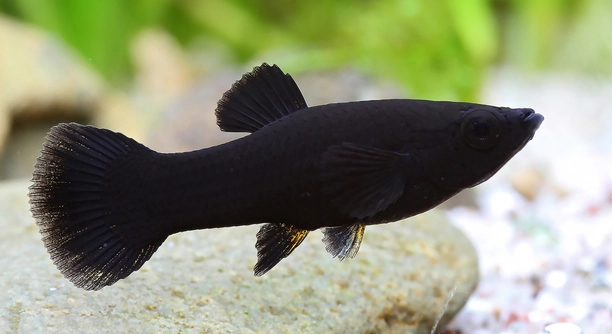
Black Mollies are small, lively freshwater fish often seen in home aquariums. They are known for their playful nature and bright appearance, making them a favorite among beginner and experienced fish keepers alike.
Black Mollies can tolerate sharing territory, but they do exhibit territorial behaviors, especially males. Providing enough space, hiding spots, and plants can reduce aggression and allow multiple fish to coexist peacefully within the same tank.
Knowing how to balance tank space and fish behavior is essential for a harmonious aquarium environment. Proper setup can help prevent conflict and keep your Black Mollies healthy.
Understanding Black Molly Territory
Black Mollies are naturally social but have a clear sense of personal space. In smaller tanks, males may become aggressive when another male enters their area. Even in larger tanks, boundaries are established around feeding zones, hiding spots, and favorite swimming areas. Female Black Mollies usually tolerate each other better, though stress can occur if hiding spaces are limited. Plants, rocks, and decorations can help divide the aquarium into separate zones, giving each fish its own area. Observing their behavior is key: chasing, fin-nipping, and sudden darting indicate territorial disputes. Regular monitoring and tank maintenance reduce tension. Overcrowding intensifies conflicts, so it’s important to provide adequate space per fish. Water quality also influences behavior, as poor conditions can increase aggression. By arranging the tank thoughtfully, mollies can coexist more comfortably. Knowing their natural instincts and providing structure creates a calmer, healthier aquarium for all fish. This approach makes it easier to enjoy their active, playful movements without stress.
Providing proper space and hiding areas helps Black Mollies feel secure, reducing aggressive interactions and stress in shared tanks.
Even with adequate space, minor conflicts may still occur, especially among males establishing dominance. Monitoring behavior and adjusting decorations can prevent escalation. Consistent feeding schedules and maintaining water conditions also contribute to a stable environment. By understanding territorial tendencies, owners can create a tank that supports peaceful cohabitation.
Tips for Sharing a Tank
Ensuring each Black Molly has a distinct zone is essential for harmony. Visual barriers like plants or rocks help separate territories.
Adding extra hiding spots and multiple feeding areas can reduce competition. Gradually introducing new fish and observing interactions prevents sudden stress. Tank mates should be chosen carefully, favoring species with compatible temperaments. Water conditions must remain stable, as poor quality heightens aggression. Rotating decorations and rearranging the tank can disrupt established dominance if disputes arise. Regularly monitoring behavior and separating particularly aggressive individuals may be necessary. Understanding each fish’s comfort zones allows for a balanced, lively tank environment, where Black Mollies can swim freely while respecting each other’s space. By applying these strategies, it’s possible to maintain a peaceful community aquarium that showcases the beauty and activity of Black Mollies without constant stress or fighting. Planning the layout and monitoring behavior keeps the tank enjoyable for both the fish and the caretaker.
Recognizing Aggressive Behavior
Aggression in Black Mollies often appears as chasing, fin nipping, or blocking access to certain areas. Males are more likely to show this behavior, while females typically stay calmer. Early detection helps prevent serious injuries and keeps the tank peaceful.
Minor chasing can be normal, but persistent attacks signal a problem. Aggression usually occurs when space is limited, hiding spots are few, or new fish are introduced. Observing interactions closely allows for timely intervention, such as adding plants, rearranging decorations, or separating overly aggressive fish. Maintaining clean water and a stable environment also reduces tension among tank mates, supporting a calmer aquarium overall.
Stress from aggression can weaken immunity, making Black Mollies prone to disease. Conflicts may escalate if one fish dominates feeding areas or favorite spots. Providing multiple hiding places and feeding zones reduces competition. Rearranging the tank periodically can help break territorial patterns. Monitoring behavior and acting quickly ensures all fish remain healthy, active, and safe while coexisting in the same environment.
Managing Multiple Black Mollies
Spacing fish evenly and including visual barriers prevents most conflicts. Male mollies especially benefit from having defined areas to claim.
Feeding routines should be consistent, with food distributed across the tank to avoid crowding. Regular observation helps detect early signs of tension. Decorations, plants, and rocks create natural separations, while rearranging elements can disrupt aggressive patterns. Avoid overstocking the tank, as limited space amplifies disputes and stress. Introducing new mollies slowly allows existing fish to adjust and establish boundaries gradually. Keeping water conditions stable also reduces irritability and promotes harmony. Overall, careful tank management and awareness of territorial tendencies support a peaceful multi-fish setup, allowing Black Mollies to thrive together without unnecessary conflict.
Feeding and Territory
Black Mollies can become protective over food, especially males. Providing multiple feeding spots helps reduce fights and ensures all fish get enough nutrition.
Observing feeding behavior is important. Fish that consistently chase others away may need extra monitoring or temporary separation during meals to prevent stress or injury.
Using Plants and Decorations
Dense plants and varied decorations create natural barriers in the tank. These elements give each fish a sense of privacy, reducing stress and territorial disputes. Rocks, driftwood, and floating plants can break lines of sight, allowing mollies to coexist more peacefully while still exploring their environment.
Introducing New Mollies
Introduce new Black Mollies slowly, ideally in a separate section of the tank first. This helps reduce immediate conflicts and allows fish to adjust to each other gradually.
FAQ
Do Black Mollies always fight when sharing a tank?
Not always. Black Mollies can coexist peacefully if there is enough space and hiding spots. Minor chasing or displays of dominance are normal, but persistent fighting usually happens in overcrowded tanks or when males compete for territory or mates. Proper tank arrangement reduces conflicts.
How much space do Black Mollies need?
Each Black Molly should have at least one gallon of water per inch of fish. Males need slightly more room due to territorial behavior. A larger tank with plants, rocks, and decorations helps prevent stress and allows all fish to establish their own zones.
Can male and female Black Mollies live together without aggression?
Yes, males and females generally get along better than males with other males. Some chasing may occur, especially during feeding or breeding, but females are usually tolerant. Providing multiple hiding spots and wide swimming areas helps reduce stress for both genders.
What signs indicate a Black Molly is stressed from territory issues?
Signs include hiding frequently, loss of appetite, faded colors, rapid gill movement, or being chased constantly. Aggressive behavior from other fish can also stress mollies. Observing these signals early allows for adjustments to the tank setup to restore peace.
How can I prevent aggression when introducing new Black Mollies?
Introduce new fish slowly, ideally in a separate section of the tank using a divider. Gradually allow them to mix while monitoring interactions. Rearranging decorations and adding hiding spots helps reduce territorial disputes and allows fish to adjust naturally.
Are hiding spots really necessary for Black Mollies?
Yes. Plants, rocks, and decorations give each fish a safe place to retreat. Hiding spots reduce stress, prevent constant chasing, and allow mollies to explore the tank at their own pace without feeling threatened.
What types of tank mates are suitable for Black Mollies?
Peaceful community fish of similar size work best. Avoid overly aggressive or very small fish that can be bullied. Compatible species include guppies, platies, and tetras. Matching water conditions is also important for harmony and fish health.
Does tank size affect territorial behavior?
Absolutely. Smaller tanks increase competition and stress, leading to more aggression. Larger tanks allow natural boundaries to form, letting fish establish their zones and coexist more comfortably. Regular rearrangement of decorations also helps prevent dominance issues.
How often should I rearrange the tank?
Rearranging decorations every few weeks can prevent established territorial patterns. Minor changes like moving plants or rocks help disrupt dominance while maintaining enough familiar areas for comfort. Avoid drastic changes that could stress all the fish.
Can diet influence aggression in Black Mollies?
Yes. Uneven feeding or limited food can increase competition. Providing multiple feeding spots and ensuring all fish get adequate nutrition reduces conflicts and supports overall health. Consistent feeding routines also help mollies feel secure in their environment.
What do I do if a fish is constantly being chased?
If chasing is persistent, temporarily separate the aggressive fish or provide more hiding spaces. Monitor interactions closely and consider adding another female or rearranging the tank to balance territories. Prompt action prevents stress-related illness and ensures the well-being of all fish.
Do Black Mollies recognize boundaries?
They do to some extent. Fish learn where other fish tend to stay and avoid constant conflicts if space is adequate. Visual barriers and structured territories enhance this recognition and promote a calmer aquarium environment.
Is it normal for males to display more dominance than females?
Yes. Male Black Mollies are naturally territorial and may show dominance through chasing or displays. Females are less aggressive, though they may still compete for food or hiding spots. Proper tank setup reduces male aggression without limiting natural behaviors.
Can overcrowding cause permanent behavioral issues?
Chronic overcrowding can lead to long-term stress, weakened immunity, and increased aggression. Ensuring sufficient space, hiding spots, and compatible tank mates prevents permanent behavioral problems and supports healthier, more active fish over time.
How do I know if my tank setup is adequate?
Signs of a good setup include minimal chasing, healthy fish with bright colors, consistent eating habits, and visible activity. Observing fish behavior over time allows for adjustments to decorations, feeding routines, and stocking levels to maintain balance.
Are some Black Mollies naturally more aggressive than others?
Yes. Individual temperament varies, and some males are more dominant. Recognizing these personalities and adjusting space, hiding spots, and introductions accordingly helps reduce conflicts and creates a more peaceful community.
How long does it take for Black Mollies to settle in a shared tank?
Adjustment periods vary but usually take a few days to a couple of weeks. Providing enough space, hiding spots, and a stable environment helps mollies establish territories without excessive stress or fighting.
Can adding new decorations help reduce aggression?
Yes. Rearranging the tank and adding new plants or rocks creates new boundaries and visual barriers. This disrupts established dominance patterns and gives stressed fish areas to retreat, promoting calmer interactions.
Should aggressive fish be removed permanently?
Permanent removal is sometimes necessary if a fish repeatedly injures others despite adjustments. Temporary separation is the first step, but persistent aggression may require relocating the fish to protect the community’s overall health and safety.
Is monitoring daily interactions necessary?
Daily observation is important, especially after adding new fish or rearranging the tank. It allows early detection of stress, aggression, or illness, letting adjustments be made before problems escalate. Consistent monitoring ensures a peaceful, healthy environment for Black Mollies.
How does water quality impact territorial behavior?
Poor water quality increases stress and aggression. Maintaining stable temperature, pH, and clean water reduces irritability and supports natural behavior. Regular water changes and proper filtration are essential for a calm, harmonious tank.
Can Black Mollies coexist with all community fish?
Not all species are compatible. Aggressive, fin-nipping, or very small fish may cause problems. Choosing fish with similar temperament and environmental needs ensures harmony and minimizes stress and territorial disputes in the tank.
Are there signs of dominance without physical aggression?
Yes. Males may display by flaring fins, circling, or following other fish closely. These behaviors establish hierarchy without direct attacks. Observing these signs helps you understand social dynamics and adjust tank conditions as needed.
How important is tank decoration variety?
Variety is crucial. Different textures, heights, and hiding spots allow each fish to claim a zone and reduce competition. Thoughtful decoration placement supports natural exploration, reduces stress, and keeps the aquarium active and balanced.
Can frequent tank changes upset territorial balance?
Minor adjustments are helpful, but drastic or frequent changes can stress fish and disrupt established territories. Aim for occasional rearrangement to prevent dominance issues while maintaining familiar spaces for comfort.
What is the best way to introduce multiple new Black Mollies at once?
Introduce them gradually in a divided section if possible. Allow existing fish to see the newcomers without direct contact, then slowly mix them. Providing extra hiding spots and wide swimming areas helps reduce stress and conflicts during the transition.
How do hiding spots affect breeding behavior?
Hiding spots provide safety for females and fry, reducing harassment from males. They allow breeding without constant interference and increase fry survival rates by giving them refuge until they are strong enough to swim freely.
Is it normal for aggression to peak during feeding?
Yes. Competition for food can temporarily increase aggression, especially among males. Spreading food across the tank, using multiple feeding points, and observing interactions helps minimize stress and ensures all fish eat adequately.
Can stress from territorial disputes cause illness?
Yes. Prolonged stress weakens immunity, making fish more susceptible to infections and disease. Addressing aggression early and providing a structured, spacious environment reduces stress and promotes overall health for all Black Mollies.
How do I maintain long-term peace among Black Mollies?
Provide sufficient space, multiple hiding spots, stable water conditions, and compatible tank mates. Regular observation, minor rearrangements, and consistent feeding routines help maintain a balanced, calm aquarium where Black Mollies can coexist safely and thrive together.
What adjustments are most effective for reducing male dominance?
Adding extra space, visual barriers, and multiple hiding spots works best. Rearranging the tank periodically and ensuring equal access to food helps prevent a single male from controlling the environment, promoting fairness and peace among all fish.
Is it better to keep only one male per tank?
In smaller tanks, yes. One male minimizes conflicts and stress. Larger tanks with sufficient hiding spots can support multiple males, but careful observation and proper setup are necessary to prevent constant aggression.
Can introducing more females calm aggressive males?
Yes. Increasing the number of females relative to males can reduce male-to-male aggression by spreading attention and competition. This approach works best in larger tanks with enough space and hiding spots for all fish.
How do I know if my Black Mollies are happy?
Happy mollies are active, have vibrant colors, eat consistently, and swim freely without excessive chasing. Calm social interactions and use of hiding spots indicate comfort and a balanced territorial environment.
Do tank plants really make a difference in aggression?
Yes. Plants provide visual barriers, hiding spaces, and natural zones. They reduce direct confrontations and give fish areas to rest and explore without stress, supporting peaceful coexistence and healthier behavior overall.
How long should I monitor interactions after adding new fish?
At least several days to a week, ideally longer. Continuous observation allows you to detect aggression, stress, or unusual behavior early and make adjustments to tank setup, feeding, or separation as needed.
Can rearranging the tank too often be harmful?
Yes. Frequent, drastic changes can stress fish and disrupt established territories. Minor adjustments occasionally help prevent dominance patterns without overwhelming the fish. Balance is key to maintaining comfort and stability.
Do Black Mollies need the same setup in every tank?
Not exactly. Each tank differs in size, decorations, and community fish. Adjusting hiding spots, swimming zones, and feeding routines based on your specific setup helps reduce aggression and ensures a calm, healthy environment for your mollies.
How can I prevent future territorial disputes?
Plan the tank with enough space, hiding spots, and visual barriers. Introduce fish gradually, maintain consistent water quality, and monitor interactions regularly. Adjustments to layout and feeding routines help sustain harmony and reduce the likelihood of future conflicts.
Is separating aggressive fish a permanent solution?
Separation is sometimes temporary, allowing fish to calm down or establish separate zones. In extreme cases, it may need to be permanent to protect the rest of the community, especially if aggression continues despite environmental adjustments.
What is the ideal male-to-female ratio in a mixed tank?
A ratio of one male to two or three females is generally best. This reduces male aggression and spreads mating attention, helping maintain a calmer, balanced tank environment.
Can observing behavior prevent serious injuries?
Yes. Early detection of chasing, fin nipping, or stress allows prompt intervention. Adjusting space, hiding spots, or separating fish can prevent injuries and maintain a safe, peaceful community.
Does water temperature influence aggression?
Yes. Extreme or fluctuating temperatures increase stress and irritability. Maintaining a stable temperature within the recommended range for Black Mollies supports calm behavior and reduces territorial disputes.
How often should I change water to keep aggression low?
Regular water changes, typically 20-30% weekly, maintain clean, stable conditions. Clean water reduces stress, supports health, and minimizes aggression caused by environmental discomfort.
Are some decorations better than others for reducing conflicts?
Variety is key. Tall plants, rocks, driftwood, and caves provide multiple options for hiding and territory boundaries. Using a mix of textures and heights helps prevent fights and allows fish to feel secure.
What happens if aggressive behavior is ignored?
Ignoring aggression can lead to injury, stress, disease, and even death. Chronic disputes weaken fish and disrupt the community. Timely action is necessary to maintain a safe, healthy tank for all Black Mollies.
Can rearranging the tank help after aggression has started?
Yes. Moving plants and decorations breaks up established territories and reduces dominance conflicts. It allows stressed fish to reclaim space and reestablish boundaries more peacefully.
Do Black Mollies need identical hiding spots?
Not necessarily. Variety allows each fish to find a preferred spot. Multiple types of shelters reduce competition and stress, promoting a calmer and more balanced aquarium environment.
How long should I wait before introducing new tank mates after rearranging?
Wait a few days for fish to adjust to the new layout. Sudden introductions can trigger aggression if fish haven’t settled into their revised territories. Gradual changes support calm interactions.
Can territorial disputes affect breeding?
Yes. Excessive aggression or stress can prevent females from laying eggs or caring for fry. Providing hiding spots, adequate space, and stable conditions ensures breeding behavior can occur naturally without interference.
What’s the best approach for a mixed-gender Black Molly tank?
Maintain one male per two or three females, provide plenty of hiding spots, and create multiple feeding areas. Monitor interactions and adjust decorations to reduce conflicts, ensuring both males and females coexist peacefully.
How do I handle sudden aggression spikes?
Identify triggers such as feeding, introductions, or rearrangements. Add hiding spots, separate overly aggressive fish, and ensure adequate space. Observing behavior closely allows quick action, preventing injury or prolonged stress among the fish.
Can stress from territorial issues impact growth?
Yes. Constant stress can stunt growth and weaken immunity. Providing a calm environment with sufficient space, hiding spots, and peaceful tank mates supports normal development and overall health in Black Mollies.
Do older fish become more territorial?
Maturity can increase territorial behavior, especially in males. Older fish may assert dominance over younger or less confident tank mates. Maintaining space, hiding spots, and proper monitoring helps minimize conflicts.
Are visual barriers more effective than extra space?
Both are important. Visual barriers break lines of sight, reducing direct confrontation, while adequate space allows fish to retreat and establish zones. Combining both approaches is most effective for reducing aggression.
How can I tell if a fish is dominating the tank?
Dominant fish often chase others, control feeding areas, or occupy preferred spots consistently. They may also display more frequently than others. Recognizing these patterns helps adjust tank setup or separate aggressive individuals.
Does the number of males in a tank influence overall aggression?
Yes. More males increase competition and territorial disputes. In smaller tanks, one male is ideal. Larger tanks with multiple males require careful planning, hiding spots, and decorations to maintain peace.
How do I support shy Black Mollies in a community tank?
Provide plenty of hiding spots, visual barriers, and calm areas away from dominant fish. Feeding at multiple points ensures they get enough nutrition without being chased. Gradual introductions and monitoring interactions help shy fish feel secure.
Can rearranging decorations reduce stress for shy fish?
Yes. Moving plants and rocks can create new zones, allowing shy fish to explore safely. It breaks up dominance patterns and gives all fish opportunities to establish comfortable spaces.
Do Black Mollies remember territory boundaries?
They do to some extent. Fish learn preferred areas and avoid repeated conflicts if space is sufficient. Visual barriers and thoughtful tank layout enhance territorial recognition and reduce aggression.
Is it normal for aggression to increase during breeding season?
Yes. Male competition and chasing may intensify. Providing hiding spots, extra space, and multiple females reduces stress and ensures peaceful coexistence during reproductive activity.
How important is water filtration in preventing aggression?
Very. Clean, well-filtered water reduces stress, supports health, and minimizes irritability. Poor water quality increases aggression and territorial disputes, making filtration and regular maintenance essential.
What’s the best way to introduce a single new Black Molly?
Use a divider first, allowing visual contact without direct interaction. Gradually remove the barrier while monitoring behavior. Add extra hiding spots to reduce initial aggression and help the newcomer adjust comfortably.
Can tank lighting affect territorial behavior?
Bright or uneven lighting may increase stress for some fish. Soft, consistent lighting with shaded areas from plants or decorations creates comfort zones and reduces territorial aggression.
How do I balance multiple males in one tank?
Ensure the tank is large, provide numerous hiding spots, and create visual barriers. Monitor interactions closely, feed across multiple locations, and consider rearranging decorations to prevent a single male from dominating the space.
Does overcrowding worsen disease risk in Black Mollies?
Yes. Overcrowding increases stress and aggression, which weakens immunity. Maintaining appropriate stocking levels, clean water, and adequate space reduces illness risk and promotes healthier fish.
Can introducing fast-swimming fish calm aggressive mollies?
Not necessarily. Fast or boisterous fish may add stress rather than reduce aggression. Choose compatible, peaceful species to support a calm community tank.
How do I maintain long-term harmony in a mixed-gender tank?
Provide sufficient space, hiding spots, consistent feeding, and compatible mates. Observe daily, rearrange decorations occasionally, and address aggression early to keep Black Mollies peaceful and healthy.
Are visual barriers more effective than adding more females?
Both strategies help. Visual barriers reduce line-of-sight conflicts, while increasing females spreads male attention. Combining methods supports a calmer, more balanced tank environment.
Does rearranging the tank stress fish temporarily?
Minor changes may cause brief stress, but the benefits of reducing dominance and territorial disputes outweigh the short-term discomfort. Gradual adjustments minimize negative impacts.
Can territorial disputes reduce lifespan?
Chronic stress from aggression can weaken immunity and increase susceptibility to disease, potentially shortening lifespan. Proper tank setup and monitoring are key to maintaining longevity.
How important is consistent feeding to reduce aggression?
Very. Predictable feeding routines with food spread across the tank reduce competition and fights. Consistent nutrition keeps all fish healthy and minimizes stress-driven aggression.
Do hiding spots need to be evenly distributed?
Yes. Even distribution ensures all fish can retreat when threatened, reducing fights and stress. Varied hiding spots support both dominant and shy fish in a balanced environment.
How can I tell if my tank layout is working?
Calm behavior, minimal chasing, active swimming, and healthy fish indicate a well-designed setup. Observing interactions over time helps identify whether adjustments are needed for balance and comfort.
Are some Black Mollies naturally more submissive?
Yes. Individual temperament varies, and some fish avoid conflict. Providing sufficient space, hiding spots, and multiple zones allows submissive fish to coexist safely without constant harassment.
Does frequent monitoring prevent serious injuries?
Yes. Early detection of aggression allows quick intervention. Adjusting tank setup, adding hiding spots, or separating aggressive fish prevents injuries and maintains a peaceful environment.
Can aggressive behavior be completely eliminated?
No. Some displays of dominance are natural. The goal is to manage aggression through space, decorations, feeding routines, and monitoring to keep interactions safe and balanced.
Does water temperature affect male aggression?
Yes. Extreme or fluctuating temperatures increase stress and territorial behavior. Stable, appropriate temperatures help maintain calm interactions among males and females.
**Can rearranging the tank reset
Black Mollies are lively and active fish that bring energy and beauty to any aquarium. Understanding their natural behavior is key to keeping them healthy and happy. While they can coexist with other mollies and compatible species, they have clear territorial tendencies, especially males. Providing enough space in the tank is essential. Crowded conditions often lead to chasing, fin nipping, and stress, which can affect the overall well-being of the fish. By observing their interactions carefully, you can learn how each fish behaves and identify potential conflicts before they escalate. This allows you to make adjustments, such as adding hiding spots, rearranging decorations, or temporarily separating aggressive individuals. With the right setup, even multiple males can live together peacefully, though it may take some careful planning and monitoring.
Decorations, plants, and visual barriers play a significant role in creating a balanced environment for Black Mollies. Tall plants, rocks, and driftwood give each fish places to claim and retreat to when they feel threatened. Multiple hiding spots also help reduce aggression during feeding times and breeding periods. Consistent feeding routines are equally important. When food is evenly distributed across the tank, fish are less likely to compete aggressively, reducing tension and stress. Introducing new mollies gradually is another way to prevent conflicts. Using a divider or giving newcomers time to adjust in a separate section of the tank helps all fish acclimate without immediate disputes. Over time, careful observation and small adjustments can maintain a peaceful community, allowing each fish to swim freely, explore, and exhibit natural behaviors without fear.
Maintaining clean water and stable conditions is essential for reducing stress and supporting healthy behavior. Poor water quality can make Black Mollies irritable and more prone to aggression, while a well-maintained tank encourages calm, active fish. Watching their behavior regularly helps you understand individual personalities and dynamics within the group. Some mollies may naturally be more dominant, while others are submissive or shy. Providing adequate space, hiding spots, and compatible tank mates accommodates these differences. While some minor chasing is normal, a balanced environment minimizes serious disputes and injuries. With proper planning, care, and attention, your Black Mollies can thrive in a harmonious setting, displaying their active, social, and playful nature while coexisting safely with each other and other compatible fish.

Hello,
If you enjoy the content that we create, please consider saying a "Thank You!" by leaving a tip.
Every little bit helps us continue crafting quality advice that supports the health, happiness, and well-being of pets around the world, for pets of all shapes, sizes, and species.
We really appreciate the kindness and support that you show us!