
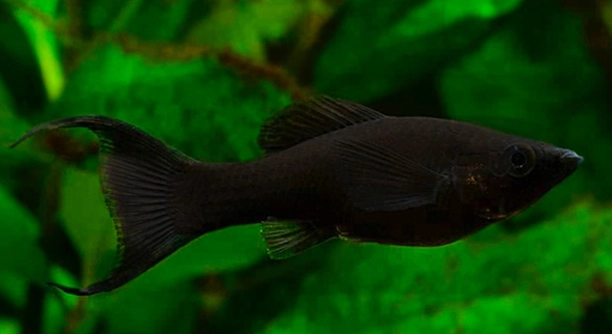
Do you ever notice your black molly moving in unusual ways around the tank and start wondering why it rubs against the gravel at times in your aquarium setup during its daily swimming routine.
Black mollies typically rub against gravel due to irritation from external parasites, declining water quality, or heightened stress levels. This behavior indicates environmental imbalance that needs timely correction to restore stable tank conditions and protect the fish’s long term health.
Understanding this behavior helps you maintain a calmer environment for your black molly and encourages healthier habits within its routine.
Common Reasons for Rubbing Behavior
Rubbing behavior in black mollies often connects to conditions inside the tank that affect their comfort, and addressing these factors early helps keep your fish safe. Parasites such as ich or flukes can cause irritation that leads your molly to scrape against gravel in an attempt to find relief. Poor water quality is another major factor because elevated ammonia, nitrite, or nitrate levels can irritate the skin and gills. Stress from overcrowding, inconsistent temperatures, or sudden changes in the environment also encourages this rubbing habit. When these issues occur together, your molly reacts physically by rubbing as a way to cope. Observing the pattern and frequency of this behavior can help you spot problems sooner and act before your fish becomes fully distressed. Careful monitoring and consistent tank maintenance create a more stable home that allows your molly to move comfortably without unnecessary irritation or discomfort in its daily routine.
Early detection makes solving rubbing behavior much easier because it stops mild irritation from turning into a more serious health problem. Regular checks of water parameters, observation of swimming patterns, and quick responses to visible stress signs allow your molly to stay comfortable and maintain steady behavior within the tank.
Maintaining good water quality remains one of the most effective ways to prevent rubbing behavior in black mollies. Regular water changes, proper filtration, and stable temperature control provide a cleaner and calmer environment. When water remains balanced, the fish experiences less irritation and shows fewer stress reactions that lead to rubbing actions. Monitoring ammonia and nitrate levels helps prevent sudden spikes that can affect sensitive skin. Keeping the tank free of overcrowding also improves comfort because each fish has enough space to swim freely. When these basic care steps become routine, your molly can thrive without showing signs of distress.
How Environmental Factors Influence Behavior
Black mollies respond quickly to environmental changes, and rubbing behavior often appears when something in the tank shifts in a way that affects their comfort. Stable temperature, consistent lighting, and a balanced feeding routine help reduce irritation and support healthier swimming patterns for your molly in its daily activities regularly.
Creating a stable tank environment is essential when you want to stop rubbing behavior from continuing or becoming more frequent. A consistent maintenance routine supports the delicate balance your molly depends on for comfort. Start with weekly water changes that remove waste and keep ammonia and nitrate levels low. Make sure your filter runs effectively without clogging, since proper circulation helps maintain clarity and oxygenation. Temperature stability is equally important because sudden fluctuations can cause stress that triggers rubbing. Use a reliable heater and thermometer to keep the water within the ideal range for black mollies. Feeding habits also influence overall comfort, so avoid overfeeding and remove leftovers before they decay and impact water quality. Providing hiding spots and adequate swimming space reduces tension among tank mates, which lowers stress levels even further. When all these elements work together, your aquarium becomes a calmer place where your molly can swim comfortably without reacting to irritants. Consistency remains the key factor because sudden adjustments or neglect can quickly shift stable conditions into stressful ones that encourage rubbing. Staying attentive to small changes helps you act early and keep your molly healthy while maintaining a clean and stable environment every single day.
Health Issues to Watch For
Rubbing can signal early health concerns that need attention, especially when paired with other symptoms. White spots, frayed fins, rapid breathing, or flashing against objects suggest irritation that should not be ignored. Taking note of small changes helps you react quickly before the problem affects your molly more seriously.
Parasites such as ich, flukes, or skin worms commonly trigger rubbing and can spread quickly if left untreated. Spotting symptoms early helps you choose the right treatment before the issue escalates. Clean water, proper quarantine practices, and timely medication create a safer environment and reduce the stress that encourages this behavior. Monitoring fish interactions and avoiding overcrowding also helps prevent situations where parasites thrive. Careful observation ensures you catch early signs and protect your molly before discomfort worsens. When these health concerns are handled promptly, your fish can return to normal swimming patterns without unnecessary irritation.
Fungal or bacterial infections can also cause rubbing when the skin becomes irritated or inflamed by harmful organisms. These infections often appear as patches, redness, or uneven texture across the body. Immediate action with appropriate treatments prevents the spread and keeps your molly from continued discomfort. Maintaining clean water and avoiding sudden environmental changes support healing by reducing stress on the immune system. Ensuring your molly has a stable habitat gives it the strength needed to fight infections effectively. Staying consistent with routine care keeps these issues from returning and helps your fish remain comfortable.
Adjustments That Help Reduce Rubbing
Small changes to the tank improve your molly’s comfort and reduce rubbing behavior more effectively than you might expect. Stable temperature control, clean water, proper space, and reliable filtration give your fish a balanced environment that minimizes irritation and prevents stress from building over time.
Regular maintenance keeps your molly’s tank in healthier condition and reduces the factors that cause rubbing to appear. Keeping ammonia and nitrate levels low allows your fish to breathe easily, while consistent temperature prevents sudden stress reactions. A good filter helps maintain circulation and cleanliness, and removing leftover food keeps waste from building up unnecessarily. Adding plants or gentle hiding places gives your molly space to move calmly without feeling pressured by tank mates. Careful feeding habits, routine water testing, and steady cleaning support the overall stability your molly depends on. When these adjustments become part of your regular care, rubbing behavior decreases naturally and your molly enjoys a more comfortable home.
When Rubbing Becomes a Serious Concern
Rubbing becomes more concerning when paired with rapid breathing, repeated hiding, or refusal to eat. These changes suggest discomfort that needs quick attention to prevent further stress. Watching behavior closely helps you act before the issue becomes too difficult for your molly to manage.
Persistent rubbing combined with visible marks, sores, or clamped fins indicates an underlying problem that requires treatment. Identifying the cause early prevents the condition from spreading or worsening. Prompt care, clean water, and close monitoring help your molly recover and return to calmer, healthier behavior.
Behavioral Signs That Need Immediate Attention
Sudden bursts of erratic swimming, gasping near the water’s surface, or repeated attempts to scratch against every surface signal significant distress. These behaviors usually point to irritation caused by parasites, toxins, or poor water quality. Quick testing and targeted treatment help stabilize the tank and protect your molly from ongoing discomfort.
How Tank Mates Influence Stress
Tank mates that nip fins or dominate space can increase rubbing by creating a stressful atmosphere. Ensuring compatible species and providing enough room helps reduce tension and encourages calmer behavior. Keeping the environment balanced supports your molly’s comfort and prevents unnecessary rubbing.
Why is my black molly rubbing the gravel?
Black mollies rub the gravel when they feel irritation on their skin or fins. This behavior usually points to issues like parasites, poor water quality, or stress. When a molly scrapes against surfaces, it’s trying to relieve discomfort. Observing how often and when this happens can help identify the cause.
Can water quality really affect rubbing behavior?
Yes, water quality plays a major role in your molly’s comfort. High ammonia, nitrite, or nitrate levels can irritate their skin and gills. Hard or inconsistent water parameters can also create stress, making rubbing more frequent. Regular testing, partial water changes, and proper filtration reduce these risks.
Are parasites the main reason for rubbing?
Parasites like ich, flukes, or skin worms are common triggers for rubbing behavior. They cause itching and discomfort, so the fish scratches against gravel or decorations. Early identification and treatment are important because parasites can spread quickly and worsen if ignored.
How do I know if rubbing is caused by stress?
Stress-related rubbing occurs when environmental conditions are unstable. Overcrowding, aggressive tank mates, sudden temperature changes, or inconsistent lighting can increase tension. Stress may also appear alongside erratic swimming, hiding, or loss of appetite. Stabilizing these factors often reduces rubbing behavior.
Should I treat rubbing with medication immediately?
Not always. If the rubbing is due to stress or minor water issues, treatment isn’t necessary. First, correct water parameters and improve tank conditions. Medication should only be used if parasites or bacterial/fungal infections are confirmed. Overuse can harm your molly and disrupt the tank balance.
Can diet influence rubbing behavior?
A poor or unbalanced diet can weaken your molly’s immune system, making them more prone to irritation or infections. Feeding high-quality food and avoiding overfeeding helps maintain strong health. Nutrient-rich diets support the skin and overall resistance to parasites and disease.
How can tank setup prevent rubbing?
Providing adequate space, hiding spots, and smooth decorations reduces rubbing. Avoid rough or sharp gravel that can worsen skin irritation. Proper filtration, gentle water flow, and stable temperature also help mollies feel secure, minimizing stress-induced rubbing.
Is frequent rubbing always a serious problem?
Not always, but repeated or intense rubbing often indicates an underlying issue. Occasional scraping may happen during normal exploration or cleaning behavior, but persistent rubbing should be addressed quickly. Watching for additional signs like sores, white spots, or clamped fins helps determine urgency.
Can rubbing be a sign of fin or skin damage?
Yes, rubbing can indicate damaged fins or irritated skin. Even minor scratches can lead to further scraping if left untreated. Ensuring clean water, smooth surfaces, and prompt care prevents worsening injuries and allows recovery without persistent discomfort.
How long does it take for rubbing behavior to stop?
Once the cause is identified and corrected, rubbing may stop within a few days to a week. Water changes, parasite treatments, stress reduction, and environmental improvements all contribute. Consistent monitoring ensures the behavior does not return and keeps your molly healthy.
Does rubbing affect other fish in the tank?
It can, especially if parasites or poor water quality are involved. Other fish may develop similar irritation or stress responses. Maintaining cleanliness, quarantining new arrivals, and treating infected fish promptly protects the entire tank community.
Are there long-term effects if rubbing continues?
Persistent rubbing can lead to skin infections, fin damage, and increased stress. Chronic stress also weakens the immune system, making mollies more susceptible to disease. Addressing causes early prevents long-term health issues and supports a calmer, healthier aquarium environment.
What preventive steps should I take?
Regular water testing, partial water changes, careful feeding, proper tank size, and compatible tank mates all reduce rubbing behavior. Quarantining new fish and inspecting for parasites helps maintain overall health. Consistent care prevents irritation, stress, and potential disease before it starts.
Can rubbing ever be harmless?
Occasional rubbing may be harmless if it occurs during normal exploration or mild cleaning behavior. However, repeated or vigorous rubbing is almost always a sign of irritation. Monitoring context and frequency ensures that any concerning patterns are caught early.
How do I track improvement after making changes?
Observe swimming patterns, rubbing frequency, appetite, and overall activity. Reduced rubbing, improved energy, and healthy appearance indicate positive response. Keep a simple log of water parameters and treatments to track the effect of interventions and maintain long-term stability.
Is quarantine necessary for affected mollies?
Quarantine is recommended if parasites, infections, or unusual rubbing behavior are observed. Separating affected fish prevents spreading disease and allows focused treatment in a controlled environment. Even mild symptoms benefit from temporary isolation to reduce stress on the main tank.
Can rubbing behavior return after treatment?
Yes, it may return if the underlying cause isn’t fully addressed. Parasites can reappear, water quality may decline, or stress factors may persist. Maintaining preventive measures and monitoring the tank regularly helps keep rubbing behavior from coming back.
Does rubbing indicate pain in black mollies?
Rubbing suggests discomfort rather than acute pain. Fish instinctively scrape to relieve irritation caused by parasites, poor water, or stress. While it isn’t a direct expression of pain like in mammals, ignoring it can lead to worsening conditions that affect well-being.
How often should I check the tank to prevent rubbing?
Daily observation is ideal for spotting early signs of irritation or stress. Weekly water testing, combined with routine maintenance, helps keep conditions stable. Early detection allows prompt corrections before rubbing becomes a serious problem.
Are there natural remedies that help with rubbing?
Some natural remedies, like adding aquarium salt in recommended amounts or using certain herbal treatments, can reduce irritation from minor parasites or mild stress. Always research proper dosages and compatibility to avoid harming your molly or the tank ecosystem.
When should I consult a veterinarian?
Consult a vet if rubbing persists despite improved water conditions, proper diet, and environmental adjustments. Severe infections, persistent parasites, or unexplained behavioral changes require professional evaluation to ensure correct diagnosis and treatment.
Does age affect rubbing behavior?
Younger mollies may rub more frequently due to delicate skin or sensitivity to environmental changes. Older fish can also show rubbing if stress or health issues develop. Monitoring all age groups helps prevent irritation from turning into a chronic problem.
Can tank size influence rubbing?
Yes, overcrowded tanks increase stress and competition for space, leading to rubbing. Ensuring enough room for swimming and hiding reduces tension and allows mollies to explore without irritation. Proper stocking density is essential for minimizing rubbing behavior.
Is rubbing more common in certain types of mollies?
Black mollies, like other livebearers, show this behavior when stressed or irritated. While not exclusive to them, factors like sensitive skin, water conditions, and tank dynamics make certain mollies more prone to rubbing than others. Regular care helps prevent it across all types.
How do I differentiate normal cleaning from problematic rubbing?
Normal cleaning is gentle, brief, and occasional. Problematic rubbing is frequent, intense, and often paired with other signs of stress or irritation. Observing patterns, tank conditions, and the fish’s overall health helps determine whether intervention is needed.
What long-term care reduces rubbing risk permanently?
Maintaining clean water, stable temperatures, proper filtration, compatible tank mates, balanced diet, and regular monitoring reduces long-term rubbing risk. Consistent preventive care ensures your black molly remains comfortable, healthy, and less likely to develop repeated irritation or stress behaviors.
Rubbing behavior in black mollies is a common sign that something in their environment needs attention. While occasional rubbing can happen during normal exploration, repeated or intense scraping usually points to irritation caused by parasites, water quality issues, or stress. Observing the behavior closely and taking note of any other signs, such as clamped fins, rapid breathing, or loss of appetite, helps determine whether the problem is minor or requires intervention. Identifying the root cause is the first step in ensuring that your molly remains healthy and comfortable. Small changes in the tank environment, careful monitoring, and timely treatment often resolve the issue without long-term consequences. Paying attention to these behaviors is not only about preventing physical harm but also about reducing stress, which plays a significant role in overall fish health.
Maintaining proper water quality is one of the most effective ways to reduce rubbing behavior. Regular testing of ammonia, nitrite, and nitrate levels, combined with consistent water changes, provides a clean and safe environment for your molly. Temperature stability is equally important, as sudden fluctuations can increase stress and lead to scraping against gravel or decorations. Filtration that maintains good circulation and clarity, along with adequate swimming space and hiding areas, allows your molly to feel secure in its habitat. Diet also plays a role, as a balanced and nutrient-rich feeding routine strengthens the immune system and supports skin health. By addressing all these factors together, the likelihood of rubbing behavior decreases, and your molly can swim freely without discomfort. Routine care and attention prevent small issues from escalating into larger health problems over time.
In addition to water quality and diet, observing tank dynamics and behavior patterns is critical. Aggressive tank mates or overcrowding can cause stress, prompting rubbing as a coping mechanism. Providing compatible species, adequate space, and quiet areas helps mollies feel calm and reduces unwanted scraping. When parasites or infections are present, timely identification and proper treatment are essential to prevent long-term damage. Even minor irritations should be addressed promptly, as repeated rubbing can lead to fin damage or skin infections. Consistent observation, preventive care, and a stable environment allow your black molly to maintain normal swimming patterns and a healthier, more comfortable life. Paying attention to these details ensures that your aquarium remains a safe and stable home for your fish, preventing future issues and supporting their well-being.

Hello,
If you enjoy the content that we create, please consider saying a "Thank You!" by leaving a tip.
Every little bit helps us continue crafting quality advice that supports the health, happiness, and well-being of pets around the world, for pets of all shapes, sizes, and species.
We really appreciate the kindness and support that you show us!