
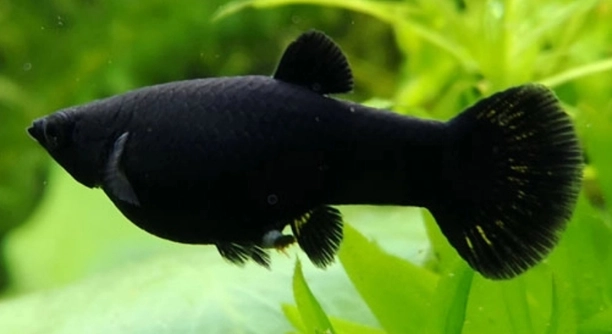
Are your Black Mollies showing unusual behavior or changes in appearance lately? Observing your fish closely can help you notice small differences that may indicate discomfort or stress in their daily routines and movements.
Black Mollies exhibit signs of pain through changes in behavior, coloration, and activity levels. Common indicators include lethargy, loss of appetite, clamped fins, irregular swimming patterns, and physical symptoms such as lesions or bloating, all of which require careful attention.
Recognizing these signs early can improve your Black Molly’s well-being and prevent further health complications in your aquarium environment.
Changes in Swimming Behavior
Black Mollies that are in pain often swim differently than usual. They may hang near the bottom of the tank, stay in one corner, or float at the surface. Erratic movements, such as darting suddenly or spinning in circles, can also indicate discomfort. Observing their swimming patterns closely over several days can help identify consistent changes that may point to health issues. Mollies are naturally active and social fish, so any deviation from normal behavior is a sign worth noting. Pain may cause them to avoid other fish or hide more often, making their activity level noticeably lower. Maintaining a quiet and stable tank environment can help reduce stress and make it easier to spot unusual behavior. Paying attention to details like fin movement, swimming speed, and positioning in the tank is essential for early detection of problems and timely intervention.
Monitoring how your Black Molly moves helps detect early signs of illness or injury before symptoms worsen.
Observing swimming patterns provides a clear picture of the fish’s overall health. Healthy Black Mollies swim smoothly, interact with their environment, and maintain steady positions. When pain is present, changes are subtle at first, such as reduced speed or shorter bursts of activity. Over time, these alterations become more pronounced, including repeated attempts to balance, tilting, or resting on the substrate. Environmental factors like water quality, temperature, and tank size can amplify these behaviors. Noticing these patterns allows you to act quickly, improving recovery chances. A careful log of daily behavior can help you distinguish between normal variations and signs of distress. Adjusting tank conditions, offering hiding spaces, and consulting with a veterinarian experienced in fish care can address underlying issues effectively. Swimming behavior is one of the clearest indicators of a Black Molly’s discomfort, making consistent observation a key part of care.
Loss of Appetite
A Black Molly in pain often eats less or ignores food entirely. Appetite changes are among the first visible signs of discomfort or illness.
Loss of appetite can result from internal health problems, stress, or environmental changes. When a fish stops eating, it may become weak and more vulnerable to disease. Causes include digestive issues, parasites, injuries, or poor water quality. Observing feeding patterns carefully helps identify which fish are affected and when intervention is needed. Small adjustments, like offering favorite foods in smaller portions or adjusting water conditions, can encourage eating. Persistent appetite loss requires prompt attention from an aquatic veterinarian. Tracking feeding habits alongside other symptoms, such as unusual swimming or fin clamping, provides a clearer understanding of the problem. Early detection allows for targeted treatment, helping your Black Molly regain strength and maintain overall health. Ensuring consistent feeding schedules, proper nutrition, and a stress-free environment supports recovery and prevents further complications from prolonged hunger or malnutrition.
Clamped Fins
Clamped fins are a clear sign your Black Molly may be experiencing discomfort. When fins are held tightly against the body instead of spreading naturally, it usually indicates stress, illness, or physical pain.
Fins are essential for swimming, balance, and communication in Black Mollies. When a fish clamps its fins, it reduces movement and may struggle to navigate the tank properly. This behavior can result from poor water quality, parasites, bacterial infections, or internal issues. Continuous observation of fin posture, along with other symptoms like lethargy or loss of appetite, helps identify the severity of the problem. Adjusting water conditions and ensuring a calm environment can reduce stress.
Clamped fins often appear alongside other signs such as hiding, color changes, or erratic swimming. Immediate action, such as testing water parameters, isolating the fish if necessary, and providing proper nutrition, can improve recovery chances. Monitoring the tank regularly and keeping records of behavior changes allows for timely interventions. Focusing on both prevention and early treatment helps maintain long-term fin health and overall well-being.
Unusual Color Changes
Fading or darkening of a Black Molly’s color often signals pain or illness. These changes are usually gradual and can be subtle at first.
Color changes can result from stress, infection, poor water quality, or internal health issues. Black Mollies typically maintain a rich, consistent color, so any dulling, blotching, or uneven darkening should be taken seriously. Environmental stressors like sudden temperature shifts or chemical imbalances can also trigger these changes. Observing the fish daily helps detect problems early. Adjusting lighting, maintaining stable water conditions, and offering a nutritious diet support natural coloration.
Persistent color changes often coincide with behavioral alterations, such as hiding, loss of appetite, or sluggish swimming. Identifying the underlying cause quickly is crucial to prevent further health deterioration. Conducting water tests, reviewing diet, and inspecting for signs of disease, including fin damage or skin lesions, can clarify the issue. In some cases, professional consultation is necessary to treat infections or internal problems effectively. Corrective steps, like improving water quality and reducing stress, typically restore coloration and overall vitality.
Hiding More Than Usual
When a Black Molly starts hiding frequently, it often indicates discomfort or pain. Spending extended time in corners, plants, or decorations suggests the fish is trying to escape stress or avoid interacting with other tank mates.
Hiding can be triggered by illness, injury, or poor water conditions. A fish that usually swims openly but retreats consistently should be observed closely. Providing gentle lighting, stable water parameters, and minimal disturbances can help reduce stress while you identify the cause.
Rapid Gill Movement
Rapid or labored gill movement is a sign your Black Molly may be struggling to breathe properly. It can indicate pain, stress, or underlying health issues affecting respiration.
Gill movement increases when oxygen levels are low, water quality is poor, or there is an internal infection. Observing this symptom alongside changes in behavior, appetite, or coloration can help pinpoint the issue. Ensuring proper filtration, aeration, and regular water testing is essential to prevent complications. Quick response to breathing difficulties improves the fish’s chance of recovery.
Physical Damage
Visible injuries such as torn fins, sores, or swelling can indicate your Black Molly is in pain. Physical damage often results from fighting, accidents, or infection.
Monitoring these injuries is crucial for treatment. Clean water and careful observation prevent worsening conditions and support healing.
How can I tell if my Black Molly is in pain?
You can often tell if a Black Molly is in pain by closely observing its behavior, appearance, and activity levels. Signs include hiding more than usual, clamped fins, erratic swimming, loss of appetite, unusual color changes, rapid gill movement, and visible physical damage. Consistent observation over several days helps differentiate normal variations from true distress. Keeping a log of daily behavior can also highlight subtle changes.
What should I do if my Black Molly shows clamped fins?
Clamped fins usually indicate stress, illness, or physical discomfort. Check water quality, including temperature, pH, and ammonia levels, as poor conditions often cause this behavior. Ensure the tank is calm and quiet, reducing sudden movements or loud noises. Monitor for other symptoms like lethargy, loss of appetite, or unusual swimming, as these can help identify underlying causes. Providing proper nutrition and maintaining a stable environment often helps the fins return to normal.
Why is my Black Molly hiding constantly?
Frequent hiding is a common stress or pain response. Fish often retreat to corners, plants, or decorations to feel safer. Causes include illness, injury, changes in tank conditions, or aggressive tank mates. Ensure the water is clean, temperature is stable, and the fish has adequate hiding spaces. Observing interactions with other fish and monitoring for physical symptoms can help determine the reason. Reducing environmental stress supports recovery and encourages normal activity.
What causes rapid gill movement in Black Mollies?
Rapid or labored gill movement is typically related to breathing difficulties. Low oxygen levels, poor water quality, high ammonia or nitrite concentrations, and infections can trigger this symptom. Watch for accompanying signs like lethargy, clamped fins, or loss of appetite. Increasing aeration, performing partial water changes, and ensuring proper filtration often improve gill function. If the problem persists, consulting an aquatic veterinarian may be necessary.
How do I manage loss of appetite in my Black Molly?
Loss of appetite can indicate internal issues, stress, or environmental problems. Offer small portions of high-quality food to see if the fish responds. Check water parameters and maintain stable conditions. Monitor for additional symptoms like hiding, color changes, or fin damage. Persistent appetite loss requires intervention, including isolation if necessary, treatment for infections, and careful observation to prevent further health decline.
Can unusual color changes mean my Black Molly is in pain?
Yes, fading or darkening of a Black Molly’s color is often a sign of stress, illness, or internal discomfort. Color changes may be gradual or patchy. Monitor for behavioral changes, feeding patterns, and fin posture. Improving water quality, minimizing stress, and offering a nutritious diet can help restore natural coloration. Persistent changes should be evaluated by a professional to address potential infections or internal issues.
What steps should I take if I notice physical damage?
Physical damage, such as torn fins, sores, or swelling, often indicates injury, disease, or aggression from other fish. Keep the tank clean and monitor water quality to prevent infection. Isolate injured fish if necessary and provide a safe environment for recovery. Minor injuries may heal with proper care, but severe or persistent wounds may require veterinary treatment. Observation and early intervention are crucial to prevent worsening conditions.
How can I prevent pain in Black Mollies?
Preventing pain involves maintaining clean, stable water conditions, providing a balanced diet, and reducing stress from overcrowding or aggressive tank mates. Regular observation of behavior and appearance allows early detection of potential issues. Quarantining new fish before introducing them helps prevent disease. A well-maintained tank, proper nutrition, and careful monitoring are essential to keep Black Mollies healthy and comfortable.
When should I consult a professional?
Consult a professional if you notice persistent clamped fins, loss of appetite, rapid gill movement, unusual color changes, or physical injuries that do not improve. A veterinarian experienced with fish can diagnose infections, parasites, or internal health problems and recommend targeted treatments. Early consultation often prevents severe complications and increases recovery chances.
How long does it take for a Black Molly to recover from pain or illness?
Recovery time varies depending on the underlying cause, severity of symptoms, and response to treatment. Minor stress or environmental issues may resolve in a few days with improved water quality and care. Infections or injuries may require weeks, along with targeted treatment and isolation. Consistent monitoring and proper care significantly improve recovery outcomes.
This FAQ section provides clear guidance for identifying, managing, and preventing pain in Black Mollies, helping ensure their long-term health and well-being.
Caring for Black Mollies requires careful attention to their behavior, appearance, and environment. These small, active fish rely on clean water, stable temperatures, and proper nutrition to stay healthy. Paying close attention to subtle changes in swimming patterns, coloration, or appetite can help identify early signs of pain or illness. When a Black Molly begins hiding more than usual, shows clamped fins, or changes its color, these are signals that something may be wrong. Observing the fish daily and noting any differences from normal behavior is essential for preventing minor problems from becoming serious health issues. Maintaining a calm and stress-free tank environment, with proper filtration and sufficient space, supports the fish’s overall well-being. Small adjustments, like adding plants or decorations for hiding spaces and ensuring consistent feeding routines, can make a noticeable difference in reducing stress and encouraging natural activity.
Prompt action is important when signs of pain appear. Rapid gill movement, loss of appetite, and visible physical damage are all indicators that your Black Molly may need immediate care. Checking water quality, including ammonia, nitrite, nitrate levels, and pH, should always be the first step, as poor conditions often contribute to stress and illness. Minor injuries can sometimes heal on their own with proper tank care, but persistent or severe symptoms should be addressed quickly. Isolating affected fish, providing proper nutrition, and maintaining a clean, stable tank environment help improve recovery chances. Consulting a veterinarian with experience in aquatic health may be necessary in cases of internal infections, parasites, or ongoing distress. Acting early prevents complications and increases the likelihood that your fish will return to normal behavior, swim actively, and regain its natural coloration. Regular observation combined with preventive care creates a stronger foundation for long-term health.
Prevention is always better than treatment. Ensuring a balanced diet, stable water conditions, and a well-maintained tank reduces the risk of pain and illness. Introducing new fish only after quarantine, monitoring water parameters consistently, and avoiding overcrowding help prevent stress-related problems. Understanding the normal behavior and needs of Black Mollies allows for quicker detection of unusual changes, making it easier to address issues before they escalate. By observing behavior patterns, such as feeding habits and social interactions, owners can catch subtle signs that indicate discomfort early. Over time, a proactive approach to care builds confidence in maintaining a healthy aquarium and promotes a thriving environment for Black Mollies. These steps ensure that your fish are not only safe from harm but also able to exhibit natural behaviors, swim actively, and enjoy a stress-free environment, supporting their overall well-being and longevity.

Hello,
If you enjoy the content that we create, please consider saying a "Thank You!" by leaving a tip.
Every little bit helps us continue crafting quality advice that supports the health, happiness, and well-being of pets around the world, for pets of all shapes, sizes, and species.
We really appreciate the kindness and support that you show us!