
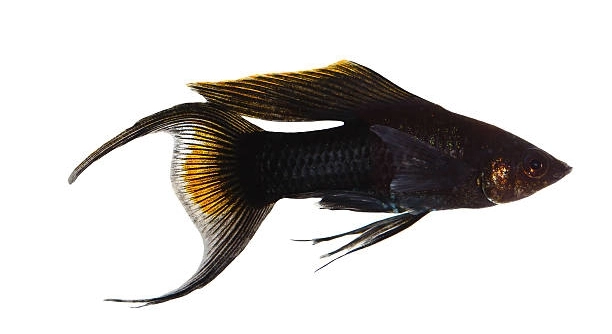
Is your black molly staying still after a meal? Observing your fish can be both relaxing and puzzling, especially when their behavior changes unexpectedly. Even small changes in activity can signal something important about their health.
The primary reason a black molly may remain still after eating is due to natural digestion. After consuming food, mollies often reduce movement to conserve energy while their body processes nutrients efficiently, which is a normal physiological response.
Monitoring your molly’s behavior closely after meals helps maintain its health and ensures you can address any irregularities promptly. Understanding these patterns will improve your overall aquarium care routine.
Understanding Post-Meal Stillness in Black Mollies
After eating, black mollies often remain still as part of their natural digestion process. Their metabolism slows slightly, allowing them to process nutrients efficiently without expending unnecessary energy. This behavior is most noticeable after larger meals or when the fish has eaten a particularly protein-rich portion. Observing this stillness is normal, and it typically lasts for a few minutes to half an hour, depending on the size and age of your molly. Stress, water temperature, and tank conditions can also influence how long your fish remains inactive after feeding. Young or newly introduced mollies may appear more restless, but adult mollies often prefer a period of calm after eating. Ensuring proper tank conditions and avoiding overfeeding will help your mollies maintain healthy digestion. Keeping an eye on activity levels after meals allows you to distinguish between normal behavior and signs of potential health concerns.
This stillness is generally harmless and indicates normal digestive behavior in black mollies.
Some mollies may rest near plants or decorations, giving them a sense of security. Others prefer open water, depending on their comfort and energy levels. Monitoring patterns helps maintain their overall well-being.
When Stillness Signals a Problem
Prolonged inactivity can indicate health issues such as digestive blockages, constipation, or swim bladder problems, requiring closer attention.
If your black molly remains still for extended periods after feeding, several factors might be responsible. Overfeeding is a common issue, causing bloating and difficulty swimming. Inadequate water quality, including high ammonia or nitrite levels, can stress fish and reduce activity. Temperature fluctuations may slow metabolism or affect appetite, further contributing to stillness. Parasitic infections or bacterial illnesses can also make your molly lethargic, especially if accompanied by other symptoms like clamped fins, faded coloration, or unusual swimming patterns. Observing these signs early allows for timely intervention and treatment. Regular maintenance of tank conditions, proper feeding routines, and careful monitoring of fish behavior are essential to prevent prolonged inactivity. Consulting a vet or aquatic specialist can provide guidance if abnormal stillness persists despite optimal tank care. Recognizing the difference between normal post-meal resting and problem-related stillness is key to ensuring the health and longevity of your mollies.
Feeding Habits and Their Impact
Black mollies may appear still after eating due to their feeding habits. Eating too quickly or consuming large amounts at once can make them pause to digest and recover energy before swimming actively again.
Overfeeding can lead to bloating and slowed movement. Mollies often nibble throughout the day, and a sudden large meal can strain their digestive system. Feeding smaller portions multiple times daily helps regulate digestion and prevents lethargy. Watching how your molly eats provides insight into how much is appropriate for its size and activity level.
Food type also matters. High-protein flakes or frozen foods can require more energy to digest, causing temporary inactivity. Balancing diet with vegetable matter ensures smoother digestion. Adjusting portion size and meal frequency can keep mollies active and healthy after eating.
Tank Conditions Affecting Activity
Poor water quality can directly impact your molly’s post-meal activity. Ammonia, nitrite, or nitrate spikes stress fish, making them less active and more prone to resting after feeding.
Stable temperature and clean water are essential. Mollies thrive in slightly alkaline water between 24–28°C. Sudden changes in pH or temperature slow metabolism and increase stillness. Filtration should maintain clarity without creating strong currents that tire the fish. Regular water changes and testing help maintain a safe environment.
Decorations and hiding spots influence comfort. Mollies may choose to rest near plants or rocks after feeding. Providing gentle lighting and calm areas reduces stress. Monitoring tank conditions consistently ensures mollies digest properly and maintain consistent activity.
Signs of Normal Resting
Black mollies often rest quietly after a meal without showing distress. They may hover in one spot or move minimally as digestion takes place, which is a natural and healthy behavior.
Watching for consistent patterns helps identify what is normal. Mollies usually return to their usual activity within a short time, signaling proper digestion and comfort in their environment.
Common Health Concerns
Persistent stillness beyond the typical post-meal period can indicate health issues. Digestive blockages, swim bladder problems, or internal infections may cause lethargy, bloating, or unusual swimming. Observing additional symptoms such as color changes or clamped fins is crucial. Early detection allows timely treatment and prevents worsening conditions.
Adjusting Feeding Routines
Feeding smaller, more frequent meals supports proper digestion and reduces inactivity. Offering a balanced diet with plant-based and protein-rich foods ensures mollies stay healthy and active.
FAQ
Why is my black molly staying still after eating?
It is normal for black mollies to remain inactive after a meal. Digestion requires energy, so mollies often pause to conserve it. This behavior usually lasts from a few minutes to about half an hour, depending on how much they ate and their overall health.
Is it harmful if my molly stays still for a long time after eating?
Extended inactivity could signal a problem. Overfeeding, constipation, swim bladder issues, or water quality problems can make a molly lethargic. Observe for other symptoms like bloating, faded color, or clamped fins. If these appear, corrective action or a vet consultation may be needed.
How can I tell the difference between normal resting and illness?
Normal resting occurs shortly after eating and mollies return to regular activity quickly. Illness-related stillness is persistent, sometimes combined with unusual swimming patterns, lack of appetite, or visible physical changes. Tracking behavior over time helps identify unusual patterns.
What should I do if my molly looks bloated?
Bloating can result from overfeeding or digestive issues. Reduce portion sizes, feed smaller amounts more frequently, and avoid high-protein foods in excess. If bloating continues, consider fasting the fish for a day or two and offering easily digestible foods like peas.
Can water temperature affect activity after feeding?
Yes. Mollies are sensitive to temperature changes. Water that is too cold slows metabolism, causing inactivity after meals. Keeping the tank between 24–28°C supports digestion and maintains normal activity levels. Sudden changes in temperature should be avoided to prevent stress.
How often should I feed my black molly?
Feeding two to three small portions per day is ideal. Overfeeding can cause bloating and lethargy, while underfeeding may reduce energy. Providing a mix of flake, frozen, or live food along with vegetable matter keeps mollies healthy and active.
Can tank size influence post-meal stillness?
Yes. Smaller or overcrowded tanks can stress mollies, making them less active after eating. Adequate space allows free swimming and reduces competition for food, helping mollies digest comfortably and stay healthier overall.
Are there signs that indicate swim bladder issues?
Mollies with swim bladder problems may float awkwardly, struggle to maintain position, or tilt to one side. Post-meal stillness combined with these signs suggests a digestive or internal problem that may require dietary adjustments or veterinary advice.
Does the type of food affect how still a molly gets after eating?
High-protein foods or dense flakes may take longer to digest, leading to temporary inactivity. A diet that balances protein with plant matter supports smoother digestion and more consistent activity levels after meals.
When should I seek professional help?
If your molly remains inactive beyond the usual resting period, shows bloating, faded color, clamped fins, or unusual swimming, professional guidance is recommended. Early intervention ensures long-term health and prevents serious complications.
Can stress make mollies stay still after eating?
Yes. Stress from aggressive tank mates, sudden lighting changes, or poor water conditions can reduce activity. Providing hiding spots, gentle lighting, and stable water quality can help mollies feel secure and maintain normal post-meal movement.
How can I prevent lethargy after feeding?
Maintaining proper tank conditions, feeding appropriate portions, and providing a balanced diet are key. Monitoring activity and water parameters regularly helps detect issues early, keeping mollies active and healthy throughout the day.
Are younger mollies more active after eating than adults?
Generally, younger mollies are more energetic and may resume swimming sooner after meals. Adult mollies often prefer resting for a short period to digest food efficiently, reflecting natural energy conservation behaviors.
Does light or time of day affect molly activity?
Mollies are more active during daylight hours. After feeding, they may rest briefly, especially in dimmer light. Consistent lighting schedules help regulate activity and digestion patterns, supporting overall well-being.
Can supplements or vitamins help digestion?
Occasional dietary supplements can aid digestion and overall health, but overuse is unnecessary. A varied diet with vegetables and high-quality flakes or frozen foods usually meets nutritional needs and prevents post-meal lethargy.
Black mollies staying still after eating is often a normal part of their digestive process. After consuming food, these fish naturally slow down to allow their bodies to process nutrients efficiently. This period of inactivity can vary depending on the size of the meal, the age of the fish, and the type of food consumed. Mollies that eat quickly or have a high-protein diet may require more time to digest, leading to longer periods of stillness. Observing these resting patterns can help you understand what is typical for your fish and ensure that their behavior does not signal an underlying health concern. Small pauses in activity are generally harmless and indicate that your fish is digesting properly, conserving energy, and maintaining a balanced metabolic state. Recognizing the difference between normal post-meal stillness and signs of stress or illness is crucial to providing proper care and maintaining a healthy aquarium environment.
Maintaining appropriate feeding routines and tank conditions plays a significant role in supporting healthy digestion and activity levels. Overfeeding can cause bloating and slow movement, while underfeeding may reduce energy levels, making it harder for mollies to stay active after meals. Feeding smaller portions multiple times a day is often more effective than giving a single large meal. Providing a varied diet that combines flake foods, frozen or live protein sources, and plant matter ensures proper nutrition and smoother digestion. Tank conditions, including stable water temperature, clean water, and proper pH levels, also influence post-meal behavior. Mollies may remain still if water quality is poor or if the temperature is too low, as their metabolism slows under stress or unfavorable conditions. Consistently monitoring water parameters and fish behavior helps prevent problems and supports the overall health of the fish.
It is also important to pay attention to unusual behavior that could indicate health issues. Prolonged inactivity, bloating, clamped fins, faded coloration, or erratic swimming patterns are signs that something may be wrong. Early intervention, whether through dietary adjustments, water quality improvements, or consultation with an aquatic specialist, can prevent more serious complications. Providing adequate space, hiding spots, and gentle lighting can reduce stress and encourage mollies to resume normal activity after feeding. By observing patterns and responding to changes thoughtfully, you can maintain a healthy, balanced environment for your black mollies. Understanding their behavior allows for better care, helping them stay active, comfortable, and healthy in their tank.

Hello,
If you enjoy the content that we create, please consider saying a "Thank You!" by leaving a tip.
Every little bit helps us continue crafting quality advice that supports the health, happiness, and well-being of pets around the world, for pets of all shapes, sizes, and species.
We really appreciate the kindness and support that you show us!