
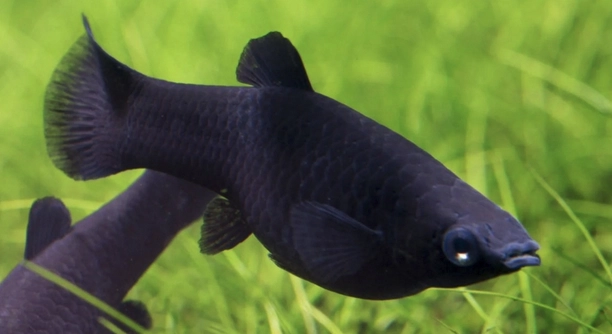
Do you ever notice your Black Molly swimming more slowly than before and wonder if age is catching up with them? Observing small changes in their behavior and appearance can reveal their stage of life.
As Black Mollies age, they exhibit physical signs such as faded coloration, slower movement, and changes in fin structure. Behavioral shifts, including reduced activity, altered feeding patterns, and decreased social interactions, also indicate advancing age in these freshwater fish.
Recognizing these signs early can help you adjust care routines and ensure your fish stay comfortable and healthy throughout their later years.
Faded Coloration
Over time, Black Mollies tend to lose their vibrant black shade, often appearing duller or patchy. This change can be subtle at first, noticeable only when compared to younger fish or under bright aquarium lighting. Faded coloration is usually a normal sign of aging rather than illness. Nutrition plays a role, too; a diet lacking in certain nutrients may accelerate color loss. Environmental stress, such as fluctuating water temperature or poor water quality, can also contribute. Older Mollies might be less able to maintain their pigmentation because their metabolism slows down. While they may still be healthy and active, the visual change is often the first noticeable sign of aging. Observing your fish regularly allows you to distinguish between natural aging and potential health problems. Simple adjustments like adding color-enhancing foods and maintaining stable water conditions can help older Mollies look their best.
Faded coloration is a common indication of aging in Black Mollies, reflecting natural metabolic changes and potential environmental influences that affect pigmentation.
Maintaining a balanced diet with occasional live or frozen foods, along with stable water parameters, can help reduce further color fading and support overall health.
Slower Swimming
Slower swimming is one of the most noticeable changes in aging Black Mollies. They may spend more time hovering or resting near plants and the bottom of the tank.
As Mollies age, their energy levels naturally decline. This decrease in activity is tied to slower metabolism and weakening muscles. Older fish may react more slowly to food or tank movement and can be less inclined to chase or explore compared to their younger counterparts. It’s important to provide them with a safe environment, free from aggressive tank mates that could stress or harm them. Ensuring oxygen-rich water and moderate currents helps them swim comfortably without overexertion. Adjusting feeding routines to smaller, more frequent portions accommodates their slower pace and helps prevent digestive issues. Regular observation allows you to notice gradual changes in behavior, distinguishing normal aging from potential illness. Supporting older Mollies with appropriate tank conditions can improve their quality of life.
Changes in Fin Shape
Older Black Mollies often develop fins that look frayed or uneven. The edges may appear slightly worn, and they may not spread their fins as fully as they did when younger.
Fins naturally degrade with age due to slower cell regeneration and minor wear from daily swimming. Fin deterioration can also result from interactions with tank decorations or other fish, but in older Mollies, it is usually gradual and not associated with disease. Maintaining clean water and avoiding sharp or rough decorations helps reduce additional stress on aging fins. Providing a calm environment allows older Mollies to maintain mobility without risking further damage. Even with some fin wear, they can continue swimming and feeding normally.
Regular observation is key. Noticing small changes in fin shape can help distinguish normal aging from potential infections or injuries. Adjusting tank conditions and minimizing stress supports fin health and the overall well-being of older Black Mollies.
Reduced Appetite
Older Mollies often eat less than they did in their youth. Their feeding habits may become slower, and they may ignore food they once eagerly pursued.
Metabolism slows as Mollies age, so they require less food to maintain body condition. Overfeeding can cause digestive problems, making careful portion control essential. Offering a variety of foods, including high-quality flakes, small pellets, or occasional live foods, encourages them to eat while providing balanced nutrition. Older Mollies may prefer softer foods that are easier to digest. It is important to monitor their eating patterns to ensure they are receiving adequate nutrients. Sudden appetite loss may signal illness, so consistent observation is necessary.
Providing smaller, frequent meals helps older Mollies maintain energy and health without overwhelming their slower digestion. Adjusting feeding practices to their needs can support long-term well-being and reduce stress in aging fish.
Less Active Swimming
Older Black Mollies tend to spend more time resting near plants or tank corners. Their movement is slower, and they may avoid sudden bursts of swimming that younger fish often display.
This reduced activity is a normal effect of aging. As metabolism slows, energy levels drop, and older Mollies become less curious or adventurous. They may stay in calmer areas of the tank, conserving energy while still interacting minimally with other fish. Observing their behavior helps distinguish natural aging from signs of illness.
Thinner Body Shape
As Mollies age, their bodies often appear slimmer and less robust. Muscle mass decreases, giving them a more delicate profile.
Cloudy Eyes
Older Black Mollies may develop cloudy or slightly hazy eyes. This is often due to natural aging processes affecting eye tissues.
FAQ
How can I tell if my Black Molly is really old or just sick?
Aging Mollies show gradual changes like faded coloration, slower swimming, thinner bodies, and slightly frayed fins. Illness often appears suddenly with additional symptoms such as clamped fins, rapid gill movement, or visible spots. Regular observation helps distinguish normal aging from disease.
Do older Mollies need a special diet?
Yes. Their slower metabolism means smaller, more frequent meals are better. Soft or easily digestible foods, along with occasional live or frozen foods, can improve nutrient intake. High-quality flakes or pellets still form the base of a balanced diet.
Can old Black Mollies still breed?
Breeding becomes less frequent as they age. Fertility decreases, and eggs or fry may be smaller or weaker. Some older Mollies may still produce healthy offspring, but success rates decline naturally with age.
How should I adjust tank conditions for aging Mollies?
Maintain stable water temperature, clean water, and moderate currents. Reduce stressful interactions with other fish and avoid rough decorations. Providing hiding spots and calm areas supports comfort and mobility.
Will their behavior change around other fish?
Older Mollies often become less social or competitive. They may retreat more, avoid chasing food, and let younger fish dominate. It’s normal for social dynamics to shift as energy levels decrease.
How long do Black Mollies typically live?
The average lifespan is around 3 to 5 years, though some may live slightly longer with excellent care. Proper diet, clean water, and a stress-free environment contribute to reaching their full lifespan.
Are cloudy eyes a problem?
Cloudy eyes usually result from aging, not disease. However, sudden cloudiness with other symptoms can indicate infection or poor water quality. Monitoring water parameters and general health can prevent complications.
Should I separate old Mollies from younger fish?
It’s not always necessary, but separating very old or fragile Mollies can prevent stress and accidental injuries. Gentle tank mates and a calm environment help older fish thrive without conflict.
Can I improve their appearance as they age?
Maintaining high water quality, feeding color-enhancing foods, and minimizing stress can help older Mollies retain some vibrancy. While aging naturally dulls color, supportive care makes them look healthier.
What are the most common health risks for older Black Mollies?
Slower metabolism, weakened immune systems, and fin wear increase vulnerability to infections and digestive issues. Regular observation, proper diet, and stable tank conditions reduce these risks significantly.
How do I know if an older Molly is in pain or discomfort?
Signs include lethargy beyond normal aging, refusal to eat, erratic swimming, and staying at the bottom or in corners excessively. Subtle changes may indicate discomfort, so consistent observation is crucial.
Is it okay for older Mollies to swim alone?
Yes. As activity declines, they may spend more time resting or hiding. Solitary swimming is natural for older fish and not necessarily a concern as long as they eat and move occasionally.
Can supplements help aging Black Mollies?
Supplements like vitamins or color enhancers can support health, but they are not a replacement for a balanced diet and proper tank care. Over-supplementing can cause harm, so moderation is key.
Do older Mollies need less frequent water changes?
No. Consistent water maintenance is critical at all ages. Older fish are sensitive to poor water quality, so regular cleaning, testing, and partial water changes ensure a healthy environment.
Will they recognize me as they age?
Older Mollies may become less reactive but can still recognize feeding routines and your presence. Their slower responses are due to energy decline rather than loss of memory.
Can I extend their lifespan with better care?
Proper care, including a balanced diet, clean water, stable conditions, and low stress, helps older Mollies live comfortably and potentially longer. While aging cannot be reversed, supportive care maximizes quality of life.
How do I handle an old Molly safely?
Handle them gently if necessary, using soft nets or hands wet with tank water. Avoid frequent handling, as older fish are more delicate and prone to injury. Minimizing stress is essential.
Are there signs of sudden decline I should watch for?
Rapid color loss, extreme lethargy, severe fin damage, or complete appetite loss can indicate serious illness. Quick intervention, such as water checks and consulting resources, can prevent worsening.
Is it normal for older Mollies to hide more?
Yes. Older fish often prefer calm, sheltered areas to conserve energy and avoid stress. Providing plants or quiet spaces helps them feel secure without isolating them completely.
How do I balance the tank for young and old Mollies?
Create areas for both energetic and slower fish. Gentle filtration, hiding spots, and feeding routines that allow older fish to eat without competition help maintain harmony in mixed-age tanks.
Black Mollies are charming fish, and watching them age is a natural part of keeping them. Over time, you will notice changes like slower swimming, faded coloration, frayed fins, and thinner body shapes. These signs are normal and usually not a cause for concern. Aging affects both their physical appearance and behavior, so understanding what to expect helps you care for them properly. While some changes can look dramatic, most older Mollies continue to swim, feed, and interact with their tankmates, just at a gentler pace. Recognizing the difference between normal aging and illness is key to keeping them comfortable in their later years.
Providing a supportive environment makes a big difference for older Mollies. Stable water conditions, clean tanks, and moderate currents reduce stress and allow them to swim safely without struggling. Adding hiding spots and plants gives them quiet areas to rest when they are less active. Diet is also important. Older Mollies need smaller, more frequent meals with soft, easily digestible food. Occasional live or frozen food can encourage eating while maintaining balanced nutrition. Avoid overfeeding, as their slower metabolism cannot handle large amounts at once. Regular observation of their behavior, appetite, and appearance helps you notice changes early and take steps to improve their comfort and health.
Even as they age, Black Mollies can live well for several years with proper care. Accepting the changes that come with age allows you to enjoy their company without unnecessary worry. Supporting their health through diet, environment, and gentle attention ensures they remain comfortable and active for as long as possible. Aging is natural, and seeing your fish live out their full lifespan can be rewarding. Simple adjustments, like monitoring water quality, providing nutritious food, and offering calm spaces in the tank, can greatly improve their quality of life. Caring for older Mollies is about patience, observation, and creating a stable environment where they can continue to thrive quietly and safely.

Hello,
If you enjoy the content that we create, please consider saying a "Thank You!" by leaving a tip.
Every little bit helps us continue crafting quality advice that supports the health, happiness, and well-being of pets around the world, for pets of all shapes, sizes, and species.
We really appreciate the kindness and support that you show us!