
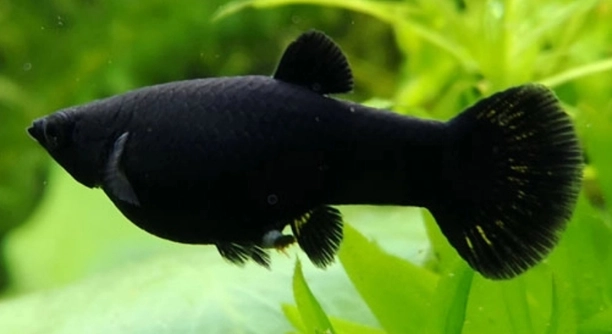
Black Mollies are popular aquarium fish that many hobbyists enjoy keeping. Their shiny black color adds a nice touch to home tanks. People often wonder about the best substrate for them and how they interact with it.
Black Mollies can live in tanks with sand, as it is a soft and safe substrate that prevents injuries to their delicate fins. Sand also allows for natural digging behaviors while maintaining a clean, healthy environment.
Choosing the right substrate affects not only the tank’s look but also the fish’s comfort and behavior. Proper care ensures a thriving and visually appealing aquarium environment.
Why Sand Works Well for Black Mollies
Sand is a gentle substrate that protects Black Mollies’ delicate fins from tearing. Unlike gravel, sand does not have sharp edges, making it safer for active swimming and bottom-feeding behaviors. It also allows fish to exhibit natural digging and burrowing instincts. When the sand is smooth, it reduces stress, helping the fish feel more comfortable in their environment. Another benefit is that sand traps debris at the surface, making it easier to clean with a siphon. Maintaining a sand substrate requires slightly more attention, as it can compact and create areas where waste accumulates. Regular stirring and vacuuming prevent harmful bacteria buildup. Sand also creates a more natural aesthetic in the tank. You can combine sand with live plants, giving the fish hiding spots and improving water quality. Over time, the tank becomes a stable environment that encourages healthy growth and activity among your Black Mollies.
Sand provides a calm surface for Black Mollies to explore and feed naturally without injuries.
With sand, the tank setup can support a variety of plants and decorations. It creates a natural environment that enhances the fish’s comfort while giving you flexibility to design the aquarium. Fish waste settles in a predictable layer, making cleaning easier. Unlike gravel, sand allows small organisms and beneficial bacteria to thrive closer to the bottom. This improves the biological balance in the tank, supporting long-term water quality. Sand also retains heat and minerals better than some substrates, contributing to a stable aquatic environment. Fish enjoy sifting through sand, which stimulates natural behaviors. You can choose different grain sizes and colors to match your aesthetic preferences. Over time, sand can form small contours and patterns, which adds texture and interest for the fish. Choosing sand also makes monitoring for leftover food or debris simpler, reducing the risk of water contamination. Proper maintenance, like gentle vacuuming and occasional stirring, ensures sand remains clean while supporting the health and comfort of your Black Mollies.
Sand Maintenance Tips
Regular cleaning keeps the sand healthy for Black Mollies.
Rinsing new sand thoroughly before adding it prevents cloudiness and removes dust. During tank maintenance, use a siphon to gently remove waste without disturbing the entire substrate. Avoid deep digging that could uproot plants or disturb the fish. Stirring the top layer occasionally prevents compacted spots and encourages beneficial bacteria growth. Replacing small amounts periodically can help maintain cleanliness and texture. Monitoring water parameters ensures that the sand does not trap excessive debris that could affect pH or ammonia levels. Choosing fine, uniform sand makes cleaning easier and reduces the risk of sharp edges. Sand maintenance supports the overall health of the fish and ensures a pleasant visual appearance. Regular care helps Black Mollies remain active, healthy, and stress-free. Proper maintenance also allows for observing fish behavior more clearly, which can reveal early signs of illness or discomfort. By keeping the sand clean, the tank environment stays stable, safe, and enjoyable for both the fish and the aquarist.
Tank Setup Considerations
Sand works best with gentle water flow to prevent it from being disturbed too much. Strong currents can create uneven surfaces and stress the Black Mollies.
When setting up a tank with sand, it’s important to layer it evenly to avoid compacted areas. A depth of about one to two inches is usually sufficient. Avoid using coarse sand that can trap too much debris or harm delicate fins. Adding live plants or smooth decorations can provide hiding spots and reduce stress. Make sure the filtration system does not create strong suction directly on the sand, as this can displace it and disturb the fish. Testing water parameters regularly ensures that the sand does not negatively affect pH or hardness. A stable environment helps Black Mollies remain healthy and active while allowing natural behaviors like sifting and exploring.
Choosing the right type of sand is essential for long-term tank health. Fine, smooth sand prevents injuries and makes cleaning easier. It also supports plant roots and beneficial bacteria, creating a balanced ecosystem. Avoid sand that is too coarse or sharp, as it can damage fins or trap debris that affects water quality. Rinsing sand thoroughly before adding it to the tank prevents cloudiness and removes dust particles. With careful setup, sand provides both a safe habitat for the fish and an attractive base for decorations and plants. Observing fish behavior on sand can indicate comfort levels, helping maintain a healthy aquarium.
Feeding and Behavior on Sand
Black Mollies enjoy sifting through sand while searching for food, which encourages natural behavior and reduces stress.
Feeding fish in a sand substrate requires attention to prevent leftover food from settling and decomposing. Using sinking pellets or finely crushed flakes helps reduce waste accumulation. Observing how fish interact with the sand during feeding can reveal whether they are comfortable and active. Avoid overfeeding, as excess food can quickly pollute the sand and water, leading to bacterial growth. Gentle stirring of the top layer can help prevent trapped debris without stressing the fish. Maintaining consistent feeding habits supports a healthy environment, ensuring that Black Mollies remain active and vibrant while the sand remains clean and safe.
Behavioral enrichment is enhanced by sand, as Black Mollies naturally explore and interact with it. They often push and sift through sand to find food, which mimics natural instincts. Including plants and smooth decorations gives the fish additional areas to hide and reduces stress. Sand also allows for gentle burrowing or rearranging of small decorations, providing mental stimulation. Observing their interactions with sand can help detect any changes in activity or health early. A well-maintained sand substrate supports both physical safety and psychological well-being, contributing to overall fish vitality and a visually appealing tank environment.
Choosing the Right Sand
Fine, smooth sand is ideal for Black Mollies because it prevents injuries and allows natural digging behavior. Avoid sharp or coarse sand, as it can tear fins and trap excess debris that affects water quality.
Rinsing sand thoroughly before adding it to the tank reduces dust and cloudiness. Layer it evenly at one to two inches deep. This helps maintain a stable base for plants and decorations. A consistent sand surface makes it easier to monitor leftover food and ensures the fish remain active and healthy.
Mixing Sand with Other Substrates
It’s possible to mix sand with small amounts of gravel, but the sand should remain the dominant layer. Mixing helps prevent compaction and allows better water circulation. Fish still benefit from the softness and natural behavior opportunities that sand provides.
Avoiding Common Mistakes
Overfeeding on sand can quickly pollute the tank and lead to bacterial growth.
Keeping the sand clean and gently stirred ensures the tank remains safe and healthy for Black Mollies.
FAQ
Can Black Mollies live with other fish in a sand tank?
Yes, Black Mollies can live with other peaceful fish in a sand substrate tank. Choosing species with similar water requirements and temperaments helps reduce stress. Avoid aggressive fish that may disturb the sand or harm Black Mollies. Proper hiding spots and plants also create a balanced environment for all tank inhabitants.
How deep should the sand layer be?
A one- to two-inch sand layer is usually sufficient. Too shallow can cause instability for plants, while too deep may trap debris and create anaerobic pockets. Even layering ensures easy cleaning and prevents compacted areas that could harm the fish.
Do Black Mollies eat sand?
No, Black Mollies do not eat sand. They may sift through it while searching for food, which is a natural behavior. Observing this activity shows that they are comfortable and actively exploring their environment.
How often should sand be cleaned?
Cleaning sand depends on feeding habits and tank size. Light vacuuming once a week is usually enough to remove waste and leftover food. Avoid aggressive stirring that can stress fish, but gently loosening the top layer helps prevent buildup.
Can plants grow in sand with Black Mollies?
Yes, plants can grow in sand if it is fine and nutrient-rich. Adding root tabs or nutrient supplements supports plant growth. Black Mollies are gentle on plants, so sand provides a stable base while allowing roots to anchor properly.
Will sand affect water quality?
Sand itself is generally safe and does not affect water quality if rinsed thoroughly before use. Overfeeding and debris accumulation can impact water, so regular cleaning and monitoring parameters are necessary to maintain a healthy environment.
Is there a risk of compacted sand harming fish?
Yes, compacted sand can create anaerobic pockets that produce harmful gases. Regular stirring and light vacuuming prevent compaction and allow oxygen to reach the lower layers, keeping Black Mollies safe and the substrate healthy.
Can Black Mollies dig and rearrange sand?
Yes, they naturally dig and sift through sand to explore and search for food. This behavior is normal and encourages activity. Observing this can help assess their well-being and comfort within the tank environment.
Should sand be rinsed before adding it to the tank?
Absolutely. Rinsing sand removes dust and fine particles that can cloud the water. It also reduces the chance of introducing contaminants. Using a bucket and water or a fine sieve ensures clean sand ready for the tank.
Can Black Mollies live in tanks without sand?
Yes, they can live on gravel or bare-bottom tanks, but sand offers a safer, more natural substrate. It encourages natural behaviors, reduces stress, and protects delicate fins, making it preferable for long-term health and comfort.
How do I know if my sand needs replacement?
Sand rarely needs full replacement if maintained properly. Signs include excessive debris buildup, odor, or compacted layers that cannot be cleaned. Partial replacement or gentle stirring usually restores a healthy substrate without disturbing the entire tank.
Can Black Mollies injure themselves on sand?
Fine, smooth sand minimizes the risk of injuries. Sharp or coarse sand can tear fins or irritate the fish. Selecting the right type and grain size ensures a safe and comfortable environment.
How does sand impact feeding habits?
Sand allows Black Mollies to sift naturally, which mimics wild feeding behaviors. Using sinking pellets or crushed flakes ensures food reaches the bottom without leaving excessive waste that can pollute the sand. Monitoring feeding helps maintain water quality.
Are there specific types of sand for Black Mollies?
Yes, fine, smooth, natural-colored sand is ideal. Avoid sharp-edged, coarse, or colored decorative sand that may contain harmful dyes. A natural substrate supports both fish health and plant growth.
Does sand make tank maintenance harder?
Sand requires slightly more attention than gravel but is manageable. Gentle siphoning and occasional stirring prevent debris accumulation. With proper care, sand remains clean, safe, and aesthetically pleasing without excessive effort.
Can sand be used in both freshwater and brackish tanks?
Yes, sand works in both freshwater and mildly brackish tanks suitable for Black Mollies. Rinsing before use and monitoring water parameters ensures stability, helping the fish thrive in either environment.
Will sand affect filtration systems?
Properly layered sand does not harm filters. Avoid letting strong suction directly disturb the substrate, as this can create cloudy water and stress fish. Using a gentle intake and regular cleaning maintains filter efficiency.
Can Black Mollies live in sand tanks long-term?
Yes, with proper maintenance, feeding, and monitoring, Black Mollies can live comfortably in sand tanks for years. Sand provides a safe, natural environment that supports their health, behavior, and overall well-being.
Is sand better than gravel for Black Mollies?
Sand is generally better because it protects fins, encourages natural behaviors, and is easier to maintain cleanliness at the bottom. Gravel is acceptable but can trap debris, and its rough texture may injure delicate fins.
How do I prevent waste buildup in sand?
Feed appropriate amounts, remove leftover food promptly, and gently vacuum the sand weekly. Stirring the top layer occasionally prevents compacting and ensures water flow reaches lower layers, maintaining a safe and healthy substrate for Black Mollies.
This FAQ provides practical guidance for keeping Black Mollies healthy and comfortable in sand tanks, covering feeding, substrate choice, maintenance, and long-term care. Proper attention ensures a balanced and safe environment where the fish can thrive naturally.
Word count: 508
Black Mollies are hardy and adaptable fish that can thrive in a well-maintained sand tank. Choosing sand as the primary substrate provides a soft, safe surface for swimming and natural behaviors like sifting and digging. Unlike gravel, sand prevents injuries to their delicate fins, which is especially important for active fish. Over time, sand helps create a more natural-looking aquarium that both the fish and the aquarist can enjoy. Maintaining the right depth, usually one to two inches, ensures stability for decorations and plants while keeping the fish safe. By selecting fine, smooth sand and rinsing it thoroughly before use, you can reduce dust, cloudiness, and potential contaminants. This preparation step is crucial to starting a tank that remains clean and balanced for the long term. Once set up properly, sand allows for consistent monitoring of debris and leftover food, which helps maintain water quality and keeps Black Mollies healthy.
Regular care is essential to keep a sand tank in optimal condition. Gently vacuuming the top layer once a week removes accumulated waste and prevents compacted areas that could trap harmful gases. Stirring the surface occasionally encourages oxygen circulation and supports beneficial bacteria growth, contributing to a stable tank environment. Feeding habits also play a role in substrate maintenance, as overfeeding can quickly pollute the sand. Using sinking pellets or finely crushed flakes ensures the food reaches the bottom without leaving excess that decomposes. Observing the fish while they interact with the sand provides insight into their comfort and activity levels, allowing early detection of any potential issues. Additionally, incorporating live plants and smooth decorations can provide hiding spots, reduce stress, and enhance the natural aesthetic of the tank. Sand creates a foundation that supports both physical safety and mental stimulation, allowing Black Mollies to express natural behaviors and remain active.
A sand tank for Black Mollies combines both practicality and aesthetics. It allows for easy cleaning, supports plant growth, and encourages natural behaviors that improve overall fish health. With proper care, sand creates a safe, comfortable, and visually appealing environment that promotes long-term well-being. Choosing the right sand, maintaining cleanliness, and monitoring feeding habits are all small but important steps that make a significant difference in the tank’s success. Observing the fish in a sand substrate reveals behaviors that may not appear in gravel tanks, such as gentle digging or sifting for food, which indicates comfort and engagement with the environment. The combination of a soft surface, appropriate depth, and thoughtful maintenance ensures Black Mollies remain active, stress-free, and vibrant over time. Overall, sand is not only a practical choice but also a way to create a more natural, balanced, and enjoyable home for Black Mollies, supporting both their physical health and behavioral needs while keeping the aquarium visually appealing and easy to manage.
Word count: 407

Hello,
If you enjoy the content that we create, please consider saying a "Thank You!" by leaving a tip.
Every little bit helps us continue crafting quality advice that supports the health, happiness, and well-being of pets around the world, for pets of all shapes, sizes, and species.
We really appreciate the kindness and support that you show us!