
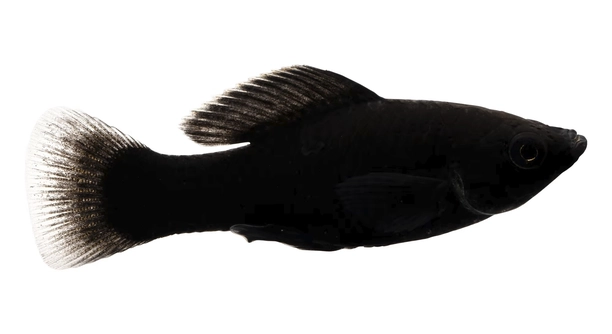
Have you ever noticed your Black Molly tank looking cloudy, even though you thought everything was fine? Hazy water can appear quickly and make the tank feel less clean, affecting both the fish and the overall tank environment.
Hazy water in Black Molly tanks is usually caused by a combination of factors including overfeeding, poor filtration, bacterial blooms, decaying plant matter, sudden water changes, high levels of dissolved organics, and inadequate maintenance routines. These factors collectively reduce water clarity.
Understanding the main causes of hazy water will help you maintain a healthier tank and keep your Black Mollies thriving. Clear water is not just about appearance, but also about the well-being of your fish.
Overfeeding Your Black Mollies
Overfeeding is one of the main reasons Black Molly tanks become cloudy. When too much food is added, the fish cannot consume it all, and leftover particles begin to decompose in the water. This decomposition releases nutrients that encourage bacterial growth, which often appears as a white or gray haze. Even a small overfeed can affect water clarity if repeated over time. It is better to feed small portions twice a day than a large amount once. Removing uneaten food after a few minutes helps prevent buildup. Overfeeding also affects fish health, leading to obesity, swim bladder problems, and weaker immune systems. Observing your fish while they eat helps you understand how much food is appropriate. Different sizes of Black Mollies may require different amounts, so adjusting portions as the fish grow is important. A consistent feeding routine keeps both water clarity and fish health in check.
Small, measured feeding prevents hazy water and keeps your fish healthy.
Feeding should be controlled based on observation, ensuring the fish consume food within a few minutes. Removing leftovers prevents bacteria growth. Over time, maintaining this routine will lead to clearer water and more active fish. Consistency in feeding also reduces stress for Black Mollies, improving their overall behavior and appearance in the tank. Watching how the fish respond to food helps tailor portion sizes to their needs, and small adjustments can make a big difference in water quality. Implementing a careful feeding schedule avoids recurring water cloudiness and supports long-term tank stability, providing a cleaner and healthier environment.
Poor Filtration
A weak or clogged filter can allow particles and waste to accumulate, causing water to appear hazy. Proper filtration removes debris and maintains chemical balance, which is essential for clear water.
Filters must be chosen based on tank size, fish load, and flow preference to function effectively.
Filtration is crucial for maintaining a healthy Black Molly tank. Mechanical filtration traps visible debris like uneaten food, plant particles, and fish waste. Biological filtration helps break down ammonia and nitrites produced by waste, reducing the risk of toxic buildup and cloudy water. Chemical filtration, using activated carbon or other media, can absorb dissolved organics that contribute to haze. Cleaning or replacing filter media regularly ensures that the filter remains efficient. A strong water flow distributes oxygen evenly, which supports beneficial bacteria. Without adequate filtration, even minor waste can accumulate, affecting both water clarity and fish health. A well-chosen filter matched to tank size and fish activity keeps the water clean, reduces the need for frequent water changes, and promotes a stable, safe environment for Black Mollies to thrive.
Bacterial Blooms
Bacterial blooms occur when beneficial or harmful bacteria multiply quickly, often causing cloudy water. They usually appear as a white, gray, or green haze. Overfeeding, new tank setup, or excess nutrients can trigger this rapid growth, temporarily reducing water clarity in Black Molly tanks.
Bacterial blooms are common in newly established tanks where the nitrogen cycle is still stabilizing. Even in older tanks, sudden changes like overfeeding or water additions can fuel bacterial growth. These bacteria feed on leftover food, waste, and dissolved organics, creating a visible haze. Although usually harmless, blooms can stress fish if oxygen levels drop due to dense bacterial activity. Maintaining a proper cleaning schedule, avoiding overfeeding, and allowing the filter to function efficiently helps control these blooms. The water often clears naturally as the bacteria stabilize, but consistent monitoring is essential.
Sometimes, blooms appear despite regular maintenance because nutrient levels spike unexpectedly. Removing excess waste and performing partial water changes can accelerate recovery. Testing water parameters ensures ammonia, nitrite, and nitrate levels remain safe. Balancing feeding and cleaning routines helps prevent repeated blooms. Patience is key, as bacterial blooms often resolve within a few days, allowing the Black Mollies’ environment to return to clarity without harming the fish or disrupting the tank’s natural processes.
Decaying Plant Matter
Decaying plant matter adds organic material that clouds the water and encourages bacteria. Dead leaves, stems, or uprooted plants release nutrients, making the tank hazy and affecting overall water quality.
Regularly trimming and removing decaying plants prevents buildup and supports clear water.
When plant material breaks down, it releases organic compounds that bacteria consume, leading to cloudy water. This process can also reduce oxygen levels, especially if decay is extensive. Removing dead plant parts promptly minimizes this effect and maintains a healthy tank ecosystem. Some plants naturally shed leaves, so regular observation is necessary. Using a gravel vacuum can help remove decomposing debris from the substrate. Healthy plants improve water quality by absorbing nutrients, but neglected plants contribute to haziness and stress for Black Mollies. Balancing plant care and cleanup routines ensures a visually clean tank while supporting the fish and microbial balance.
Sudden Water Changes
Sudden water changes can shock the tank environment and temporarily cloud the water. Adding too much new water at once disturbs beneficial bacteria and unsettles debris, causing a noticeable haze in Black Molly tanks.
Gradual water changes prevent this problem. Replacing 20–30% of the tank water at a time maintains stability and helps fish adjust.
High Levels of Dissolved Organics
Dissolved organics come from fish waste, leftover food, and decaying matter. When these compounds accumulate, they reduce water clarity and can encourage bacterial growth. Regular water testing and partial changes help keep these levels low, maintaining a clearer tank environment for Black Mollies.
Inadequate Maintenance
Skipping routine cleaning allows waste and debris to build up, clouding the water and stressing fish.
Consistent maintenance, including siphoning the substrate, cleaning the filter, and checking water quality, prevents haze and supports healthy Black Mollies.
FAQ
Why is my Black Molly tank cloudy even though I feed the right amount?
Even with careful feeding, leftover food can accumulate in hidden spots or settle in the substrate. Over time, bacteria break down these particles, creating a temporary haze. Filters may also struggle to remove fine debris, so consistent cleaning and partial water changes are necessary to maintain clear water.
How often should I change water in my Black Molly tank?
Partial water changes of about 20–30% every one to two weeks help maintain water quality. Frequent large water changes can shock fish and disrupt beneficial bacteria, while irregular changes allow waste and dissolved organics to build up, both leading to cloudy water.
Can new tanks naturally become cloudy?
Yes, new tanks often experience “new tank syndrome.” Beneficial bacteria are still establishing, and small amounts of waste or leftover nutrients can trigger bacterial blooms. Cloudiness usually resolves on its own as the nitrogen cycle stabilizes, but monitoring water parameters is essential.
Does overstocking contribute to hazy water?
Overstocking increases waste production, overwhelming filters and causing a buildup of ammonia, nitrites, and organic matter. Even if the tank looks balanced, too many fish can reduce oxygen levels and lead to cloudy water. Maintaining a proper fish-to-tank ratio is crucial.
How does plant decay affect water clarity?
Dead or decaying plants release nutrients that bacteria consume, creating haze. Removing dead leaves, trimming dying stems, and vacuuming the substrate help prevent excessive organic buildup, keeping water clear and maintaining a healthier environment for your Black Mollies.
Can poor filtration cause long-term cloudiness?
Yes, weak or clogged filters fail to remove debris and dissolved organics efficiently. Mechanical, biological, and chemical filtration all work together to maintain clarity. Regular cleaning, replacing media when needed, and ensuring the filter matches the tank size are essential for preventing persistent haze.
Are cloudy tanks harmful to Black Mollies?
Short-term cloudiness from bacterial blooms is usually harmless if water parameters remain safe. Prolonged hazy conditions can reduce oxygen levels, increase stress, and make fish more susceptible to disease. Monitoring ammonia, nitrite, and nitrate levels is critical to prevent health issues.
Do sudden water changes cause cloudiness?
Yes, replacing too much water at once disturbs settled debris and beneficial bacteria, temporarily clouding the tank. Gradual water changes help maintain balance while keeping the environment stable for the fish.
Can cloudy water return to clear naturally?
Often, yes. With proper maintenance, feeding control, and a stable filter, bacterial blooms and dissolved organics gradually settle. Patience is required, as some haze can last a few days before the tank clears.
Is it safe to use chemical water clarifiers?
Water clarifiers can bind particles, making them easier for filters to remove. They may help in temporary situations, but they do not address underlying causes like overfeeding, poor filtration, or decaying plants. Long-term solutions rely on consistent care and monitoring.
How do I prevent recurring cloudy water?
Regular maintenance, controlled feeding, proper filtration, and monitoring water parameters are key. Removing decaying plants, vacuuming the substrate, and avoiding overstocking help maintain clarity. Consistency is more effective than quick fixes for keeping a healthy and visually clear Black Molly tank.
What signs indicate a bacterial bloom versus harmful algae?
Bacterial blooms usually appear white or gray and cause general haze without distinct growth patterns. Algae often show green or bluish coloration, forming layers on surfaces or floating in clumps. Proper light management, nutrient control, and cleaning routines help prevent both issues.
Can stress from hazy water affect fish behavior?
Yes, cloudy water can reduce visibility and oxygen levels, causing Black Mollies to swim erratically or hide more often. Maintaining clear water and stable parameters ensures the fish remain active and healthy, reducing stress-related behavior.
Does substrate type influence water clarity?
Certain substrates like fine sand or poorly rinsed gravel can trap debris, contributing to cloudiness. Choosing the right substrate and cleaning it thoroughly before adding water can reduce sediment buildup and improve overall water clarity.
How long does it take for water to clear after resolving the cause?
Depending on the cause, water can clear in a few hours to several days. Bacterial blooms often settle in 2–3 days, while decaying plant matter or excess nutrients may require multiple water changes and cleaning sessions. Patience and consistent care are essential.
Maintaining a clear Black Molly tank takes consistent care and attention. Hazy water is often a sign that something in the tank needs adjustment, whether it is feeding, filtration, or routine maintenance. Small changes in daily habits can make a noticeable difference in water clarity. Overfeeding, for example, is easy to do without realizing it. Fish may not eat all the food you provide, leaving particles behind that bacteria quickly break down. These particles can make the water look cloudy and affect water quality. Observing how your Black Mollies eat and removing uneaten food promptly can prevent this problem. Feeding smaller portions more frequently rather than a large amount at once helps maintain balance and avoids waste buildup.
Filtration plays a major role in keeping a tank clear. A properly sized and maintained filter removes debris and promotes the growth of beneficial bacteria that break down harmful compounds. When filters are weak, clogged, or not suitable for the tank size, water clarity suffers. Mechanical filtration removes visible particles, biological filtration converts toxic waste into safer compounds, and chemical filtration helps reduce dissolved organics that can cause haze. Cleaning or replacing filter media as recommended keeps the system efficient and supports a healthy tank environment. Even if the water looks clear, failing to maintain filtration can allow small amounts of waste and organics to build up over time, eventually causing cloudiness.
Other factors, such as decaying plant matter, bacterial blooms, and sudden water changes, also contribute to hazy water. Dead or dying plants release nutrients that bacteria feed on, leading to temporary cloudiness. New tanks or recent changes in water can trigger bacterial blooms as the ecosystem adjusts. Partial water changes done gradually help prevent shocking the fish or disturbing beneficial bacteria. Regular observation, testing water parameters, and removing decaying matter ensure the tank remains stable. Maintaining clear water is not only about appearance but also about creating a safe, healthy environment for Black Mollies. With careful attention and a consistent routine, it is possible to reduce or eliminate cloudy water and provide a balanced habitat where your fish can thrive.

Hello,
If you enjoy the content that we create, please consider saying a "Thank You!" by leaving a tip.
Every little bit helps us continue crafting quality advice that supports the health, happiness, and well-being of pets around the world, for pets of all shapes, sizes, and species.
We really appreciate the kindness and support that you show us!