
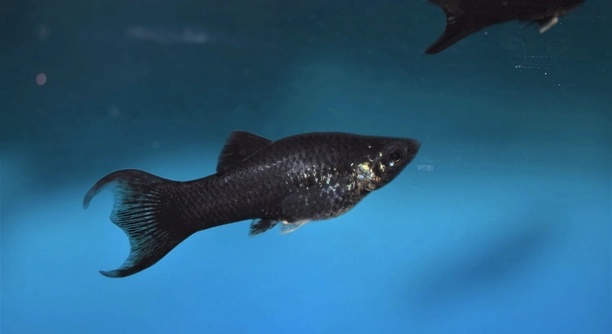
Black Mollies are small, lively fish that brighten home aquariums with their active swimming and shiny scales. Their behaviors, even during rest, can be fascinating to observe for both new and experienced fish owners.
Black Mollies do not fully close their eyes when they sleep. Like many fish, they have a protective eyelid structure that keeps their eyes partially open, allowing them to remain aware of surroundings while resting, which is a natural adaptation for survival.
Observing these resting habits can help you better care for your fish and ensure their environment supports healthy behavior.
Understanding Black Molly Sleep Patterns
Black Mollies are light sleepers, resting in short intervals rather than long periods. Even when they appear still, their fins often make subtle movements. Their eyes remain partially open as a natural defense, allowing them to detect potential threats. Most Black Mollies find comfort near plants or decorations where they can hide if startled. Tank lighting can affect their sleep cycle, with dimmed lights helping them rest more naturally. Water quality also plays a role, as clean, well-maintained tanks promote calm behavior. Observing your fish regularly helps you notice normal patterns versus unusual activity. Stress from overcrowding or sudden changes can disturb their rest, making them more active at odd times. Feeding schedules influence energy levels, so consistent feeding encourages regular rest. Mollies often shift positions while sleeping, reflecting their instinct to stay alert. Providing stable, low-stress conditions ensures they maintain these natural sleep behaviors and remain healthy over time.
Partial observation of sleep gives insight into their health and overall comfort in the tank.
Monitoring rest patterns allows you to make small adjustments, like rearranging plants or adjusting lighting, to improve their well-being.
Creating a Comfortable Environment
A calm environment encourages Black Mollies to rest more naturally.
Tank decorations like plants, rocks, and caves offer secure spots for resting. They prefer areas where they feel shielded from strong currents and bright lights. Keeping the water temperature steady helps them relax, as fluctuations can cause stress and disrupt sleep. Frequent water changes maintain cleanliness, reducing irritants that might keep them alert. Feeding smaller amounts multiple times a day prevents overfeeding, which can disturb their activity and rest. Observing their favorite resting spots helps you identify ideal tank layouts. Minimal disturbances during nighttime, such as avoiding tapping on the glass or moving the tank, also contribute to better rest. Even small details, like gentle filtration flow, create a stable environment that supports natural sleep behaviors. Ensuring these factors are in place promotes healthier, calmer fish that display more natural movements and consistent energy levels. Regular attention to these details allows for long-term care that benefits both the fish and the overall tank balance.
Common Misunderstandings About Black Molly Sleep
Many people assume Black Mollies fully close their eyes when resting, but this is not accurate. Their partially open eyes are normal and help them stay alert to surroundings. Recognizing this prevents unnecessary concern about their health or behavior.
Black Mollies’ sleep patterns differ from mammals. They remain semi-alert and shift positions frequently while resting. Their eyes staying partially open is an evolutionary trait for protection. Sudden movements or changes in the tank can easily wake them. Understanding these behaviors helps you interpret activity levels correctly. Ignoring these details might lead to misjudging their well-being or altering tank conditions unnecessarily. Consistent observation is key to knowing what is typical for your fish.
It is also important to consider tank dynamics. Overcrowding or aggressive tank mates can increase stress, affecting sleep. Adequate hiding spaces and calm environments allow Mollies to rest safely. Their sleep is brief and light, so disturbances can have a noticeable effect. Proper care ensures they maintain natural behaviors.
Signs of Healthy Sleep
Healthy Black Mollies show subtle fin movement and occasional repositioning during rest.
A fish that rests lightly without unusual twitching, rapid gill movement, or prolonged lethargy is typically healthy. Consistent feeding habits, stable water conditions, and proper tank structure all contribute to their natural sleep patterns. Changes in environment or routine can disrupt rest and behavior. Observing them over time provides insight into normal versus concerning patterns, helping you maintain their health and well-being.
Factors Affecting Sleep
Lighting has a direct effect on Black Molly rest. Bright lights can make them more active, while dimmed or natural light helps them settle. Consistent light cycles mimic natural conditions, supporting healthier sleep habits and reducing stress in the tank environment.
Water temperature also influences sleep patterns. Cooler or fluctuating temperatures can cause restlessness, while stable temperatures promote calm behavior. Maintaining the recommended range ensures they remain comfortable and allows natural sleep cycles to continue without interruption.
Tank Layout and Rest
Plants and decorations offer security and resting spots for Black Mollies. Open areas can make them feel exposed, leading to restless behavior. Arranging the tank with hiding spaces supports natural sleep and reduces stress, helping the fish feel safe while resting.
Feeding and Sleep
Overfeeding can disturb sleep by increasing activity and water contamination. Providing measured portions and regular feeding times supports calm behavior and better rest.
FAQ
Do Black Mollies need complete darkness to sleep?
Black Mollies do not require complete darkness to rest. They naturally sleep with light levels varying slightly, and dim lighting is sufficient to signal nighttime. Sudden or harsh changes in brightness can startle them, so maintaining a gentle, consistent light cycle helps them relax and rest without stress.
How long do Black Mollies sleep each day?
Their sleep is light and intermittent, usually lasting a few hours in short stretches. Unlike mammals, they do not have a deep, continuous sleep period. Their rest is spread throughout the day and night, often coinciding with calmer moments in the tank when activity is lower and surroundings feel secure.
Can stressed Black Mollies stop sleeping properly?
Yes, stress can directly affect sleep. Overcrowding, aggressive tank mates, fluctuating water conditions, or sudden disturbances can make them more alert and reduce rest periods. Providing stable tank conditions, hiding spaces, and minimal disturbances ensures they maintain natural sleep patterns and recover from stress more effectively.
Is it normal for Black Mollies to move while sleeping?
Movement during sleep is normal. Fins, tails, and subtle body shifts are common as they remain semi-alert to detect changes in their environment. Light movements indicate they are comfortable and attentive, rather than being in distress or experiencing illness. Observing these behaviors helps you distinguish normal rest from abnormal activity.
Do Black Mollies react to noise while resting?
Yes, vibrations or loud sounds can wake them. Although they don’t hear like humans, they sense vibrations in water, which can startle or disrupt rest. Minimizing tapping, sudden water changes, or external disturbances during nighttime supports calmer sleep behavior. Creating a peaceful tank environment is key to reducing these reactions.
Can feeding schedules influence sleep?
Feeding routines impact their energy and rest cycles. Overfeeding or irregular schedules can lead to hyperactivity, digestive issues, and disrupted sleep. Consistent feeding times with small, measured portions help maintain energy balance and support regular rest patterns, keeping them healthy and calm.
Do water quality issues affect Black Molly sleep?
Absolutely. Poor water quality causes stress, increasing alertness and restlessness. High ammonia, nitrite, or nitrate levels, as well as inconsistent pH or temperature, can disturb sleep. Regular water testing and maintenance ensure they have a stable, clean environment conducive to natural rest behaviors.
How can I tell if my Black Molly is sleeping well?
Signs of healthy sleep include light fin movements, occasional repositioning, calm breathing, and regular activity cycles. Fish that remain alert, avoid unusual twitching, or appear lethargic may be experiencing stress or illness. Regular observation helps identify normal patterns versus potential problems early.
Do young Black Mollies sleep differently from adults?
Juveniles are more active and may rest less frequently, taking shorter naps throughout the day. Adults have slightly more predictable patterns but still maintain light, intermittent rest. Providing safe hiding areas and stable conditions is essential for both young and mature fish to support healthy sleep and development.
Can Black Mollies sleep in groups?
Yes, they often rest near each other for security. Group sleeping can reduce stress and help them feel safer, but overcrowding should be avoided. Ensuring sufficient space, plants, and hiding spots allows each fish to find comfort without competition, supporting healthy sleep habits in the tank.
Do they ever close their eyes fully?
Black Mollies rarely, if ever, close their eyes completely. Their partially open eyes are a natural adaptation to remain aware of surroundings while resting. This behavior is normal and not a sign of illness, allowing them to stay semi-alert and protected in the tank environment.
How do seasonal changes affect their sleep?
Changes in temperature or light duration can subtly influence sleep. Mollies may adjust resting periods according to environmental cues. Maintaining consistent tank conditions year-round reduces stress and helps preserve their natural sleep behavior, ensuring steady health and predictable daily activity.
Are there signs of abnormal sleep patterns?
Unusual behaviors, such as prolonged immobility, erratic swimming at night, rapid gill movement, or persistent hiding, indicate potential stress or illness. Observing these signs and checking water quality, tank conditions, and overall health helps identify issues early and maintain proper care.
Can tank decorations influence sleep quality?
Yes, hiding spaces, plants, and sheltered areas provide comfort and security, encouraging natural rest. Open, exposed areas can make Black Mollies feel vulnerable, reducing sleep quality. Thoughtful tank layout supports calmer behavior and more consistent rest, promoting overall well-being.
Is it normal for Black Mollies to nap at different times?
Yes, their sleep is fragmented and varies individually. Some may rest during the day, others at night. Observing these differences helps understand their behavior and ensures tank conditions meet the needs of all inhabitants, supporting healthy, natural sleep routines.
Can illness affect their sleep patterns?
Yes, sickness can cause restlessness or lethargy, disrupting normal patterns. Changes in behavior, appetite, or swimming combined with unusual rest can indicate health problems. Prompt attention to water quality, diet, and potential disease helps restore natural sleep and supports recovery.
Do male and female Black Mollies sleep differently?
Differences are subtle. Males may be slightly more active due to territorial or mating behaviors, while females tend to rest in more sheltered areas. Both require secure hiding spots and stable conditions for proper rest, but individual temperament also plays a role in sleep patterns.
How important is observation for sleep health?
Regularly watching their behavior provides insight into normal rest versus potential issues. Noting resting spots, activity levels, and reactions to environmental changes helps maintain a healthy tank and supports long-term well-being. Consistent observation is essential for ensuring natural sleep and detecting early signs of stress or illness.
Can Black Mollies adapt to tank changes quickly?
They can adjust, but abrupt changes in environment, lighting, or companions can temporarily disrupt sleep. Gradual introductions, consistent routines, and stable water conditions minimize stress and help them maintain regular sleep patterns, supporting overall health and comfort in the aquarium.
Black Mollies are small, active fish that bring life and color to any home aquarium. Understanding their behaviors, especially during rest, helps ensure they stay healthy and comfortable. Unlike mammals, their sleep is light, intermittent, and often occurs with their eyes partially open. This natural adaptation allows them to remain alert to their surroundings and detect potential threats. Observing them closely over time can help you recognize what is normal for their rest patterns, including subtle fin movements, occasional repositioning, and their preferred resting spots. By paying attention to these details, you can better support their well-being and make informed decisions about their care.
Maintaining a calm and stable environment is essential for supporting Black Molly sleep. Tank lighting, water temperature, and water quality all play important roles in how well they rest. Bright lights or sudden changes can make them more active, while consistent dim lighting helps them relax. Stable water temperature and clean, well-maintained conditions reduce stress and allow them to rest naturally. Providing hiding spots, such as plants, rocks, or other decorations, gives them a sense of security. Overcrowding or aggressive tank mates can disturb their rest, so giving each fish space and shelter is important. Regular feeding schedules with measured portions also contribute to calm behavior and help maintain their energy balance. Small, consistent efforts in tank management can make a noticeable difference in their sleep quality and overall health.
Observing Black Mollies over time is the best way to understand their sleep and behavior. Each fish may have slight variations in resting habits, with juveniles being more active and adults tending to settle in sheltered areas. Minor adjustments in tank layout, feeding, and lighting can improve their comfort and reduce stress. It is also important to watch for signs of unusual behavior, such as prolonged immobility, erratic swimming, or rapid gill movement, as these may indicate stress or illness. By ensuring a safe, stable, and well-maintained environment, you can support healthy, natural sleep cycles and overall well-being. Consistent observation, attention to environmental details, and thoughtful care help Black Mollies thrive, making them active, healthy, and visually engaging members of your aquarium.

Hello,
If you enjoy the content that we create, please consider saying a "Thank You!" by leaving a tip.
Every little bit helps us continue crafting quality advice that supports the health, happiness, and well-being of pets around the world, for pets of all shapes, sizes, and species.
We really appreciate the kindness and support that you show us!