
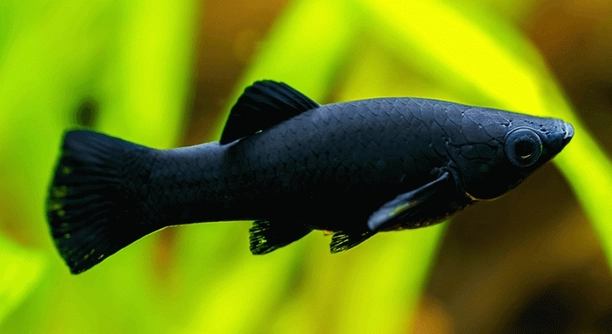
Do you ever notice your black molly swimming alone while other fish cluster together in the tank? These peaceful fish often need a little encouragement to feel comfortable bonding with their tank mates. Creating the right environment is key.
Black mollies form stronger social connections when their environment is stable, feeding is consistent, and interactions are gradual. Providing hiding spots, group introductions, and minimal stressors enhances bonding behavior and promotes a sense of security within the aquarium.
Learning small changes can make a big difference in your black molly’s social life. The following tips will help you nurture stronger connections among your fish.
Create a Comfortable Tank Environment
Black mollies thrive in a calm and well-maintained tank. Maintaining stable water temperature, proper pH levels, and gentle filtration helps reduce stress and encourages social behavior. Adding live plants, smooth decorations, and hiding spots gives them areas to explore and feel safe. Avoid sudden changes, such as rearranging décor or introducing aggressive fish, which can make them shy or withdrawn. Observing their swimming patterns daily helps you notice small shifts in behavior that may indicate discomfort. Soft lighting and minimal tank disturbances also contribute to a welcoming environment. Ensuring they have space to move freely allows mollies to interact naturally, build confidence, and form bonds over time. Overcrowding should be avoided, as it can lead to stress and aggression. Pairing compatible fish and providing peaceful tankmates encourages black mollies to remain active and social. A carefully arranged and stable tank supports both their physical health and social tendencies.
Creating a stable environment lets black mollies feel secure and begin interacting naturally with their tank companions.
A proper tank setup is essential for fostering healthy social connections. Mollies are sensitive to stressors like fluctuating water conditions or overcrowding. By maintaining clean water, steady temperature, and sufficient hiding spots, you create a safe space for them to explore. Gradually introducing new tankmates allows mollies to adapt without fear. Observing their behavior helps identify signs of discomfort early, ensuring swift adjustments. Plants and decorations offer both stimulation and refuge, letting mollies express natural behaviors. Peaceful lighting and minimal disturbances encourage them to swim together, investigate, and bond. Over time, consistent care and attention promote a calm atmosphere where black mollies can interact confidently, building trust with each other in a natural way.
Encourage Group Interaction
Black mollies feel more secure in small groups of three or more.
Gradual social introductions help black mollies bond without causing stress. Start by keeping new fish separated with a divider, allowing them to observe each other before full interaction. Monitor their behavior closely, watching for signs of aggression or fear. Providing shared feeding areas and neutral territories encourages exploration together. Over time, mollies will recognize familiar tankmates and develop predictable social patterns. Avoid sudden additions or changes in group composition, as this can disrupt established bonds and increase anxiety. Reinforcing calm behavior with gentle feeding routines strengthens social familiarity. Observing playful swimming, chasing, or synchronized movements signals positive interactions. This method reduces stress while promoting trust and connection among the group. Consistency in routine, tank conditions, and gradual introductions ensures black mollies form healthy social bonds, making the aquarium a more active and harmonious environment. Patience and attention are key to fostering lasting interactions in the tank.
Provide Hiding Spots
Hiding spots reduce stress and give black mollies confidence to explore. Plants, caves, and decorations create safe areas where they can retreat, rest, and observe tankmates before interacting. This setup encourages natural bonding without forcing them into uncomfortable situations.
Black mollies use hiding spots to feel secure and regulate their social interactions. When they have access to cover, they are more likely to swim together and approach other fish gradually. Plants and decorations act as boundaries and reduce tension in the tank. Mollies often peek from behind leaves or rocks before joining group activities. Over time, these retreats help them build trust with tankmates and feel confident exploring open areas. Proper placement of hiding areas prevents territorial disputes and allows mollies to navigate the tank safely.
Gradually, black mollies begin to associate these spaces with comfort and safety. Observing their interactions around hiding spots can indicate which fish are more dominant or timid. By arranging multiple retreats throughout the tank, you allow each molly to choose its own level of exposure. This flexibility reduces stress and encourages social exploration at a pace that suits each fish. Hiding spots also provide refuge during feeding or when new tankmates are introduced, preventing aggressive encounters and fostering positive group dynamics. Over time, mollies bond more naturally in a secure environment where each individual has control over its comfort level.
Feed Together
Feeding together promotes social interaction and reduces competition among black mollies. Establish consistent feeding times and locations to help them associate positive experiences with each other.
Providing a structured feeding routine strengthens group bonding. Black mollies tend to swim and eat together when food is offered in predictable ways. Using floating or sinking pellets in small amounts allows all fish to feed without crowding or stress. Observing their feeding behavior reveals social hierarchy and comfort levels. Avoid overfeeding, as leftover food can harm water quality and trigger aggression. Rotating food types, like vegetables and protein-based options, keeps them interested and active. Shared meals create a positive association with being near one another and reinforce group cohesion. Regular feeding routines help mollies develop trust, learn to tolerate one another, and engage in synchronized swimming during mealtime.
Encouraging group feeding also allows mollies to learn from each other. Younger or timid fish often follow more confident individuals during mealtime. Offering multiple feeding spots reduces competition and prevents bullying, letting all mollies access food safely. By observing these interactions, you can adjust feeding strategies to promote harmony. Consistent meal times and portion control help maintain water quality, while variety in diet supports health and activity. Over time, black mollies develop predictable routines and social patterns around feeding, strengthening bonds within the group and creating a calmer, more connected tank environment.
Maintain Clean Water
Clean water reduces stress and supports healthy social behavior in black mollies. Regular water changes and proper filtration keep ammonia, nitrite, and nitrate levels low, preventing aggression and promoting calm interactions.
Testing water regularly ensures stability in pH and temperature. Stable conditions make mollies feel safe and encourage bonding.
Use Gentle Tankmates
Selecting peaceful tankmates helps black mollies form connections without fear. Avoid aggressive or overly active fish that can intimidate or stress them.
Provide Enrichment
Toys, plants, and varied decorations stimulate black mollies mentally and physically. Exploring new items encourages group activity and natural interaction patterns.
Avoid Overcrowding
Too many fish in a tank increases stress and competition. A properly sized aquarium allows black mollies to move freely and interact positively.
How many black mollies should I keep together?
Keeping black mollies in small groups of at least three is ideal. They are social fish and feel more confident when they have companions. Too few mollies can make them shy, while overcrowding increases stress and aggression. A moderate group allows natural interactions, swimming patterns, and bonding to develop safely.
What water conditions are best for bonding?
Stable water conditions are essential. Black mollies thrive in temperatures between 24–28°C (75–82°F) and a pH of 7.0–8.0. Ammonia, nitrite, and nitrate levels should be kept minimal through regular water changes. Calm water flow and consistent filtration prevent stress, allowing mollies to explore and interact comfortably.
Do black mollies fight when bonding?
Mild chasing is normal as they establish social hierarchy. Aggressive or persistent attacks are signs of stress or overcrowding. Providing hiding spots and enough space helps reduce tension. Observing their behavior during feeding and swimming gives insight into whether the interactions are playful or problematic.
How can I introduce new mollies safely?
Use a tank divider or quarantine tank for gradual introductions. Allow fish to see each other without direct contact for several days. Introduce them fully only when they appear calm. Feeding together and maintaining stable water conditions helps mollies accept new tankmates more quickly and reduces conflict.
What role does feeding play in bonding?
Feeding together encourages mollies to interact naturally. Offering food at consistent times in multiple spots prevents competition. Floating or sinking pellets, along with occasional vegetables, create a positive shared experience. Observing which fish eat confidently versus those that follow helps gauge social comfort levels.
Do decorations help bonding?
Yes. Plants, caves, and smooth decorations provide retreat areas and reduce stress. Mollies often use these spots to observe others before joining group activities. Multiple hiding places prevent territorial disputes, allowing timid fish to gradually participate in social interactions without fear.
Can I keep mollies with other fish?
Peaceful tankmates that are similar in size work best. Aggressive or highly active species can intimidate mollies and disrupt bonding. Choosing compatible fish helps maintain a calm environment where social interactions among mollies can happen naturally without stress or fear.
How long does bonding take?
Bonding is gradual and varies per fish. Some mollies may interact confidently within a week, while others take several weeks to feel secure. Patience, consistent routines, and stable tank conditions support healthy bonding and minimize conflicts. Observing gradual changes in swimming, feeding, and play helps track progress.
What signs indicate strong bonds?
Mollies swimming together, following each other, or resting near one another are signs of bonding. Synchronized movements, gentle chasing, and exploring the tank collectively indicate trust and social comfort. Over time, these patterns strengthen as fish become familiar and secure with each other’s presence.
How do I prevent stress during bonding?
Minimize sudden changes like rearranging décor or adding aggressive tankmates. Maintain clean water, proper temperature, and sufficient hiding spots. Gentle lighting and consistent feeding routines reduce stress. Observing fish behavior allows you to adjust conditions promptly, keeping interactions positive and supporting long-term social connections.
Can black mollies bond with other species?
They may interact with peaceful, slow-moving species, but bonding is strongest among their own kind. Compatibility depends on temperament, size, and environmental needs. Ensuring shared space, stable conditions, and non-aggressive companions helps mollies coexist without stress, though social bonds with other species are usually limited.
Is it necessary to monitor bonding daily?
Yes. Daily observation helps detect early signs of stress, aggression, or illness. Noticing minor changes in swimming patterns, feeding behavior, or hiding frequency allows quick adjustments. Monitoring ensures mollies maintain healthy social interactions and that tank conditions continue to support natural bonding behaviors.
Can environmental enrichment speed up bonding?
Introducing new plants, decorations, or rearranging objects gradually encourages exploration and interaction. Enrichment prevents boredom and stimulates natural behaviors. Mollies often investigate together, which fosters social familiarity and strengthens bonds over time, especially when changes are introduced carefully without causing stress.
How do I know if a molly is isolated or shy?
A shy molly often hides, avoids group feeding, or lags behind during swimming. Providing multiple hiding spots and observing gradual interactions helps them gain confidence. Over time, most shy mollies will explore and participate in group activities once they feel secure and safe in the tank environment.
Can overfeeding affect bonding?
Yes. Overfeeding leads to leftover food, poor water quality, and increased aggression. Proper portioning encourages calm mealtimes and shared feeding experiences. Maintaining a balanced diet supports health and allows mollies to focus on social interactions rather than competing for excess food.
Do black mollies remember their tankmates?
Yes. Mollies recognize familiar companions and often seek their presence. Repeated positive interactions, shared feeding, and stable environments strengthen recognition and trust. They may swim together consistently, showing clear social bonds that develop over time and are reinforced by regular routines.
What role does tank size play in bonding?
A properly sized tank gives mollies space to move, explore, and interact naturally. Overcrowding increases stress and aggression, while too small a tank limits retreat spaces. Adequate space ensures social dynamics develop safely and each fish can choose its level of interaction comfortably.
How can I encourage timid mollies to join the group?
Place additional hiding spots near active areas, feed in multiple locations, and allow gradual exposure to tankmates. Gentle observation and patience help shy mollies build confidence. Over time, they begin exploring, swimming with others, and participating in social activities without fear.
Does lighting affect bonding?
Soft, consistent lighting reduces stress and encourages mollies to explore and interact. Harsh or fluctuating lighting can cause hiding and avoidance. Maintaining a gentle light cycle supports natural activity patterns and helps mollies feel secure while forming bonds with each other.
Can stress from illness disrupt bonding?
Yes. Sick or weak mollies may withdraw, hide, or be avoided by others. Promptly addressing health issues and maintaining clean water allows the group to resume normal interactions. Monitoring behavior during illness ensures the social structure remains stable and minimizes long-term disruptions.
How important is routine in bonding?
Consistency in feeding, water changes, and tank maintenance builds trust and reduces stress. Mollies associate routine with safety, which encourages regular social interaction. Stable schedules support predictable behaviors, allowing shy or new mollies to integrate smoothly into the group over time.
Do black mollies bond differently at different ages?
Younger mollies are more exploratory and adapt quickly to groups, while older fish may be slower to accept new companions. Regardless of age, stable conditions, gentle introductions, and positive reinforcement help mollies form strong, lasting bonds within the tank environment.
Can bonding improve overall health?
Yes. Social mollies are less stressed, more active, and feed more efficiently. Positive interactions reduce anxiety, support immunity, and promote natural behaviors like swimming and exploration. Encouraging bonding directly contributes to both mental and physical well-being.
Are there warning signs that bonding isn’t working?
Persistent hiding, frequent aggression, refusal to eat, or isolation indicate problems. Adjusting tank conditions, reducing stressors, and monitoring water quality can restore balance. Observing subtle changes helps prevent long-term social or health issues among black mollies.
Does the number of hiding spots matter?
Multiple hiding spots allow each fish to control its comfort level. Overcrowded or limited retreats increase stress and competition. Properly spaced hiding places ensure timid and confident mollies can interact safely while having personal space to relax or escape when needed.
How long should I observe new bonding behaviors?
Daily observation for at least a few weeks is recommended. Early attention to swimming patterns, feeding behavior, and social interactions allows you to adjust conditions quickly. Continued monitoring ensures mollies maintain positive relationships and a calm, balanced tank environment.
Can adding plants encourage bonding?
Yes. Live plants provide exploration opportunities, visual barriers, and safe retreats. Mollies often investigate plants together, gradually increasing interaction. Plants also reduce stress and create a more natural environment, supporting confident, relaxed social behavior and long-term bonding.
Is tank placement important for bonding?
Yes. A quiet location with minimal disturbances reduces stress. High-traffic areas or frequent vibrations can make mollies hide more and avoid social interactions. Stable placement helps them feel secure, improving confidence and encouraging natural bonding behaviors over time.
Can black mollies bond with other molly varieties?
Yes. Different molly types generally coexist peacefully if environmental needs match. Bonding occurs through shared activity, swimming, and feeding routines. Gradual introductions and proper tank conditions allow mollies of various types to form social connections, though individual temperaments influence interaction levels.
Do seasonal changes affect bonding?
Sudden temperature fluctuations or changes in daylight may temporarily alter behavior. Maintaining stable water conditions and light cycles ensures mollies continue interacting and forming bonds without stress. Gradual adjustments prevent disruption to social patterns and encourage consistent group behavior.
How can I tell if bonding is improving?
Mollies swimming together, exploring, feeding side by side, and engaging in gentle chasing indicate positive progress. Reduced hiding, calmer interactions, and synchronized movement show increased trust and comfort. Observing these behaviors over time confirms successful bonding.
What is the role of tank maintenance in bonding?
Regular water changes, filtration checks, and tank cleaning maintain a safe and stress-free environment. Healthy water quality supports calm behavior, allows confident exploration, and reduces aggression, directly contributing to stronger social bonds and group cohesion among black mollies.
How do I manage new additions without disrupting bonding?
Introduce new mollies gradually using dividers or quarantine tanks. Observe interactions closely and provide multiple hiding spots. Consistent feeding and stable water conditions help mollies accept newcomers while maintaining established social relationships and minimizing stress.
Can I use visual barriers to aid bonding?
Yes. Plants, rocks, and decorations act as visual barriers, giving timid fish confidence to observe before engaging. Gradual exposure through these barriers encourages safe exploration, reducing stress and supporting positive social interactions.
How often should I monitor behavior for bonding progress?
Daily monitoring for at least a few weeks helps identify stress, aggression, or withdrawal early. Noting changes in swimming, feeding, and social interactions ensures adjustments can be made promptly, fostering healthy, long-lasting bonds among black mollies.
Does water temperature consistency affect bonding?
Yes. Fluctuating temperatures can stress mollies and reduce social interaction. Maintaining a stable temperature within their preferred range supports natural behavior, confidence, and bonding. Even minor daily fluctuations should be minimized for optimal social development.
How do I balance shy and confident mollies?
Provide multiple hiding spots, gradual introductions, and consistent feeding. Timid mollies gain confidence by observing bolder fish and slowly participating in group activities. Respecting individual comfort levels ensures all mollies can bond safely without fear or dominance conflicts.
Can black mollies bond with other livebearers?
Yes, generally with peaceful species like platies or guppies. Ensure water conditions and tank space meet everyone’s needs. Gradual introductions and observing interactions prevent stress, allowing mollies to coexist while forming positive social patterns.
Is tank size critical for multi-species bonding?
Yes. Adequate space reduces competition and stress. Larger tanks allow each species to establish personal space while encouraging safe interactions. Overcrowding increases aggression, disrupts social bonds, and reduces overall tank harmony.
Do black mollies need breaks from socializing?
Yes. Even social fish benefit from retreat areas. Providing hiding spots lets shy or stressed mollies rest before rejoining the group, supporting confidence and long-term bonding.
Can diet variety influence bonding?
A varied diet keeps mollies healthy and active, encouraging exploration and social interaction. Consistent feeding routines combined with nutritious food help reduce stress and support natural bonding behaviors.
How long does it take for new tankmates to bond fully?
It varies per individual, typically several weeks. Gradual introductions, stable conditions, and positive interactions speed the process. Monitoring behavior ensures stress is minimized and bonding progresses naturally.
Does lighting affect shy mollies differently?
Yes. Bright or fluctuating light can make timid mollies hide. Soft, consistent lighting encourages exploration, helping shy fish gradually engage with the group. Proper lighting supports confidence, comfort, and healthy social interaction.
Can stress from water changes disrupt bonding?
Yes. Sudden changes can cause hiding or aggression. Performing gradual, partial water changes preserves stability and minimizes stress, maintaining calm social behavior. Consistent water management ensures bonding continues without interruptions.
Do black mollies prefer certain tank areas when bonding?
They often gather near plants, decorations, or feeding spots, balancing safety and interaction. Providing multiple areas allows each fish to choose comfort while encouraging group activity. Observing preferred zones helps adjust tank layout for better bonding.
Are male and female mollies bonding differently?
Yes. Males may chase females as part of courtship, while females focus on group cohesion. Understanding these dynamics helps manage interactions and ensures positive social development.
Can water hardness affect bonding?
Yes. Mollies prefer moderately hard water. Consistent hardness supports health, reduces stress, and encourages normal social behavior. Fluctuations can trigger hiding or aggression, disrupting bonding progress.
How do I reduce aggression during bonding?
Provide hiding spots, multiple feeding areas, and sufficient tank space. Gradual introductions and peaceful tankmates prevent dominance conflicts. Monitoring behavior and adjusting conditions ensures aggression remains minimal and bonding can occur safely.
Do black mollies remember aggressive encounters?
Yes. Previous conflicts can affect future interactions. Providing consistent conditions, neutral territories, and time for reconciliation helps mollies rebuild trust and reestablish social bonds.
Can I encourage synchronized swimming?
Yes. Consistent routines, group feeding, and calm environments promote coordinated swimming. This behavior reflects comfort, trust, and strong social connections within the group.
How does tank maintenance schedule affect bonding?
Regular cleaning and water changes maintain stable conditions. Predictable maintenance reduces stress, supports confident exploration, and ensures mollies interact positively, strengthening social bonds over time.
Do black mollies need separate spaces for shy individuals?
Yes. Multiple hiding spots and varied tank areas let timid fish control exposure. This balance reduces stress, allowing shy mollies to gradually join group interactions without fear.
Can introducing enrichment too quickly stress mollies?
Yes. Gradual additions of plants, decorations, or rearranged items prevent sudden stress. Controlled exposure encourages exploration, safe social interaction, and positive bonding experiences.
Does diet timing affect bonding?
Yes. Consistent feeding times create predictability and reduce competition. Scheduled meals allow mollies to gather and interact in calm conditions, supporting trust and group cohesion.
Can tank location influence bonding?
A quiet, stable location minimizes stress and encourages confident exploration. Frequent disturbances or vibrations can cause hiding, reducing social interactions. Proper placement ensures mollies feel secure while forming bonds naturally.
Is observing interactions necessary after water changes?
Yes. Changes can temporarily alter behavior. Watching mollies ensures they continue interacting positively and allows adjustments to maintain calm, healthy social dynamics.
How do I support bonding in a new tank?
Gradual introductions, hiding spots, stable water, gentle lighting, and consistent feeding routines create an environment conducive to trust and social development. Patience and observation ensure mollies form bonds safely and naturally.
Do black mollies prefer same-sex or mixed groups for bonding?
Mixed groups often reflect natural social structures, with males displaying courtship and females focusing on cohesion. Balanced group composition promotes healthy interaction, reduces stress, and encourages social confidence across the tank.
How can I tell if bonding is stable?
Stable bonding is shown by reduced aggression, synchronized swimming, shared feeding, and minimal hiding. Consistent positive interactions over time confirm that social relationships are well-established and healthy.
Can changes in water chemistry disrupt bonding temporarily?
Yes. Sudden shifts in pH, temperature, or hardness can trigger hiding or aggression. Gradual adjustments minimize stress, allowing mollies to maintain social behavior and rebuild confidence.
Does age difference affect bonding?
Younger mollies are more exploratory, while older fish may be cautious. Providing consistent routines, space, and gradual exposure helps bridge age differences, encouraging positive social interactions.
How does tank décor placement influence bonding?
Strategically placed plants and decorations create natural boundaries and hiding spots. This encourages confident exploration, reduces conflict, and supports healthy social interactions among mollies.
Do black mollies bond differently in small vs. large tanks?
Small tanks can increase stress and competition, slowing bonding. Larger tanks provide space to retreat and explore, supporting natural interaction patterns and stronger social connections.
Can water flow affect bonding?
Yes. Strong currents can stress mollies and limit interaction. Gentle water flow supports natural swimming behavior, exploration, and positive social interactions.
How long does it take for a shy molly to bond?
It varies, often several weeks. Gradual exposure, hiding spots, and calm conditions help timid fish gain confidence and interact safely with the group.
Can consistent routines speed up bonding?
Yes. Predictable feeding, cleaning, and light cycles reduce stress, create trust, and support positive interactions. Mollies respond well to consistency, strengthening social bonds.
Is it normal for mollies to hide even after bonding?
Yes. Even bonded fish use hiding spots for rest or security. Occasional retreat is natural and does not indicate problems if they continue interacting overall.
Do black mollies bond differently with siblings?
Siblings may bond more quickly due to familiarity. However, environmental conditions, tank setup, and group composition remain important factors in maintaining healthy interactions.
How can I tell if a new molly is accepted by the group?
Signs include swimming near the group, feeding alongside others, gentle chasing, and reduced hiding. Gradual participation in group activities indicates acceptance and positive social integration.
Does stress from loud noises affect bonding?
Yes. Vibrations or sudden sounds can make mollies hide, reducing interaction. Minimizing disturbances supports calm behavior and encourages continued social bonding.
Can tank mates influence bonding speed?
Peaceful, compatible tankmates help mollies interact confidently. Aggressive or overly active fish slow bonding and increase stress, while calm companions encourage positive social behavior.
Is water temperature fluctuation harmful to bonding?
Yes. Stable temperature supports activity, feeding, and exploration, all essential for natural social interactions. Fluctuations can cause hiding, lethargy, or aggression, disrupting bonding.
How can I tell if bonding is improving over time?
Increasing group swimming, shared feeding, reduced hiding, and synchronized movements show positive progress. Observing consistent patterns over weeks confirms stronger social bonds.
Can adding more hiding spots after bonding help?
Yes. Additional retreats provide flexibility and security, allowing all fish to choose comfort levels and maintain positive interactions without stress.
Do black mollies bond faster in planted tanks?
Planted tanks provide exploration, retreat, and visual barriers. Mollies often
Black mollies are social fish that thrive when given the right environment, care, and attention. Creating a calm, stable tank with proper water conditions and hiding spots is essential to help them feel secure. When their habitat is predictable and comfortable, they are more likely to explore, interact, and form bonds naturally. Attention to details such as temperature, pH, and water cleanliness reduces stress and supports overall health, which in turn encourages social behavior. Proper tank size and thoughtful placement of decorations provide space for movement and personal retreats, allowing each fish to participate at its own pace. Observing daily behaviors like swimming patterns, feeding responses, and interactions with tankmates can help gauge comfort levels and ensure mollies are developing positive social connections.
Feeding routines also play a crucial role in bonding. Offering food at consistent times and in multiple locations reduces competition and encourages shared mealtime activity. Black mollies tend to follow one another during feeding, and seeing which fish are more confident versus timid can guide adjustments to tank setup or feeding strategies. Providing a balanced diet with occasional variety keeps them healthy, active, and more likely to engage in natural interactions. Gentle tankmates and careful introductions of new fish further support a peaceful social environment. Gradual exposure, patience, and observation ensure that both shy and confident mollies can form connections without unnecessary stress or aggression. Over time, these small practices build trust, encourage group cohesion, and strengthen relationships within the aquarium.
Bonding is a gradual process, and patience is important. Some fish may take weeks to feel fully comfortable with their group, while others adjust more quickly. Maintaining a routine, ensuring stable conditions, and offering enrichment through plants, decorations, or varied spaces allows mollies to explore safely and interact naturally. Stressful situations, such as sudden water changes, aggressive tankmates, or overcrowding, can temporarily disrupt bonding, but careful management and observation can restore harmony. By providing consistent care, observing behavior, and making thoughtful adjustments, black mollies can develop strong social bonds that improve both their mental and physical well-being. A peaceful, enriched tank encourages confident swimming, group activity, and healthy interactions, creating an environment where these fish can thrive together.

Hello,
If you enjoy the content that we create, please consider saying a "Thank You!" by leaving a tip.
Every little bit helps us continue crafting quality advice that supports the health, happiness, and well-being of pets around the world, for pets of all shapes, sizes, and species.
We really appreciate the kindness and support that you show us!