
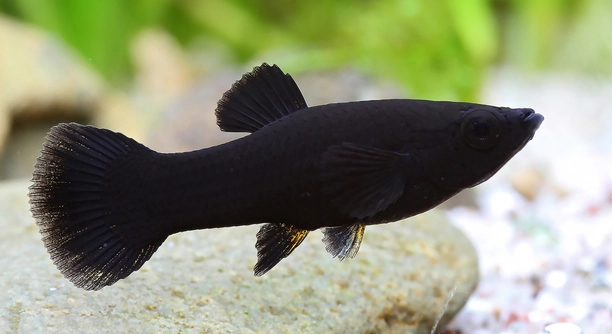
Is your black molly losing weight despite your regular care and feeding routine? Observing changes in your fish’s body can be worrying. Weight loss in black mollies often signals underlying health or environmental concerns that require attention.
Weight loss in black mollies is commonly caused by dietary deficiencies, stress, illness, parasites, or poor water conditions. Ensuring balanced nutrition, stable water parameters, and prompt treatment of health issues is essential for maintaining optimal health and preventing further weight decline.
Understanding these causes will help you protect your molly’s well-being and improve its overall condition. Careful attention and adjustments can make a significant difference in your fish’s health.
Poor Diet and Nutritional Deficiencies
Feeding your black molly an unbalanced diet can lead to weight loss over time. These fish require a combination of high-quality flake foods, frozen or live foods, and occasional vegetable matter. Relying solely on flakes or low-quality food deprives them of essential vitamins and minerals. Overfeeding can also cause problems, leading to digestive issues and bloating, which can indirectly affect weight. Observing your molly’s eating habits helps you spot if it is rejecting food or eating too little. A varied diet with occasional treats like brine shrimp or blanched spinach provides essential nutrients, keeps your fish active, and supports growth. Regularly rotating food types ensures your black molly receives all necessary proteins, fats, and vitamins. Supplementing with vitamin-enriched flakes or live foods can prevent deficiencies that lead to gradual weight decline. A proper diet is one of the simplest ways to maintain a healthy, lively molly.
Feeding a variety of foods ensures your molly receives essential nutrients to stay healthy and maintain its weight.
A balanced feeding routine also supports your molly’s immune system. Consistency in diet helps prevent sudden health issues that contribute to weight loss. Monitoring portion sizes prevents overfeeding, which can cause digestive problems and stress. Including fresh vegetables like spinach, zucchini, or peas adds fiber and helps with digestion. Protein-rich options like brine shrimp or daphnia support muscle growth and overall vitality. Occasionally, using vitamin-enriched foods strengthens their resistance to disease. A careful approach to feeding encourages healthy growth while reducing the risk of malnutrition. By maintaining a consistent schedule and mixing food types, you can ensure your black molly remains energetic and vibrant. Diet is directly linked to weight stability and overall health, making it a critical factor in fish care.
Poor Water Quality
Dirty or unstable water can stress black mollies and lead to gradual weight loss. Fish are highly sensitive to ammonia, nitrite, and nitrate levels, which rise quickly in small or unfiltered tanks. Temperature fluctuations, pH imbalance, and hard water conditions also affect their health. Stress from poor water quality suppresses appetite and weakens the immune system, making mollies prone to disease. Regular water testing and partial water changes are necessary to keep the tank stable. Using a reliable filtration system and avoiding overcrowding will prevent sudden water quality issues. Clean gravel and removed debris reduce harmful bacteria and prevent illness. Black mollies thrive in slightly hard, alkaline water. Monitoring temperature, pH, and cleanliness is essential to prevent weight loss and ensure overall health. Water quality management is a daily responsibility that directly impacts your fish’s energy and appetite.
Maintaining clean, stable water keeps your black molly active and reduces the risk of illness or sudden weight changes.
Water care is not just about cleanliness but consistency. Even small spikes in ammonia or nitrite levels can affect your molly’s weight. Regular partial water changes, at least 20-30% weekly, help maintain stable conditions and reduce toxins. Using a water test kit allows you to monitor pH, hardness, and nitrates, giving early warning of potential problems. Avoid introducing untreated tap water, as chlorine and heavy metals can harm fish. Filtration plays a key role by removing waste and debris, preventing harmful chemical buildup. Overcrowding increases waste levels, so keeping a proper fish-to-tank ratio is important. Observing your molly’s behavior after water changes helps identify stress or illness early. Maintaining stable water quality is crucial for appetite, digestion, and weight maintenance. By prioritizing water health, you create an environment that supports a strong, healthy black molly for the long term.
Stress and Overcrowding
Stress from overcrowding or aggressive tank mates can cause black mollies to lose weight quickly. High stress reduces appetite and weakens the immune system, making fish more vulnerable to illness.
A tank with too many fish limits swimming space and increases competition for food. Aggressive or territorial species can constantly harass black mollies, preventing them from eating properly. Even mild stress from frequent disturbances or excessive handling can affect their health. Providing enough hiding spots, plants, and open swimming areas helps reduce stress. Ensuring compatible tank mates allows your molly to feed without fear or competition. Observing interactions between fish daily helps identify potential stress triggers before they affect your molly’s weight.
Stress also affects metabolic function, causing mollies to burn energy faster than they consume it. Overcrowded tanks increase ammonia and nitrate buildup, further stressing fish and impacting appetite. By creating a calm, spacious environment, you can prevent stress-related weight loss and improve overall health. Regularly monitoring fish behavior and adjusting tank conditions supports long-term well-being.
Internal Parasites
Internal parasites are a common reason for unexplained weight loss in black mollies. Signs include lethargy, reduced appetite, and unusual feces. Prompt detection is critical to prevent serious health issues.
Parasites such as nematodes or protozoa disrupt nutrient absorption, causing gradual weight loss despite adequate feeding. Infected mollies may appear thin and less active, and may scrape against objects due to irritation. Quarantining affected fish and treating with appropriate anti-parasitic medications is essential. Maintaining clean water and avoiding contaminated food or plants reduces the risk of infection. Routine observation and early treatment improve recovery and prevent parasites from spreading to other tank mates.
Consistent monitoring of appetite, behavior, and feces helps detect parasites early. Treating infections promptly ensures your molly regains weight and vitality. Preventive measures, like quarantining new fish and maintaining hygiene, protect the entire tank. Following a careful treatment plan, including medication and water management, reduces recurrence and supports long-term health. By addressing internal parasites quickly, you can maintain a strong, active black molly in a safe environment.
Sudden Temperature Changes
Black mollies are sensitive to rapid shifts in water temperature. Even small fluctuations can stress them, reduce appetite, and lead to weight loss.
Maintaining a stable temperature within the recommended range of 75-82°F is essential. Using a reliable heater and thermometer ensures consistency. Avoid placing the tank near drafts, windows, or air conditioners that can cause sudden changes.
Illness and Disease
Bacterial, fungal, or viral infections can cause weight loss in black mollies. Symptoms may include clamped fins, discoloration, or lethargy. Prompt diagnosis and treatment are crucial. Regular observation and isolating sick fish help prevent the spread of disease, protecting the health of your entire tank.
Pregnancy in Female Mollies
Female black mollies often lose weight during pregnancy. Energy is diverted to developing fry, and appetite may fluctuate slightly.
Monitoring feeding and providing nutritious food supports both mother and fry during gestation. A calm, stable environment reduces stress and ensures the health of the female.
FAQ
Why is my black molly losing weight even though it eats regularly?
Even if your molly is eating, poor absorption due to internal parasites, stress, or illness can prevent it from gaining weight. Nutritional deficiencies from an unbalanced diet or low-quality food may also cause gradual weight loss. Monitoring behavior, appetite, and physical appearance helps identify underlying causes early.
Can water conditions really affect my molly’s weight?
Yes. Ammonia, nitrite, nitrate spikes, pH imbalance, and temperature fluctuations stress black mollies. Stress lowers appetite and slows metabolism, leading to weight loss. Regular water testing, partial water changes, and stable conditions are essential to maintain your molly’s health and prevent unnecessary stress.
How do I know if stress is causing weight loss?
Stress signs include hiding, clamped fins, rapid gill movement, and reduced activity. Overcrowding, aggressive tank mates, sudden environmental changes, or frequent handling can trigger stress. Providing a calm environment, adequate space, and hiding spots helps mollies feel safe and encourages normal feeding behavior.
Could my molly be sick even if it looks normal?
Yes. Early-stage illnesses like bacterial, fungal, or viral infections may not be obvious. Weight loss can be one of the first signs. Observe for subtle changes like lethargy, slight color changes, or irregular swimming. Prompt diagnosis and treatment prevent progression and protect other tank inhabitants.
How can I prevent internal parasites?
Quarantining new fish for at least two weeks and maintaining clean water reduces the risk of infection. Avoid feeding contaminated live food or unwashed plants. Observing feces and appetite regularly helps detect parasites early, and appropriate anti-parasitic treatment prevents weight loss and health complications.
Does pregnancy affect a female black molly’s weight?
Yes. Pregnant females may appear thinner as energy shifts toward developing fry. Appetite may fluctuate, and slight weight loss is normal. Providing nutritious food, keeping water stable, and minimizing stress supports the mother and promotes healthy fry development.
How often should I monitor my black molly’s health?
Daily observation is ideal. Check feeding behavior, body condition, swimming patterns, and any signs of disease. Weekly water testing for ammonia, nitrites, nitrates, and pH ensures a healthy environment. Quick attention to changes can prevent weight loss from becoming severe.
What foods help my molly gain weight?
High-quality flake foods enriched with vitamins, supplemented with live or frozen foods like brine shrimp, daphnia, and blanched vegetables support healthy weight. Rotate foods to provide essential nutrients, proteins, and fiber. Overfeeding should be avoided, as it can cause digestive issues rather than healthy weight gain.
Can temperature control help prevent weight loss?
Yes. Maintaining a stable temperature of 75-82°F reduces stress and supports normal metabolism. Sudden drops or spikes can cause illness or appetite loss. Using a reliable heater and monitoring temperature daily ensures your molly stays healthy and maintains weight.
When should I consult a veterinarian?
If weight loss continues despite proper diet, clean water, and stable conditions, or if your molly shows signs of illness like lethargy, clamped fins, or abnormal swimming, a veterinarian specializing in fish health should be consulted. Early intervention prevents serious complications and improves recovery.
Are there long-term effects of prolonged weight loss?
Yes. Extended weight loss weakens the immune system, reduces energy, and increases susceptibility to disease. It can affect reproductive health in females and overall lifespan. Addressing underlying causes promptly is crucial to restore health and prevent permanent damage.
How can I encourage a picky eater to eat more?
Offer a variety of foods, including live, frozen, and blanched vegetables. Feeding smaller, frequent portions and ensuring other fish are not outcompeting them helps. Observing the molly’s preferences allows you to tailor its diet while ensuring balanced nutrition.
Is it normal for black mollies to lose weight seasonally?
Not typically. Sudden weight loss is usually linked to stress, illness, or poor conditions rather than seasonal changes. Maintaining consistent water parameters, diet, and environment ensures stable health year-round.
What role does tank size play in weight maintenance?
Smaller tanks increase stress, waste accumulation, and competition for food. A properly sized tank with enough swimming space allows mollies to eat properly, reduces stress, and supports healthy weight. Overcrowding should always be avoided to maintain balance and reduce health risks.
How can I tell if my molly is regaining weight?
Look for fuller body shape, increased activity, and consistent appetite. Gradual weight gain over several weeks indicates improvement. Regular observation and maintaining optimal care practices ensure the molly continues to thrive and regain lost weight.
Caring for a black molly requires consistent attention to its diet, environment, and overall health. Weight loss is often a sign that something in its care routine needs adjustment. Common causes include poor nutrition, stress, illness, parasites, and unstable water conditions. By carefully observing your molly’s behavior and appearance, you can identify early signs of trouble and respond promptly. A balanced diet, including high-quality flake foods, live or frozen protein options, and occasional vegetables, is key to maintaining healthy weight and energy. Overfeeding or feeding only one type of food can create imbalances, so varying diet and portion sizes is important. Consistency in feeding schedules also helps mollies maintain proper metabolism and avoid digestive problems that could contribute to weight loss.
Water quality plays a critical role in the health of black mollies. Parameters such as temperature, pH, hardness, and ammonia, nitrite, and nitrate levels should be monitored regularly. Sudden changes or poor water conditions create stress, which can suppress appetite and affect weight. Partial water changes, proper filtration, and a clean tank environment reduce harmful bacteria and toxins, supporting long-term health. Stress from overcrowding or aggressive tank mates should also be minimized. Providing hiding spots, plants, and sufficient swimming space allows mollies to feel safe and feed without competition. Observing interactions between fish and adjusting tank conditions helps prevent chronic stress that may lead to illness or weight loss.
Monitoring health closely is essential to prevent long-term complications. Internal parasites, bacterial or fungal infections, and pregnancy in females can all contribute to gradual weight loss. Early detection and treatment are critical for recovery. Quarantining new fish, maintaining clean water, and providing high-quality food reduce the risk of parasites and disease. For pregnant females, proper nutrition and a calm environment are especially important to support both the mother and the developing fry. Regular observation, careful care, and addressing issues promptly create a stable environment that allows black mollies to thrive. Weight loss is often a symptom of an underlying issue, and consistent, attentive care is the most effective way to maintain a healthy, active, and happy fish.

Hello,
If you enjoy the content that we create, please consider saying a "Thank You!" by leaving a tip.
Every little bit helps us continue crafting quality advice that supports the health, happiness, and well-being of pets around the world, for pets of all shapes, sizes, and species.
We really appreciate the kindness and support that you show us!