
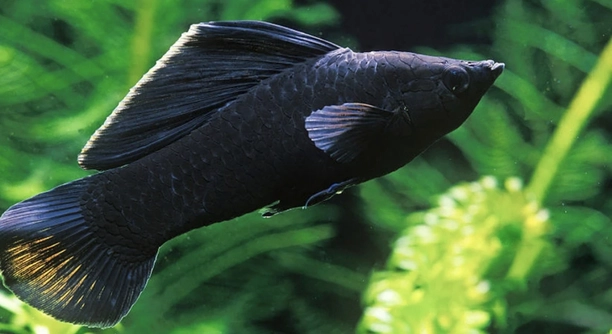
Have you noticed your black molly swimming rapidly, gills flaring more than usual? This sudden change in behavior can be alarming for any fish owner who cares about their aquarium’s well-being. Observing your fish closely is important.
Rapid breathing in black mollies is typically caused by poor water quality, low oxygen levels, high temperatures, or stress. Ensuring proper filtration, maintaining stable water parameters, and avoiding overcrowding can significantly reduce excessive gill movement and improve overall fish health.
Learning what triggers these symptoms is key to keeping your fish healthy. Simple adjustments in care can prevent long-term harm and create a calmer environment for your mollies.
Common Causes of Rapid Breathing in Black Mollies
Black mollies often breathe quickly due to several environmental or health-related factors. Water quality is the most frequent issue. High levels of ammonia, nitrites, or nitrates can irritate gills, forcing fish to take in more oxygen than usual. Temperature also plays a role; warmer water holds less oxygen, causing increased gill movement. Stress from overcrowding, sudden changes in light, or aggressive tankmates can also trigger rapid breathing. Disease and parasites may be present, affecting the gills directly. Observing your fish daily can help catch these issues early. Feeding practices matter too; overfeeding can lead to poor water conditions, contributing to oxygen deficiency. Regular water testing, partial water changes, and maintaining a proper fish-to-tank ratio can prevent most problems. Ensuring aeration, such as adding an air stone, helps maintain adequate oxygen. Understanding these factors allows you to provide a stable, safe environment where your black mollies can thrive and display normal behavior.
Rapid breathing in black mollies is frequently linked to oxygen deficiency, poor water quality, or stress from tank conditions.
Monitoring water conditions and adjusting care routines promptly can prevent further health problems. Small changes often have immediate positive effects on your fish’s comfort.
How to Improve Oxygen Levels
Adding an air stone or increasing surface agitation helps oxygenate the water efficiently.
Maintaining proper oxygen levels requires consistent tank care. First, ensure the tank is not overcrowded; too many fish reduce available oxygen and increase waste. Regular partial water changes dilute toxins and improve water chemistry, giving gills a healthier environment. Keeping the temperature within the recommended range for black mollies, around 75–82°F, ensures water retains more oxygen. Live plants can assist by producing oxygen during daylight hours, but they should not overcrowd the tank or block circulation. Check filters and pumps regularly, as malfunctioning equipment can lower oxygen availability. Avoid overfeeding, since uneaten food decomposes and consumes oxygen, making it harder for fish to breathe. Observing your mollies after making these changes will indicate if conditions are improving. These steps provide a consistent, oxygen-rich habitat, reducing rapid gill movement and stress. Consistent monitoring and small adjustments make a significant difference in long-term fish health, ensuring a lively, thriving aquarium.
Identifying Stress Factors
Black mollies often breathe rapidly when stressed. Stress can come from sudden changes in water, aggressive tankmates, or loud vibrations near the tank. Identifying the source quickly helps prevent long-term health issues.
Stress in black mollies may arise from environmental or social pressures. Overcrowded tanks leave little room for swimming, causing anxiety and increased gill movement. Introducing new fish abruptly can trigger territorial behavior and conflict, further raising stress levels. Sudden changes in water temperature, pH, or hardness can shock mollies, leading to rapid breathing as their bodies struggle to adjust. Even external disturbances, like tapping on the glass or loud household noises, can make mollies uneasy. Observing behavior and tank conditions helps pinpoint stress triggers and allows for timely adjustments, creating a calmer environment. Reducing stress not only slows rapid breathing but also supports immune function, making fish less susceptible to disease.
Providing hiding spaces and consistent care routines helps mollies feel secure. Plants, caves, or decorations offer refuge, reducing stress and promoting natural behavior.
Feeding and Nutrition Impacts
Overfeeding or improper diet can cause black mollies to breathe faster. Uneaten food decomposes, lowering oxygen and raising toxins in the water.
Nutrition directly affects molly health. Black mollies need a balanced diet including high-quality flakes, pellets, and occasional live or frozen foods. Feeding too much or too often increases waste, promoting harmful bacteria growth and reducing oxygen levels. Low-quality food lacking essential vitamins can weaken gills and make fish more sensitive to environmental changes. A consistent feeding schedule with measured portions prevents overfeeding. Supplementing with vegetables like spinach or zucchini supports digestion and overall vitality. Observing how mollies respond after meals can reveal if diet is contributing to rapid breathing. Proper nutrition, combined with clean water, helps maintain calm, healthy fish.
Monitoring Water Parameters
Keeping water clean and stable prevents rapid breathing. Test regularly for ammonia, nitrites, nitrates, and pH. Small fluctuations can stress black mollies quickly.
Temperature affects oxygen levels. Maintain a consistent range of 75–82°F. Sudden changes reduce dissolved oxygen and increase gill movement.
Common Diseases Affecting Mollies
Rapid breathing can indicate illness. Gill flukes, bacterial infections, and parasites often impact respiration. Infected mollies may also show clamped fins, lethargy, or white spots. Early detection allows for effective treatment. Quarantining affected fish and using appropriate medications can prevent spread. Observing behavior closely helps identify problems before they worsen, keeping the tank healthier for all inhabitants.
Maintaining Proper Tank Size
Overcrowding increases stress and lowers oxygen, causing rapid breathing. Ensure enough space for all fish to swim freely.
FAQ
Why is my black molly breathing so fast even though the water looks clean?
Even if the water appears clear, harmful chemicals like ammonia, nitrites, and nitrates can be present at levels invisible to the eye. These compounds irritate gills and reduce oxygen absorption. Regular water testing and partial water changes are essential to ensure safe conditions for your fish.
Can temperature changes make black mollies breathe faster?
Yes. Black mollies thrive in 75–82°F water. Higher temperatures lower dissolved oxygen, forcing fish to breathe faster. Sudden drops or spikes in temperature can also shock their system, increasing stress and gill movement. Using a reliable heater and thermometer helps maintain stable conditions.
Does overcrowding affect breathing?
Overcrowding limits swimming space and decreases available oxygen. It also increases waste buildup, worsening water quality. Providing enough room for each fish reduces stress and keeps oxygen levels sufficient, helping mollies maintain normal breathing rates.
Can stress from other fish cause rapid breathing?
Yes. Aggressive tankmates or territorial behavior can stress black mollies. Stressed fish may hide, swim erratically, or breathe rapidly. Adding plants, hiding spots, and observing social interactions can reduce tension in the tank.
How does feeding impact breathing?
Overfeeding produces excess waste that consumes oxygen as it decomposes. Low-quality or nutrient-deficient food can also weaken gills. Feed measured amounts once or twice daily, and include vegetables or occasional live/frozen foods to support overall health.
Could disease be the reason for rapid breathing?
Diseases like gill flukes, bacterial infections, or parasites directly affect respiration. Signs include clamped fins, lethargy, white spots, or rubbing against objects. Early identification and treatment with proper medications can prevent severe illness and protect the rest of the tank.
Will adding an air stone help?
Yes. Air stones or bubbler systems increase water oxygenation. This helps reduce rapid breathing caused by low oxygen, especially in tanks with higher temperatures, many fish, or heavy plant life. Ensure proper placement for optimal circulation.
Is it normal for black mollies to breathe fast occasionally?
Short bursts of rapid breathing can occur during activity or feeding. However, prolonged or consistent fast breathing indicates a problem. Monitoring water parameters, diet, and tank conditions helps determine if action is needed.
Can plants improve oxygen levels?
Live plants produce oxygen during daylight hours, which can support mollies’ respiration. However, plants alone cannot replace proper aeration or filtration. Avoid overcrowding plants, as dense foliage can reduce circulation and create low-oxygen zones.
How do I know if my fish are stressed?
Stress signs include rapid breathing, hiding, clamped fins, loss of appetite, or erratic swimming. Identifying triggers like tankmates, water quality, or environmental changes allows you to adjust conditions, creating a calmer habitat and improving gill function.
Is water movement important?
Yes. Gentle water flow improves oxygen distribution and reduces stagnant areas. Filters, pumps, and proper tank setup ensure oxygen reaches all corners, supporting healthier breathing. Avoid overly strong currents, which can exhaust black mollies and increase stress.
How often should I check water quality?
Testing weekly for ammonia, nitrites, nitrates, pH, and temperature is recommended. Frequent monitoring helps catch changes before they harm fish, allowing timely adjustments and keeping breathing patterns stable.
Do black mollies need a quarantine tank?
Quarantining new or sick fish prevents the spread of disease and reduces stress in the main tank. This also allows careful observation of breathing patterns and behavior before introducing them to established tankmates.
What should I do if rapid breathing persists?
Check water quality, temperature, tank size, and social dynamics first. If conditions are optimal and breathing continues, examine for disease and consider consulting an aquatic veterinarian. Prompt action improves recovery chances and prevents complications.
Can poor diet worsen breathing issues?
Yes. Nutrient deficiencies weaken gills and overall immunity, making mollies more sensitive to low oxygen or disease. A balanced diet with high-quality flakes, pellets, and occasional live or vegetable food supports healthy respiration.
Is stress from human activity a factor?
Frequent tapping on the tank, sudden movements, or loud noises can startle mollies, temporarily increasing breathing rates. Minimizing disturbances and maintaining consistent routines helps reduce stress-induced rapid breathing.
How do I maintain long-term healthy breathing?
Regular water changes, balanced diet, proper tank size, aeration, stable temperature, and monitoring for stress or disease keep mollies breathing normally. Consistency in care creates a calm, oxygen-rich environment where fish can thrive and avoid prolonged gill strain.
Can lighting affect breathing?
Extreme or inconsistent lighting can stress mollies, indirectly causing rapid breathing. Providing a stable day-night cycle and avoiding sudden bright light exposure helps maintain calm behavior and normal respiration patterns.
Are black mollies sensitive to water hardness?
Yes. Sudden changes in hardness or pH can shock gills, leading to fast breathing. Black mollies prefer moderately hard, slightly alkaline water. Testing and gradual adjustments prevent sudden stress and support stable oxygen uptake.
How do I know if rapid breathing is serious?
Persistent rapid breathing combined with lethargy, loss of appetite, abnormal swimming, or visible gill damage indicates a serious problem. Immediate action, including water correction, quarantine, or treatment, is necessary to protect health and prevent mortality.
Can tank decorations affect breathing?
Overcrowded or poorly placed decorations can restrict swimming space, trap waste, or reduce circulation, indirectly causing rapid breathing. Arrange decor to provide hiding spots while allowing open swimming areas and proper water flow throughout the tank.
How often should I observe my fish?
Daily observation helps detect early signs of stress, disease, or environmental issues. Noticing changes in gill movement, swimming patterns, or feeding behavior allows prompt adjustments to maintain healthy breathing and overall well-being.
Can low oxygen affect fish growth?
Yes. Prolonged low oxygen slows metabolism and stunts growth. Fish may also become more susceptible to disease. Maintaining proper oxygen levels through aeration, filtration, and tank management supports healthy growth and reduces rapid breathing.
Are black mollies prone to breathing problems compared to other fish?
They are moderately sensitive. Mollies require stable water parameters, sufficient oxygen, and consistent care. While hardy, poor conditions can quickly cause respiratory issues, making regular monitoring essential.
Can medications affect breathing?
Certain treatments or chemicals may temporarily irritate gills, increasing breathing rates. Follow dosage instructions carefully and monitor fish closely. Ensure aeration is sufficient during treatment to reduce stress and support recovery.
What’s the role of pH in breathing?
Extreme pH levels can irritate gills and reduce oxygen uptake. Black mollies prefer slightly alkaline water (around 7.0–8.0). Regular testing and gradual adjustments maintain gill health and normal respiration.
Is surface agitation enough for oxygen?
Surface movement improves gas exchange but may not fully address low oxygen in crowded or warm tanks. Combining surface agitation with air stones or filters ensures consistent oxygen levels throughout the tank.
Can black mollies recover from prolonged rapid breathing?
Yes, if the cause is identified and corrected early. Improving water quality, reducing stress, and addressing disease or nutrition allows gills to recover. Persistent neglect can lead to permanent damage or death.
How do I know if my intervention is working?
Observe changes in gill movement, swimming patterns, and appetite. Gradual normalization of breathing indicates successful adjustments. Continuous monitoring ensures long-term stability and prevents recurrence of rapid breathing.
Can rapid breathing happen at night?
It can, especially if oxygen levels drop or temperature fluctuates. Nighttime aeration and stable conditions help maintain proper respiration even when lights are off.
Does tank size alone prevent rapid breathing?
Not entirely. Adequate space reduces stress, but oxygenation, filtration, and proper care are equally important. A balanced approach ensures normal breathing and overall fish health.
Are black mollies more sensitive to changes than other livebearers?
They are moderately sensitive compared to guppies or platies. Sudden environmental changes, poor water quality, or stressors can quickly impact respiration, making careful monitoring important.
Can I mix species without causing breathing issues?
Yes, if species are compatible in temperament, size, and water requirements. Aggressive or fast-moving species can stress mollies, indirectly causing rapid breathing. Observation and gradual introductions reduce problems.
Is fast breathing always visible?
Not always. Subtle increases in gill movement may occur before other signs. Close observation and regular water checks help detect early problems, preventing escalation.
How does water hardness affect oxygen availability?
Indirectly. Very soft or very hard water can stress gills and affect oxygen absorption. Maintaining moderately hard, stable water supports normal respiration and overall fish health.
What’s the best routine for preventing rapid breathing?
Weekly water tests, consistent feeding, proper tank stocking, regular aeration, and daily observation create a stable environment. Early detection of stress or disease allows quick intervention, keeping mollies calm and breathing normally.
Can black mollies live in low oxygen tanks?
Short-term survival is possible, but prolonged exposure causes stress, weakened immunity, and rapid breathing. Adequate oxygen is necessary for long-term health and growth.
Is rapid breathing reversible?
Yes, if environmental, nutritional, or health issues are corrected promptly. Persistent neglect can cause irreversible damage, but attentive care restores normal respiration in most cases.
How do I balance all factors affecting breathing?
Maintain clean water, stable temperature, proper oxygenation, balanced diet, adequate space, and low stress levels. Regular observation ensures mollies remain healthy, calm, and free from prolonged rapid breathing.
Black mollies are sensitive fish, and their breathing patterns can reveal a lot about their overall health. Rapid gill movement is often one of the first signs that something in their environment is not ideal. Many factors can contribute to this, including water quality, oxygen levels, temperature, and stress. Paying attention to these details can make a significant difference in how your fish feel and behave. Regular testing of water parameters, such as ammonia, nitrites, nitrates, pH, and temperature, helps maintain a stable environment. Even small fluctuations can cause noticeable stress, so consistency is key. Keeping the tank clean through partial water changes and proper filtration is also essential. Overfeeding should be avoided, as leftover food decomposes and reduces oxygen levels, which directly affects gill function. Ensuring the tank is not overcrowded provides each fish with enough space to swim and reduces competition for oxygen. Proper placement of decorations and plants can create hiding spaces, helping black mollies feel secure and lowering stress levels that can lead to rapid breathing.
Diet and nutrition play an equally important role in keeping black mollies healthy. Providing high-quality flakes or pellets, along with occasional live or frozen foods, helps maintain their immune system and supports proper gill function. Supplementing their diet with vegetables such as spinach or zucchini ensures a well-rounded intake of nutrients, which can prevent health issues that may contribute to respiratory stress. Overfeeding or feeding poor-quality food can make fish more susceptible to rapid breathing and other problems. Observing their behavior after feeding gives insight into whether their diet meets their needs or if adjustments are necessary. By combining a balanced diet with careful tank management, you can create a stable environment where black mollies are less likely to experience respiratory stress.
Stress management is another crucial aspect of maintaining healthy breathing in black mollies. Stress can come from various sources, including aggressive tankmates, sudden changes in lighting or water conditions, and frequent disturbances near the tank. Stressed fish may hide more often, swim erratically, or display rapid gill movement. Providing a stable, calm environment, along with proper aeration and filtration, helps reduce stress. Air stones, proper water circulation, and surface agitation improve oxygen levels, supporting natural breathing patterns. Regular observation allows you to catch early signs of stress or illness, giving you the chance to take corrective action before problems worsen. Paying attention to all these details ensures that your black mollies live in a healthy, balanced environment, minimizing rapid breathing and promoting overall well-being.

Hello,
If you enjoy the content that we create, please consider saying a "Thank You!" by leaving a tip.
Every little bit helps us continue crafting quality advice that supports the health, happiness, and well-being of pets around the world, for pets of all shapes, sizes, and species.
We really appreciate the kindness and support that you show us!