
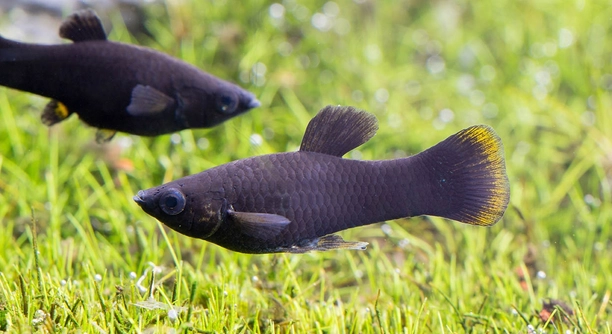
Caring for a black molly can feel peaceful, yet moments arise when its behavior shifts in unexpected ways, signaling discomfort that needs gentle attention from you as its keeper in your calm aquatic space today.
A threatened black molly typically displays heightened stress behaviors, including rapid movement, color dulling, fin clamping, hiding, and reduced feeding. These patterns reflect environmental or social pressures that interrupt normal routines and require adjustments to restore stability within the aquarium.
Learning these signs will help you support your black molly with confidence, creating a calmer environment that encourages healthier behavior.
1. Sudden Hiding Behavior
Sudden hiding behavior is often the first thing you notice when your black molly feels unsafe. I have seen this shift happen quickly, and it can change the tone of the tank. When a black molly begins slipping behind plants, decorations, or filter equipment, it is reacting to something that is making its surroundings feel unstable. This pattern usually appears when tank mates become pushy, water conditions start slipping, or the environment grows noisy or bright. The behavior itself is not harmful, but it signals that your molly is trying to protect itself in the only way it knows. By watching how long the hiding continues and noting what changed in the tank before it started, you can understand what your molly is responding to. Staying aware of these moments helps you adjust things quickly, keeping stress from building and allowing your fish to settle back into its usual rhythm.
Short hiding episodes are normal, but frequent or prolonged hiding shows your molly is struggling with something in its surroundings. Addressing lighting, tank mates, and water quality can ease stress and help your molly feel safer in its space. Small adjustments often restore balance more smoothly than expected for you.
Once hiding becomes a clear pattern, it helps to look closely at recent changes in your setup. Even simple shifts can create pressure your molly reacts to. A new decoration might disrupt familiar pathways, or a slight rise in activity from other fish can make your molly feel cornered. I have noticed that molly behavior often improves when visual barriers are added, giving them safer routes to move through. Checking water parameters also matters, since small imbalances can heighten stress quickly. By adjusting these elements with care, you create an environment where your molly regains confidence and moves more freely.
2. Dull or Fading Color
Color changes often show your molly is reacting to stress in its surroundings. When shades begin to fade, the fish is redirecting energy toward basic survival, leaving appearance affected. Responding quickly by improving tank stability can help restore color and support healthier behavior within the aquarium over time as needed.
A black molly’s color can shift for many reasons, but stress is one of the most common influences. When the fish starts looking washed out, it is often responding to pressure from tank mates, unstable water conditions, or sudden changes in its environment. I have seen color return naturally once these stressors are identified and corrected, which makes early attention important. Start by observing interactions in the tank, since chasing or nipping can cause your molly to retreat and display muted colors. Adjusting the layout with more plants or hiding spots can provide relief by lowering tension between fish. Water quality should also be checked carefully, as ammonia, nitrite, and fluctuating temperatures can affect color quickly. Keeping these levels stable allows your molly to redirect its energy back toward normal activities. Feeding a balanced diet plays a supportive role too, helping the body recover faster. When all these factors are managed well, color improvement usually follows steadily, reflecting a calmer and more comfortable fish.
3. Rapid or Erratic Swimming
Rapid or erratic swimming shows your black molly is reacting to pressure in the tank. I have seen this behavior surface quickly when something feels off, and it often reflects discomfort from other fish, poor water conditions, or sudden changes around the aquarium.
When a molly begins darting, circling, or moving in sharp patterns, it is signaling that something in its space feels unsettling. This behavior can happen after introducing new tank mates or when another fish becomes too dominant. I have noticed that even mild chasing can push a molly to move in frantic ways. Checking water parameters is also important, since rising ammonia or fluctuating temperatures can make the fish restless. Reducing noise and movement around the tank helps too, especially for mollies that react strongly to bright lights or sudden shadows. Addressing these elements usually brings the fish back to a calmer rhythm over time.
If the erratic movement continues, it helps to observe the tank closely for patterns. Sometimes the cause is as simple as crowded swimming areas that make your molly feel trapped. Rearranging decorations to create open paths can ease this tension. I often find that adding plants or structures helps redirect aggressive fish and gives the molly more freedom to move naturally. Feeding routines should be steady, since inconsistent feeding can increase competition and stress. Once the tank feels more predictable, your molly often settles down, returning to smooth and balanced swimming.
4. Clamped Fins
Clamped fins show your molly is holding tension in its body. This sign often appears when the fish feels unsafe or overwhelmed, and it can reflect stress from tank mates, water issues, or environmental changes that unsettle your molly’s usual comfort.
This behavior tends to appear when your molly senses pressure in its surroundings. I have noticed clamped fins during times when fish are bullied or when the tank becomes too active. Water quality also plays a major role. Even small spikes in ammonia or nitrite can make a molly tighten its fins as it tries to cope with discomfort. Ensuring stable temperature and gentle filtration helps reduce these stress points. Light levels matter too, since bright or constant lighting can heighten tension and lead to clamped fins. Offering shaded areas and hiding spots creates relief and helps your molly settle into a calmer state. When these conditions are improved, clamped fins often relax naturally, showing the fish is feeling more secure.
5. Reduced Appetite
Reduced appetite often appears when your black molly feels uneasy in the tank. I have seen this pattern show up when tension rises, and the fish begins avoiding food even when offered familiar meals it normally enjoys without hesitation.
This change can happen after conflicts with tank mates or shifts in water quality. Your molly may hover near food but refuse to take it, showing it is too stressed to eat comfortably. Steady routines and calm surroundings often help restore normal feeding.
6. Aggressive Reactions Toward Tank Mates
Aggressive reactions can surface when your molly feels cornered or overwhelmed. I have noticed this especially in smaller tanks where space feels limited. The fish may chase, nip, or guard certain areas more than usual, revealing tension that builds from ongoing stress. Improving the layout, adding plants, and monitoring interactions help lower pressure. Water stability should also be checked, since imbalances can heighten irritability. Once the environment feels more predictable, your molly often relaxes and stops reacting so strongly to nearby fish. Giving it enough room to explore freely makes a noticeable difference in its comfort.
7. Staying Near the Surface
Staying near the surface can signal that your molly is feeling uneasy or pressured. I have seen this behavior appear when oxygen levels drop or when tank activity becomes overwhelming, causing the fish to seek calmer spots near the top.
How can I tell if my black molly is stressed?
Stress in black mollies usually shows through changes in behavior or appearance. I have noticed that stressed mollies often hide more, swim erratically, or stay at the surface. Their fins may clamp, and colors can fade. Reduced appetite is another clear sign, as stressed fish may ignore food they normally enjoy. Paying attention to sudden shifts in daily behavior is important, as even small changes can indicate stress that needs attention. Observing interactions with tank mates is also key, since bullying or overcrowding can contribute significantly to stress levels.
What causes black mollies to feel threatened?
Several factors can trigger a black molly to feel unsafe. Aggressive tank mates often push them into corners, while overcrowded tanks leave little room for natural movement. I have seen sudden environmental changes, like new decorations or rearranged plants, cause them to feel insecure. Poor water quality, fluctuating temperature, or low oxygen can also increase stress. Even constant bright lighting or heavy vibrations outside the tank can make a molly uneasy. Recognizing these triggers helps you adjust the tank setup, improving comfort and reducing chances of prolonged stress.
How can I reduce stress for my black molly?
Creating a calm and stable environment is essential. I usually start by checking water parameters, making sure ammonia, nitrite, nitrate, and temperature remain within safe ranges. Adding plants, hiding spots, or decorations allows the fish to explore without feeling cornered. Reducing aggressive tank mate interactions is also important; separating overly dominant fish can help. Light levels should be adjusted to mimic natural conditions, and feeding routines kept consistent to avoid competition. Calm surroundings outside the tank, like limiting sudden movements or loud sounds, further reduce stress. With steady care, mollies gradually return to normal behaviors.
Why is my black molly hiding constantly?
Constant hiding usually signals fear or discomfort. I have observed that new tank mates, overcrowding, or sudden environmental changes often trigger this behavior. Poor water conditions or sudden temperature fluctuations also play a role. Mollies use hiding as a self-protection mechanism. Adding more plants or shaded areas can give them safer routes, while keeping the environment stable helps reduce hiding over time.
Can diet affect a black molly’s stress levels?
Yes, diet has a direct effect. I have noticed that when mollies receive inconsistent or low-quality food, they can become more irritable or withdrawn. Providing a balanced diet with proper proteins, vegetables, and occasional live or frozen food helps maintain energy and resilience. Steady feeding times also reduce competition stress and encourage healthier behavior overall.
When should I be concerned about my black molly’s behavior?
Behavior becomes concerning when stress signs persist or worsen. I have seen mollies with continuous hiding, clamped fins, or lack of appetite develop health issues if not addressed. Rapid, erratic swimming combined with aggression toward other fish also signals prolonged tension. If water parameters are stable and environmental changes have been managed, persistent stress may require separating the molly temporarily or consulting a fish care specialist. Early attention prevents long-term harm.
Can tank size influence stress in black mollies?
Tank size is a key factor in comfort. I have found that small tanks often cause overcrowding, limiting swimming space and natural behaviors. This can lead to frequent chasing, hiding, and aggression. Providing at least 20 gallons for a small group of mollies allows movement, reduces stress, and supports healthier interactions. Proper filtration and plants further improve comfort by creating a more natural, less threatening environment.
Do water quality issues show immediate stress in mollies?
Yes, poor water quality often produces visible signs quickly. I have observed color fading, clamped fins, and surface swimming when ammonia or nitrite spikes. Even slight temperature changes can make them restless. Regular testing and maintenance, including partial water changes and monitoring chemical levels, help prevent stress from escalating. Clean, stable water ensures your mollies remain active and healthy.
How long does it take for a stressed black molly to recover?
Recovery varies depending on the cause and severity. I have noticed minor stress resolves within a few days after adjusting tank mates, improving hiding spots, or stabilizing water. Severe or prolonged stress may take a week or more to fully normalize behavior and color. Patience and consistency in maintaining a calm, stable environment are crucial for full recovery.
Are there signs that stress is affecting health directly?
Yes, prolonged stress can affect overall health. I have seen stressed mollies lose weight, refuse food, and become more prone to disease. Weakened immune systems make infections more likely. Observing early stress behaviors and acting quickly with environmental and dietary adjustments is essential to prevent long-term health consequences.
Caring for black mollies requires careful observation, as their behavior often reflects how comfortable they feel in their environment. Over time, I have learned that small changes in a tank can create big reactions. When a molly starts hiding more than usual, swims erratically, or shows faded colors, these are signals that it is feeling threatened. It is not always easy to know the exact cause immediately, but paying attention to these behaviors is the first step. Observing patterns over a few days helps identify whether the stress comes from tank mates, water conditions, or environmental changes. Even subtle signs, like clamped fins or staying near the surface, indicate that your molly is trying to cope with pressure. By recognizing these early, you can make adjustments that prevent long-term stress and health problems.
Addressing stress in black mollies often involves creating a stable and calm environment. I have found that regular monitoring of water quality is essential, as fluctuations in temperature, ammonia, nitrite, or nitrate levels can affect their behavior quickly. Tank layout also matters; adding plants, hiding spots, and shaded areas gives your molly places to retreat when it feels threatened. Balancing the number and temperament of tank mates is equally important, as aggressive or overcrowded conditions can increase tension. Feeding routines should remain consistent, with a balanced diet that supports energy and resilience. Even small changes, like reducing bright lights or minimizing disturbances around the tank, can make a noticeable difference in how secure and relaxed your molly feels. Over time, these adjustments help your fish regain confidence and return to normal behaviors.
Patience and careful attention are key to supporting a black molly’s well-being. Recovery from stress is gradual, and it may take days or even weeks for a fish to fully return to its usual routine. I have noticed that mollies respond best when changes are made gently and consistently, rather than abruptly. By observing, adjusting, and maintaining a stable environment, you reduce the risk of prolonged stress, improve overall health, and encourage more natural behaviors. Understanding the signs of threat and acting promptly allows your black molly to feel secure, thrive, and interact comfortably with its surroundings. In the long term, this approach builds a calmer, healthier aquarium and strengthens your ability to care for these sensitive fish.

Hello,
If you enjoy the content that we create, please consider saying a "Thank You!" by leaving a tip.
Every little bit helps us continue crafting quality advice that supports the health, happiness, and well-being of pets around the world, for pets of all shapes, sizes, and species.
We really appreciate the kindness and support that you show us!