
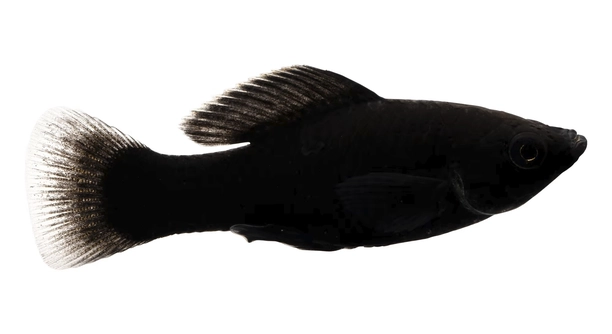
Do you ever notice your black molly fry darting around the tank at the slightest movement? Many aquarists observe this behavior, which can make caring for these tiny fish seem more challenging than expected.
The primary reason black molly fry are skittish is due to their natural survival instincts. Young mollies are highly sensitive to sudden changes in light, movement, and water conditions, which triggers flight responses to protect them from perceived threats.
Learning about these factors will help you create a calmer environment for your fry and support their healthy development in your aquarium.
Common Causes of Skittish Behavior
Black molly fry are naturally cautious, and several environmental factors can make them even more jumpy. Sudden movements near the tank, loud noises, or rapid changes in lighting can trigger their instinct to flee. Overcrowding in the tank can also stress fry, making them more reactive. Water quality plays a major role as well; improper pH, temperature, or high nitrate levels can increase anxiety in young fish. Even the presence of larger, more aggressive tank mates may cause fry to hide constantly. Fry are also sensitive to new objects or decorations added to the tank, which can seem threatening until they adjust. Maintaining a stable, calm environment is essential for helping them feel secure. Feeding routines impact behavior too; inconsistent feeding can make fry more nervous and defensive. Small adjustments in habitat and routine often make a noticeable difference in their overall calmness and swimming patterns.
Consistent water conditions and gentle handling are key to reducing stress in black molly fry.
Providing hiding spots and minimizing sudden disturbances can encourage fry to swim more freely and explore their tank confidently.
Adjusting Tank Conditions
Water quality is the most important factor in keeping black molly fry calm. Even slight fluctuations in temperature or pH can trigger stress responses. Fry are particularly sensitive to high nitrate and ammonia levels, which can make them hide or dart unpredictably. Regular water testing and partial water changes help maintain a safe environment. Tank size also matters; cramped spaces reduce their ability to escape perceived threats, increasing skittish behavior. Soft lighting and minimal external disturbances help fry feel secure. Live plants and small decorations offer natural hiding spots that reduce anxiety and allow them to rest safely. Observing fry behavior can provide insight into what adjustments are needed, whether it’s rearranging decor, reducing tank traffic, or feeding smaller amounts more frequently. Over time, these small improvements create a calmer, healthier environment for young mollies.
Providing stable, clean water and thoughtfully arranged hiding spaces can greatly reduce stress in fry, leading to healthier growth.
By monitoring tank parameters and maintaining a routine, you can prevent sudden spikes in stress. Adding floating plants or gentle filtration can reduce strong currents that might frighten fry. Overcrowding should be avoided, and tank mates should be carefully selected to ensure fry have space to swim freely. Consistency in light cycles and feeding helps them feel secure, reducing erratic movements. Fry respond positively to a quiet, low-traffic environment where they can adjust at their own pace. Gradual changes are always better than sudden alterations, allowing fry to acclimate without fear. Over time, these practices foster a calm tank environment that encourages natural behavior, healthy growth, and better survival rates. Monitoring their responses to each adjustment ensures that your approach is effective and sustainable for long-term care.
Feeding and Nutrition
Fry need frequent, small meals to stay healthy. Overfeeding or inconsistent feeding can increase stress and make them more skittish.
Providing finely crushed flake food or specialized fry food ensures they get proper nutrition. Feeding several times a day in small amounts prevents leftover food from polluting the water, which can cause further stress. Uneaten food decomposes quickly, raising ammonia levels and reducing water quality. High-quality protein sources support growth and help fry develop stronger swimming skills, reducing panic responses. Consistency in feeding routines allows fry to anticipate meals, which calms their behavior. Avoid sudden changes in diet, as fry are sensitive to new textures or flavors.
Observation during feeding is crucial. If fry dart away or hide excessively, adjust portions or feeding frequency. Gradually introducing new foods can help them adapt without triggering stress, supporting overall health and confidence in the tank.
Tank Mates and Compatibility
Fry are vulnerable to aggressive or larger fish that may chase them. Choosing peaceful, compatible species is essential.
Ideal tank mates are small, non-aggressive fish that do not compete heavily for food. Shrimp and snails can coexist safely, providing diversity without threatening fry. Aggressive species increase stress levels and may result in hiding, reduced feeding, or slower growth. Fry should have enough space and hiding spots to avoid accidental predation. Compatibility also extends to water parameter needs; mismatched species can create tension in the tank environment. Monitoring interactions is important to ensure fry are not constantly threatened.
When introducing new tank mates, observe behavior closely for the first few days. Adjust the environment with plants, caves, or floating barriers to give fry safe zones. Proper spacing and careful selection prevent stress-induced behaviors and allow fry to grow normally alongside other peaceful species. Ensuring compatibility from the start reduces panic, promotes healthy swimming patterns, and encourages natural social interactions without fear or competition.
Lighting and Environment
Bright or sudden lighting can startle black molly fry, making them swim erratically. A gentle, consistent light schedule helps reduce stress and supports natural behavior.
Providing shaded areas with floating plants or decorations allows fry to retreat when needed. This creates a sense of safety and encourages calmer swimming patterns.
Water Flow and Filtration
Strong currents can overwhelm fry, causing them to dart and hide. Gentle filtration ensures proper water movement without stressing young fish. Positioning the filter output away from fry areas reduces turbulence. Low-flow sponge filters are ideal, offering both oxygenation and protection from suction. Regular cleaning prevents debris buildup, maintaining clear water that supports healthy, relaxed fry behavior.
Observation and Behavior Tracking
Keeping a close eye on fry behavior helps identify stress triggers early. Noting changes in swimming, feeding, or hiding patterns allows timely adjustments in care. Consistent observation ensures the tank environment supports calm, healthy growth.
Temperature Stability
Sudden shifts in water temperature can make fry skittish. Maintaining steady, appropriate warmth helps fry feel secure and promotes proper development.
FAQ
Why are my black molly fry hiding all the time?
Fry naturally seek shelter to feel safe, especially in the first few weeks of life. Excessive hiding usually indicates stress caused by bright lighting, strong water currents, aggressive tank mates, or sudden changes in water parameters. Providing plants, small decorations, or floating barriers gives them secure spaces to explore at their own pace.
How often should I feed black molly fry?
Black molly fry need frequent, small meals, usually three to four times per day. Using finely crushed flake food or specialized fry food ensures they can eat properly. Overfeeding should be avoided, as leftover food quickly pollutes the water, raising ammonia and nitrate levels, which stresses the fry.
Can tank size affect skittish behavior?
Yes. Small tanks can increase stress by limiting swimming space and hiding spots. Fry feel trapped when there isn’t enough room to evade perceived threats, which leads to darting and panicked movements. A properly sized tank with enough plants and decorations promotes a calmer, more natural behavior.
Do water changes help reduce fry stress?
Regular water changes are essential. They maintain stable temperature, pH, and low nitrate levels, all of which influence fry behavior. Gradual changes prevent sudden shock, which can make fry more skittish. Clean, stable water also supports healthy growth and improves survival rates.
Are black molly fry more skittish with certain tank mates?
Aggressive or fast-moving fish can trigger constant fear in fry. Ideal companions are peaceful species or invertebrates like shrimp or snails that coexist safely. Monitoring interactions and providing safe zones helps fry feel secure while still encouraging social development.
Does lighting intensity affect fry behavior?
Yes. Bright, sudden lighting can startle fry and cause darting. Consistent, gentle light with shaded areas or floating plants reduces stress. A natural day-night cycle promotes normal activity levels and prevents panic responses caused by abrupt changes in illumination.
How important is temperature stability?
Maintaining a consistent, appropriate temperature is crucial. Sudden fluctuations can make fry skittish and affect metabolism. Using a reliable heater and thermometer ensures steady warmth. Gradual adjustments are safer if changes are needed. Stable temperatures encourage healthy swimming and feeding behavior.
Can diet changes affect fry behavior?
Fry are sensitive to sudden dietary changes. Introducing new foods gradually helps them adapt without stress. Balanced nutrition with protein-rich options supports growth, energy, and overall confidence, which reduces erratic swimming and hiding tendencies. Consistency in diet is key for calmer behavior.
What role do hiding spots play in reducing skittishness?
Hiding spots help fry feel secure and reduce stress-induced darting. Plants, caves, and decorations create safe zones where fry can rest or escape perceived threats. Well-placed shelters allow fry to explore more confidently, develop proper swimming skills, and maintain healthy social interactions with minimal fear.
How long does it take for fry to become less skittish?
With stable water conditions, proper nutrition, and a calm environment, fry gradually become more confident over several weeks. Patience is essential, as each batch may adjust at a different pace. Continuous observation and minor adjustments in lighting, tank mates, or hiding spots can accelerate this process.
Can overfeeding make fry more nervous?
Yes. Overfeeding can degrade water quality, producing ammonia and nitrate spikes that stress fry. Small, frequent meals prevent leftover food from polluting the tank. Observing their eating habits ensures they receive enough nutrition without causing water quality issues that increase skittish behavior.
Does the type of filtration matter?
Strong, high-flow filters can frighten fry. Sponge filters or gentle filtration provide circulation and oxygenation without creating overwhelming currents. Proper positioning of the filter output prevents fry from being constantly buffeted, allowing calmer swimming and reducing stress responses.
How do I know if fry are stressed for other reasons?
Signs of stress include constant hiding, rapid darting, loss of appetite, or clinging to tank surfaces. Monitoring water parameters, feeding routines, and interactions with other tank inhabitants helps identify specific stressors. Early intervention prevents long-term behavioral issues and supports healthy development.
Are fry skittish during tank cleaning?
Yes, frequent disturbances like siphoning or rearranging decorations can startle fry. Gentle, slow movements during maintenance, partial water changes, and minimal disruption help reduce panic and prevent long-term fear responses in young fish.
Can stress affect fry growth?
Chronic stress slows growth, weakens immune systems, and increases susceptibility to disease. Ensuring stable water, proper diet, gentle filtration, and calm tank conditions promotes normal growth and reduces erratic, nervous behavior.
Is it normal for fry to be more skittish than adult mollies?
Absolutely. Fry have underdeveloped senses and weaker swimming abilities, making them more vulnerable. Their natural instinct is to flee from threats until they grow stronger and more confident in their environment. Safe hiding spots and consistent care help them gradually adjust.
Do seasonal changes affect fry behavior?
Fluctuations in room temperature or lighting due to seasons can indirectly stress fry. Maintaining consistent tank conditions throughout the year prevents sudden changes that may trigger panic or hiding behaviors, ensuring steady development and calm activity.
What is the best way to acclimate new fry to an established tank?
Introduce fry slowly, ideally in a nursery box or divider. Gradually acclimating them to water conditions and surroundings reduces fear. Observe their behavior closely and provide immediate hiding options. Gradual introduction prevents sudden exposure to adult fish or strong currents that increase skittish behavior.
Are black molly fry more sensitive than other livebearers?
Yes. Compared to some other livebearers, black molly fry are highly reactive to movement, light, and water changes. Extra attention to stable conditions, gentle handling, and calm surroundings is necessary to reduce stress and encourage confident, healthy behavior.
How can I make fry feel safer in a community tank?
Providing dense plants, floating cover, and carefully chosen peaceful tank mates creates zones where fry can explore without fear. Minimizing sudden movements near the tank, maintaining stable water conditions, and keeping a predictable feeding routine help fry feel secure and reduce skittish behavior.
Black molly fry can be skittish for many reasons, ranging from environmental factors to natural instincts. Their small size and developing senses make them more sensitive than adult fish. They react quickly to sudden movements, bright lighting, strong water currents, or the presence of larger, more aggressive tank mates. This behavior is normal, as it is a survival mechanism that helps them avoid potential threats. Fry rely on hiding spots and safe areas to feel secure, and their nervousness will gradually decrease as they grow and become more confident in their surroundings. Understanding this natural tendency allows you to adjust their environment to support calmer behavior and healthier development.
Maintaining stable water conditions is one of the most important steps in reducing stress for black molly fry. Regular water testing, partial water changes, and monitoring temperature, pH, and nitrate levels create a safe and predictable environment. Fry are highly sensitive to even minor fluctuations, so consistency is key. Gentle filtration and low-flow setups prevent strong currents from startling them. Providing live plants, decorations, or floating cover gives fry a sense of security while still allowing them to swim and explore. Proper nutrition and a consistent feeding schedule also contribute to calmer behavior, as fry feel less stressed when they know food is regularly available. These small adjustments make a noticeable difference in reducing darting, hiding, and erratic movements.
Patience and observation are essential when caring for black molly fry. It takes time for them to become comfortable and confident in their environment. By carefully monitoring their behavior, you can identify stress triggers and make gradual improvements. Avoid sudden changes in lighting, tank layout, or diet, as these can increase nervousness. Over time, consistent care, attention to water quality, and thoughtful tank management allow fry to develop normally, grow stronger, and become less skittish. Creating a calm and stable environment not only helps fry feel secure but also promotes long-term health and proper social interactions. Watching them gradually gain confidence and swim more freely is a rewarding experience that shows the impact of careful care and a well-maintained tank.

Hello,
If you enjoy the content that we create, please consider saying a "Thank You!" by leaving a tip.
Every little bit helps us continue crafting quality advice that supports the health, happiness, and well-being of pets around the world, for pets of all shapes, sizes, and species.
We really appreciate the kindness and support that you show us!