
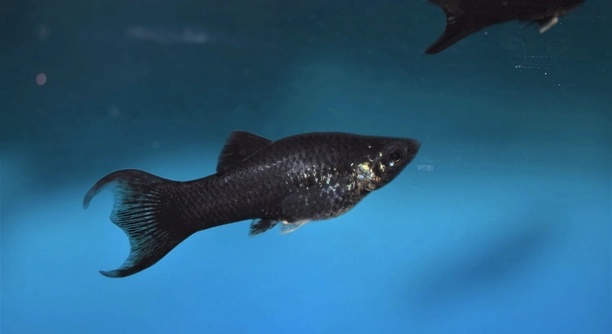
Black Molly are lively and active fish, but after a water change, they may appear unusually restless. This sudden change in behavior can catch many fish owners off guard, especially when the tank usually seems calm and settled.
The primary reason Black Molly seem restless after a water change is due to abrupt shifts in water chemistry. Changes in temperature, pH, and dissolved oxygen levels can create temporary stress, prompting heightened activity and exploratory swimming.
Understanding these reactions will help you maintain a stable environment and keep your Black Molly healthy and comfortable in their tank.
Common Reactions After a Water Change
When I first noticed my Black Molly swimming frantically after a water change, I realized it was a natural response. Fish are highly sensitive to their environment, and even small changes can create noticeable reactions. The sudden shift in temperature or slight differences in water chemistry can make them more active or jittery. This behavior is especially common if the new water isn’t fully conditioned or if the tank has accumulated natural chemical balances over time. Black Molly will often explore the tank more thoroughly, checking corners and surfaces that suddenly feel different. It’s their way of adjusting to the new conditions. Over time, most fish settle back into their normal patterns once the water chemistry stabilizes. Being attentive during this period can help you recognize when the behavior is normal versus when it indicates stress or illness.
Careful observation after water changes helps prevent unnecessary worry about normal adjustments.
Monitoring water parameters closely and performing gradual changes ensures your Molly feels secure and reduces the chance of prolonged stress.
Tips to Reduce Restlessness
Gradual water changes and proper conditioning make a big difference in your fish’s comfort.
Ensuring the water added is similar in temperature and pH to the existing tank helps minimize shock. Using a dechlorinator and testing parameters before introducing water can prevent sudden stress. Spreading out water changes into smaller portions over several days allows fish to adapt naturally. Avoid stirring the substrate too aggressively, as this can release ammonia and make them more unsettled. Providing hiding spots and maintaining stable tank conditions encourages your Black Molly to explore confidently. Observing your fish during these changes helps you notice signs of distress early. Adjusting your water change routine slightly can lead to calmer behavior. Over time, consistent care builds a stable environment that reduces erratic swimming. By taking these steps, your fish will respond positively, feeling safer and more comfortable after each water change.
Water Temperature Changes
Even a slight difference in water temperature can make Black Molly swim more actively. They are sensitive to sudden shifts, which can trigger restlessness and increased movement as they adjust to the new conditions.
Maintaining consistent water temperature is key. Using a reliable aquarium heater or thermometer helps prevent fluctuations that stress the fish. If the replacement water is warmer or cooler than the tank, it can temporarily disrupt their comfort and activity levels. Sudden drops in temperature may make them sluggish at first, then hyperactive as they try to find their preferred conditions. Gradual changes allow their metabolism and behavior to stabilize without causing unnecessary stress.
Observation is crucial after any water change. Watching how your fish react can indicate if the temperature difference is minor or requires immediate adjustment. Black Molly often settle once the water reaches a stable temperature matching the rest of the tank.
Water Chemistry Adjustments
Shifts in pH, hardness, and other chemical balances affect how Black Molly behave. They are highly sensitive to even small alterations in water composition.
Regular testing and conditioning of new water is essential. Introducing water that closely matches the tank’s pH and mineral content reduces sudden stress reactions. When the water chemistry differs, fish may swim frantically, avoid certain areas, or cluster near filtration zones. Black Molly depend on stable conditions for feeding, mating, and overall health, making chemical balance a top priority. Using buffers or gradual mixing can help transition new water without shocking them. Monitoring ammonia, nitrite, and nitrate levels ensures their environment remains safe and healthy.
Consistency in chemical levels is the foundation for calm and healthy Black Molly. Regular water testing and careful adjustments prevent erratic behavior and long-term stress. Over time, maintaining these parameters builds trust in the tank environment, allowing fish to thrive. Proper preparation for water changes keeps them comfortable and active in a predictable, safe setting.
Oxygen Levels
Black Molly respond quickly to changes in oxygen levels. A sudden water change can temporarily reduce dissolved oxygen, making them swim near the surface or increase activity to compensate.
Adding fresh, aerated water and ensuring proper filtration helps maintain steady oxygen levels. It prevents stress and keeps their behavior normal.
Stress from Handling
Frequent or rough handling of the tank, decorations, or plants can unsettle Black Molly. They are sensitive to disturbances, and even minor disruptions make them more active or jittery. Carefully managing the environment during maintenance minimizes stress and allows the fish to feel secure.
Acclimation Importance
Introducing new water slowly gives Black Molly time to adjust to changes. Using a drip method or adding water in small amounts over time reduces shock. Gradual acclimation helps them maintain normal behavior and supports long-term health.
Observation Tips
Watching behavior after water changes reveals their comfort level. Consistent patterns indicate healthy adjustment, while prolonged restlessness may require checking water conditions.
Why do Black Molly swim frantically after a water change?
Black Molly swim frantically because sudden changes in water conditions cause temporary stress. Even minor shifts in temperature, pH, or oxygen levels can make them more active as they try to adjust. This behavior is normal if it lasts a few hours, but prolonged restlessness may indicate a larger issue with water quality.
How long does it take for Black Molly to calm down after a water change?
Most Black Molly settle within a few hours after a water change, provided the new water matches the existing tank conditions. If the water is properly conditioned and temperature differences are minimal, you may notice them returning to normal swimming and feeding patterns sooner. Gradual acclimation shortens adjustment time.
Can sudden temperature changes harm Black Molly?
Yes, sudden drops or rises in water temperature can stress Black Molly and even weaken their immune system. Gradual changes are safer, and using a reliable thermometer and heater ensures the water stays consistent. Keeping temperature fluctuations under a few degrees reduces the risk of illness.
Is it normal for Black Molly to hide after a water change?
Hiding is a natural response. Fish feel vulnerable after environmental changes and may seek shelter until they feel secure. Providing plants, rocks, or decorations gives them places to adjust. Most fish return to normal swimming once the water stabilizes.
Should I add aeration after a water change?
Adding aeration is helpful, especially if a large portion of water is changed. Proper oxygen levels reduce stress and make the fish more comfortable. Using a bubbler or ensuring the filter creates surface agitation helps maintain adequate oxygen.
Can water chemistry differences cause disease?
Significant changes in pH, hardness, or other chemicals can stress fish, lowering immunity and making them more susceptible to disease. Consistent water parameters and careful acclimation reduce the likelihood of health problems. Testing water before and after changes helps prevent these risks.
What is the safest way to perform a water change?
The safest approach is to remove small portions of water gradually, replace with conditioned water that matches temperature and pH, and avoid disturbing substrate or decorations too much. Slow introduction of new water allows Black Molly to adjust without shock.
How often should I change water for Black Molly?
Routine water changes depend on tank size and stocking density. Generally, 20–30% weekly is sufficient. Frequent small changes are better than infrequent large changes, as they minimize stress while keeping water clean and balanced.
Can diet affect their behavior after water changes?
Yes, diet plays a role. Well-fed Black Molly are more resilient to stress. Providing a balanced diet with protein and vegetables helps them maintain energy and reduces the likelihood of erratic behavior after changes.
When should I worry about their restlessness?
Restlessness lasting more than a day, accompanied by erratic swimming, loss of appetite, or signs of illness, indicates a problem. Check water parameters, temperature, and filtration. Persistent stress may require medical attention or environmental adjustments.
Do plants help reduce stress during water changes?
Plants provide hiding spots and contribute to oxygenation, making fish feel safer. Adding live or artificial plants in areas where fish can retreat helps them adjust quickly and reduces visible signs of stress.
Are all Black Molly affected the same way by water changes?
Individual behavior varies. Some may adapt quickly, while others are more sensitive to minor shifts. Observing each fish during and after changes helps you understand their specific needs and responses.
Does the size of the water change matter?
Yes, larger water changes increase stress because they cause bigger shifts in temperature and chemistry. Gradual, smaller changes reduce shock and keep fish behavior more stable. Large, abrupt changes should be avoided whenever possible.
Can filtration issues make restlessness worse?
Poor filtration can worsen stress after a water change. Insufficient oxygenation or uneven circulation may force fish to swim more actively to find comfort. Ensuring the filter works properly helps maintain stable conditions and calmer behavior.
Is there a way to prepare fish before a water change?
Yes, gradually turning off lights and moving decorations carefully helps reduce stress. Some owners add a small amount of tank water to the new water before introducing it. Preparing the environment makes the process less shocking for sensitive Black Molly.
Can overcrowding increase restlessness?
Overcrowded tanks amplify stress. After a water change, limited space makes fish more competitive and active. Maintaining appropriate stocking levels ensures each fish has room to swim and reduces anxiety caused by sudden environmental changes.
Are certain ages or sizes more sensitive to water changes?
Juvenile Black Molly tend to be more sensitive due to developing immune systems. Older or smaller fish may react more dramatically to sudden shifts, so extra care with temperature, water chemistry, and acclimation is important for all sizes.
How do I know if my water conditioner is working properly?
Water conditioners neutralize chlorine and chloramine, and some balance pH. Proper use is indicated when fish show less stress after water introduction. Testing water with kits ensures parameters are safe before completing the change.
Can adding stress-reducing products help?
Some products claim to reduce stress by adding natural compounds or electrolytes. While not always necessary, they can help sensitive fish during large changes. Always follow manufacturer instructions and combine with careful water management.
Is monitoring behavior more important than just testing water?
Both are essential. Water tests reveal chemical stability, but behavior shows how fish are coping. Watching swimming patterns, hiding, and feeding provides immediate feedback, helping you make adjustments before problems develop.
How can I make future water changes easier?
Develop a routine: consistent timing, gradual changes, properly conditioned water, and observation. Over time, your Black Molly become accustomed, stress is minimized, and the tank stays healthy with fewer surprises.
Black Molly are lively and sensitive fish that respond quickly to changes in their environment. After a water change, it is normal to see them swimming more actively or behaving restlessly. This reaction is often caused by sudden shifts in temperature, pH, or oxygen levels, which make the fish adjust to the new conditions. Observing them closely during this period is important, as it helps distinguish between normal adjustment behavior and signs of stress that may need attention. Consistent water conditions, proper acclimation, and careful handling can significantly reduce these reactions, helping your fish remain calm and healthy.
Maintaining stable water chemistry is one of the most effective ways to keep Black Molly comfortable. Gradual changes in pH, hardness, and temperature prevent sudden shocks that can lead to erratic swimming or hiding. Using properly conditioned water and testing it before adding it to the tank allows you to match the existing environment as closely as possible. Aeration and filtration also play an important role in supporting fish behavior. Proper oxygen levels and gentle water flow help them feel secure and reduce unnecessary activity. Over time, consistent water management ensures the fish adapt quickly to changes, minimizing stress and promoting long-term well-being.
Observation and routine care are key to supporting your Black Molly after any water change. Watching how they behave, where they swim, and whether they return to normal feeding patterns provides immediate feedback on their comfort. Small adjustments, such as breaking a water change into smaller portions, ensuring gradual acclimation, and providing hiding spaces, make a noticeable difference. By maintaining a stable environment, monitoring behavior, and making careful adjustments, you can help your Black Molly settle quickly and thrive in their tank. Consistency, attention, and preparation create a secure habitat, allowing these lively fish to remain active without unnecessary stress.

Hello,
If you enjoy the content that we create, please consider saying a "Thank You!" by leaving a tip.
Every little bit helps us continue crafting quality advice that supports the health, happiness, and well-being of pets around the world, for pets of all shapes, sizes, and species.
We really appreciate the kindness and support that you show us!