
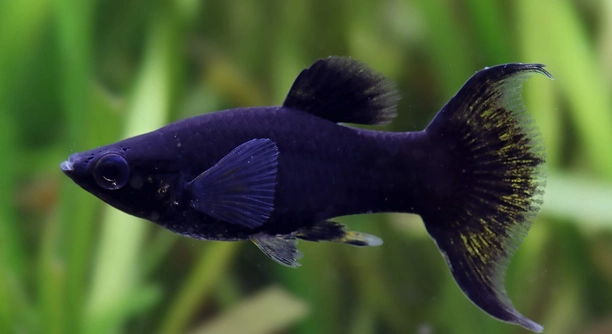
Black mollies are lively freshwater fish that bring charm to home aquariums. Many aquarists notice they often rest immediately after eating. Observing this behavior can be surprising, especially for those trying to understand their pet’s habits.
Black mollies rest right after eating primarily due to their digestive process. After consuming food, energy is redirected toward breaking down nutrients, causing temporary lethargy. This resting behavior is a normal physiological response and usually indicates healthy digestion.
Recognizing this behavior is useful for maintaining a balanced aquarium environment. Learning why mollies rest can improve feeding practices and ensure their overall well-being.
Why Black Mollies Rest After Eating
After feeding, black mollies often appear to slow down or float quietly near the bottom or middle of the tank. This is a natural response to digestion. Their bodies focus energy on breaking down food efficiently, which temporarily reduces activity. Overexertion immediately after eating could cause discomfort or digestive issues, so resting is a protective behavior. Observing your mollies, you may notice they move less, hover near plants, or stay close to the tank’s corners. This resting period helps them absorb nutrients properly, ensuring growth and overall health. Temperature, water quality, and diet type also influence how long they rest. Warmer water speeds up metabolism, shortening resting times, while cooler water may prolong it. A varied diet with appropriate portions encourages proper digestion, reducing stress on their system. Consistent feeding schedules and careful monitoring of activity levels support their well-being. Recognizing these patterns allows for a healthier, balanced aquarium environment that respects natural behavior.
Resting after meals is normal for black mollies and usually does not indicate illness or stress.
Providing a balanced diet and proper feeding routine supports digestion and reduces unnecessary lethargy. Observing their resting patterns ensures timely adjustments to feeding amounts and intervals. Avoid overfeeding, as this can extend rest periods, cause bloating, or lead to swim bladder issues. Tank conditions, including filtration, temperature, and water quality, also play a role in how comfortably mollies digest food. Healthy mollies typically recover activity within a few hours, resuming swimming, exploring, and social interactions. Awareness of these factors allows careful management of both diet and environment, promoting natural behavior. Feeding in small, measured amounts encourages active digestion and prevents lethargy from excess food intake.
Factors That Influence Resting Behavior
Black mollies’ resting behavior after eating is influenced by multiple environmental and biological factors. Water temperature, diet composition, and tank size can all impact their activity levels and digestion speed.
Temperature directly affects metabolic rate. In warmer tanks, digestion is faster, reducing resting time, while cooler water slows metabolism, prolonging rest. Diet type is another key factor. High-protein foods are digested more quickly than plant-based meals, altering post-meal activity. Overfeeding or providing large meals can extend resting periods, leading to bloating or discomfort. Tank setup also matters. Overcrowding or poor water quality can stress fish, causing them to rest more frequently. Clean water and stable conditions allow mollies to digest efficiently and resume normal swimming behavior. Observing each fish individually helps identify patterns and needs. Adjusting feeding portions, maintaining optimal temperature, and monitoring tank health creates an environment that supports natural behavior, ensures digestion, and encourages consistent activity. Proper care and attentive observation are essential to understanding why black mollies rest after meals.
Common Misconceptions About Resting
Many people assume black mollies resting after eating means they are sick or unhappy. This is rarely the case. Resting is a normal part of digestion. Overfeeding or poor water quality can worsen inactivity, but occasional resting after meals is usually harmless and expected.
Resting is often misunderstood as laziness or illness. Black mollies divert energy toward breaking down food, which reduces activity temporarily. Tank conditions can influence behavior; proper filtration, clean water, and a stable environment support normal digestion. Overfeeding or abrupt diet changes may cause longer rest periods, which can be mistaken for illness. Monitoring their movement after meals provides better insight into health than immediate assumptions.
Recognizing normal resting behavior helps prevent unnecessary concern. Each fish may have slightly different post-meal patterns depending on size, age, and diet type. Some may rest longer after protein-rich meals, while others return to swimming quickly. Observation over time helps distinguish healthy rest from signs of stress or illness. Paying attention to water parameters and feeding schedules ensures black mollies remain active and healthy overall.
How to Encourage Healthy Activity
Proper feeding practices support balanced activity levels. Feeding smaller, more frequent meals prevents lethargy and ensures efficient digestion.
Maintaining consistent feeding routines and offering a varied diet helps black mollies stay active after meals. Avoiding overfeeding prevents bloating and reduces prolonged resting periods. Including both plant-based and protein-rich foods supports metabolism and encourages natural swimming behavior. Temperature control also affects activity. Warmer water promotes faster digestion, helping fish regain energy quickly, while cooler water slows metabolism, resulting in longer rest. Observing behavior allows adjustments to diet and environment for optimal health.
Environmental enrichment encourages movement and reduces excessive resting. Adding plants, hiding spots, and swimming space promotes exploration and natural behaviors. Rotating decorations or adding gentle water flow can stimulate activity without causing stress. Monitoring social interactions also helps; mollies are social fish, and group dynamics influence swimming and resting patterns. By combining proper diet, consistent schedules, and an engaging environment, black mollies can maintain healthy activity levels and recover quickly after meals, supporting overall health and well-being.
Signs of Healthy Resting
Black mollies that rest after eating typically hover calmly or swim slowly. They maintain normal coloration, respond to movement, and resume activity within a few hours.
Healthy resting should not include rapid gill movement, erratic swimming, or unusual hiding. These behaviors indicate stress or health issues rather than normal digestion.
Adjusting Feeding Habits
Feeding smaller portions more frequently helps mollies digest efficiently. Avoid large meals that can cause bloating or extended lethargy. Timing meals consistently each day supports metabolism and encourages predictable activity patterns. Monitoring how quickly they return to swimming after meals helps determine ideal portion sizes.
Tank Environment Considerations
Clean water and stable temperatures are crucial. Mollies are sensitive to sudden changes, which can disrupt digestion and activity. Proper filtration and regular water testing maintain a healthy environment, supporting normal post-meal behavior and overall well-being.
When to Seek Help
If mollies show prolonged inactivity, faded colors, or difficulty swimming, veterinary advice is necessary. Early intervention prevents potential health complications.
FAQ
Why does my black molly always rest right after eating?
Resting immediately after meals is a normal digestive response. Black mollies direct energy toward breaking down food, which temporarily reduces activity. Temperature, diet type, and meal size influence how long they rest. Smaller meals and consistent feeding schedules help maintain normal activity levels.
Is it unhealthy if my molly rests for several hours after eating?
Occasional extended resting can occur, especially after large meals or high-protein foods. If the fish resumes swimming normally afterward and shows no signs of distress, it is typically healthy. Prolonged lethargy combined with faded coloration, gasping, or irregular swimming may indicate a health issue.
Can overfeeding cause my molly to rest more than usual?
Yes, overfeeding strains the digestive system, causing bloating and extended periods of inactivity. Feeding measured portions according to the fish’s size and appetite prevents excessive resting and reduces the risk of swim bladder problems or constipation.
Does water temperature affect resting behavior?
Water temperature plays a significant role in metabolism. Warmer tanks speed up digestion, allowing mollies to resume activity quickly. Cooler water slows metabolism, prolonging rest after meals. Maintaining a stable temperature within the recommended range for black mollies supports normal digestion and activity.
Should I change the diet if my molly rests too much?
Diet adjustments can help regulate energy levels. Offering a balance of protein and plant-based foods supports healthy metabolism. Avoid sudden changes, and introduce new foods gradually. Observing post-meal activity provides insight into whether current feeding practices meet their digestive needs.
Is resting a sign of illness?
Resting alone is rarely a sign of illness. Healthy mollies rest as part of normal digestion. Illness is more likely if lethargy is accompanied by changes in color, appetite, or swimming patterns. Monitoring these additional signs helps distinguish between normal rest and health concerns.
How can I encourage my mollies to be more active after meals?
Providing environmental enrichment encourages movement. Plants, hiding spots, and gentle water currents promote swimming and exploration. Feeding smaller portions more frequently and maintaining consistent schedules help mollies digest efficiently and regain energy faster. Social interactions with other fish also encourage activity.
What is the ideal feeding routine to prevent excessive resting?
Feed small, measured portions 2–3 times a day rather than a single large meal. Consistent timing supports digestion and predictable activity patterns. Adjust portions based on the fish’s size and appetite. Observing post-meal behavior ensures the routine is appropriate.
Can tank size affect resting behavior?
Yes, limited swimming space can reduce activity after meals. Providing adequate space allows mollies to move naturally and prevents stress-related inactivity. Proper filtration and clean water complement tank size, supporting healthy digestion and normal post-meal behavior.
When should I consult a veterinarian?
Seek professional help if resting is accompanied by faded color, difficulty swimming, gasping, or extended inactivity beyond a few hours. Early intervention helps prevent serious health complications and ensures your black mollies remain active and healthy.
Final Thoughts
Black mollies resting after eating is a normal and natural behavior. This temporary inactivity allows their bodies to focus on digesting food efficiently. Just like other animals, mollies need time to process nutrients and convert them into energy. Observing your fish, you may notice them hovering near the bottom, staying close to plants, or simply swimming slowly. These behaviors are not signs of laziness or poor health, but rather an essential part of their digestive process. Understanding this can prevent unnecessary concern and help you provide a supportive environment.
Proper feeding practices and attention to tank conditions play a key role in maintaining healthy activity levels. Feeding smaller portions more frequently reduces strain on the digestive system, helping mollies return to normal swimming patterns more quickly. The type of food also affects digestion. Protein-rich meals may be processed faster, while plant-based foods may take longer, resulting in varying rest periods. Additionally, temperature, water quality, and tank size influence behavior. Maintaining clean water, stable temperatures, and adequate swimming space supports both digestion and activity. Observing patterns over time allows you to adjust feeding routines and environmental factors effectively, promoting the overall well-being of your mollies.
Recognizing and respecting this resting behavior is important for a balanced aquarium. It reflects healthy digestion, efficient energy use, and natural physiological responses. Overfeeding or sudden changes in diet or tank conditions can extend rest periods or cause discomfort, so careful monitoring is essential. Providing enrichment through plants, decorations, and gentle water flow encourages movement while still allowing space for rest. By combining proper feeding, attentive observation, and an engaging environment, you can ensure black mollies remain healthy, active, and comfortable in their habitat. This awareness not only improves their quality of life but also makes caring for them a more rewarding experience overall.

Hello,
If you enjoy the content that we create, please consider saying a "Thank You!" by leaving a tip.
Every little bit helps us continue crafting quality advice that supports the health, happiness, and well-being of pets around the world, for pets of all shapes, sizes, and species.
We really appreciate the kindness and support that you show us!