
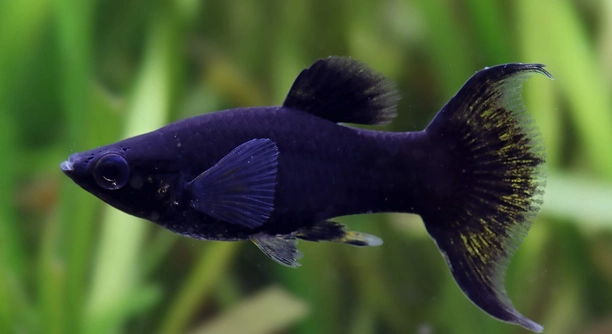
Black Mollies are popular freshwater fish known for their vibrant color and lively behavior. Many aquarists enjoy keeping them, and understanding their breeding patterns can help ensure a healthy and thriving aquarium population. Observing their behavior is key.
A Black Molly is ready to breed when physical and behavioral changes appear. These include a rounded belly, darkened coloration, active swimming patterns, and frequent interactions with other fish. Recognizing these signs allows proper preparation for a successful breeding environment.
Knowing these indicators helps you support your fish responsibly. Observing and understanding their cues ensures healthier breeding and a more balanced aquarium ecosystem.
Physical Changes in Black Mollies
One of the most noticeable signs that your Black Molly is ready to breed is a change in body shape. The female’s belly becomes noticeably rounded as her eggs develop, giving her a fuller appearance. Males may display darker coloration along their fins and body, which signals maturity and readiness. These visual cues are essential to observe, as they indicate that breeding can occur soon. In addition, females may appear slightly larger than usual, and their anal fins, known as the gravid spot, may darken. This spot becomes more prominent as the pregnancy progresses, providing a reliable way to monitor development. Observing your fish regularly allows you to track these changes and prepare the tank accordingly. Changes in behavior often accompany physical developments, such as increased swimming activity or interaction with other fish. Noticing these signs ensures you are ready to support healthy mating conditions for your mollies.
These physical indicators are reliable markers of breeding readiness and help in identifying which fish are prepared to reproduce.
Regular observation and proper tank preparation are crucial. Providing sufficient space, hiding spots, and stable water conditions supports natural behavior. Adjusting diet with protein-rich food can enhance readiness and overall health. Careful attention to these factors ensures a smooth breeding process, minimizing stress and promoting survival of fry. By keeping track of these physical changes, you can confidently manage your Black Mollies and encourage natural reproductive behavior. Maintaining clean, well-oxygenated water and monitoring temperature also play an important role. Successful breeding often depends on consistency in tank maintenance and creating an environment that mimics natural conditions. The combination of visual cues, careful observation, and thoughtful preparation increases the likelihood of healthy offspring and supports the long-term vitality of your fish population.
Behavioral Signs of Breeding
Behavioral changes often accompany physical readiness. Females may become more active, while males frequently follow and interact with them closely.
Mollies display distinct behavioral patterns when ready to breed. Males may chase females more persistently and display courtship behavior, such as flaring fins and performing specific swimming movements. Females might respond by swimming actively or seeking sheltered areas in the tank, which can be essential for giving birth later. Increased interaction between males and females signals reproductive readiness, and observing these behaviors helps in timing breeding efforts correctly. Feeding patterns may also shift, with mollies showing more interest in protein-rich foods that support reproductive health. Stress-free environments reduce aggression and allow natural courtship to take place. Recognizing these behavioral cues alongside physical changes ensures proper care and improves the success rate of breeding. Providing plants, hiding spots, and stable water conditions creates an optimal setting for mollies to engage in their natural behaviors and produce healthy fry for the tank.
Feeding and Nutrition
Proper nutrition is essential for Black Mollies preparing to breed. High-protein foods such as brine shrimp, bloodworms, and specialized flake foods help support egg development and overall health. Balanced feeding ensures stronger, healthier fry and prepares the fish for the demands of reproduction.
Providing a varied diet improves breeding outcomes. Protein-rich foods contribute to energy levels, while vegetables like blanched spinach or zucchini support digestion. Feeding small amounts multiple times a day encourages natural foraging behavior. Overfeeding should be avoided to maintain water quality, as excess food can lead to pollution and stress. Healthy nutrition directly impacts fertility and fry survival, making it a critical part of breeding preparation. Observing how your fish respond to different foods can also indicate readiness for breeding.
Consistency in feeding schedules helps maintain stability in the tank environment. Nutritional balance directly influences reproductive success, activity levels, and overall vitality. Regular monitoring of fish health and appetite ensures that dietary needs are being met. By combining high-quality protein with plant-based options, you create a supportive environment for your Black Mollies to thrive.
Tank Setup for Breeding
A clean, stable tank with hiding spaces is vital for successful breeding. Plants, rocks, and decorations provide shelter for both adults and fry, reducing stress.
Water conditions must be consistent, with temperatures between 76–80°F and a stable pH around 7.0–8.0. Filtration should be gentle to prevent fry from being swept away. Adequate space is necessary to reduce aggression, especially from males chasing females. Adding floating plants can help fry find refuge after birth. Proper lighting and a quiet environment also support natural behavior and breeding activity. Regular water changes maintain water quality, preventing buildup of harmful substances. Monitoring tank conditions daily ensures mollies remain healthy and breeding-ready.
Providing separate breeding tanks can increase fry survival rates. By isolating pregnant females or newborn fry, you protect them from adult fish that may display aggression or consume young. Tank size, hiding spaces, and plant density directly influence the success of reproduction. Preparing the environment in advance allows mollies to engage in natural behaviors without disruption. Attention to detail in tank setup, combined with consistent care, significantly improves breeding outcomes and supports the growth of healthy fry.
Recognizing the Gravid Spot
The gravid spot on a female Black Molly darkens as she becomes ready to give birth. It appears near the anal fin and becomes more pronounced over time. Observing this spot helps determine pregnancy progression and timing for tank preparation.
A darker and larger gravid spot indicates that the female is close to delivering fry. Tracking these changes daily ensures you can provide appropriate care and minimize stress during birth.
Fry Care Basics
Newly born fry need gentle conditions and protection from adult fish. Fine-leaved plants or a breeding box provide safety, giving fry space to grow while avoiding predation in the main tank.
Male vs Female Behavior
Males are more active and persistent in following females. Females may swim actively or hide, signaling readiness and influencing successful mating. Monitoring these interactions supports proper breeding management.
FAQ
How can I tell if my Black Molly is pregnant?
A pregnant female develops a noticeably rounded belly and a dark gravid spot near her anal fin. Her swimming may become slower or more deliberate, and she may seek hiding spaces in the tank. Observing these changes daily allows you to track pregnancy progression accurately.
How long does it take for Black Mollies to give birth?
The gestation period typically lasts around 4 to 6 weeks, depending on water temperature and overall health. Warmer, stable water can slightly shorten this period, while stressed or undernourished females may take longer. Regular observation ensures readiness for fry care.
Do I need a separate tank for breeding?
A separate breeding tank is highly recommended. It protects the female from stress and prevents adult fish from eating newborn fry. Even with plants and hiding spaces in the main tank, isolating pregnant females or newborns increases survival rates significantly.
What should I feed my Black Mollies before breeding?
High-protein foods such as brine shrimp, bloodworms, and quality flake foods support egg development and reproductive health. Including small amounts of vegetables like spinach or zucchini promotes digestion and overall vitality. Feeding multiple small portions daily encourages natural foraging behavior.
Can males harm females during breeding?
Yes, males can be persistent and chase females aggressively. Providing plants and hiding spaces reduces stress and allows females to avoid excessive harassment. Monitoring tank interactions helps maintain a healthy balance between males and females.
How do I care for fry after birth?
Fry need safe spaces and gentle water conditions. Floating plants or a breeding box protect them from adult fish. Feed tiny, nutrient-rich foods such as baby brine shrimp or finely crushed flakes. Frequent water changes maintain water quality, which is crucial for healthy growth.
What water conditions are best for breeding?
Maintain temperatures between 76–80°F and a pH around 7.0–8.0. Gentle filtration prevents fry from being swept away. Consistency in water quality reduces stress and encourages natural reproductive behaviors. Regular testing helps detect imbalances before they impact breeding success.
How often can Black Mollies breed?
Healthy females can reproduce every 6–8 weeks. However, frequent pregnancies without proper care can stress the fish and reduce fry survival. Allowing recovery time and maintaining proper nutrition ensures stronger, healthier offspring.
What signs indicate fry are healthy?
Healthy fry are active, swim freely, and feed eagerly. They grow steadily without deformities or lethargy. Observing their behavior daily ensures they receive adequate nutrition and remain safe from adult aggression or poor water conditions.
Can I breed Black Mollies without knowing their sex?
It is possible but less efficient. Identifying males and females allows proper pairing, reduces stress, and improves fry survival. Males are slimmer with a pointed anal fin, while females have a rounder belly and the gravid spot near the anal fin.
How do I prevent overpopulation in my tank?
Monitoring fry numbers and removing excess juveniles to separate tanks helps control population. Regularly assess tank capacity and plan for new tanks or rehoming if necessary. Maintaining balance ensures healthy fish and stable water conditions.
Are there risks to breeding Black Mollies at home?
Breeding at home requires careful management of water quality, nutrition, and tank space. Overcrowding, poor filtration, and inadequate hiding spaces can lead to stress, illness, and reduced fry survival. Attentive care minimizes risks and promotes healthy reproduction.
How can I encourage natural breeding behavior?
Provide stable water conditions, nutritious food, and adequate hiding spaces. Observing male courtship and female receptiveness allows breeding to occur naturally. Minimizing disturbances and stress supports successful mating and healthier fry production.
Do Black Mollies need specific lighting for breeding?
Consistent, moderate lighting supports natural behavior without causing stress. Avoid intense or fluctuating light, as it may disrupt activity patterns. Natural daylight cycles or controlled aquarium lighting promotes healthy reproductive activity.
How do I know when fry are ready to leave the breeding tank?
Fry are ready to transition once they are large enough to avoid being eaten by adults and can feed independently. Typically, this occurs around 4–6 weeks after birth. Gradual acclimation to the main tank ensures safe integration and continued growth.
Final Thoughts
Breeding Black Mollies can be a rewarding experience when approached with care and attention. Observing your fish closely allows you to recognize the key signs of readiness, from physical changes like a rounded belly and dark gravid spot to behavioral cues such as active swimming and male courtship. Understanding these indicators is essential for preparing the tank, providing proper nutrition, and ensuring the safety of both adult fish and fry. Each step, though simple, contributes to a successful breeding process and promotes the overall health of your aquarium. By taking the time to monitor these changes, you create an environment where your mollies can reproduce naturally, reducing stress and increasing the likelihood of healthy offspring.
Maintaining stable water conditions is one of the most important aspects of breeding. Temperature, pH, and filtration should remain consistent, as sudden changes can affect reproduction and fry survival. Adequate hiding spaces and plants help reduce stress and provide shelter for both females and newborn fry. Feeding a balanced diet that includes protein-rich foods supports reproductive health and prepares females for pregnancy. Small, frequent feedings encourage natural foraging behavior and keep fish active and healthy. Monitoring interactions between males and females ensures that aggression is minimized, and females have space to avoid persistent chasing. Proper planning and careful observation allow you to manage the tank effectively while supporting natural breeding behavior.
Caring for fry requires patience and attention to detail. Newborn Black Mollies are delicate, and providing protection from adult fish is crucial for their survival. Using floating plants, breeding boxes, or separate nursery tanks ensures they have safe areas to grow. Feeding tiny, nutrient-rich foods and performing regular water changes maintain water quality and promote healthy growth. Over time, fry will become stronger and more independent, gradually ready to join the main tank. Consistency in care, a stable environment, and attention to the smallest details all contribute to successful breeding and the long-term health of your mollies. Observing these processes closely not only improves your chances of success but also helps you understand your fish better, fostering a balanced and thriving aquarium.

Hello,
If you enjoy the content that we create, please consider saying a "Thank You!" by leaving a tip.
Every little bit helps us continue crafting quality advice that supports the health, happiness, and well-being of pets around the world, for pets of all shapes, sizes, and species.
We really appreciate the kindness and support that you show us!