
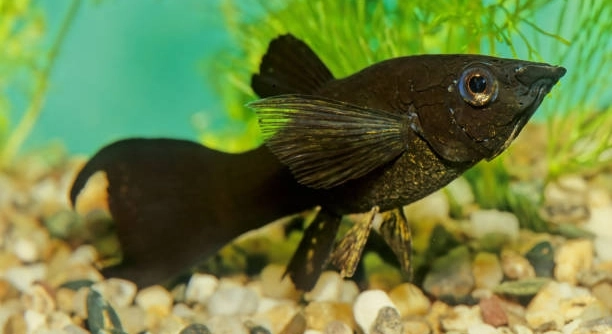
Have you ever noticed your Black Molly twitching suddenly, leaving you a little worried about its health and well-being? These small fish can show unexpected movements that often puzzle even experienced aquarium owners. Observing them closely is important.
Sudden twitching in Black Molly is typically caused by stress, poor water quality, infections, parasites, dietary deficiencies, temperature fluctuations, or genetic factors. Identifying the root cause allows for targeted care and prevents further health complications for the fish.
Understanding these causes can help you provide better care for your Black Molly. Addressing them early ensures your fish remain healthy and comfortable in their tank environment.
Stress
Stress is one of the most common reasons why Black Mollies may twitch suddenly. Changes in their environment, such as moving the tank, adding new fish, or loud noises nearby, can trigger stress responses. Even minor adjustments in lighting or water currents may make them anxious. Stress affects their nervous system, causing involuntary movements like twitching or darting around the tank. Over time, prolonged stress can weaken their immune system, making them more vulnerable to diseases. It is important to observe your fish’s behavior regularly and recognize signs of stress early. Providing hiding spots, consistent routines, and a calm environment can significantly reduce stress levels. Avoid overcrowding the tank, as too many fish can also create tension. Monitoring water parameters and maintaining stable conditions helps Black Mollies feel safe.
Reducing stress in Black Mollies involves maintaining stable tank conditions, limiting sudden changes, and ensuring they have safe spaces to retreat within the aquarium.
Keeping stress low helps Black Mollies swim naturally, interact better with other fish, and maintain overall health and vitality in the tank.
Poor Water Quality
Poor water quality can directly cause twitching in Black Mollies. High ammonia, nitrite, or nitrate levels, as well as improper pH, can irritate their gills and nervous system. Regular testing and cleaning are essential to prevent sudden movements.
Maintaining water cleanliness requires frequent partial water changes, filtering, and monitoring temperature. Removing uneaten food and debris prevents chemical buildup that can harm the fish. Black Mollies thrive in stable, slightly alkaline water with consistent temperatures. Sudden shifts in water parameters, even small ones, can trigger stress and twitching. Avoid using harsh chemicals that may irritate the fish. Ensuring the tank has good aeration helps oxygen levels stay steady, which supports calm swimming. Over time, consistently clean water strengthens their immune system and reduces susceptibility to diseases. Observing your fish after water changes helps confirm that conditions are appropriate and that the fish are adapting well.
By keeping water quality stable and clean, you create a safe environment where Black Mollies can swim calmly and show natural behaviors, reducing twitching and promoting overall health.
Parasites
Parasites can cause Black Mollies to twitch suddenly. Tiny external or internal parasites irritate the fish, leading to uncontrolled movements and restlessness in the tank.
Parasites like flukes, lice, or worms attach to the skin, fins, or gills, creating discomfort. Infected fish may rub against objects or dart around frequently. The immune system weakens, making them more susceptible to secondary infections. Identifying parasites early is crucial. Treatments often include medicated baths or adding specific anti-parasitic medications to the water. Quarantining affected fish prevents spreading to healthy tank mates. Regular observation and hygiene reduce the risk of infestations and keep the fish healthy.
Internal parasites may not be visible but can cause twitching and lethargy. Maintaining a clean tank and using high-quality food lowers the likelihood of infections. Combining preventive care with treatment ensures that your Black Mollies recover fully and remain active.
Dietary Deficiencies
A poor diet can trigger twitching in Black Mollies. Lack of essential nutrients, vitamins, and minerals affects their nervous and muscular systems.
Feeding only flakes or low-quality food can leave Black Mollies deficient. Including a variety of foods, like frozen or live brine shrimp, daphnia, and vegetables, ensures balanced nutrition. Deficiencies in vitamin C, calcium, or other nutrients can cause muscle spasms, abnormal swimming, and sudden twitching. Observing their eating habits and adjusting portions helps maintain a healthy weight and reduces stress. Overfeeding can also lead to digestive issues and water quality problems, which indirectly cause twitching.
Regularly rotating food types and including supplements when necessary supports their overall health. Healthy, well-fed Black Mollies are more energetic, show normal swimming patterns, and have stronger resistance to diseases, minimizing twitching incidents caused by poor nutrition.
Temperature Fluctuations
Sudden changes in water temperature can make Black Mollies twitch. Their bodies are sensitive, and even small shifts can affect their nervous system.
Maintaining a stable temperature is essential. Using a reliable heater and thermometer ensures the water stays within their ideal range, reducing stress and preventing twitching.
Infections
Bacterial and fungal infections can lead to twitching in Black Mollies. These infections irritate their skin, fins, or internal organs, causing abnormal movements. Regular observation, quarantine for new or sick fish, and prompt treatment with appropriate medications help manage infections and protect other tank inhabitants.
Genetic Factors
Some Black Mollies are more prone to twitching due to inherited traits. Genetic predispositions can affect muscle control and nerve sensitivity. Selecting healthy stock and avoiding inbreeding reduces the likelihood of inherited twitching issues in the tank population.
FAQ
Why is my Black Molly twitching all of a sudden?
Twitching in Black Mollies is usually caused by stress, poor water conditions, parasites, infections, dietary deficiencies, temperature changes, or genetic factors. Observing the fish’s behavior and checking water parameters helps identify the source. Early intervention prevents health complications and ensures a calmer, healthier fish.
Can poor water quality cause twitching?
Yes, high ammonia, nitrite, or nitrate levels, or sudden changes in pH and temperature, can irritate a Black Molly’s gills and nervous system. Maintaining clean water with regular partial changes, proper filtration, and monitoring prevents twitching and promotes overall well-being.
Do parasites make Black Mollies twitch?
External parasites like flukes and lice, or internal worms, can irritate the fish, causing rapid movements and rubbing against tank surfaces. Quarantining infected fish and using anti-parasitic treatments reduces spread and improves health. Regular observation helps catch infestations early.
Could diet affect my fish’s movements?
Absolutely. A poor or unbalanced diet lacking essential vitamins and minerals can cause muscle spasms and twitching. Providing a variety of flakes, frozen or live foods, and occasional supplements supports proper muscle function and overall health. Overfeeding should also be avoided, as it may lead to digestive stress.
Do temperature changes make a difference?
Yes. Sudden drops or rises in water temperature can shock Black Mollies, affecting their nervous system and causing twitching. Using a reliable heater and thermometer ensures a stable environment. Avoid placing the tank in areas with drafts, sunlight, or frequent temperature swings.
Can infections trigger twitching?
Bacterial and fungal infections often irritate the skin, fins, or internal organs. Affected fish may twitch, swim erratically, or isolate themselves. Early detection and treatment with the correct medication prevent the infection from spreading and help the fish recover more quickly.
Is twitching hereditary?
Some Black Mollies may be genetically predisposed to twitching due to inherited nerve or muscle sensitivities. Choosing healthy, non-inbred fish when stocking a tank reduces the chances of inherited movement issues. Genetic factors are usually less common than environmental causes.
How can I prevent twitching in Black Mollies?
Maintaining clean, stable water, providing a balanced diet, avoiding overcrowding, monitoring temperature, and minimizing stress are the best ways to prevent twitching. Quarantining new fish and keeping an eye out for parasites or infections further ensures a healthy environment.
When should I worry about twitching?
Occasional, minor twitching is usually not serious, but persistent or severe twitching combined with lethargy, loss of appetite, or abnormal swimming indicates a problem. Immediate water testing, observation, and, if needed, treatment are recommended to protect your fish.
Can twitching go away on its own?
If the twitching is caused by minor stress or temporary changes, it may stop once the environment stabilizes. However, twitching caused by poor water quality, disease, parasites, or deficiencies requires intervention. Regular monitoring ensures any issues are addressed promptly.
Are there long-term effects of twitching?
Repeated twitching due to untreated causes can weaken a Black Molly’s immune system, reduce growth, and make it more prone to disease. Providing consistent care and addressing triggers quickly helps maintain long-term health and normal behavior.
What treatments are effective for twitching?
Treatment depends on the cause. Anti-parasitic or antibacterial medications, water quality adjustments, dietary improvements, and temperature stabilization are common approaches. Identifying the exact cause is critical for effective treatment. Quarantine sick fish to prevent spreading problems to the rest of the tank.
Can stress from other fish cause twitching?
Yes, aggressive tank mates or overcrowding can stress Black Mollies, leading to twitching. Providing hiding spots, ensuring proper fish ratios, and minimizing aggressive interactions reduce stress and encourage calmer swimming behaviors.
How often should I monitor my Black Molly for twitching?
Daily observation is best. Watching their movements, appetite, and interactions helps catch early signs of stress, parasites, or disease. Early detection allows for faster interventions and prevents minor issues from becoming serious health problems.
Does water movement affect twitching?
Excessive currents or strong filtration can cause stress, resulting in twitching. Adjusting flow rates or adding plants and decorations for shelter can help mollies feel secure while maintaining proper oxygenation and circulation.
Are some Black Mollies more prone to twitching than others?
Yes, younger fish or those recently introduced to a new tank are more sensitive to environmental changes. Fish with weaker immune systems or prior health issues may also show twitching more easily. Consistent care reduces risks for all fish.
Can twitching indicate pain in Black Mollies?
Twitching can indicate discomfort caused by disease, parasites, or injuries. It is a signal that the fish is experiencing irritation or stress. Observing additional signs such as color changes, fin clamping, or reduced activity can help determine the severity.
Is twitching reversible?
Most twitching is reversible if the underlying cause is addressed promptly. Environmental stabilization, proper nutrition, parasite treatment, and medical care allow the fish to recover and return to normal swimming patterns. Ignoring the problem can lead to permanent health issues.
How do I know if twitching is normal behavior?
Occasional quick movements or minor twitches are normal as fish explore or respond to stimuli. Persistent, repetitive, or violent twitching often signals a problem. Consistent monitoring and awareness of normal swimming patterns help distinguish normal behavior from concerning signs.
Can water temperature swings at night affect twitching?
Yes, tanks without heaters or poor insulation may experience temperature drops at night, triggering twitching. Maintaining stable temperatures and monitoring fluctuations prevents nighttime stress and protects sensitive Black Mollies from sudden involuntary movements.
What steps should I take first if my Black Molly starts twitching?
Check water parameters immediately, observe for signs of parasites or disease, and review recent changes in diet or tank setup. Isolating the affected fish in a quarantine tank, if necessary, helps prevent issues from spreading and allows for targeted care.
Is twitching a sign of aging?
Older Black Mollies may twitch occasionally due to weakened muscles or slower reflexes, but frequent twitching usually points to health or environmental issues rather than age alone. Maintaining consistent care remains important throughout their lifespan.
How can I improve tank conditions to prevent twitching?
Regular water changes, proper filtration, stable temperatures, balanced nutrition, and stress reduction through tank decor or hiding spots all help reduce twitching. Paying attention to tank dynamics and observing fish behavior keeps them healthier and calmer.
Can overcrowding cause twitching?
Yes, too many fish in a tank creates stress, competition for food, and poor water quality, all of which can lead to twitching. Maintaining proper stocking levels and providing hiding areas reduces stress and ensures more natural behavior.
Are there specific signs that twitching is caused by disease?
Signs include fin clamping, loss of appetite, lethargy, discoloration, or sores. Twitching accompanied by these symptoms usually indicates infection. Prompt treatment, water maintenance, and quarantine of sick fish are essential to prevent worsening conditions.
Can twitching affect reproduction?
Persistent twitching due to stress or poor health may reduce breeding success. Healthy, calm fish are more likely to mate successfully and produce viable offspring. Proper care, water quality, and nutrition support reproductive health.
Do all Black Mollies react the same to stress or illness?
Individual fish may respond differently based on genetics, age, or prior health. Some may twitch, others may hide or lose appetite. Observing each fish individually helps identify problems early and apply the correct solution.
What role does tank decoration play in twitching?
Plants, rocks, and hiding spaces help reduce stress by providing shelter. Lack of cover or excessive open space can make fish feel exposed, triggering twitching. Arranging the tank thoughtfully promotes calm swimming and reduces involuntary movements.
How long does it take for twitching to stop after treatment?
Recovery depends on the cause and severity. Minor stress-related twitching may stop within hours or days, while infections or parasite infestations may take a week or longer. Continuous care and monitoring ensure full recovery and prevent recurrence.
Can sudden lighting changes cause twitching?
Yes, abrupt changes in light intensity can startle Black Mollies, causing twitching. Gradual adjustments or using dimmers help fish adapt and reduce stress-related movements in the tank.
Should I consult a veterinarian for twitching?
Persistent or severe twitching, especially with other symptoms like lethargy or loss of appetite, warrants professional advice. A veterinarian specializing in fish can diagnose underlying causes and recommend appropriate treatments.
How often should I test water parameters to prevent twitching?
Testing at least once a week is recommended, or more frequently in new tanks. Monitoring ammonia, nitrite, nitrate, and pH ensures conditions remain stable, reducing stress and preventing twitching episodes.
Can twitching be seasonal?
Changes in room temperature or lighting across seasons can trigger twitching. Keeping tank conditions stable year-round prevents seasonal stress and ensures consistent behavior for Black Mollies.
Are there any supplements that reduce twitching?
Vitamin-rich foods and occasional supplements, especially those containing vitamin C or minerals, support muscle and nerve function. Proper nutrition helps prevent twitching caused by deficiencies and strengthens overall health.
Is twitching contagious to other fish?
Twitching itself is not contagious, but the underlying causes like parasites, bacterial infections, or poor water quality can affect other tank inhabitants. Identifying the root cause and taking corrective action protects the entire tank population.
How can I tell if twitching is stress-related?
Stress-related twitching is often linked to environmental changes, overcrowding, or aggressive tank mates. It may be intermittent and improve once conditions stabilize. Observing behavior alongside environmental factors helps determine if stress is the cause.
Does sudden tank cleaning trigger twitching?
Yes, major water changes or scrubbing decorations can disturb the environment and stress Black Mollies, causing temporary twitching. Performing partial, gradual changes minimizes disruption and reduces stress-related movements.
Can twitching affect social behavior?
Twitching may cause affected fish to isolate themselves or act defensively. Reducing stress, improving water quality, and treating underlying causes helps restore normal social interactions with tank mates.
Are young Black Mollies more prone to twitching?
Juveniles are more sensitive to changes in water quality, temperature, and diet, making them more likely to twitch. Providing stable conditions, gentle handling, and proper nutrition helps them develop healthy, natural swimming patterns.
How do I monitor recovery after twitching?
Track swimming behavior, appetite, and interactions daily. Reduced twitching, normal eating, and active swimming indicate recovery. Maintaining consistent care during this period ensures full restoration of health.
Does twitching indicate pain?
Twitching can signal discomfort or irritation from infections, parasites, or stress. Observing accompanying signs like color change, fin clamping, or reduced movement helps assess severity and guide appropriate care.
Can tankmates trigger twitching in shy Black Mollies?
Aggressive or overly active fish can stress shy Black Mollies, causing twitching or hiding behavior. Providing hiding spaces and maintaining compatible tankmates reduces stress and encourages normal movement.
Is twitching always a sign of illness?
Not always. Minor twitches may result from temporary stress or reactions to stimuli. Persistent, severe, or accompanied by other symptoms usually indicates health or environmental problems needing attention.
How can I safely isolate a twitching fish?
Using a quarantine tank with clean water, proper temperature, and gentle filtration allows observation and treatment without exposing other fish. Minimal handling and stress help recovery.
Do all species of Mollies twitch similarly?
While behavior may vary slightly, most Molly species can show twitching under stress, poor water conditions, or health issues. Understanding species-specific needs ensures proper care and reduces twitching incidents.
Can twitching be prevented entirely?
Complete prevention is unlikely, but maintaining stable water, balanced nutrition, minimal stress, and prompt treatment for parasites or infections greatly reduces the frequency and severity of twitching. Regular monitoring is essential for ongoing health.
What signs indicate improvement after twitching?
Fish that swim steadily, eat regularly, interact with tankmates, and show fewer rapid movements are recovering. Continued care and observation ensure they return to normal behavior and maintain long-term health.
Can bright lighting or direct sunlight trigger twitching?
Sudden exposure to intense light can startle Black Mollies. Gradually adjusting lighting and avoiding direct sunlight reduces stress, preventing twitching caused by environmental shock.
Are there natural remedies for twitching?
Improving water quality, stabilizing temperature, providing proper nutrition, and adding plants for shelter are safe natural measures. For parasites or infections, natural remedies may help but should not replace targeted treatment when necessary.
Can sudden loud noises affect Black Mollies?
Yes, vibrations and loud noises near the tank can startle them, causing twitching. Placing tanks in quieter areas and minimizing disturbances promotes calm behavior and reduces stress-induced movements.
Does tank size influence twitching?
Overcrowding in small tanks increases stress, leading to twitching. Adequate space allows natural swimming patterns and reduces competition, promoting healthier, calmer fish.
How do I distinguish twitching from normal quick movements?
Normal quick movements occur occasionally and are often part of swimming or feeding. Persistent, repetitive, or erratic twitching, especially with other symptoms, usually indicates stress, disease, or environmental issues.
Can lack of oxygen cause twitching?
Low oxygen levels stress Black Mollies, causing rapid or erratic movements. Proper aeration and water circulation ensure sufficient oxygen, reducing twitching and supporting overall health.
What is the most common cause of twitching?
Stress and poor water quality are the most frequent triggers. Ensuring stable conditions, clean water, and minimal environmental stress significantly reduces twitching incidents.
Does tank location affect twitching?
Yes, placing tanks in high-traffic areas, near windows, or in drafty spots can stress fish. Choosing a calm, stable location helps maintain consistent behavior and prevents twitching.
How long does it take for a Black Molly to calm down after stress?
It depends on the severity. Minor stress may resolve within hours, while severe stress can take days. Stable water, hiding spots, and minimal disturbances aid faster recovery.
Can twitching cause long-term damage?
If untreated, repeated twitching from stress, parasites, or infections can weaken the immune system and reduce overall health. Prompt care prevents lasting issues and ensures active, healthy fish.
Are live plants helpful for twitching prevention?
Yes, plants provide hiding spots and reduce stress by giving fish places to retreat. They also help improve water quality, making the tank environment calmer and healthier.
Is quarantine necessary for twitching fish?
Quarantine is recommended if twitching is caused by disease or parasites. Isolating affected fish prevents spreading problems and allows focused treatment without stressing the rest of the tank.
Does water hardness affect twitching?
Improper hardness can stress Black Mollies, causing twitching or unusual swimming. Maintaining water within recommended levels for the species helps prevent these reactions.
Can frequent handling trigger twitching?
Yes, excessive handling or netting stresses Black Mollies, leading to twitching. Minimizing handling and only interacting when necessary helps them remain calm.
Are sudden movements from other fish a factor?
Fast or aggressive movements from tankmates can startle Black Mollies, causing twitching. Providing enough space and hiding spots reduces these stress-induced reactions.
Does age affect twitching frequency?
Younger and older fish are often more sensitive to environmental changes. Ensuring stable conditions and proper nutrition reduces twitching across all life stages.
Can water additives trigger twitching?
Harsh chemicals or improper dosing can irritate fish and cause twitching. Using products as directed and choosing gentle additives helps maintain a safe environment.
What is the first step when noticing twitching?
Check water quality, observe the fish, and consider recent changes in diet, tank setup, or tankmates. Early intervention ensures proper care and reduces the risk of serious health issues.
How often should I monitor fish after twitching episodes?
Daily observation is important until normal behavior resumes. Watch swimming, feeding, and social interactions closely to confirm recovery and prevent recurrence.
Can overfeeding contribute to twitching?
Yes, overfeeding leads to poor water quality and digestive stress, which may indirectly cause twitching. Balanced feeding supports healthy digestion, clean water, and calm behavior.
Are some Black Mollies naturally more active?
Yes, activity levels vary by individual. High activity is normal if accompanied by good health and stable water conditions, while persistent twitching with other signs may indicate problems.
Can twitching indicate stress from lighting schedules?
Irregular or abrupt light cycles can stress fish, causing twitching. Consistent day-night lighting helps maintain natural rhythms and reduces stress-related movements.
Is it possible for twitching to occur without visible cause?
Yes, subtle environmental or internal factors, such as minor parasites or minor nutrient deficiencies, can cause twitching. Careful observation and monitoring help identify underlying issues.
Do water temperature swings during cleaning affect twitching?
Yes, sudden changes during water changes can startle fish. Gradual temperature adjustments and partial water replacements minimize stress-induced twitching.
Can tank mates with diseases affect my fish?
Yes, infected fish can spread parasites or bacteria. Quarantining new or sick fish prevents transmission and reduces twitching in healthy tank inhabitants.
Is twitching more common in small tanks?
Small, overcrowded tanks increase stress, reduce water quality, and limit space, making twitching more likely. Adequate space and proper stocking levels support calm swimming and healthier fish.
How do I know if twitching is improving?
Reduced frequency, calmer swimming, normal feeding, and interaction with tankmates indicate improvement. Continued care ensures full recovery and prevents relapse.
Can seasonal temperature changes trigger twitching?
Yes, shifts in room temperature between seasons can stress fish. Stable tank heating and monitoring prevent stress-related twitching year-round.
Is twitching a sign of oxygen deficiency?
Rapid or erratic movements can indicate low oxygen levels. Aeration, water circulation, and proper plant coverage maintain sufficient oxygen, reducing twitching.
Does over-filtering cause twitching?
Excessive currents from overpowered filters can stress fish, causing twitching. Adjusting flow or adding decorations for shelter helps mollies feel secure while maintaining water quality.
Are certain foods more likely to prevent twitching?
High-quality flakes, frozen or live foods, and nutrient-rich vegetables provide balanced nutrition that supports muscle and nerve health, reducing twitching caused by deficiencies.
Does tank size affect water stability?
Larger tanks generally maintain more stable water parameters, reducing stress-induced twitching. Smaller tanks are more sensitive to changes, requiring frequent monitoring and care
Caring for Black Mollies requires attention to both their environment and their health. Sudden twitching can be alarming, but it is often a sign that something in their tank or diet needs adjustment. Many factors, such as stress, water quality, parasites, infections, dietary deficiencies, temperature changes, and genetics, can lead to twitching. Observing your fish closely and understanding their normal behavior makes it easier to identify when something is wrong. By keeping track of water parameters, diet, and interactions within the tank, you can quickly respond to issues before they become serious. Maintaining a stable and clean environment is one of the simplest yet most effective ways to prevent sudden twitching in Black Mollies.
Water quality is particularly important for these fish. High levels of ammonia, nitrite, or nitrate, as well as sudden changes in pH or temperature, can irritate their gills and nervous system, leading to twitching. Regular water changes, proper filtration, and monitoring with a reliable thermometer help maintain stable conditions. Even small environmental stresses, such as loud noises, overcrowding, or aggressive tankmates, can cause twitching if the fish feel threatened or unsafe. Providing hiding spots, calm surroundings, and consistent routines allows Black Mollies to feel secure, reducing the likelihood of twitching. Proper nutrition also plays a critical role. Feeding a balanced diet with high-quality flakes, frozen or live foods, and occasional supplements ensures that the fish receive the nutrients they need for healthy muscles and nerves. Deficiencies can easily lead to involuntary movements and general discomfort, so careful attention to diet helps prevent many common issues.
Addressing twitching early is key to maintaining healthy and happy Black Mollies. Identifying the underlying cause—whether environmental, dietary, or health-related—allows for precise interventions, such as treating parasites, adjusting water conditions, or improving nutrition. Sometimes, twitching may be temporary, caused by minor stress or sudden changes, but persistent or severe twitching is a sign that action is needed. Providing consistent care, monitoring behavior, and making gradual adjustments when necessary will help your fish recover quickly and prevent future episodes. With attention and patience, you can create a stable environment where Black Mollies swim calmly, interact naturally with their tankmates, and thrive long-term. Keeping the tank clean, maintaining proper water parameters, ensuring a varied diet, and minimizing stressors ensures that your fish remain healthy and vibrant, making sudden twitching a rare occurrence rather than a frequent concern.

Hello,
If you enjoy the content that we create, please consider saying a "Thank You!" by leaving a tip.
Every little bit helps us continue crafting quality advice that supports the health, happiness, and well-being of pets around the world, for pets of all shapes, sizes, and species.
We really appreciate the kindness and support that you show us!